Rising 3,031 metres above sea level, Mount Agung Bali is the island’s highest volcano and one of its most recognisable landmarks. Visible from many parts of the island, it dominates Bali’s landscape and has long inspired travellers to take on the Mount Agung sunrise trekking experience for its breathtaking views.
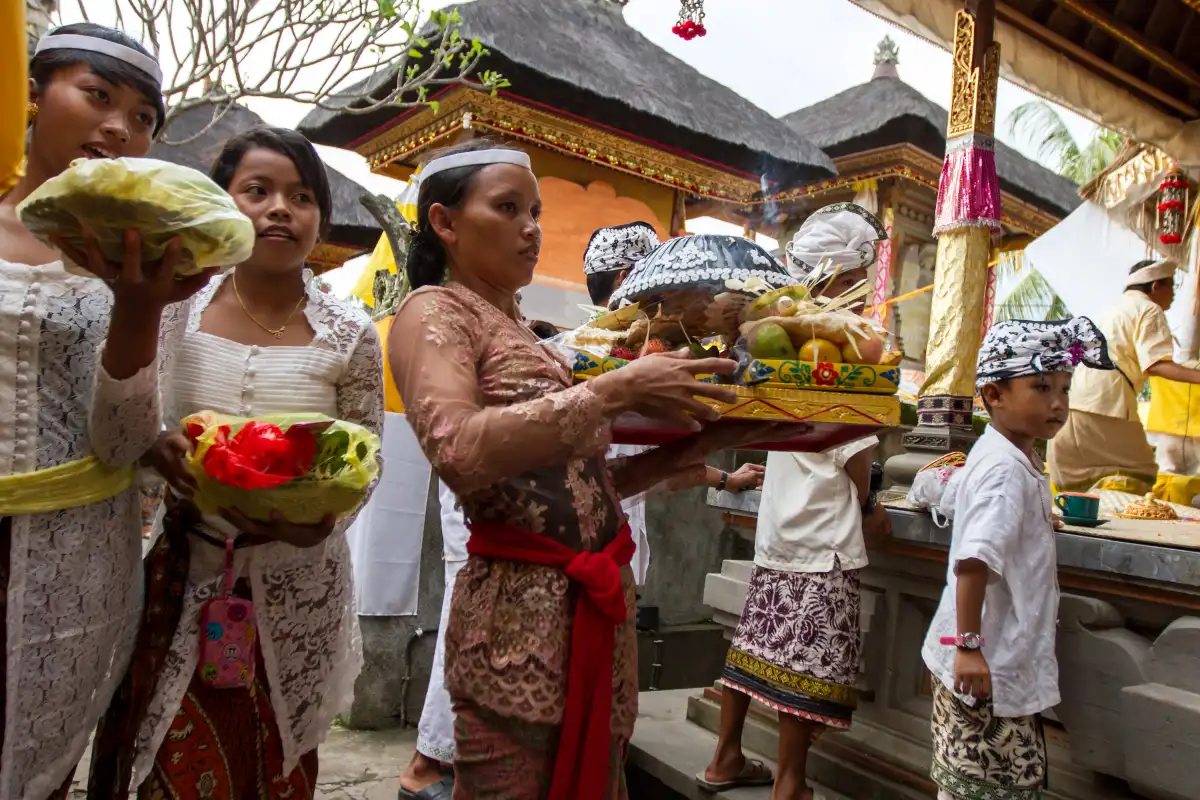
For the Balinese people, however, Mount Agung represents far more than a scenic summit. It is considered the island’s most sacred mountain, a place where the spiritual and natural worlds are closely connected. Its presence influences religious ceremonies, temple architecture, village planning, and everyday life, making it an enduring symbol of balance and harmony in Balinese Hinduism.
Understanding the cultural and spiritual significance of Mount Agung offers a different perspective on visiting the mountain. Rather than simply reaching the summit, it invites travellers to appreciate why this remarkable landscape continues to be deeply respected by the communities who have lived in its shadow for generations.
The Spiritual Heart of Bali
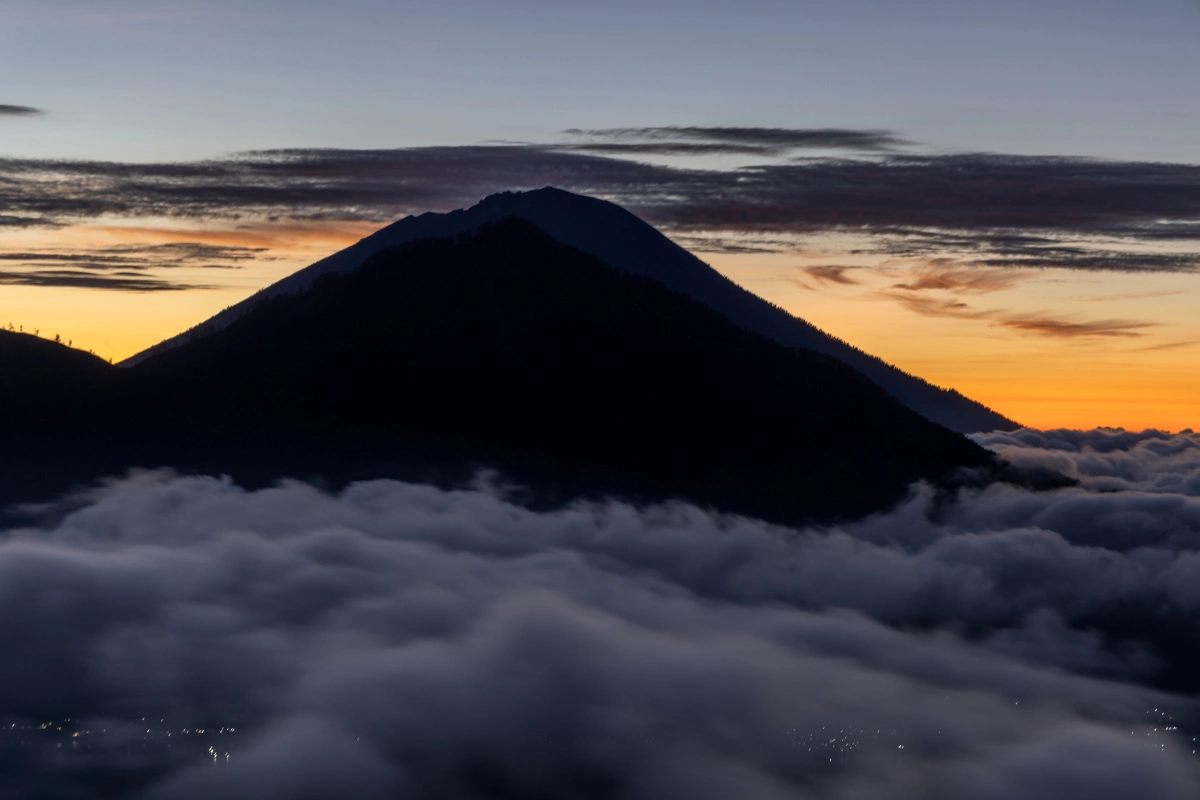
In Balinese Hinduism, Mount Agung is believed to be the home of the gods and ancestors. Rather than being viewed only as a volcano, it represents the highest and holiest point of the island, connecting the earthly world with the divine.
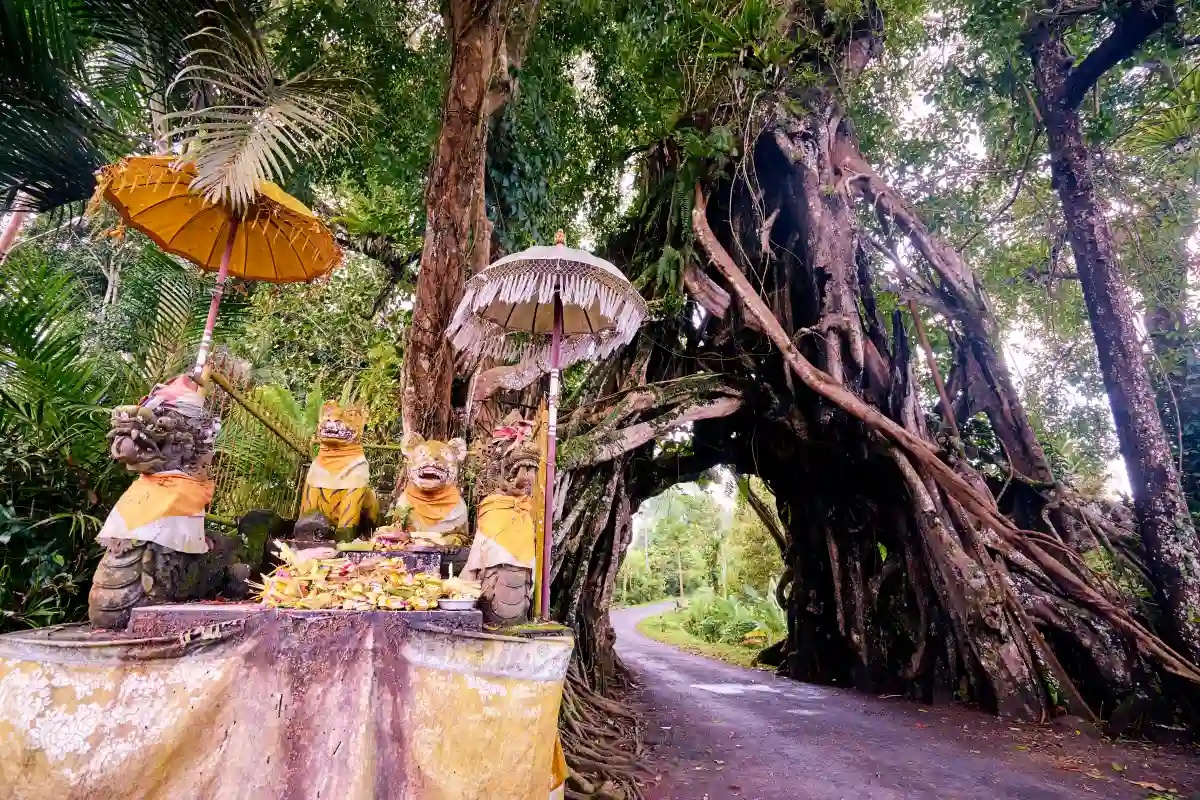
This belief influences everyday life across Bali. Traditional homes and temples are built with reference to the mountain. The direction facing Mount Agung, known as kaja, is considered the most sacred direction, while the sea, or kelod, represents the opposite balance. This spiritual orientation guides everything from village layouts to family compounds and temple design. For many Balinese people, Mount Agung is not simply part of the landscape. It is a constant reminder of harmony between people, nature, and the spiritual world.
Read also: Bali Religion: Get to Know Balinese Hinduism & Cultural Traditions
Pura Besakih and Mount Agung
No place reflects this relationship more clearly than Pura Besakih, Bali’s Mother Temple. Located on the slopes of Mount Agung, the temple has served as one of the island’s most important religious centres for centuries. Rather than sitting on the summit itself, Besakih was carefully built on the mountain’s lower slopes, creating a sacred connection while respecting the power of the volcano.
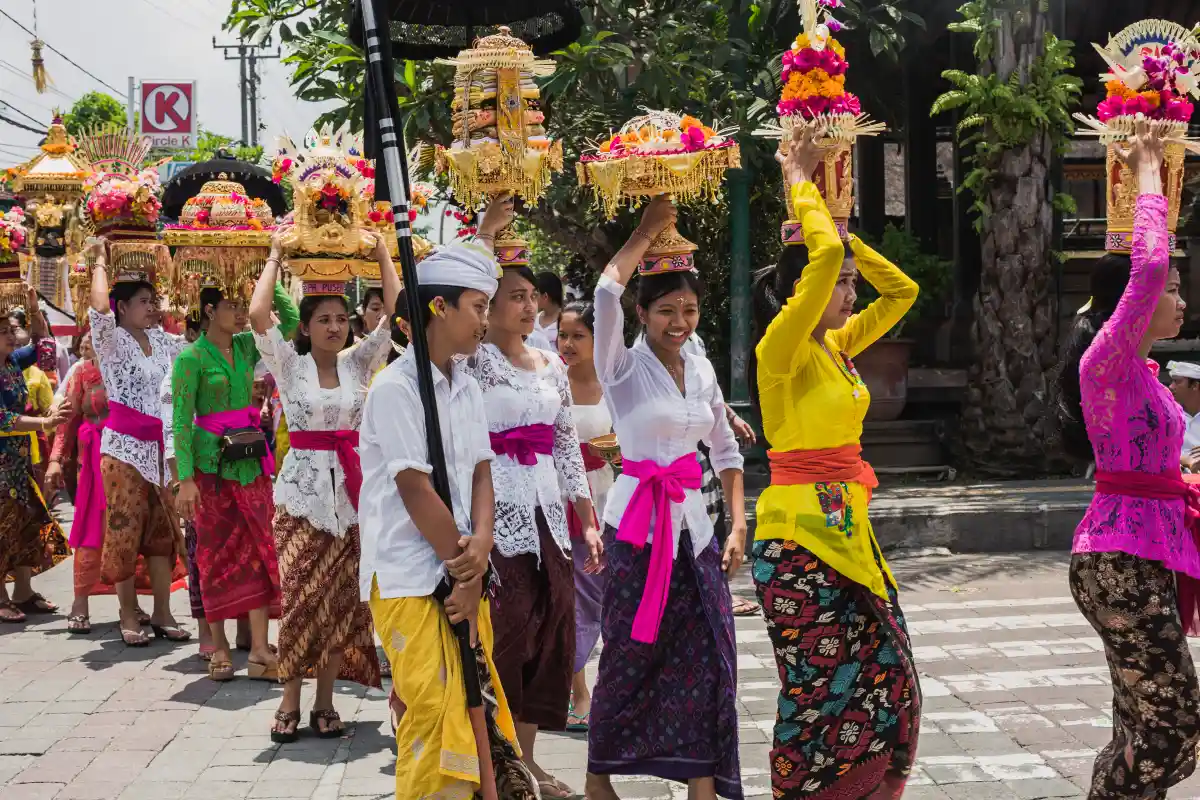
Throughout the year, thousands of Balinese Hindus travel here to pray and participate in temple festivals. On clear mornings, the Besakih Temple Mount Agung view offers a powerful reminder that Bali’s spiritual traditions remain closely connected to its natural environment.
Climbing a Sacred Mountain
For hikers, reaching the summit of Mount Agung is a physical challenge. The Mount Agung difficulty level is considered strenuous, with steep volcanic terrain, changing weather, and long overnight climbs requiring good fitness and preparation. But unlike many mountains around the world, climbing Mount Agung also carries cultural responsibility.
Local communities ask visitors to remember that the trail passes through a sacred landscape. This means respecting local customs, behaving quietly, and understanding that the mountain remains an active place of worship, not simply an outdoor attraction. Approaching the climb with this mindset creates a more meaningful experience for both visitors and local communities.
Read also: The Importance of Mountains in Hindu Bali: Spiritual Meaning and Everyday Traditions
When the Mountain Closes
One of the questions visitors often ask is why Mount Agung occasionally closes to trekkers. The reason is not weather, but religion. During important ceremonies known as Karya, the mountain is closed so that local communities can carry out prayers and rituals without interruption. These ceremonies may involve thousands of worshippers and reflect the deep spiritual relationship between the Balinese people and Mount Agung.
Respecting these temporary closures is an important part of hiking Mount Agung responsibly. Before planning your trek, always check with local authorities or your guide to confirm that the mountain is open.
Why Local Guides Matter
Hiring a Mount Agung trekking guide local is often recommended for safety, but it also supports the communities that have lived around the mountain for generations. Local guides understand far more than the route to the summit. They know how weather changes across the mountain, how to navigate volcanic terrain safely, and how local customs influence access throughout the year.
Choosing village-based guides also means your visit directly supports the local economy, helping tourism benefits remain within mountain communities. If you’re planning an eco trekking Mount Agung experience, travelling with a local guide is one of the simplest ways to make your visit both safer and more meaningful.
Preparing for the Trek
If you’re planning Mount Agung sunrise trekking, preparation is essential. Before your climb:
- Wear hiking shoes with good grip.
- Bring warm layers, as temperatures near the summit can be surprisingly cold.
- Carry at least two litres of water and energy snacks.
- Pack a headlamp for the overnight ascent.
- Take all rubbish back down with you.
- Check whether a Mount Agung climbing permit or local registration is required through your guide.
Being well prepared not only improves safety but also helps protect the mountain’s fragile environment.
Learning Through Bali’s Sacred Landscapes
Mount Agung reminds us that some of Bali’s most remarkable places are valued not only for their beauty, but for the traditions and communities that continue to care for them. Understanding this relationship offers a deeper appreciation of the island and encourages a more respectful approach to travel.
The story of Mount Agung is best understood through the people who continue to live, worship, and care for its surrounding communities. Learning from these local perspectives offers insights that go far beyond what any guidebook or trek can provide. Bali Institute develops custom experiential learning programs that connect participants with Bali’s cultural practitioners, community leaders, and sacred landscapes through Teen Exploration, University Experience, Adult Learning Journeys, and Customized CSR Group Programs.