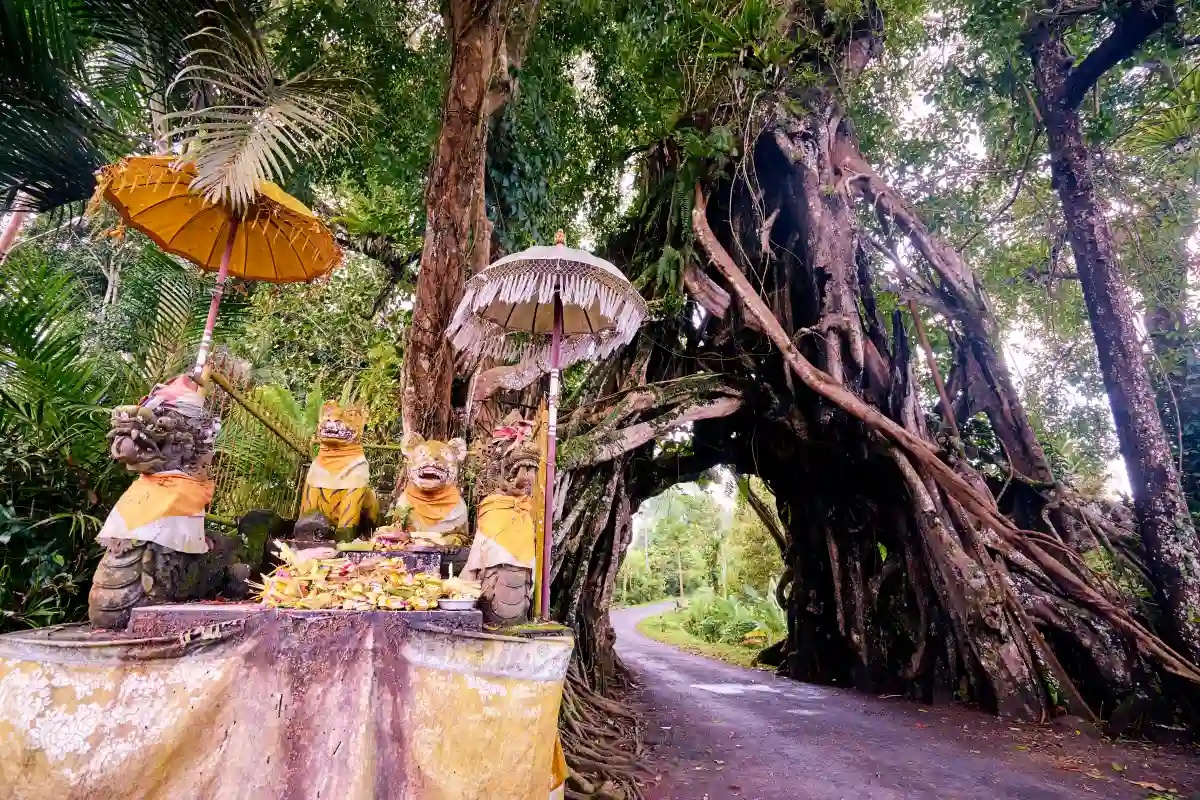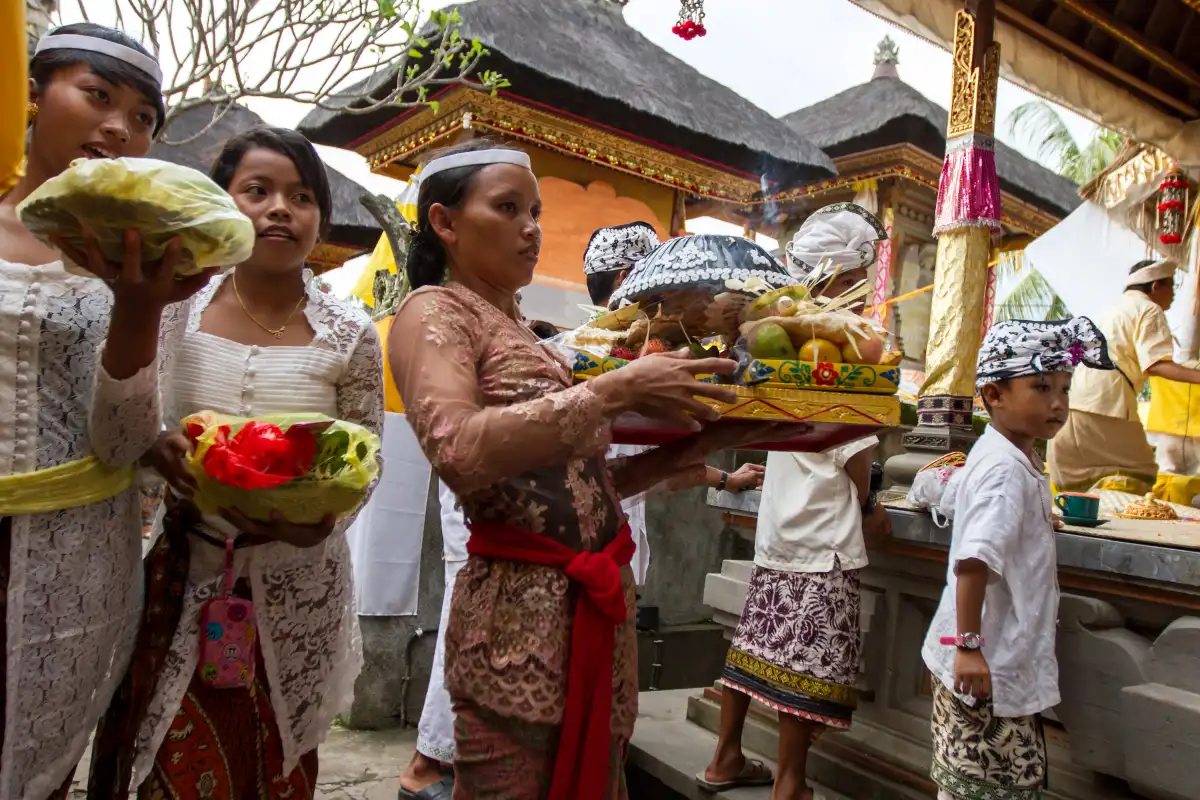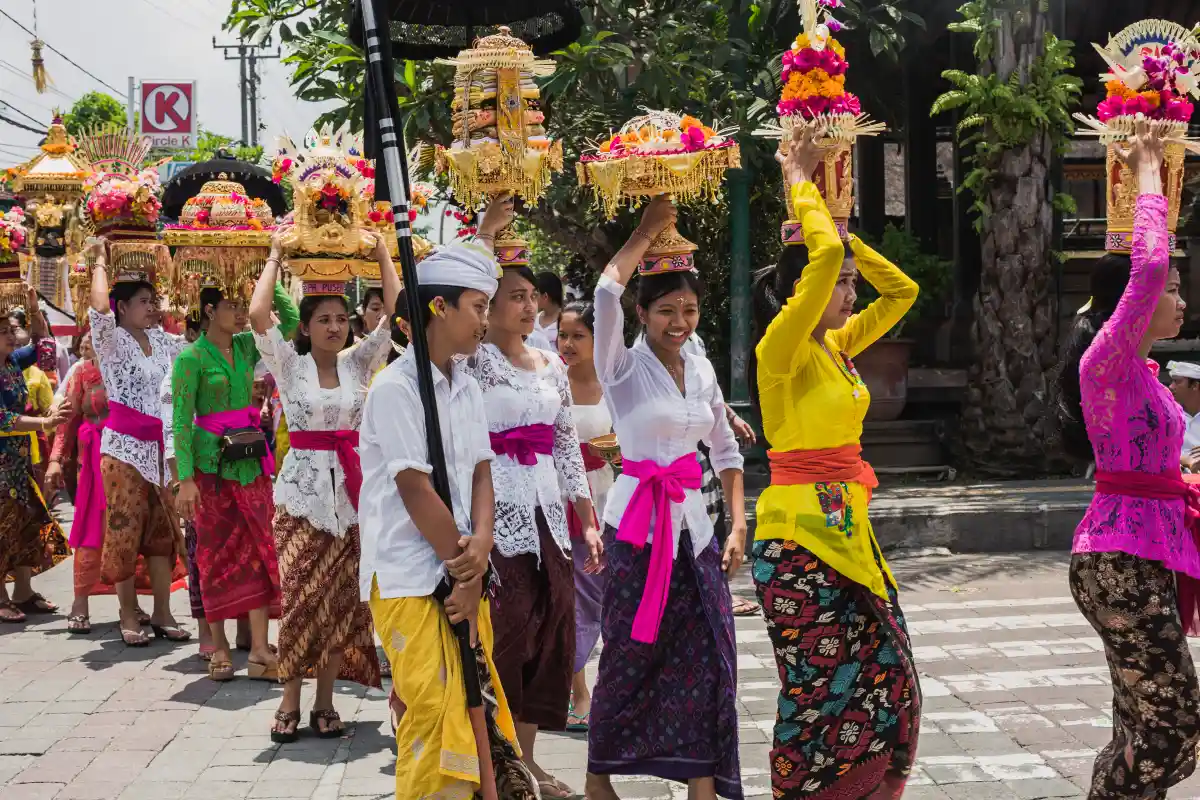
Ever wondered what gives Bali its unique spiritual vibes? Well, you’re in for a treat. Bali isn’t just a destination with beautiful beaches and lush landscapes; it’s a place where religion and culture blend beautifully, creating an atmosphere that’s nothing short of enchanting. Let’s dive into what makes Balinese Hinduism tick, why it’s such a defining part of Bali, and how it differs from what you might think of as “traditional” Hinduism.
What is the Religion of Bali?
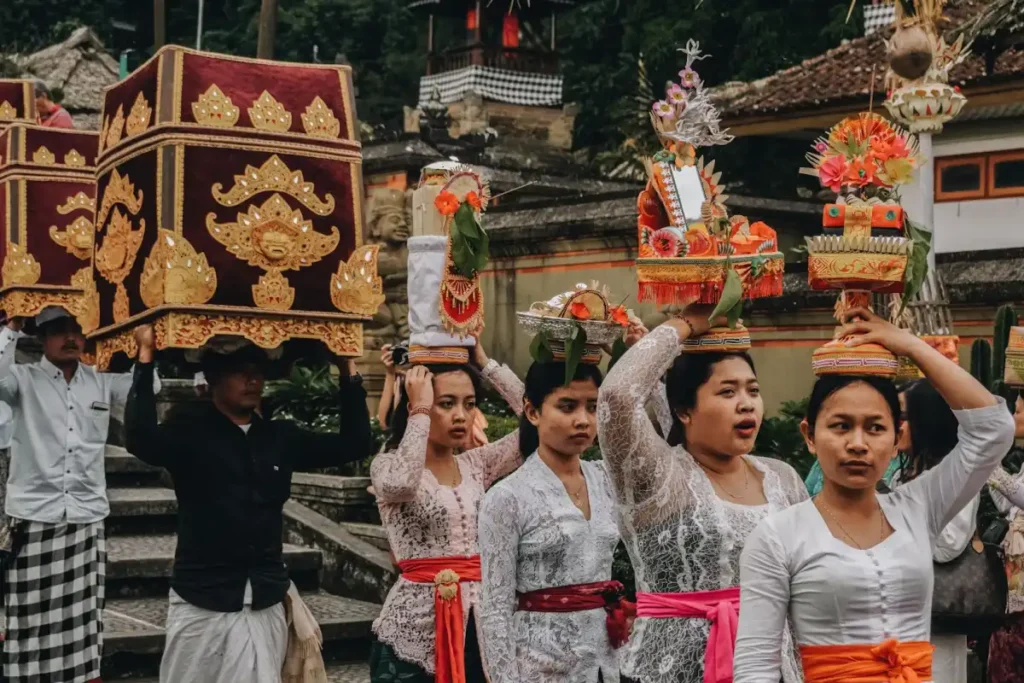
First things first. If you’ve been to Bali or are planning to visit, you’ll quickly realize that the island’s heart beats with Hinduism. But it’s not your run-of-the-mill Hinduism you might be familiar with from India. Balinese Hinduism, or Agama Hindu Dharma as the locals call it, is a unique spiritual cocktail, rich with indigenous island traditions—quite distinct yet undeniably captivating.
An Overview of Balinese Hinduism
So, what’s the scoop on Balinese Hinduism? Picture this: a harmonious mix of Hindu spiritual beliefs and ancient Javanese traditions, all wrapped in the local customs of Bali. Flames of incense are forever fresh at one of the thousands of temples scattered across the island, where daily rituals are as routine as your morning coffee.
What’s fascinating here is its focus on balance. Spirituality isn’t just about the divine; it’s about harmonizing with nature and the community. The Tri Hita Karana philosophy underscores this balance—essentially promoting harmony between humanity, nature, and the gods.
Read also : 9 Things You Need to Know Before Traveling to Bali
What Makes Balinese Hinduism Different?
You might be wondering, how’s this different from what we often hear of traditional Hinduism from India? It’s a great question! Unlike the more scripture-heavy Indian Hinduism, Balinese Hinduism leans heavily on rituals. The ceremonies are colorful and vibrant, deeply rooted in the island’s own myths and legends. Deities here aren’t just the big names like Vishnu or Shiva; locals also worship a whole pantheon influenced by ancestral spirits.
There’s also the integration with regional animism that makes Balinese Hinduism stand apart. It’s less about grand temples and more about the interconnectedness of life—practically everything is infused with spirituality.
Why Balinese Hinduism and Culture Can’t Be Separated
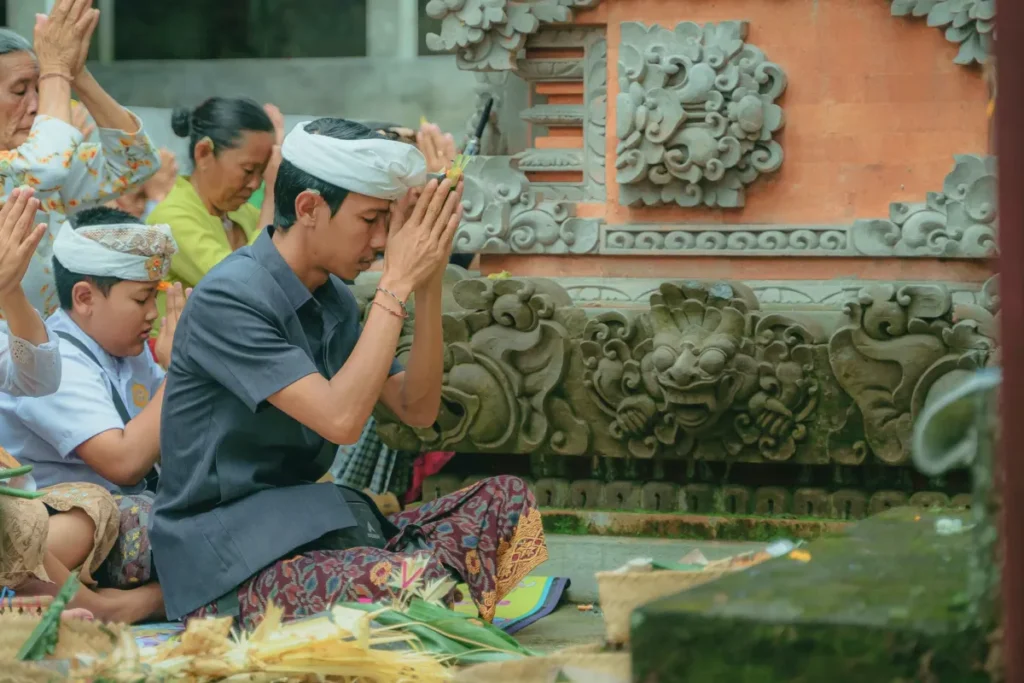
Honestly, trying to separate Balinese religion from culture is like trying to separate the island from the sea. They’re tied in artistic and spiritual harmony. When you see a gamelan orchestra or marvel at a Balinese dance performance, you’re witnessing a religious experience. Art here isn’t just for show. It’s a form of worship and an expression of communal identity. The temples serve as centers for both spiritual life and cultural gatherings.
Traditional Religious Holidays and Festivals
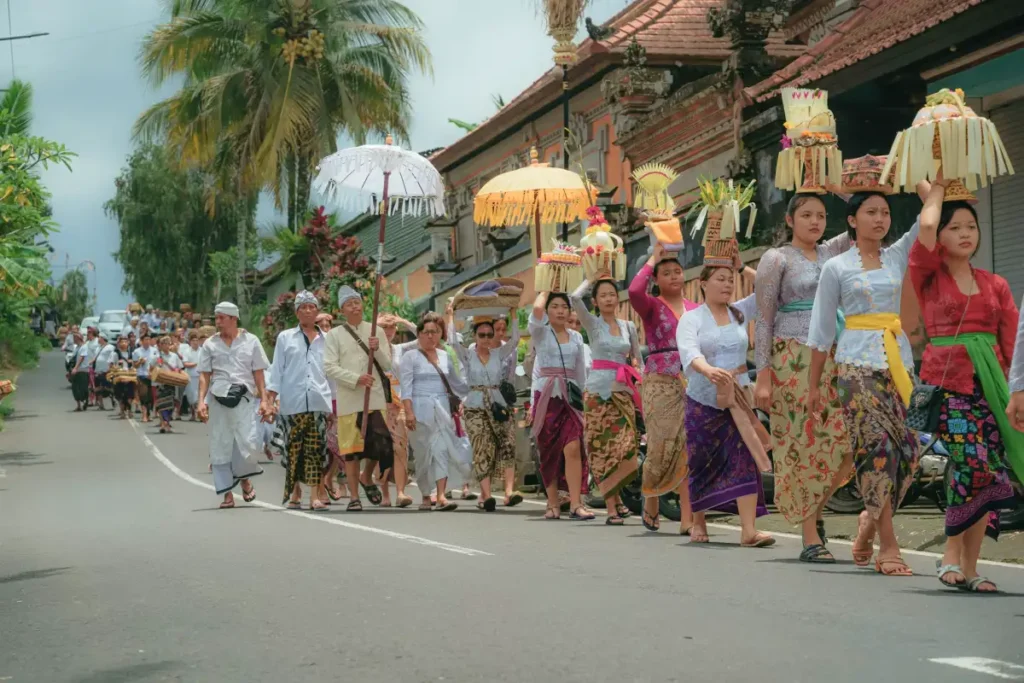
Bali knows how to celebrate. Seriously, the religious holidays and festivals are something to behold. Here are some of the most notable religious holidays and festivals in bali
Nyepi: The Day of Silence
Nyepi, celebrated as the Balinese New Year, is truly unique in its observance, falling around March in accordance with the Saka calendar. Picture this: the entire island of Bali comes to a halt—shops close, flights and cars cease operations, and a serene quiet blankets the land. It’s a day dedicated to silence, introspection, and self-restraint, practiced through fasting and meditation. Locals and tourists alike embrace this day of reflection, and it’s not uncommon to hear how this “quiet day” feels like a spiritual reset for the whole island.
What’s particularly fascinating is the stark contrast just before Nyepi, when the island is alive with colorful parades of the ogoh-ogoh—large, intricate demon statues crafted to represent negative elements in life. These are paraded triumphantly through the streets and ceremoniously burned to drive away evil spirits. The day after Nyepi, known as “Ngembak Geni,” marks a time for visiting friends and family, much like hitting ‘play’ after the pause, everyone feeling mentally refreshed and spiritually cleansed.
Galungan: The Celebration of Good Over Evil
Galungan is a truly festive affair, observed every 210 days as per the Balinese Pawukon calendar. Picture the streets vividly decorated with penjor—graceful bamboo poles adorned with offerings, arching elegantly over roads and pathways, symbolic of prosperity and gratitude. Galungan commemorates the victory of dharma (virtue) over adharma (vice), a celebration of goodness and righteousness. During this time, it’s believed that ancestral spirits visit the earth, so families go all-out, preparing elaborate offerings and ceremonies to honor them.
Everyone dresses in vibrant traditional attire, and there’s a palpable sense of joy mixed with spirituality. Temples become gathering spots for dance, prayer, and music, reinforcing community bonds. While Galungan brings an air of jubilation, the core of the festival is profound gratitude and reflection. The island thrums with life and devotion, as the Balinese express their faith and thankfulness to the gods for their blessings and guidance.
Kuningan: The Closing Celebration
Kuningan wraps up the festivities of Galungan, taking place ten days later. It’s the graceful farewell to the ancestral spirits, ensuring they return contentedly to their realm. This occasion has a more subdued yet deeply meaningful vibe, focusing on gratitude and blessings received. Yellow rice, symbolizing prosperity and humility, is central to the offerings adorned with small, artistic symbols called ‘tamiang’ and ‘ampleh’ which signify protection and unity.
The day is less about spectacle and more about quieter, heartfelt ceremonies. Houses and temples see simple yet meaningful rituals that emphasize maintaining harmony and spiritual balance until the next festive cycle. Kuningan beautifully encapsulates the Balinese philosophy of living harmoniously with oneself, others, and the divine, bringing the celebrations to a fulfilling and introspective close.
So, when you’re in Bali, make sure to slow down and soak up not just the sun, but the rich tapestry of spirituality and culture. It’s a place where every dance step, every shadow puppet show, and every temple offering tells a story of harmony and devotion. There’s nowhere quite like it!
Read More : Galungan & Kuningan Celebration: Bali Major Cultural Festivals Explained
Dive Deep Into Bali & Its Culture With Bali Institute’s Unique Group Tour Program
So there you have it—a glimpse of Bali’s deeply rooted spirituality and cultural vibrancy. If you’re itching for a summer in Bali that’s a bit more special than your typical getaway, check out the Bali Institute’s Customizable group tour program.
If you’re a university student looking to blend excitement with learning, a corporate team in search of an impactful CSR initiative, or an adventurous bunch eager to explore Bali’s hidden gems, there’s something unique in store for you with the Bali Institute Program. Engage with local communities, learn from sustainability pioneers, and experience Bali’s natural wonders. Get ready for a trip that not only takes you to different places but transforms your perspective.