Not long ago, the Nusa Islands were known mostly to divers and nearby coastal communities. Today, Nusa Penida Island has become one of Bali’s most talked-about destinations, with its cliffs, manta rays, and turquoise bays circulating across social media feeds worldwide.
That popularity has changed everything. Tourism has brought new income and opportunities for local communities, but it has also reshaped daily life on the islands. Roads feel busier, waste management is stretched, and freshwater remains limited. What used to be quiet island living now sits at the intersection of growth and pressure.
The Nusa Islands are no longer just a scenic escape. They are a real example of what happens when a fragile island ecosystem meets rapid tourism growth, and how important it is to travel with awareness.
Three Islands, One Connected Ocean
Nusa Penida Island, Nusa Lembongan, and Nusa Ceningan are often treated as separate stops, but they actually form one connected coastal ecosystem within the Nusa Penida region.
Each island has its own character, yet all three are shaped by the same waters and the same marine environment.
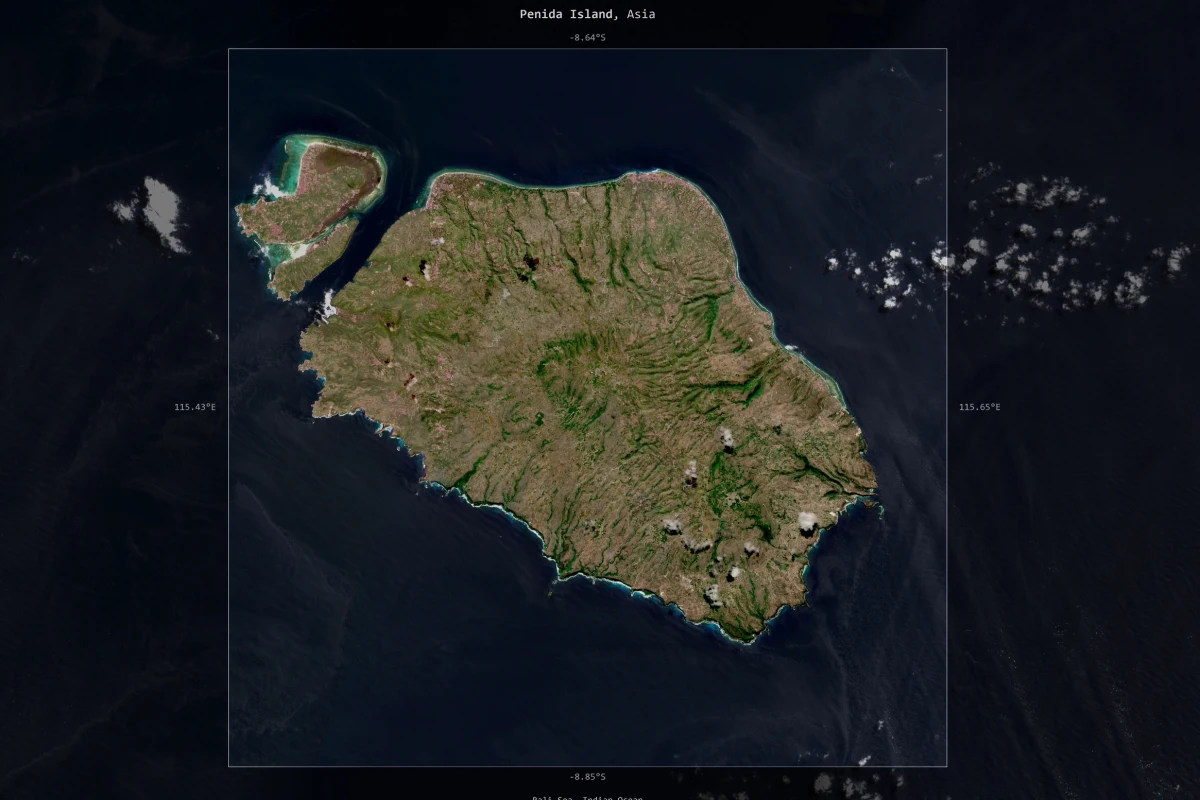
Nusa Penida
The largest and most dramatic of the three, Nusa Penida is known for its towering limestone cliffs, rugged coastline, and iconic viewpoints like Kelingking Beach. It feels raw and less developed compared to its neighbours, with landscapes that stretch from steep coastal drops to hidden coves and sacred natural sites. It’s also a key gateway for marine encounters like manta rays and seasonal sightings of mola mola.
Nusa Lembongan
Smaller and more settled, Nusa Lembongan has a noticeably slower rhythm. The island is shaped by mangrove forests, seaweed farming traditions, and a long history of community based tourism. Villages are closely tied to the coast, and daily life still reflects a balance between ocean livelihoods and growing visitor activity.
Nusa Ceningan
The most intimate of the three, Nusa Ceningan is connected to Lembongan by the Yellow Bridge. It’s quieter, with narrow coastal roads, small family-run businesses, and viewpoints overlooking turquoise channels. The island feels more residential and low key, ideal for travellers looking to step away from busier routes.
What ties all three islands together is not just geography, but the ocean beneath them. All sit within the Nusa Penida Marine Protected Area (MPA), a conservation zone spanning more than 20,000 hectares. This shared marine environment connects coral reefs, seagrass beds, and mangrove systems that support manta rays, sea turtles, reef fish, and seasonal visitors like the ocean sunfish (mola mola), while also sustaining local fishing communities and island livelihoods.
Read also: Bali Islands Guide: Culture, Nature, and Responsible Travel Across Bali’s Island Destinations
The Beauty and the Pressure of Growth
It’s easy to understand why the Nusa Islands have become one of Bali’s most popular destinations. The dramatic cliffs of Nusa Penida Island, the clear waters surrounding Nusa Lembongan and Nusa Ceningan, and the chance to encounter marine wildlife attract thousands of visitors every day.
Tourism has brought new opportunities for many local families. Guesthouses, cafes, transport services, and guiding businesses have grown alongside the increasing number of visitors, creating new sources of income across the islands.
At the same time, the pace of growth has created new challenges. Unlike mainland Bali, the Nusa Islands have limited freshwater, smaller road networks, and infrastructure that was originally built to support local communities rather than large numbers of visitors. During busy periods, popular attractions can become crowded, while the growing demand for accommodation and transport places additional pressure on the islands’ natural resources.
These realities don’t mean travellers should avoid visiting. Instead, the traveller should become more thoughtful.
Choosing to stay a little longer, supporting locally owned accommodation, carrying a reusable bottle, and avoiding the busiest hours at popular attractions are small decisions that help reduce pressure while allowing visitors to experience the islands at a slower pace.
Swimming with Manta Rays, With Care
At Manta Point in Nusa Penida, seeing manta rays is one of the experiences that draws people here. It’s often described as a highlight of Nusa Penida manta ray snorkeling, but what many visitors don’t realise is that this is part of the animals’ daily routine, not a performance.
The reef manta rays visit these waters because they’re home to natural cleaning stations. Small reef fish remove parasites from their bodies while the mantas glide slowly through the water. It’s a behaviour they’ve repeated long before tourism arrived. Because of that, respectful wildlife encounters depend on keeping the environment as undisturbed as possible.
Choosing an operator that follows marine park guidelines is one of the simplest ways to help. Responsible operators generally:
- Limit the number of boats around the site.
- Keep a safe distance from cleaning stations.
- Brief guests before entering the water.
- Follow guidelines set by the Nusa Penida Marine Protected Area.
Once you’re in the water, the same principle applies.
- Enter calmly and avoid sudden movements.
- Keep a respectful distance.
- Never chase, touch, or block a manta ray’s path.
- Allow the animals to move freely.
- Follow your guide throughout the experience.
The best encounters usually happen when people are patient. Rather than swimming after the mantas, you’re simply sharing the water while they continue their natural behaviour.
Read also: Bali Animal Conservation Guide: Sanctuaries, Wildlife Projects, and Ethical Tourism
Looking After the Reef
The waters surrounding the Nusa Islands are home to coral reefs, seagrass meadows, mangrove forests, sea turtles, reef fish, and seasonal visitors like the mola mola. Together, these habitats form one of Bali’s most important marine ecosystems.
Coral reefs may look like rock, but they’re living organisms that grow slowly over many years. Even accidental contact from fins, hands, or boat anchors can cause damage that takes decades to recover.
Whether you’re snorkeling or exploring Nusa Penida diving sites, here is a few simple habits help protect the reef:
- Use reef-safe sunscreen whenever possible.
- Avoid touching or standing on coral.
- Don’t feed marine animals.
- Leave shells and coral where you find them.
- Keep a comfortable distance from wildlife.
These actions don’t change the experience. They simply help ensure the reef remains healthy for the wildlife that depends on it and for future visitors.
Read also: Menjangan Island Travel Guide: Snorkeling, Diving, and How to Get There
Supporting Island Communities
The Nusa Islands are more than their beaches and viewpoints. They’re home to communities that have lived alongside the ocean for generations. In many parts of Nusa Lembongan and Nusa Ceningan, fishing, seaweed farming, and small family run businesses continue to play an important role in everyday life.
Tourism has created new opportunities, but many local livelihoods still depend on visitors choosing to support businesses rooted in the community. One way to do this is by making simple choices throughout your trip:
- Stay in locally owned guesthouses or homestays.
- Eat at family run warungs and cafés.
- Hire local guides who know the islands well.
- Choose eco friendly Nusa Penida tours that work closely with local communities.
Respect also means recognising that these islands are living communities. Temples remain active places of worship, ceremonies continue throughout the year, and daily offerings are part of everyday life. Observing respectfully and asking permission before photographing ceremonies helps visitors engage with local culture in a thoughtful way.
Explore the Nusa Islands Through Purposeful Learning
Nusa Islands offer an engaging setting for experiential learning. Beyond snorkeling and sightseeing, participants can gain firsthand insight into how local communities, conservation initiatives, and tourism work together to protect one of Bali’s most important marine ecosystems. The Nusa Islands offer more than memorable landscapes and marine adventures. They invite visitors to understand how conservation, tourism, and local livelihoods are closely connected, and how small choices can shape the future of these islands.
At Bali Institute, we design custom experiential learning programs that move beyond standard island tours. From Teen Exploration and University Experience to Adult Learning Journeys and Customized CSR Group Programs, every itinerary is tailored to your group’s learning goals, creating opportunities to learn directly from local communities, conservation practitioners, and the people working to protect Bali’s coastal environments.
If you’re planning an educational journey to Bali, we’d love to help you create a program that inspires curiosity, encourages meaningful connections, and leaves a lasting impact long after the journey ends.