When people think of Bali, they often picture rice terraces, temples, and the beaches of the mainland. But beyond the island lies a collection of smaller islands, each offering its own landscapes, traditions, and way of life.
The Bali islands include the three Nusa Islands off Bali’s southeast coast and Menjangan Island in the northwest. Although they are all part of Bali Province, each destination has developed its own identity. Some are known for dramatic coastal scenery and marine biodiversity, while others are recognised for their quiet villages, conservation efforts, and slower pace of life.
For travellers looking to explore beyond Bali’s busiest destinations, these islands offer the opportunity to experience the island from a different perspective while supporting local communities and travelling more responsibly.
Where Is Bali Island in the Indonesian Archipelago?
For many international visitors, Bali is often seen as a destination on its own. In reality, it is one of more than 17,000 islands that make up Indonesia and is surrounded by several smaller islands that are easily reached by boat.
To the southeast are Nusa Penida, Nusa Lembongan, and Nusa Ceningan, connected by regular fast boats from Sanur. On Bali’s western coast lies Menjangan Island, located within West Bali National Park and accessible by a short boat ride from the mainland.
Although these islands are close in distance, each offers a unique combination of culture, nature, and local traditions.
Read also: Where Bali is Located: A Guide to Reach Indonesia’s Tropical Paradise
Discovering Bali’s Island Destinations
Nusa Penida Island
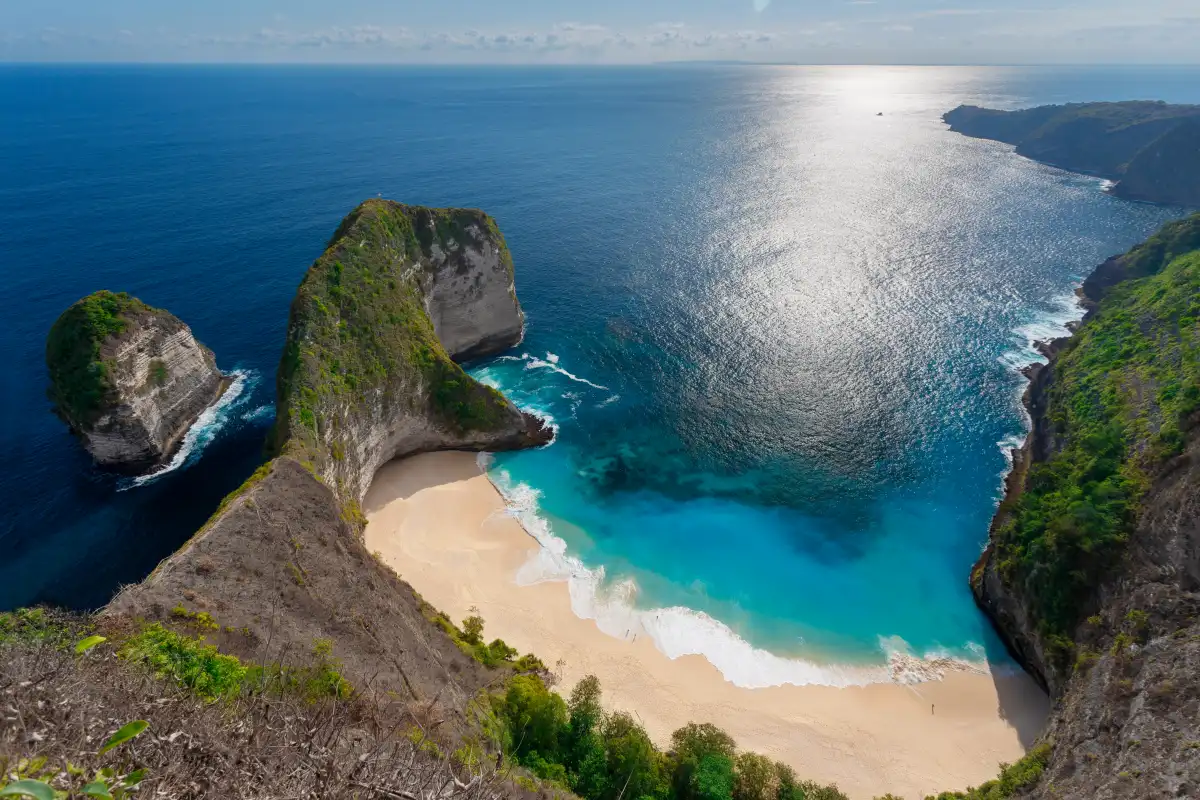
Among Bali’s surrounding islands, Nusa Penida Island is the largest and most visited. Towering limestone cliffs, secluded beaches, and crystal-clear waters have made it one of Bali’s most popular day-trip destinations.
Beyond its dramatic scenery, the island is home to traditional villages, seaweed farming communities, and important marine ecosystems. Its surrounding waters form part of a protected marine area where manta rays, sea turtles, and the endangered ocean sunfish (mola mola) can sometimes be seen.
As tourism continues to grow, visitors can support the island by choosing local guides, respecting cultural sites, and helping reduce pressure on the natural environment.
Nusa Lembongan Island
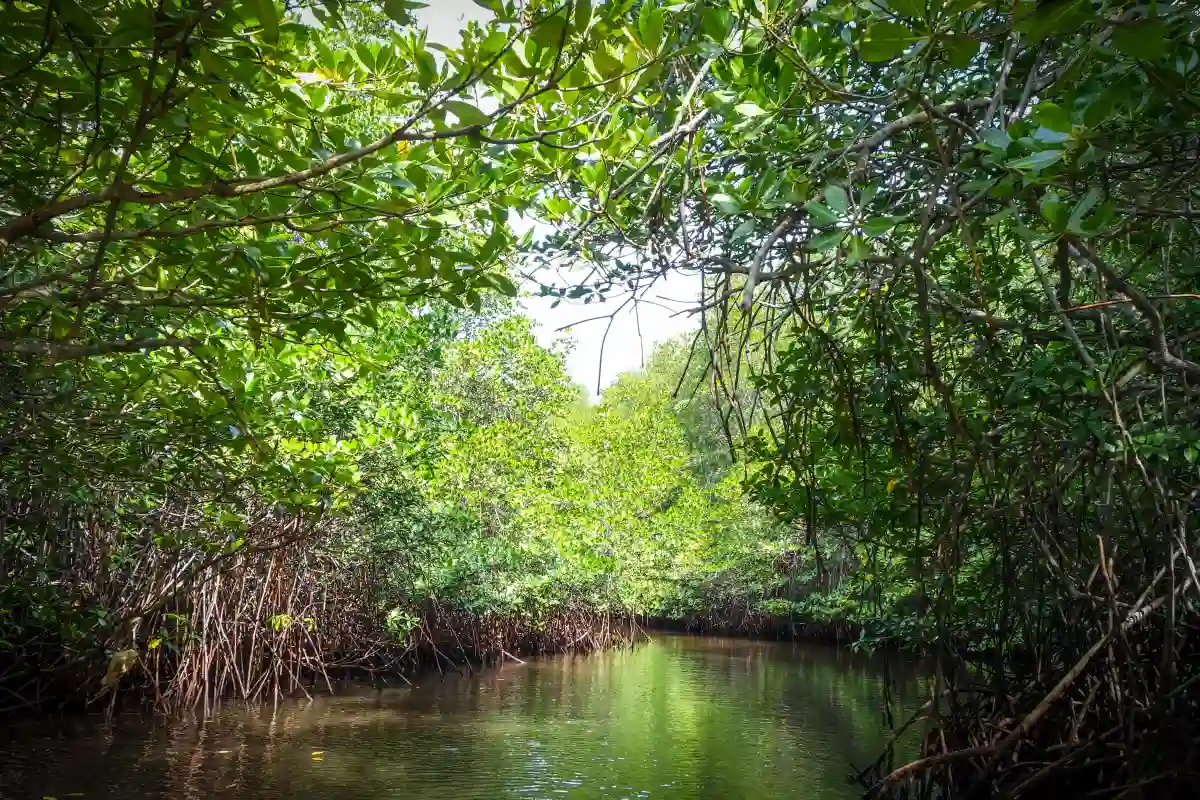
Just a short boat ride from Bali, Nusa Lembongan Island offers a slower pace of life. Long before tourism became established, the island’s economy relied heavily on seaweed farming, which remains an important source of income for many local families today.
Visitors can explore mangrove forests, snorkel along coral reefs, or simply enjoy the relaxed atmosphere while supporting locally owned cafés, guesthouses, and small businesses.
Nusa Ceningan Island
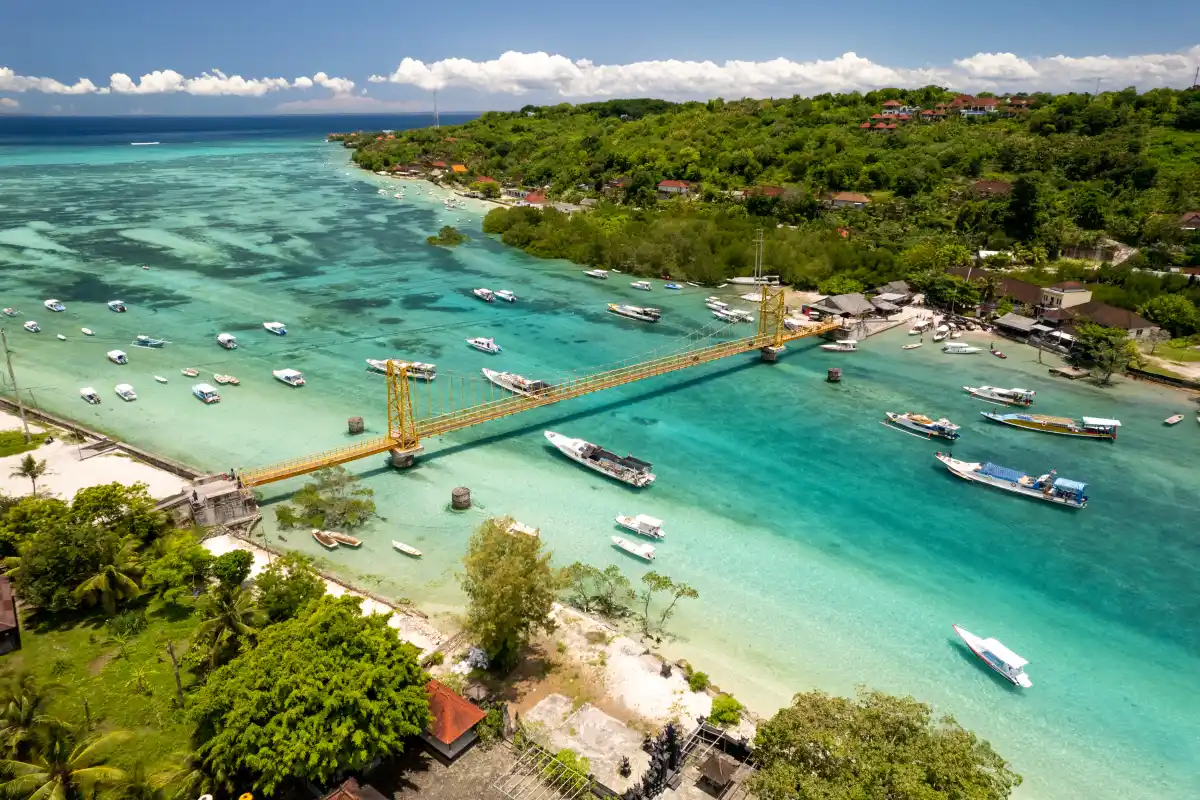
Connected to Nusa Lembongan by the iconic Yellow Bridge, Nusa Ceningan Island is the smallest of the three Nusa Islands.
Its quieter roads, coastal viewpoints, and small villages provide an alternative to the busier tourist areas nearby. Many visitors choose to explore by bicycle or scooter, stopping at locally owned cafés and enjoying the island’s peaceful surroundings.
Travelling slowly here not only creates a more enjoyable experience but also supports the small businesses that make up the island’s economy.
Menjangan Island
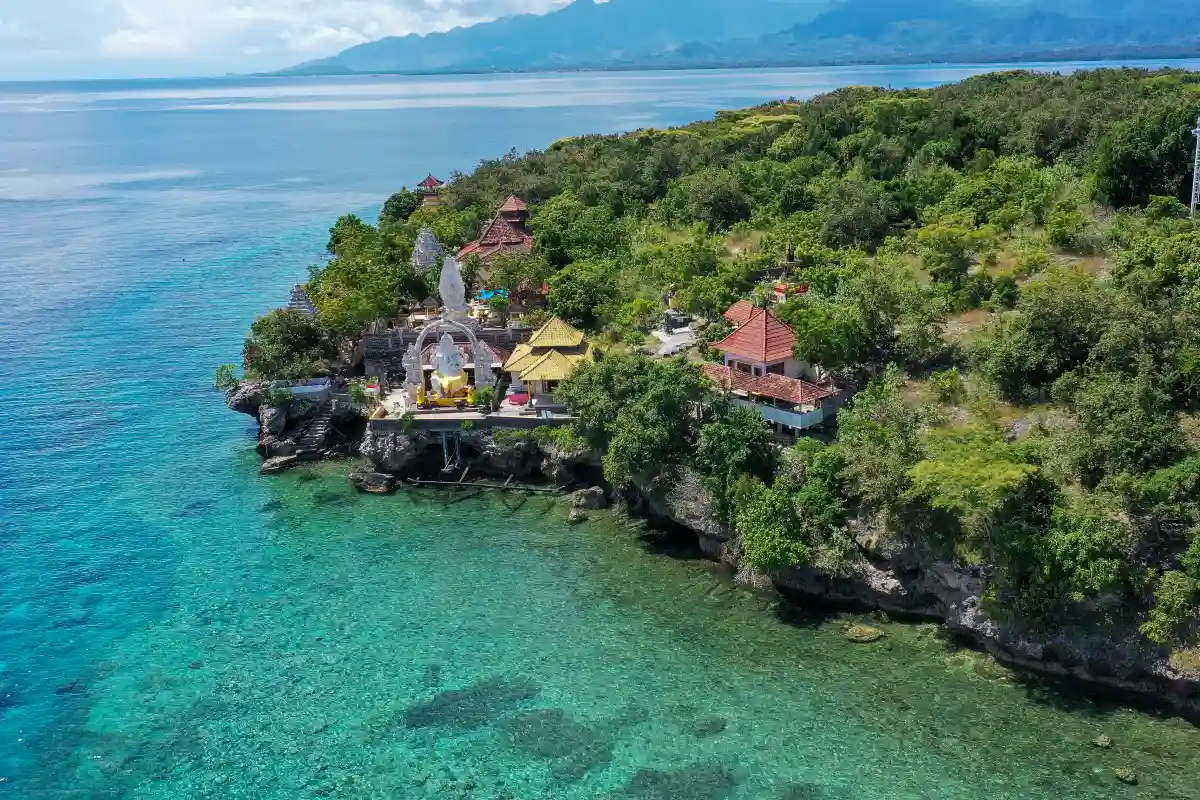
Unlike the Nusa Islands, Menjangan Island is largely undeveloped. Located within West Bali National Park, it is best known for its healthy coral reefs, calm waters, and diverse marine life.
The island takes its name from the Javan deer (menjangan) that regularly swim across from the mainland. Because it is part of a protected national park, visitor numbers and tourism development are carefully managed to help preserve its fragile ecosystems.
For those interested in marine conservation and biodiversity, Menjangan offers one of Bali’s best examples of responsible nature tourism.
Read also: Menjangan Island Travel Guide: Snorkeling, Diving, and How to Get There
Travelling Responsibly Across Bali’s Islands
Exploring Bali’s islands means experiencing some of the province’s most remarkable natural and cultural landscapes. From the marine biodiversity surrounding Nusa Penida Island to the protected waters of Menjangan Island, these destinations depend on healthy ecosystems and strong local communities. As tourism continues to grow, thoughtful travel choices can help preserve what makes each island unique.
Conserve Fresh Water
Although surrounded by the sea, many of Bali’s smaller islands have limited freshwater supplies. Communities often rely on rainfall, groundwater, or water transported from mainland Bali, especially during the dry season.
Visitors can help reduce pressure on these resources by taking shorter showers, reusing towels when possible, carrying a refillable water bottle, and avoiding unnecessary laundry. Small changes can make a meaningful difference for communities where access to fresh water remains a daily challenge.
Protect Marine Life
The waters around the Nusa Islands and Menjangan Island are home to vibrant coral reefs, sea turtles, manta rays, and countless marine species. Protecting these fragile ecosystems starts with responsible choices in and out of the water.
When diving or snorkelling, choose operators that follow recognised sustainability standards such as the Green Fins initiative. Use reef-safe sunscreen, avoid touching coral or marine animals, and never feed wildlife or collect shells and coral as souvenirs. Responsible marine tourism helps protect these ecosystems for local communities and future visitors alike.
Support Local Communities
Where you stay, eat, and shop can have a lasting impact on island communities. Choosing family-run guesthouses, locally owned homestays, neighbourhood restaurants, and community guides helps ensure that tourism benefits local families rather than leaving the islands.
Purchasing handmade crafts and locally produced goods also supports traditional livelihoods while helping preserve the unique character of each destination.
Travel with Respect
Every island has its own customs, sacred sites, and community traditions. Dressing appropriately when visiting temples, respecting ceremonies, staying on marked paths, and reducing single-use plastics are simple ways to travel more responsibly.
Respectful travel is about recognising that these islands are more than holiday destinations. They are home to communities whose culture, environment, and traditions deserve to be appreciated and protected.
Read also : Regenerative Travel in Bali: Meaningful Excursions That Give Back to the Island
Explore Bali’s Islands Through Experiential Learning
The islands surrounding Bali offer far more than beautiful beaches and coastal views. They provide opportunities to learn about marine conservation, community-based tourism, cultural heritage, and the environmental challenges facing small island communities. Exploring these destinations with local perspectives allows visitors to better understand the connections between people, nature, and sustainable development.
These themes are at the heart of Bali Institute’s custom experiential learning programs. Whether through a Teen Exploration, University Experience, Adult Learning Journey, or Customized CSR Group Program, each itinerary is designed around the group’s learning objectives and interests. By engaging with local communities, conservation initiatives, and cultural practitioners across Bali and its surrounding islands, participants gain meaningful insights while experiencing the destination in a more thoughtful and responsible way.