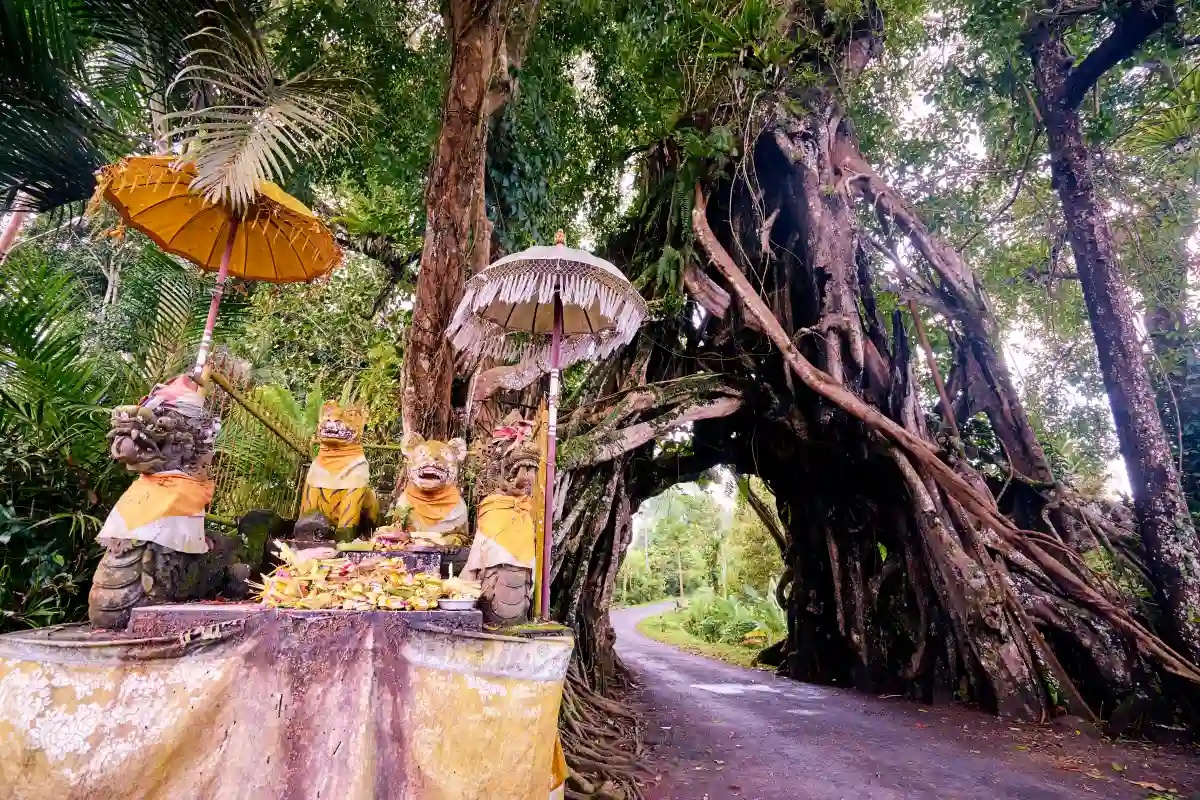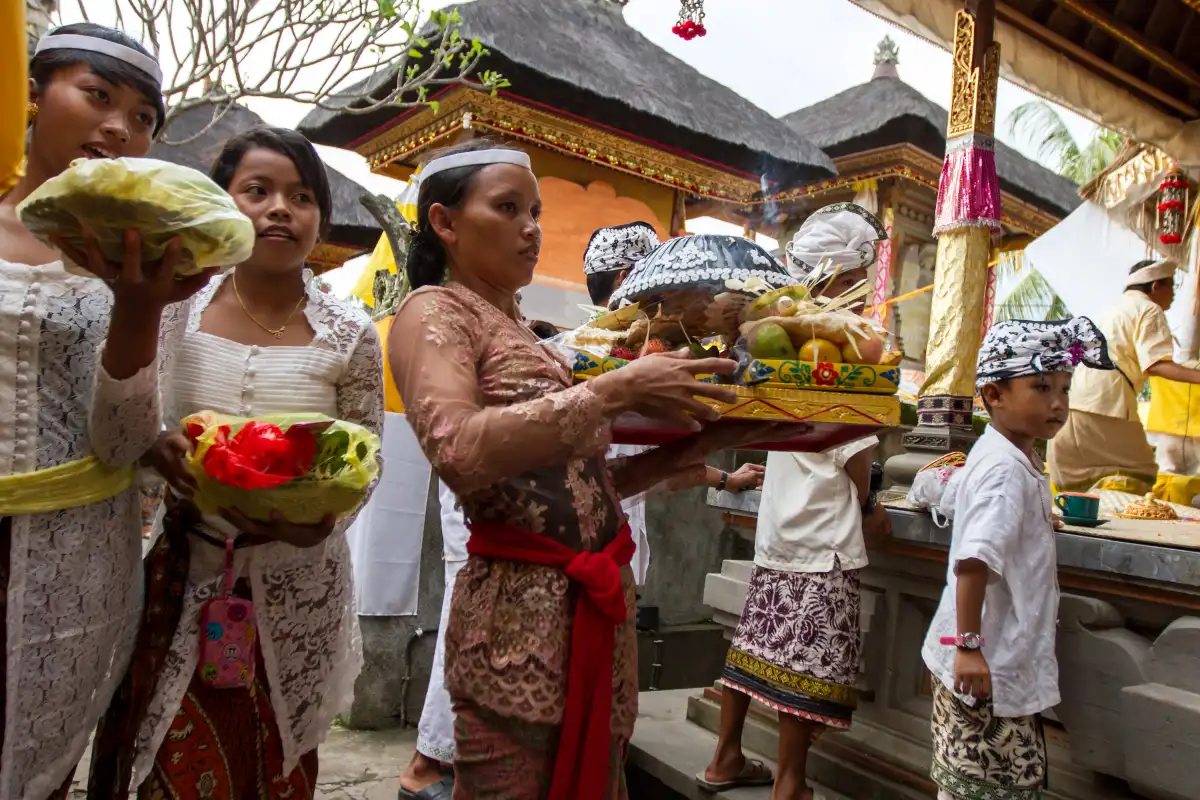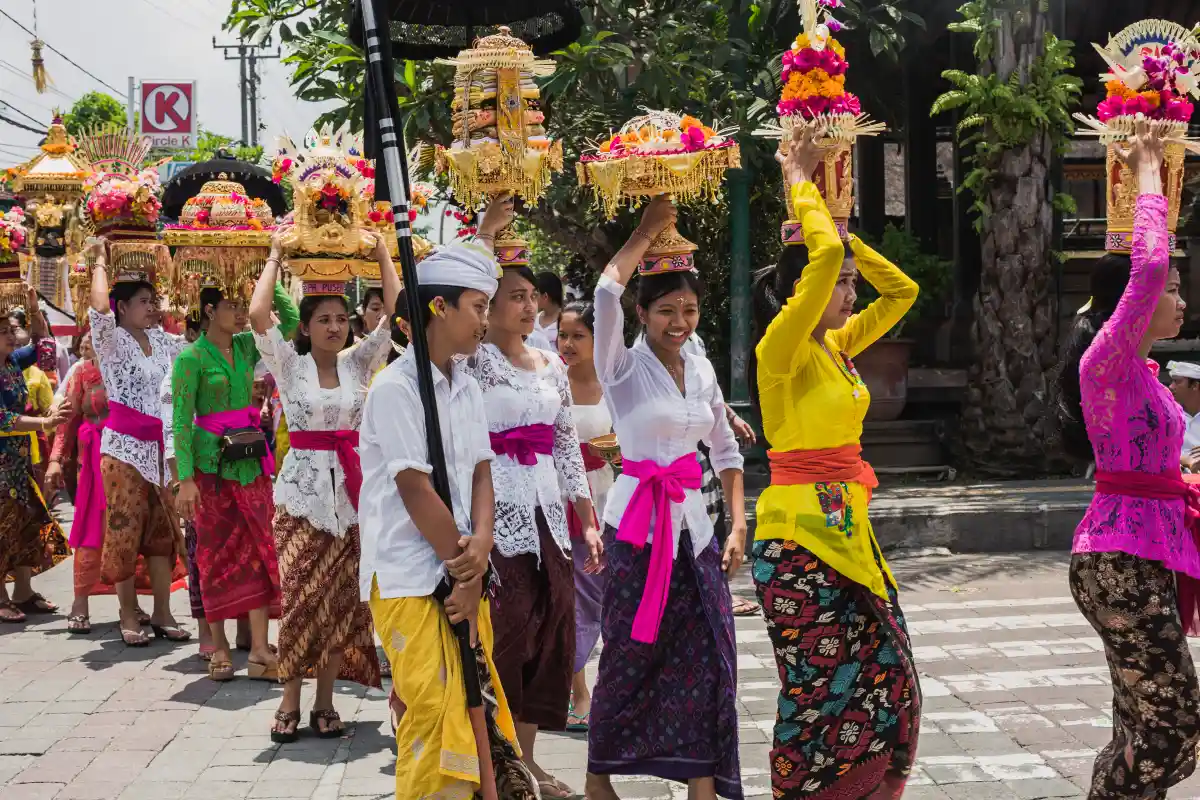
When people think of Bali Gianyar, Ubud is often the first place that comes to mind. Known for its art galleries, cafes, and rice terraces, Ubud has become one of Bali’s most visited destinations. Yet beyond its busy streets lies a quieter side of Gianyar, where traditional villages, ancient temples, local artisans, and peaceful landscapes offer a more authentic way to experience the island.
As interest in Gianyar eco tourism and regenerative travel continues to grow, more travellers are choosing to slow down and explore places that receive fewer visitors. This approach not only creates a richer travel experience but also helps spread the benefits of tourism to local communities while reducing pressure on Bali’s busiest attractions.
From archaeological sites and rice field walks to cooking classes and village workshops, Gianyar invites visitors to connect with the island’s culture through meaningful experiences rather than packed itineraries.
Why Slow Travel Matters in Gianyar
Travelling slowly is about spending more time understanding a place instead of simply checking attractions off a list. In Gianyar, this means taking time to learn from local communities, support family-owned businesses, and appreciate the cultural traditions that continue to shape daily life.
Choosing quieter destinations also supports a more balanced tourism economy. Rather than concentrating visitors in a few popular locations, slow travel encourages exploration across villages and heritage sites where tourism income directly benefits local guides, artisans, farmers, and small businesses.
This approach aligns closely with the principles of green travel in Gianyar, where tourism contributes to cultural preservation, environmental care, and community wellbeing.
Heritage Sites Worth Exploring Beyond Central Ubud
Gianyar is home to some of Bali’s most important archaeological and cultural landmarks. While many visitors focus on Ubud’s town centre, these historic sites offer a deeper understanding of the island’s history and spiritual traditions.
Goa Gajah
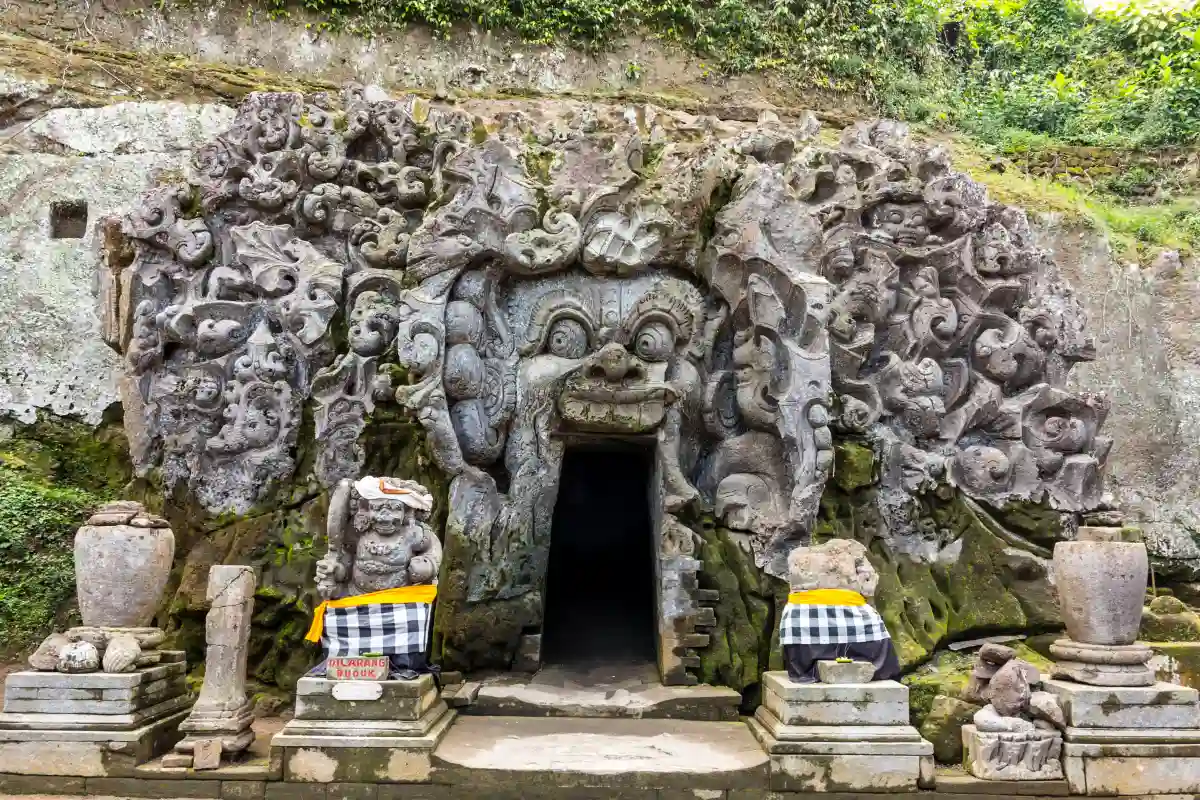
Often called the Elephant Cave, Goa Gajah dates back to the 9th century and served as a place for meditation and worship. The site reflects the coexistence of Hindu and Buddhist traditions, with its ancient cave, sacred bathing pools, and peaceful surroundings creating an atmosphere of quiet reflection.
Visiting Goa Gajah early in the morning allows travellers to experience the site before larger crowds arrive while supporting more respectful tourism practices.
Read also: Exploring Ubud Elephant Cave: History, Spiritual Meaning, and Responsible Travel
Gunung Kawi
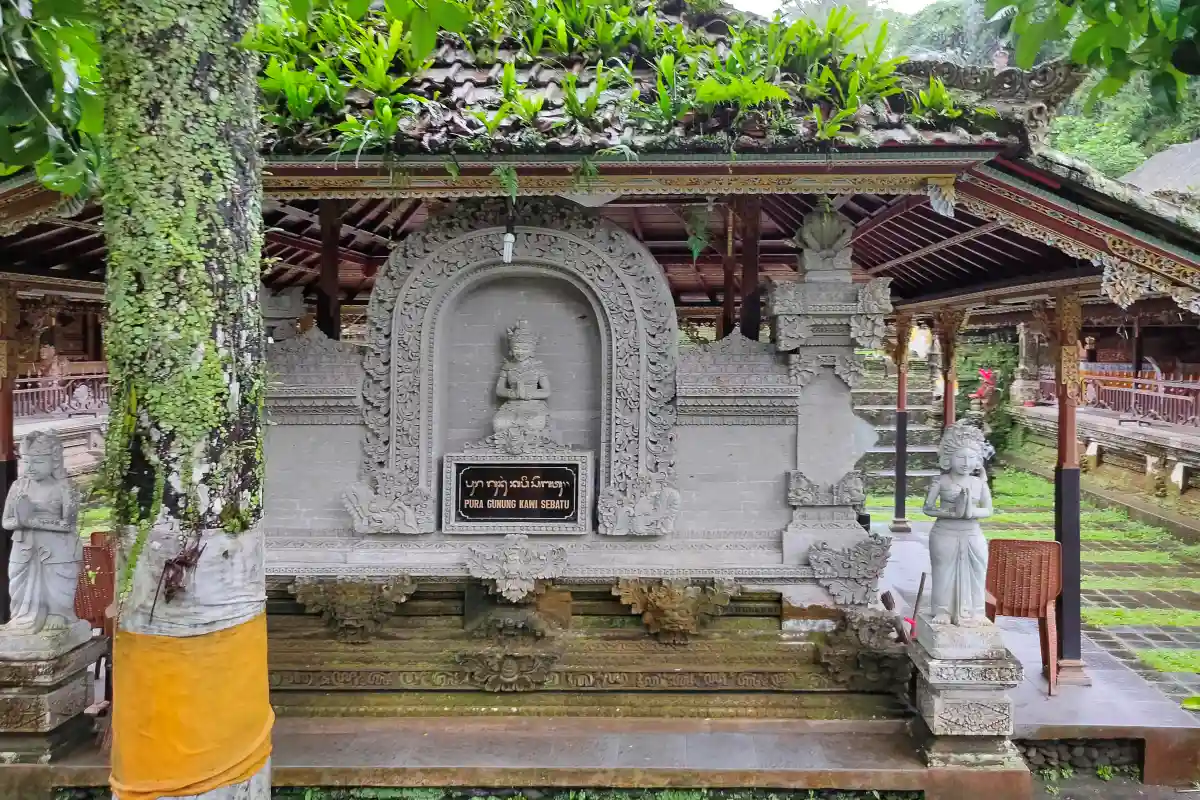
Nestled within a lush river valley, Gunung Kawi is one of Bali’s most impressive archaeological sites. Its towering rock cut shrines, carved directly into the cliffs, honour members of Bali’s ancient royal family and demonstrate remarkable craftsmanship dating back nearly a thousand years.
The walk down through rice terraces and forested pathways is part of the experience, offering visitors an opportunity to appreciate both Bali’s cultural heritage and natural beauty.
Read also: Gunung Kawi Balinese Temple Guide: History, Admission, Dress Code & Best Times to Visit
Yeh Pulu
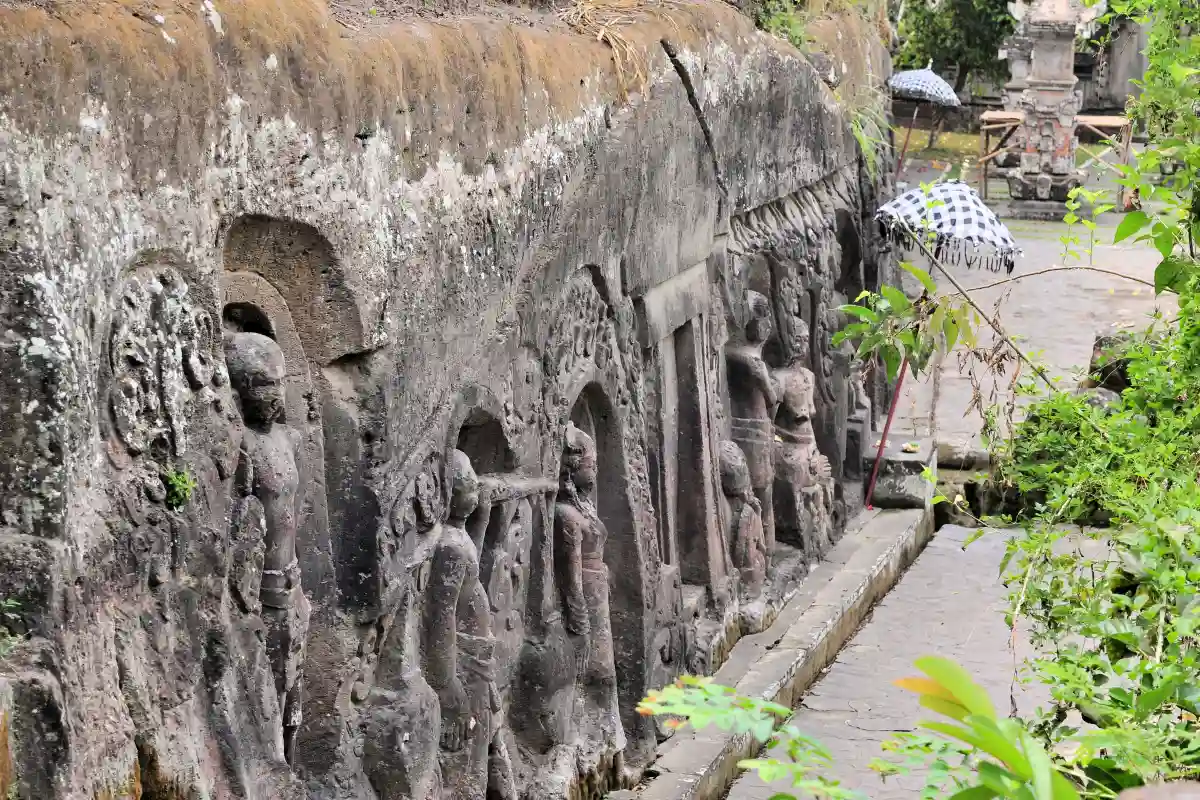
For those looking to escape the crowds, Yeh Pulu offers one of Gianyar’s hidden historical treasures. This archaeological site features an intricate stone relief stretching over 25 metres, depicting scenes of everyday life during ancient Balinese kingdoms.
Compared to more well-known attractions, Yeh Pulu receives fewer visitors, making it an ideal place for quiet exploration and thoughtful observation.
Discover Gianyar Through Local Experiences
Some of the most rewarding experiences in Gianyar happen outside its famous landmarks. Spending time with local communities offers a deeper appreciation of Balinese culture while directly supporting the people who preserve it.
Join a Traditional Cooking Class
Learning to prepare Balinese dishes introduces visitors to local ingredients, family recipes, and the cultural significance of food in everyday life and religious ceremonies. Many community based cooking classes begin with a visit to a traditional market before moving into family kitchens where participants cook alongside local hosts.
Read also: Discover Bali’s Sustainable Cooking Classes: Learn to Cook with Local, Eco-Friendly Ingredients
Visit Local Craft Communities
Gianyar has long been recognised as Bali’s artistic centre. Villages throughout the regency specialise in wood carving, silver jewellery, painting, weaving, and stone sculpture, with many workshops welcoming visitors.
Purchasing directly from artisans ensures that more of your spending supports local families while helping preserve traditional craftsmanship for future generations.
Walk Through Rice Fields and Villages
Taking a guided walk through Gianyar’s rice fields offers a slower perspective on rural Bali. Along the way, visitors can learn about the Subak irrigation system, local farming practices, and the relationship between agriculture, spirituality, and community life.
These walks often include opportunities to meet local farmers and gain insight into how traditional knowledge continues to support sustainable farming today.
Explore Traditional Markets
Local markets remain an important part of daily life across Gianyar. Fresh produce, handmade offerings, spices, textiles, and locally crafted goods provide a glimpse into the rhythms of the community while creating opportunities to support small businesses.
Shopping at local markets encourages more direct economic benefits than purchasing imported souvenirs from larger commercial stores.
Read also: Local Markets in Bali: What to Buy, Where to Go, and How to Shop Like a Local
Practising Regenerative Travel in Ubud and Gianyar
Responsible tourism goes beyond reducing negative impacts. Regenerative travel in Ubud and the wider Gianyar region encourages visitors to leave places in better condition by supporting local knowledge, protecting cultural heritage, and contributing positively to community wellbeing. Simple choices can make a meaningful difference.
- Choose locally owned accommodation, cafes, and businesses whenever possible.
- Participate in experiences led by community members.
- Respect cultural traditions and ask permission before photographing people during ceremonies or daily activities.
- Purchase handmade products directly from artisans instead of mass produced souvenirs.
- Allow time to learn from the places you visit rather than rushing between attractions.
When visitors engage thoughtfully, tourism becomes an exchange that benefits both guests and local communities.
Read also: A Sustainable Guide to Gianyar, Bali: Exploring Cultural Heritage Sites
Visiting Heritage Sites Responsibly
Whether visiting Goa Gajah, Gunung Kawi, or Yeh Pulu, respectful behaviour helps preserve these cultural treasures for future generations.
- Keep these guidelines in mind during your visit:
- Wear modest clothing and a sarong when entering temple areas.
- Stay on marked pathways to protect archaeological features and surrounding landscapes.
- Avoid touching ancient carvings or climbing on heritage structures.
- Keep noise levels low, particularly near places of worship.
- Hire certified local guides to gain deeper cultural insights while supporting community livelihoods.
These small actions help ensure that Gianyar’s heritage remains protected while creating a more meaningful experience for everyone.
Discover the Heart of Gianyar
Exploring Gianyar beyond the familiar highlights reveals a side of Bali shaped by living traditions, close knit communities, and landscapes that have supported local life for centuries. From sacred temples and quiet archaeological sites to village workshops and rice fields, every experience offers a chance to understand the island from a different perspective.
At Bali Institute, we believe that meaningful travel begins with learning. Through experiential learning programs, students and groups engage with Bali’s culture, heritage, and sustainability initiatives alongside local communities. By exploring destinations like Gianyar with curiosity and respect, participants develop a deeper understanding of responsible tourism while contributing to the preservation of Bali’s cultural and natural heritage.