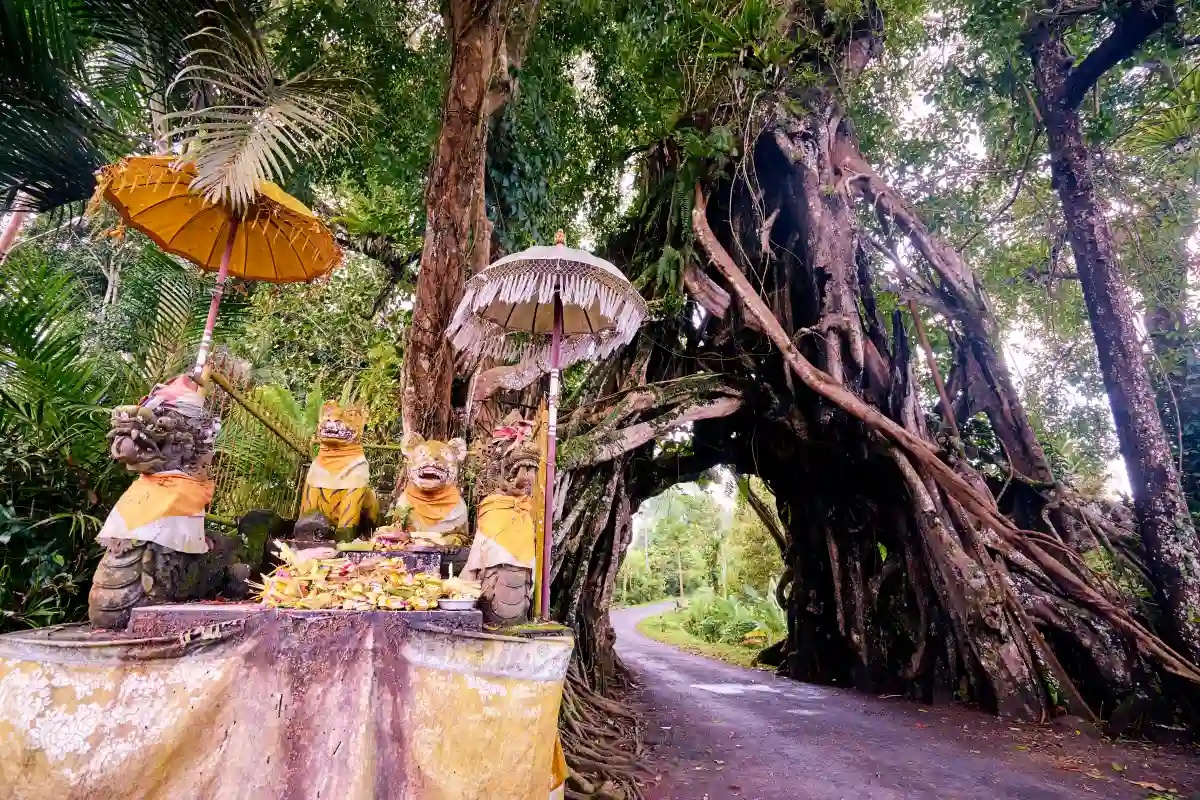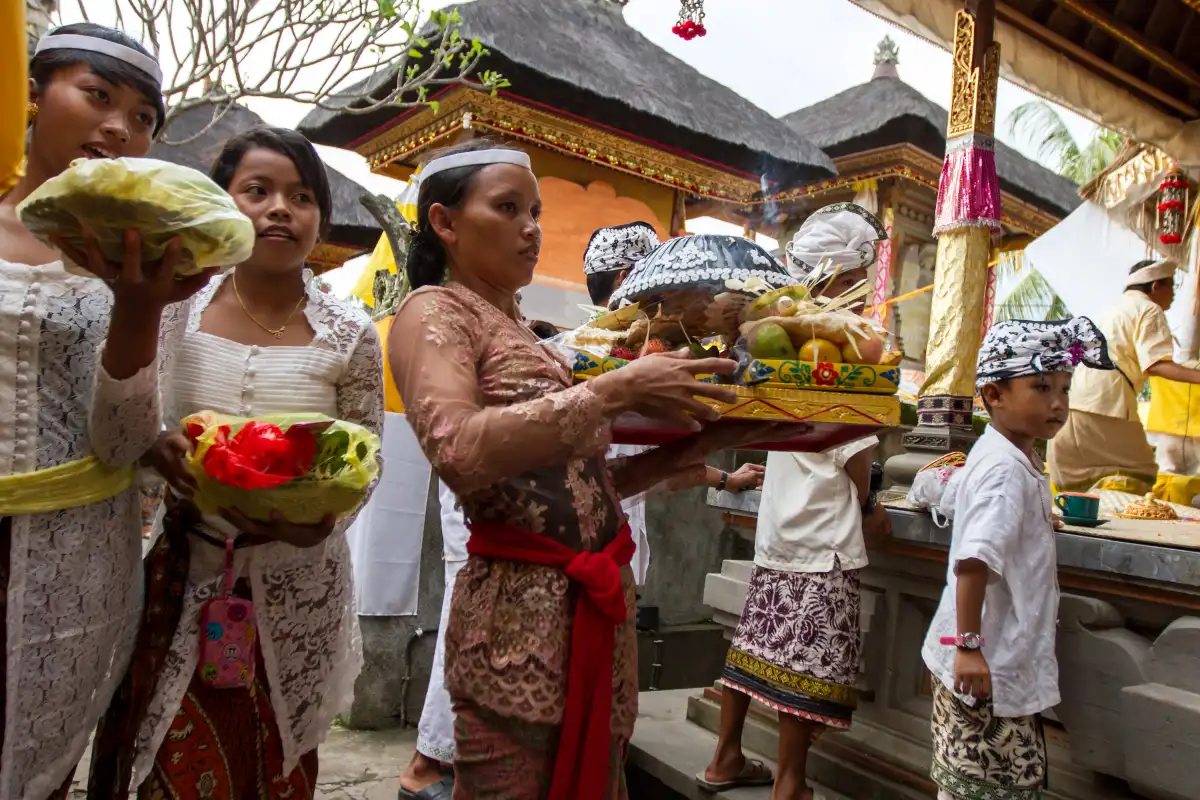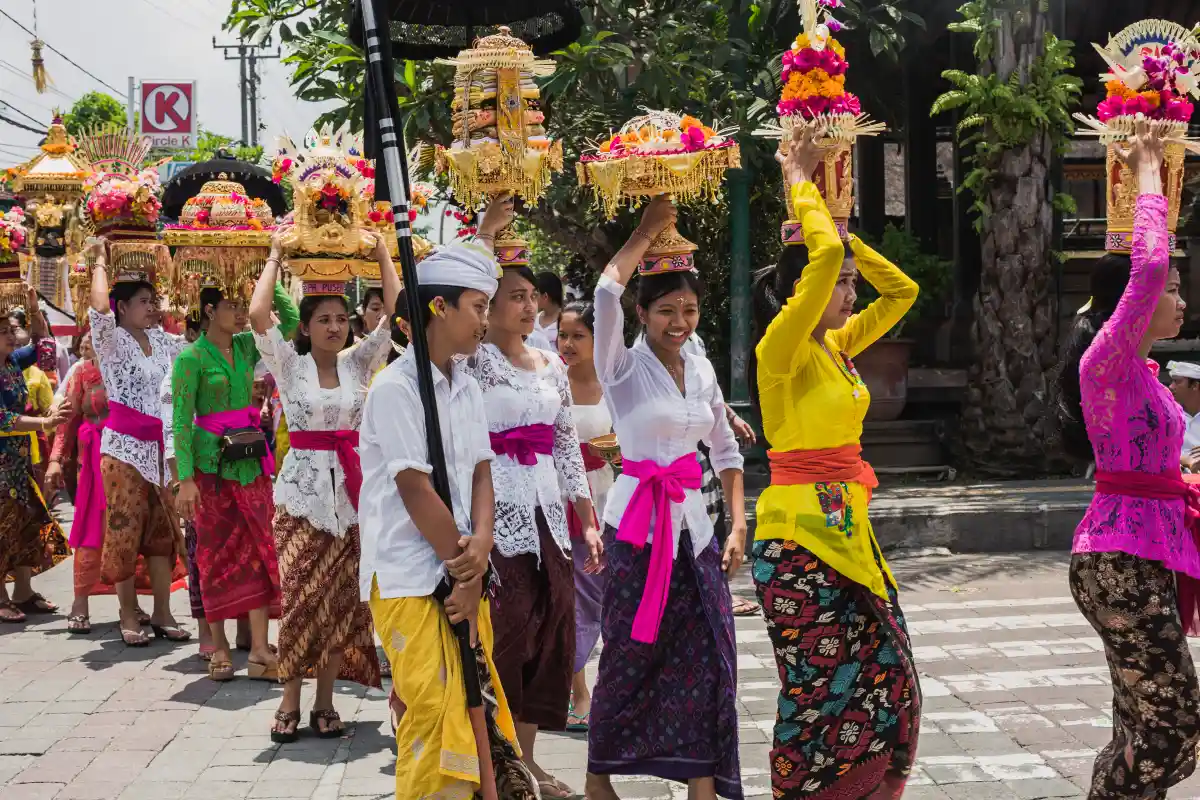
Some of Bali’s most meaningful experiences aren’t found on busy beaches or popular cafes. They are found in places where history, spirituality, and nature have remained connected for centuries. Goa Gajah, better known as the Ubud Elephant Cave, is one of those places.
Built in the 9th century, Goa Gajah has long been a place for meditation and worship. Hidden among trees and flowing rivers just outside Ubud, the site reflects an important period in Bali’s history when Hindu and Buddhist communities lived and practiced side by side. Today, it continues to welcome both worshippers and visitors who want to understand Bali beyond its landscapes.
As tourism continues to grow, protecting places like Goa Gajah has become a shared responsibility. Learning about its history and cultural significance helps visitors appreciate why respect and responsible travel matter just as much as the visit itself.
A Sacred Place with a Long History
Although it is commonly called the Elephant Cave, Goa Gajah was never associated with elephants living in Bali. Historians believe the name may come from the nearby Petanu River or from the statue of Ganesha, the Hindu deity with an elephant’s head, found inside the cave.
Goa Gajah was established during the 9th century as a place for meditation. The cave was carved directly into the rock, creating a quiet space where religious practitioners could retreat from everyday life. Over time, archaeological discoveries revealed that both Hindu priests and Buddhist monks used the site, making it one of the earliest examples of religious harmony in Bali.
The entrance to the cave is one of its most recognisable features. Its large carved face was designed to symbolically protect the sacred space within, reminding visitors that they were entering a place intended for reflection rather than ordinary activity.
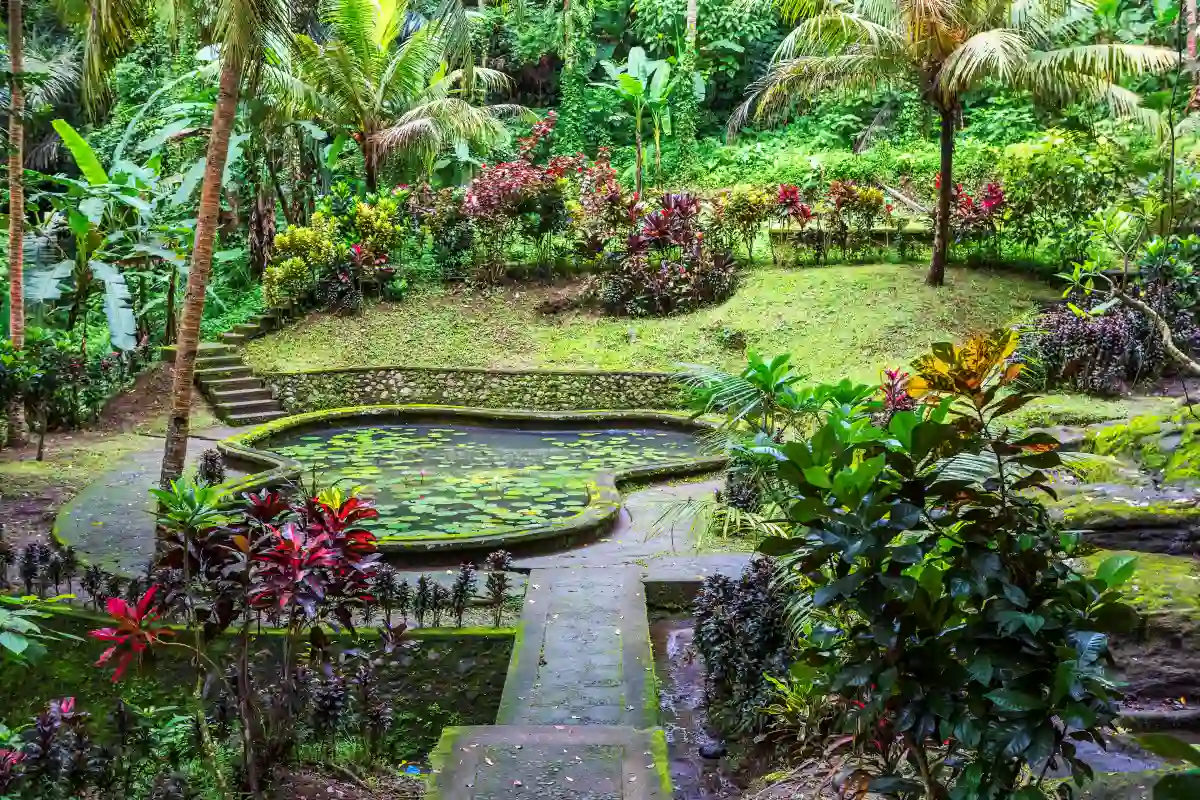
Goa Gajah lush garden
Where Nature and Spirituality Meet
In Bali, sacred places are rarely separated from nature. Mountains, rivers, forests, and springs are often regarded as spaces where the physical and spiritual worlds come together. This belief is reflected in many temples across the island, where the surrounding landscape is considered just as important as the structures themselves.
Goa Gajah is no exception. Surrounded by lush greenery, flowing water, and ancient trees, the site was designed to support meditation, prayer, and reflection. Every natural element contributes to the sense of calm that has drawn spiritual seekers here for centuries.
The Importance of Campuhan
Near Goa Gajah is the meeting point of two rivers, known locally as campuhan. In Balinese belief, places where rivers meet are considered spiritually significant because they represent balance and harmony.
For centuries, this peaceful setting attracted hermits and spiritual practitioners seeking solitude for meditation. Even today, the sounds of flowing water and the surrounding forest create an atmosphere that feels noticeably different from the busy streets of Ubud.
This connection between nature and spirituality continues to shape how many Balinese people understand and care for their environment.
The Holy Bathing Pools
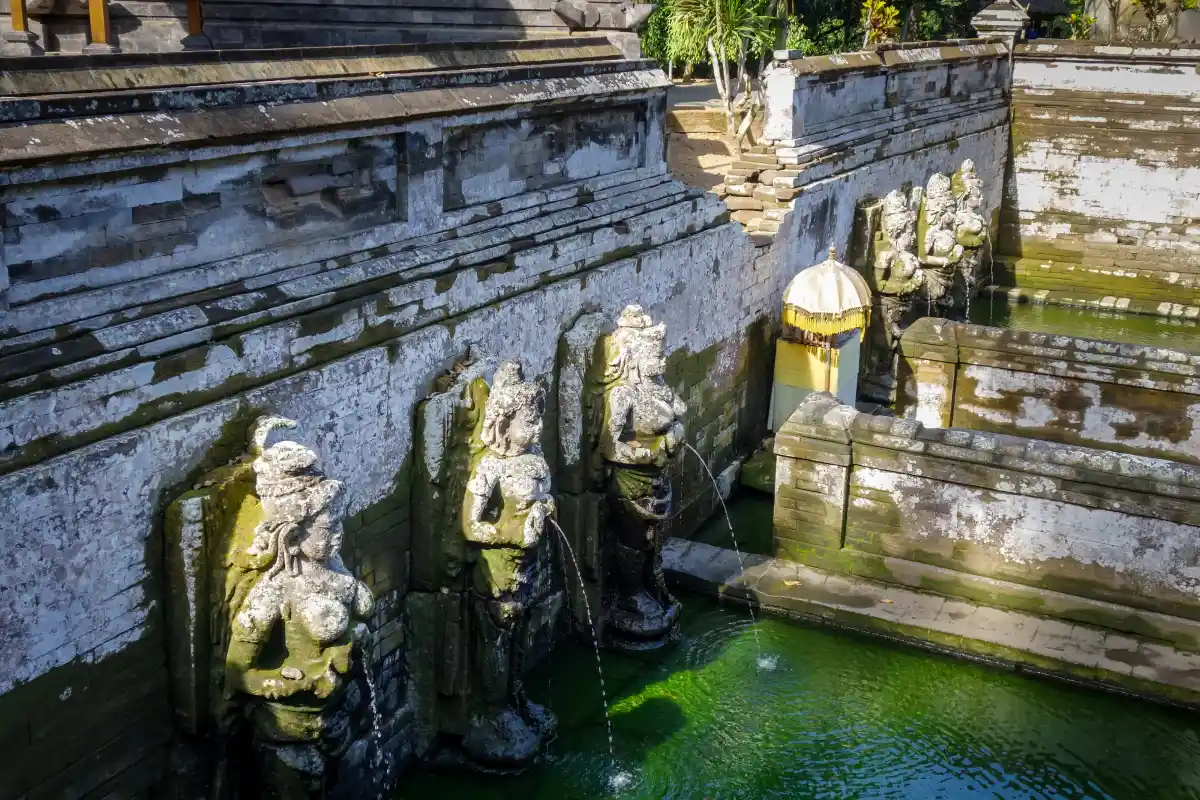
One of Goa Gajah’s most beautiful features is its sacred bathing pool. Rediscovered during excavations in the 1950s, the pool is lined with stone figures that pour fresh spring water into the basin below.
Water plays an important role in Balinese Hinduism, representing purification and renewal. While many visitors admire the pools for their beauty, they remain an important part of religious ceremonies and are still respected as a sacred space today.
Read also: Tirta Gangga Water Palace: A Sustainable Visitor Guide to Bali’s Water Heritage
The Challenge of Preserving Goa Gajah
As one of Ubud’s most visited heritage sites, Goa Gajah welcomes thousands of visitors every year. Tourism helps support conservation and the local economy, but it also creates challenges that require careful management.
Protecting the Surrounding Landscape
The paths leading through the ravine experience constant foot traffic, particularly during peak holiday seasons. Over time, this has contributed to erosion around the site, making conservation work increasingly important.
Visitors can help by staying on designated paths and avoiding climbing on archaeological structures or surrounding rock formations.
Reducing Plastic Waste
Like many destinations across Bali, Goa Gajah is affected by plastic waste. Discarded bottles and food packaging can easily find their way into nearby waterways and natural areas.
Choosing reusable water bottles, carrying reusable bags, and taking rubbish with you are small actions that help preserve the site for future visitors and local communities.
Read also: Why Bali Is an Excellent Study Destination for Student Groups
How to Visit Responsibly
Respecting Goa Gajah begins with understanding that it is still an active place of worship.
Wear Appropriate Clothing
Visitors are expected to wear a sarong and sash when entering the temple grounds. Dressing modestly shows respect for local customs and acknowledges the spiritual importance of the site.
Read also: A Guide to Traditional Balinese Clothing: Meaning, Styles, and When to Wear Them
Visit Earlier in the Morning
If possible, plan your visit between 7:30 AM and 9:00 AM. Arriving early means fewer crowds, a quieter atmosphere, and less pressure on the site during its busiest hours.
It also allows you to experience the peaceful surroundings much as they were intended.
Learn from Local Guides
Hiring a certified community guide adds another layer to your visit. Beyond explaining the history of the cave, local guides share stories, traditions, and cultural insights that are often missed when exploring independently.
Supporting local guides also helps ensure that tourism benefits the communities who continue to care for these important heritage sites.
From Cultural Visits to Meaningful Learning
Goa Gajah is more than a historic landmark. It offers an opportunity to understand how Bali’s history, spiritual traditions, and natural environment continue to shape life on the island today. Visiting with curiosity and respect encourages a deeper appreciation of the cultural values that have been preserved for centuries and the shared responsibility of protecting them for the future.
At Bali Institute, we believe some of the most valuable lessons happen outside the classroom. Through experiential learning programs, students engage directly with Bali’s cultural heritage, local communities, and sustainability initiatives, connecting academic concepts with real-world experiences. By learning from places like Goa Gajah, participants develop a broader understanding of responsible tourism, cultural preservation, and the importance of approaching different cultures with openness, respect, and curiosity.