Between the land and the sea lies one of Bali’s most important yet often overlooked ecosystems. The Bali mangrove forest forms a natural barrier along the island’s coastline, where intricate root systems protect shorelines, filter sediment, and create habitats for a wide variety of wildlife.
These coastal forests are essential to mangrove conservation in Bali. They support fish, crabs, birds, and other marine species, store large amounts of blue carbon, and help reduce the impacts of coastal erosion and rising sea levels. Healthy mangrove ecosystems also strengthen nearby coral reefs and seagrass meadows, making them an important part of Bali’s wider marine environment.
Exploring a mangrove forest offers a different perspective on the island. Beyond scenic boardwalks or kayaking routes, it is an opportunity to learn how conservation, scientific research, and community-led initiatives work together to protect Bali’s coastal ecosystems for future generations.
The Hidden Role of Mangroves in Fighting Climate Change
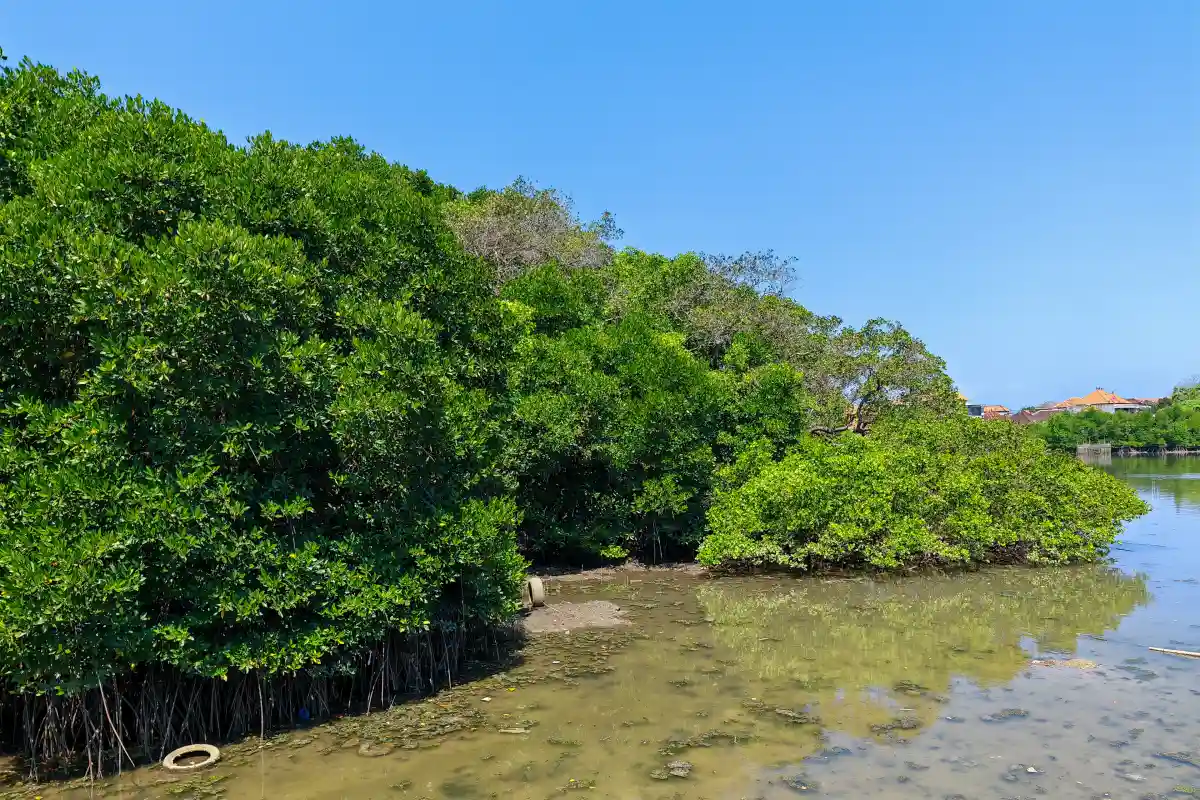
Mangroves are among the world’s most effective natural carbon sinks. Often referred to as blue carbon ecosystems, they absorb carbon dioxide from the atmosphere and store it in their trunks, roots, and nutrient-rich coastal soils for long periods. This process, known as carbon sequestration, helps reduce greenhouse gases while strengthening coastal resilience against the impacts of climate change.
Beyond storing carbon, mangroves reduce wave energy, minimise coastal erosion, and help protect nearby communities from storm surges. For an island like Bali, where healthy coastlines support tourism, fisheries, and local livelihoods, conserving mangrove forests is an important investment in long-term environmental resilience.
A Nursery for Wildlife Above and Below the Water
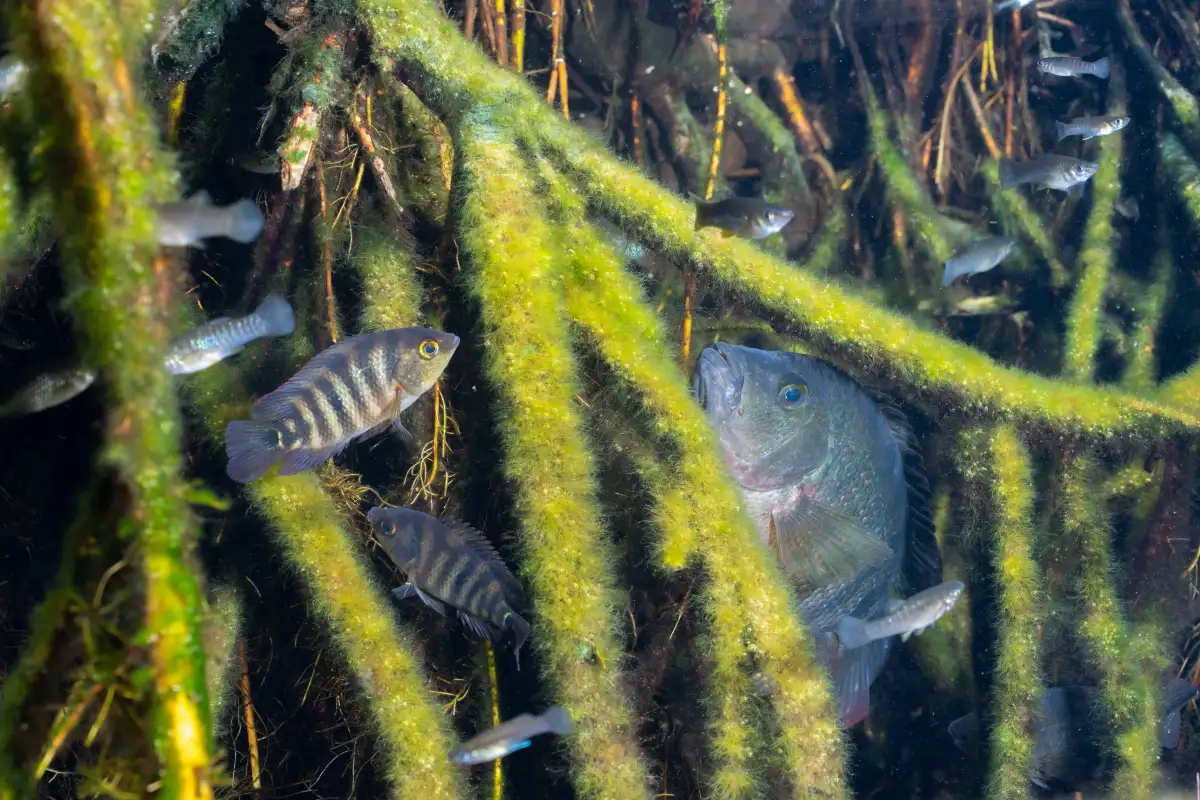
The Bali mangrove ecosystem supports an incredible diversity of life. Beneath the roots, juvenile fish, crabs, shellfish, and other marine species find shelter before moving into nearby coral reefs and open waters. Above the water, mangroves provide habitats for birds, reptiles, insects, and other wildlife.
These ecosystems are closely connected with seagrass meadows and coral reefs, creating an interconnected coastal network that supports marine biodiversity across Bali. Mangroves are also excellent places for birdwatching and wildlife observation, offering opportunities to appreciate nature without disturbing fragile habitats.
How Mangrove Conservation Works in Bali
Protecting the Bali mangrove forest requires collaboration between government agencies, researchers, conservation organisations, local communities, and responsible tourism operators. Rather than relying on a single solution, mangrove conservation in Bali combines restoration, scientific research, education, and long-term ecosystem management.
Some of the key conservation efforts include:
- Mangrove restoration and replanting: Restoring degraded coastlines by planting mangrove seedlings and rehabilitating damaged habitats to improve coastal resilience.
- Scientific research and monitoring: Studying mangrove health, biodiversity, and carbon storage to better understand how these ecosystems respond to environmental change and support climate adaptation.
- Environmental education: Developing educational programmes, guided learning experiences, and public awareness initiatives that highlight the importance of mangroves and coastal conservation.
- Community partnerships: Working with local communities to protect mangrove forests while supporting sustainable livelihoods and responsible tourism.
One of the leading conservation sites is Tahura Ngurah Rai, where research, environmental education, and restoration programmes continue to strengthen its role as an important mangrove learning centre. In Nusa Lembongan, organisations such as the Coral Triangle Center have partnered with local communities to restore mangrove habitats through seedling programmes, conservation activities, and environmental outreach.
Together, these initiatives show that protecting Bali’s coastal ecosystems depends not only on conserving existing mangrove forests, but also on empowering the people and organisations committed to safeguarding them for future generations.
Read also: Bali Animal Conservation Guide: Sanctuaries, Wildlife Projects, and Ethical Tourism
Ways to Explore Bali’s Mangrove Forest Responsibly
Visiting the Bali mangrove forest is an opportunity to experience one of the island’s most important coastal ecosystems while learning about conservation firsthand. Choosing low-impact activities allows visitors to enjoy the landscape while helping protect its biodiversity.
Here are some of the best ways to explore Bali’s mangroves responsibly:
- Walk along a mangrove boardwalk to observe the unique root systems, coastal habitats, and native wildlife without disturbing the ecosystem.
- Join a guided mangrove tour to learn about biodiversity, blue carbon, coastal protection, and the ecological importance of mangrove forests in Bali.
- Go kayaking through the mangroves for a quiet, low-impact way to explore narrow waterways while spotting birds, fish, crabs, and other wildlife.
- Try birdwatching during the early morning or late afternoon, when many native and migratory bird species are most active.
- Practise responsible tourism by staying on designated paths, avoiding damage to mangrove roots, taking all rubbish with you, bringing a refillable water bottle, and choosing local operators that support mangrove conservation in Bali.
By exploring these ecosystems thoughtfully, you will not only experience a different side of Bali but also contribute to the long term protection of its coastal environments.
What You Can Learn from Bali’s Mangrove Ecosystems
A visit to a Bali mangrove forest offers more than a nature walk, it provides valuable insight into how coastal ecosystems support both people and the environment. As an educational tourism destination, mangrove forests demonstrate the vital role they play in protecting coastlines, conserving biodiversity, and building resilience to climate change.
During a visit, you can learn how mangrove ecosystems capture and store blue carbon, reduce coastal erosion, improve water quality, and provide nursery habitats for fish, crabs, birds, and other wildlife. You’ll also discover how mangroves are closely connected to nearby coral reefs and seagrass ecosystems, creating a healthy marine environment that supports local fisheries and coastal communities.
For students, educators, researchers, and eco-conscious travellers, exploring Bali’s mangrove forests offers a deeper understanding of mangrove conservation in Bali, environmental sustainability, and the importance of protecting natural ecosystems for future generations.
Frequently Asked Questions
Where is the largest mangrove forest in Bali?
The largest Bali mangrove forest is Tahura Ngurah Rai in South Bali, a protected conservation area known for its mangrove ecosystems, biodiversity, research, and environmental education.
Why are mangrove forests important in Bali?
Mangroves help prevent coastal erosion, store blue carbon, support marine biodiversity, improve water quality, and protect coastal communities from storms and rising sea levels.
What wildlife lives in Bali’s mangrove forests?
Mangrove ecosystems support juvenile fish, crabs, shellfish, birds, reptiles, insects, and many other species. They also provide important nursery habitats that connect with nearby seagrass meadows and coral reefs.
Can tourists visit Bali’s mangrove forests?
Yes. Visitors can explore mangrove forests through boardwalk walks, guided educational tours, birdwatching, or kayaking in Bali’s mangroves. Choosing responsible tour operators helps support conservation efforts.
How can visitors help protect Bali’s mangroves?
Travellers can support mangrove conservation in Bali by staying on marked trails, avoiding damage to mangrove roots, reducing plastic waste, carrying reusable water bottles, and joining tours that prioritise environmental education and sustainable tourism.
Learn About Environmental Conservation with Bali Institute
Environmental challenges are best understood through firsthand experiences. Bali Institute designs immersive educational programmes that connect participants with the island’s natural ecosystems, local communities, and environmental initiatives.
From Teen Exploration programmes that introduce students to sustainability through hands-on field experiences, to University Experience programmes that support academic learning in environmental science, conservation, and community development, each journey encourages critical thinking and real-world engagement. Adult Learning Journey programmes offer meaningful opportunities to explore Bali’s environmental and cultural landscapes, while Customised CSR Group Programmes enable organisations to engage with conservation initiatives and responsible community partnerships.
By exploring places such as Tahura Ngurah Rai and other conservation sites, participants gain a deeper understanding of mangrove conservation in Bali, climate resilience, biodiversity, and the role responsible tourism can play in protecting the island’s coastal ecosystems.