While Bali’s global image is largely defined by rural rice terraces and coastal resorts, its bustling capital tells a vastly different story of modern Indonesian life. Denpasar is a dynamic urban center where ancient cultural institutions and traditional markets intersect with rapid development and government infrastructure.
Unlike the island’s tourist-centric zones, the capital offers a raw, authentic look at how Balinese heritage actively adapts to 21st-century globalization. For institutions organizing group student trips or programs focused on experiential learning abroad, Denpasar serves as a complex urban laboratory. It provides an exceptional lens for global citizenship education, allowing visiting academic cohorts to study the real-time intersections of colonial history, urban sustainability, and the local economy without the filter of mass tourism.
Understanding Denpasar as Bali’s Living Capital
Denpasar is the administrative capital of Bali Province and an important center for commerce, education, and government.
The city is home to residential neighborhoods, traditional family compounds, markets, temples, public institutions, and modern businesses.
These different elements create an urban environment where cultural traditions remain part of everyday activities.
A City Shaped by History
Denpasar’s history is closely connected to the former Badung Kingdom and Bali’s experiences during the Dutch colonial period.
One significant event was the 1906 Puputan Badung, when members of the royal court and their followers confronted Dutch colonial forces.
The event remains an important part of Denpasar’s historical identity and is commemorated through public monuments and civic spaces.
Understanding this history offers visitors a deeper perspective on how Denpasar developed into Bali’s modern provincial capital.
Cultural and Educational Places to Visit in Denpasar
Denpasar offers several destinations where visitors can explore Balinese history, art, commerce, and community life.
1. Bali Museum: Exploring Cultural Heritage
Located in central Denpasar, Bali Museum provides an introduction to the island’s cultural and historical heritage.
Its collections include traditional artifacts, textiles, ceremonial objects, and items associated with everyday Balinese life.
The museum complex also features architectural elements inspired by traditional Balinese design.
For students, visiting the museum creates opportunities to examine how objects communicate cultural knowledge.
A traditional textile, for example, can introduce discussions about craftsmanship, symbolism, and the transmission of skills across generations.
To explore these subjects further, visitors can read Bali Institute’s guide to Balinese culture and traditions.
2. Bajra Sandhi Monument: Understanding Bali’s History
Located in the Renon area, Bajra Sandhi Monument commemorates important struggles and historical experiences of the Balinese people.
The monument’s distinctive architecture is inspired by a traditional priest’s bell, known as a bajra.
Inside, historical dioramas illustrate different periods of Bali’s development.
For educational groups, the monument provides an opportunity to discuss historical memory, colonialism, cultural identity, and how communities represent their past.
3. Badung Market and Kumbasari Art Market
Traditional markets offer valuable perspectives on everyday economic and cultural activities.
Badung Market is one of Denpasar’s important trading centers, where vendors sell fresh produce, spices, food ingredients, and products used in daily life.
Nearby, Kumbasari Art Market is associated with traditional handicrafts, textiles, and decorative products.
Together, these markets provide opportunities to examine:
- Local food systems: How agricultural products reach urban consumers.
- Small businesses: The role of vendors and traders in the local economy.
- Cultural practices: How ceremonial goods connect commerce with religious traditions.
- Traditional craftsmanship: How artisan products are produced, distributed, and sold.
Visitors can explore these connections further in Bali Institute’s guide to local markets in Bali.
4. Taman Werdhi Budaya: Discovering Balinese Arts
Taman Werdhi Budaya, also known as the Bali Art Centre, is an important cultural complex in Denpasar.
The site features traditional architectural elements and spaces associated with artistic performances, exhibitions, and cultural events.
When public activities are available, visitors may encounter opportunities to learn about Balinese dance, music, and other artistic traditions.
For students, these experiences can encourage discussions about how traditional art forms remain relevant in contemporary society.
Exploring Urban Sustainability in Denpasar
Beyond historical and cultural attractions, Denpasar provides opportunities to examine the challenges of urban development.
As Bali’s provincial capital, the city must balance economic activities, infrastructure needs, community life, and environmental concerns.
Educational groups can explore several important topics.
Market and Food Systems
Traditional markets demonstrate how farmers, distributors, vendors, and consumers are connected through urban food networks.
Students can examine how products move through the city and how packaging, transportation, and consumption influence waste generation.
Transportation and Urban Mobility
Denpasar’s road networks and busy commercial districts provide opportunities to discuss transportation, accessibility, and urban planning.
Students can consider how different transport choices affect residents, visitors, and the environment.
Cultural Continuity
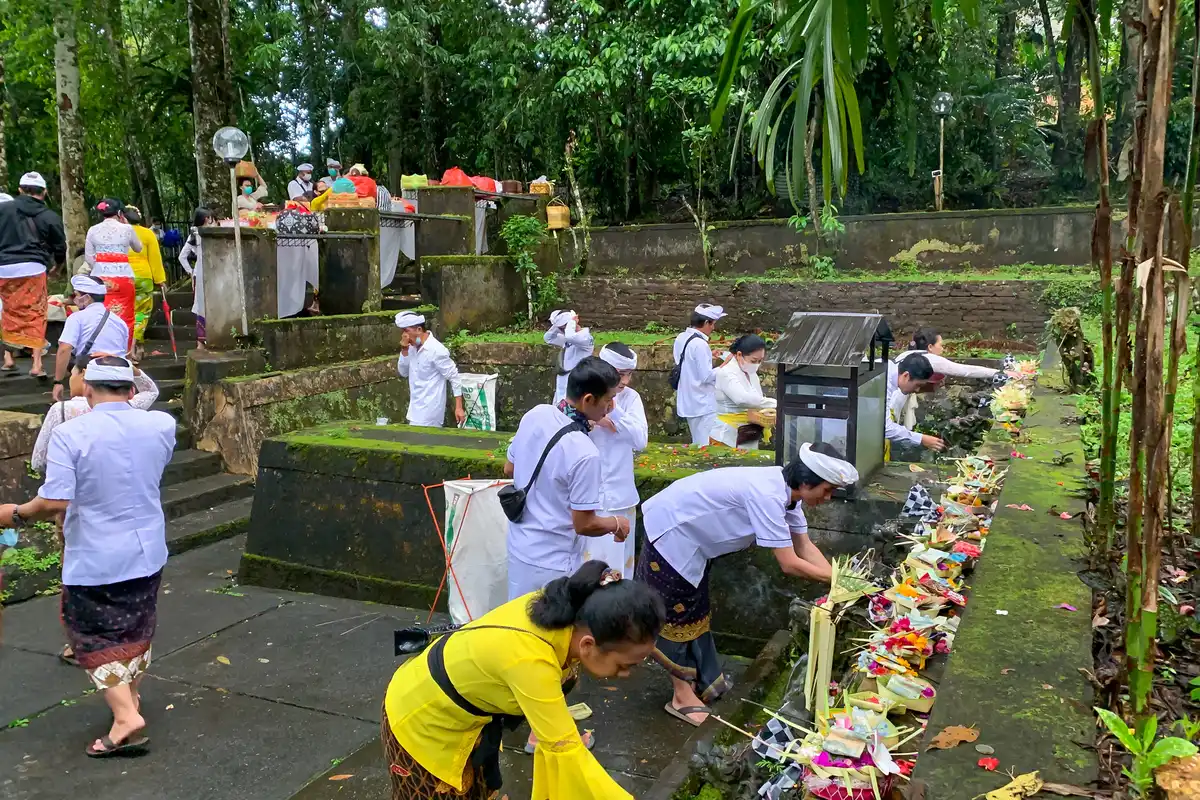
Traditional ceremonies, temples, family compounds, and community organizations continue to shape urban life.
Observing these practices helps students understand how cities can develop while maintaining cultural identities.
How to Explore Denpasar Responsibly
Denpasar is a working city, and responsible visits should respect the people who live and work there.
Consider these guidelines:
- Ask permission before photographing vendors or residents.
- Avoid blocking market stalls, pathways, or trading activities.
- Support locally owned businesses and community-based services.
- Group nearby destinations to reduce unnecessary transportation.
- Respect temples, family compounds, and religious activities.
Educational groups can also benefit from knowledgeable local guides who explain cultural context and help organize appropriate community interactions.
Experience Bali’s Urban Evolution Through Custom Program Design
Denpasar demonstrates that Bali’s cultural heritage thrives far beyond its rural villages and resort towns. Its bustling markets, historical museums, and vibrant cultural spaces offer a real-world case study in how commerce, history, and urban development intersect with enduring traditions.
At Bali Institute, we serve as your strategic educational collaborators, moving beyond off-the-shelf tourism to custom-design experiential learning abroad that utilizes this dynamic capital as a living classroom. We tailor every itinerary to your specific academic objectives, whether we are co-creating a Teen Exploration program to safely introduce youth to urban cultural dynamics, a University Experience that operates as a custom faculty-led study abroad module for anthropology and sustainability students, or a reflective Adult Learning Journey for lifelong learners.
By exploring Denpasar intentionally with us, your group will discover the authentic, evolving identity of modern Bali.