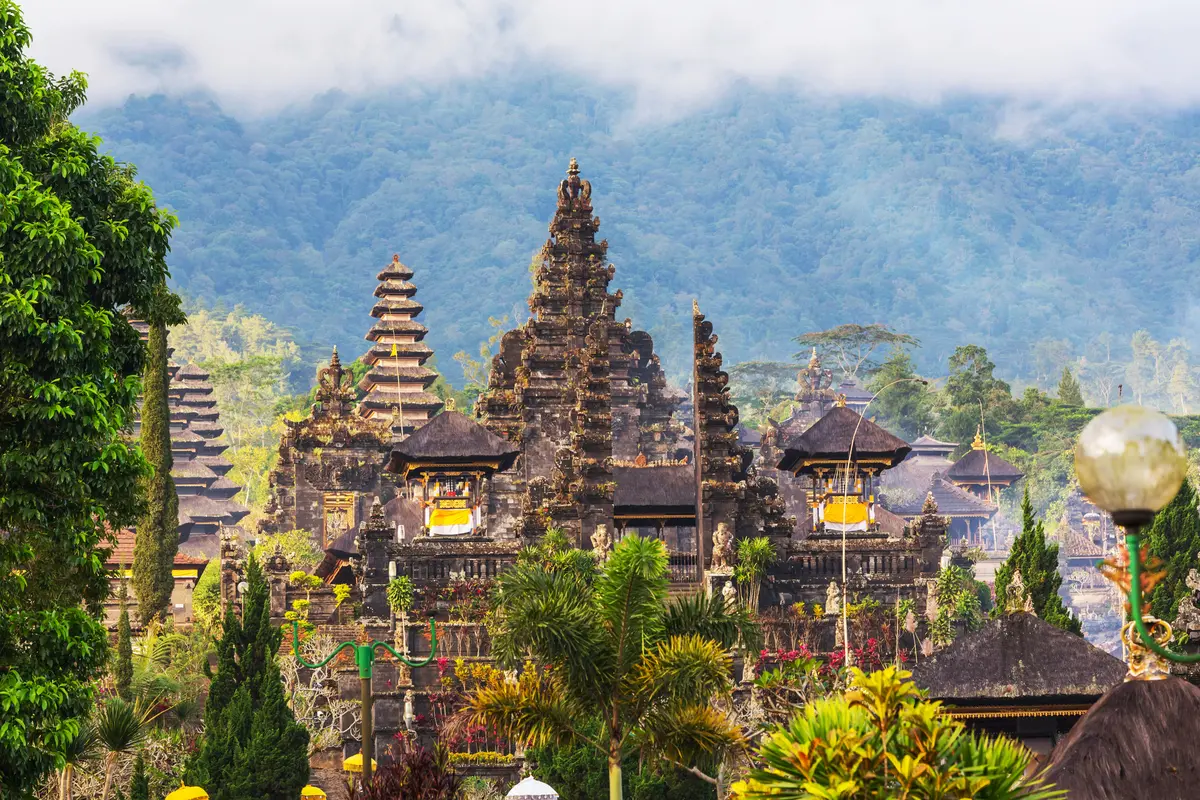
Hidden within the forested slopes of Mount Batukaru in Tabanan Regency, Batukaru Temple Bali offers a quieter experience of the island’s spiritual heritage. Surrounded by lush vegetation and highland landscapes, this sacred Hindu temple reflects the close relationship between nature, religion, and community life.
Also known as Pura Luhur Batukaru, the temple is an important place of worship in Bali’s mountainous interior. Unlike temples frequently visited for ocean views or dramatic architecture, Batukaru invites visitors to appreciate its peaceful setting and ongoing religious significance.
For students, educators, and culturally curious travelers, the temple provides a meaningful opportunity to explore Balinese spiritual geography, traditional architecture, and the environmental importance of Bali’s highland forests.
Batukaru Temple and Its Spiritual Significance
Mountains hold a special place in Balinese Hindu traditions. They are associated with sacredness, spiritual orientation, and the relationship between humans and the divine.
Located on the slopes of Mount Batukaru, Pura Luhur Batukaru reflects this connection between religious life and the natural landscape.
A Sacred Mountain Setting
Mount Batukaru is one of Bali’s major mountains and an important part of the island’s spiritual geography.
Its forested slopes create a distinctive setting for worship, where natural surroundings and sacred structures exist alongside one another.
To understand this relationship more deeply, visitors can explore the importance of mountains in Hindu Bali, which explains how mountains influence religious practices, temple placement, and traditional spatial concepts.
At Batukaru Temple, this connection is visible in the landscape itself. The surrounding forest is not simply a scenic backdrop; it contributes to the character of the sacred environment.
A Living Place of Worship
Batukaru Temple remains an active religious site where Balinese Hindus participate in prayers, offerings, and important ceremonies.
Visitors should therefore approach the temple as a place of worship rather than an open-air museum.
Certain courtyards and ritual spaces may be restricted, particularly during religious activities. Respecting these boundaries allows visitors to observe the temple’s cultural significance without interfering with community practices.
Highland Forests, Water, and the Surrounding Landscape
One of Batukaru Temple’s defining characteristics is its surrounding highland forest.
Moist mountain vegetation helps create a cooler environment compared with Bali’s coastal areas. These forests also form part of important ecological systems that influence water movement, soil protection, and biodiversity.
Forest Ecosystems and Water Resources
Mountain forests contribute to healthy watersheds by intercepting rainfall, supporting soil stability, and helping regulate how water moves through the landscape.
For environmental studies students, the forest surrounding Batukaru creates opportunities to examine connections between vegetation, rainfall, and freshwater resources.
Useful learning questions include:
- How do mountain forests help protect soil from erosion?
- Why are healthy watersheds important for communities downstream?
- What relationships exist between forest conservation and agricultural livelihoods?
- How can religious values encourage respect for natural landscapes?
These questions connect environmental science with cultural understanding.
Connections to Tabanan’s Agricultural Heritage
Tabanan is widely recognized for its agricultural landscapes, including the rice terraces around Jatiluwih.
The wider Batukaru region forms part of Bali’s historic relationship between mountains, water, temples, and farming communities.
The UNESCO-recognized Subak Landscape of Catur Angga Batukaru demonstrates this connection through traditional irrigation management and agricultural heritage.
However, visitors should distinguish the wider agricultural landscape from the temple compound itself. Not every nearby rice field is directly managed by the temple.
Together, these places offer valuable opportunities to study how water resources and cultural institutions influence rural life.
Learning Through Temple Architecture and Culture
Traditional Balinese temple architecture communicates religious ideas through gateways, courtyards, shrines, and spatial arrangements.
At Batukaru, visitors can observe structures that reflect these principles within a mountain environment.
Meru Shrines and Sacred Spaces
The distinctive multi-tiered roofs of meru shrines are associated with sacred mountains and spiritual symbolism.
Temple courtyards also distinguish between different levels of sacredness, influencing how worshippers and visitors move through the complex.
Bali Institute’s article on Balinese temple architecture explains these principles in greater detail.
For students, observing such features can encourage discussion about how architecture expresses cultural values.
Visiting Batukaru Temple Responsibly
A respectful visit begins with understanding that the temple and surrounding forest deserve careful treatment.
Visitors should:
- Dress appropriately: Follow current sarong, sash, and modest clothing requirements.
- Respect religious activities: Keep voices low and avoid interrupting ceremonies.
- Follow access restrictions: Do not enter inner courtyards without permission.
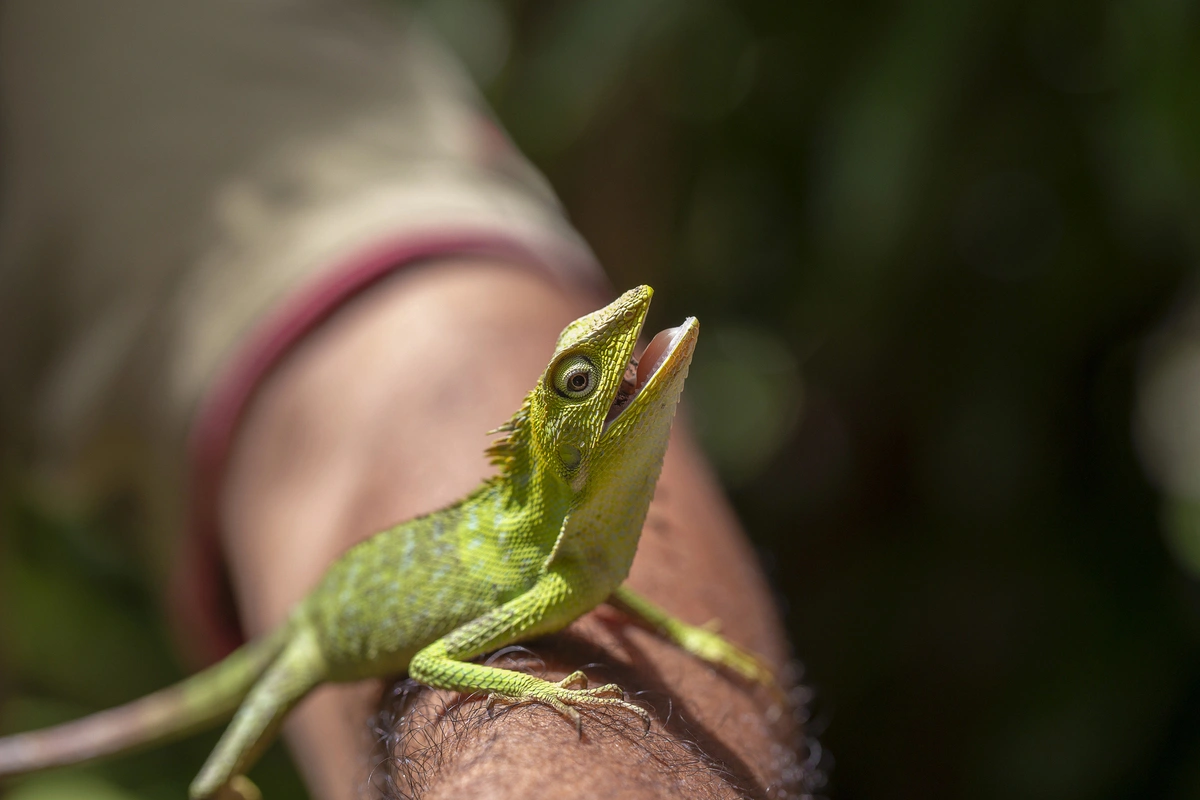
- Protect the forest: Stay on designated paths and avoid disturbing plants or wildlife.
- Plan thoughtfully: Combine nearby educational visits only when time, access, and local guidance allow.
These practices help preserve the peaceful atmosphere while respecting the people who maintain the site.
What Visitors Can Learn from Batukaru Temple
Batukaru Temple demonstrates how spirituality, architecture, forests, and water are connected within Bali’s highland landscapes.
For students, a visit can introduce important questions about cultural heritage, environmental stewardship, and the relationship between religious beliefs and ecological responsibility.
Bali Institute’s University Experience programs and Teen Exploration programs offer opportunities to connect cultural learning with environmental education through thoughtfully designed experiences across Bali.
By approaching Batukaru Temple with curiosity and respect, visitors can discover that a sacred landscape offers more than natural beauty. It provides insight into how communities understand and sustain their relationships with the environment.