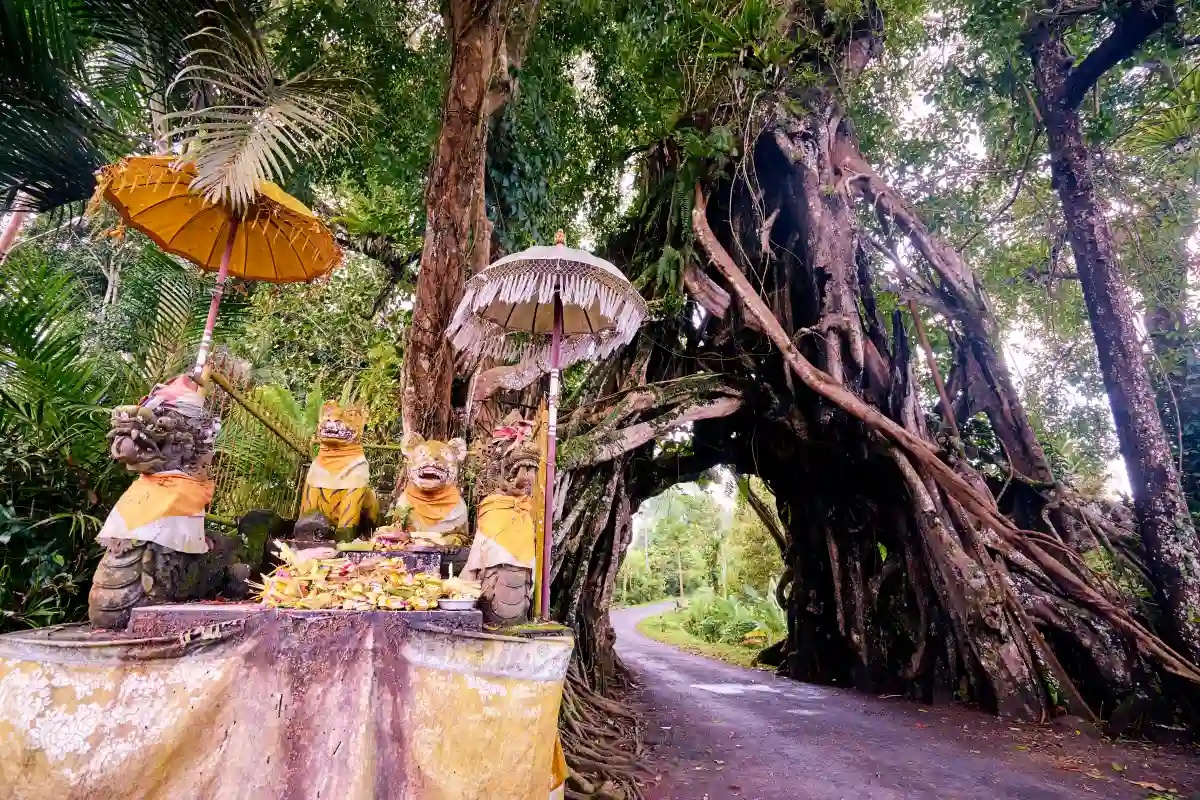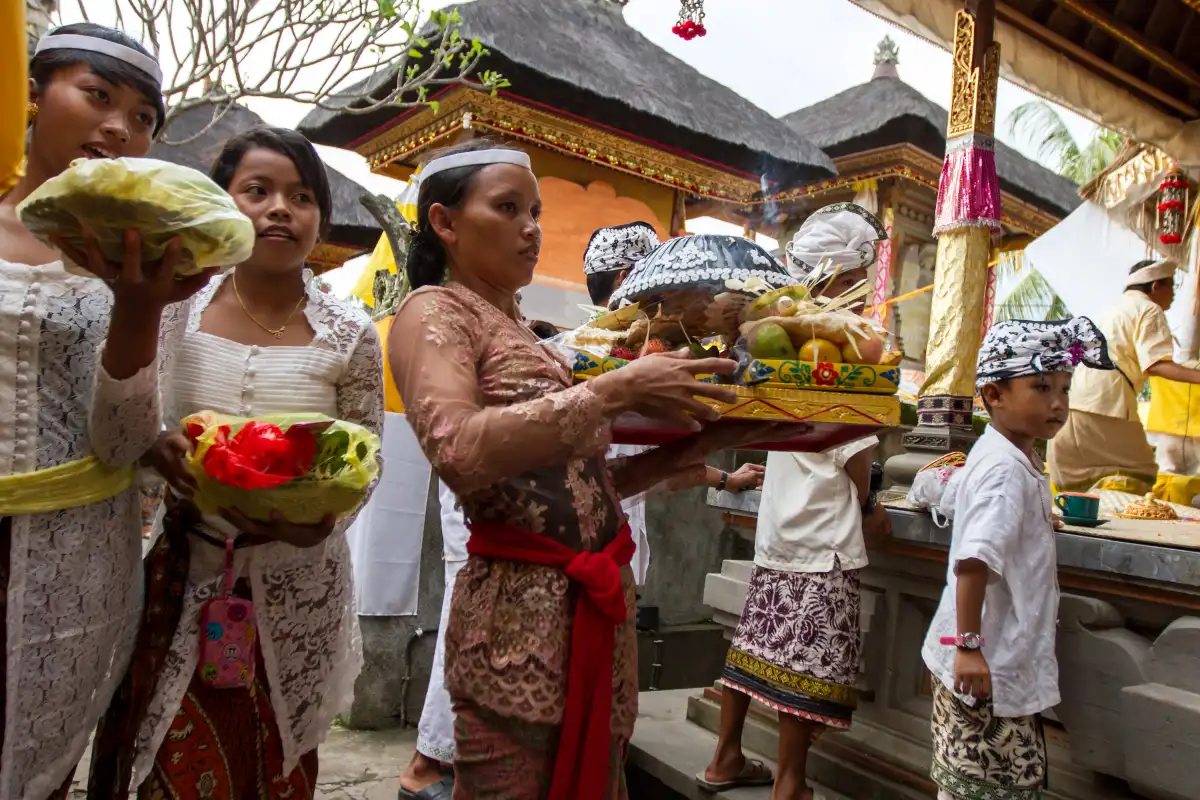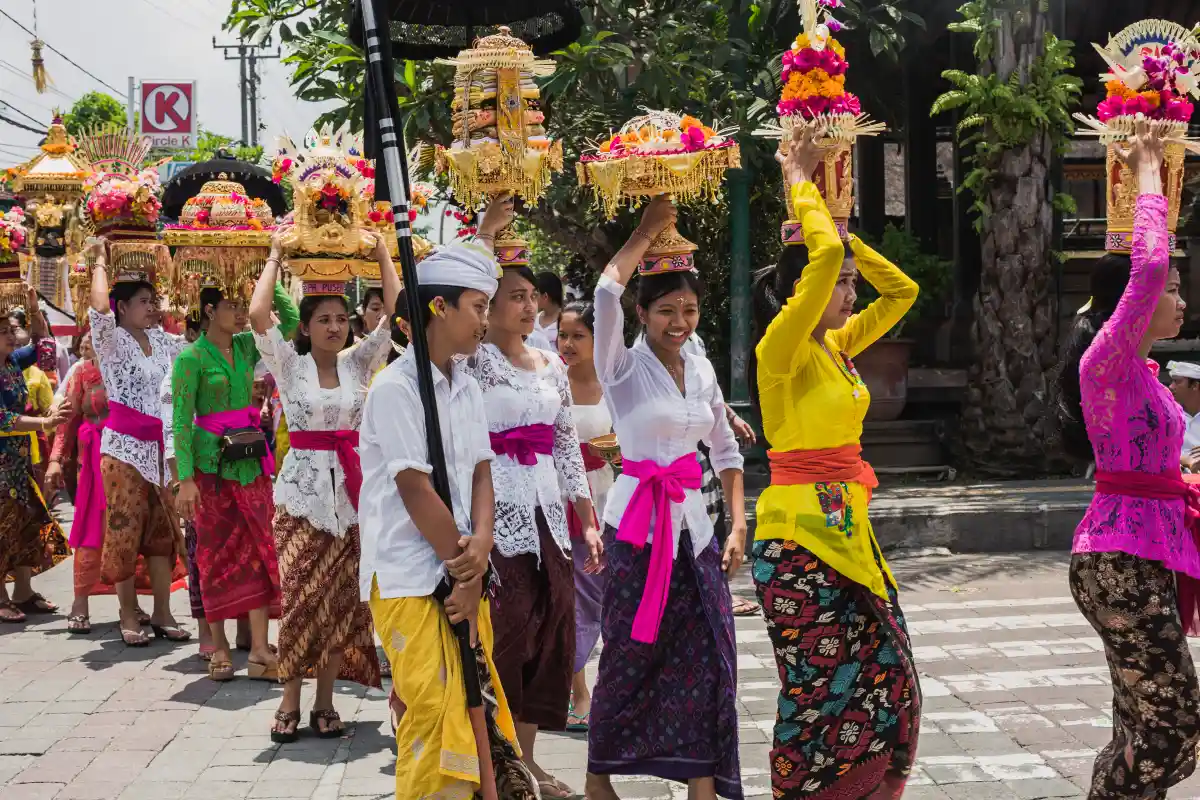
Balinese culture is unique and full of traditions, spirituality, and social etiquette. From the melodic sounds of Gamelan music to the graceful movements of Balinese dance, the island’s culture is deeply rooted in its spiritual beliefs and communal values. Festivals such as Nyepi and Galungan showcase the Balinese dedication to their faith, while the Tri Hita Karana philosophy emphasizes harmony with nature, others, and oneself. Understanding and respecting these cultural elements provide a richer experience for visitors, allowing them to truly appreciate the beauty and depth of Bali’s traditions.
Key Traditions and Practices in Balinese Culture
-
Balinese Hinduism
Balinese Hinduism is the primary belief system in Bali, characterized by a unique blend of local animism and Hindu traditions. Unlike the Hindu practices on the Indian subcontinent, Balinese Hinduism incorporates animistic elements, reflecting the island’s indigenous beliefs. Central to this religion is the devotion to gods and ancestors, which is expressed through daily rituals, ceremonies, and offerings.
-
Canang Sari (Offerings)
Canang Sari, or daily offerings, are an essential part of Balinese life, symbolizing gratitude and peace in the Balinese community. Each small offering, crafted from banana leaves, flowers, and other natural items, is a work of art designed to appease the spirits and maintain harmony in the universe.
-
Gamelan Music
Gamelan music is the traditional ensemble music of Bali, characterized by a variety of percussive instruments, including metallophones, drums, and gongs. This music is pivotal in ceremonial and cultural events, acting as a spiritual tool that enhances religious rituals and entertains during performances.
-
Balinese Dance
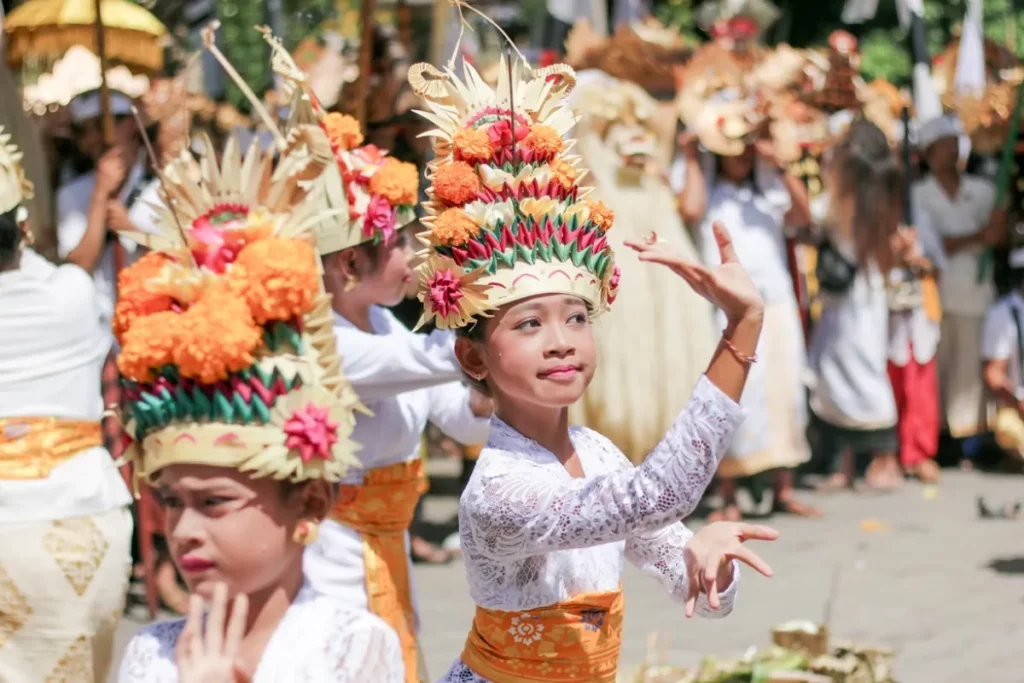
Balinese dance is a performing art that is deeply integrated with the island’s religious and artistic expression. Intricate movements, expressive facial gestures, and the vibrant costumes of dancers convey stories from Hindu mythology, such as the Ramayana and Mahabharata, during temple ceremonies and festivals.
-
Temple Culture
Temples are the heart of spiritual life in Bali, each one dedicated to specific deities or spirits. These sacred sites host numerous ceremonies and festivals throughout the year, playing a crucial role in the religious and social life of the Balinese. Visitors are welcomed, but respectful behavior and dress are required to honor the sanctity of these spaces.
Important Festivals and Holidays in Balinese Culture

-
Nyepi
Nyepi, or the Balinese Day of Silence, marks the Balinese New Year. It is a day reserved for self-reflection, fasting, and meditation, where activities are minimal, and silence is observed. This unique festival emphasizes the Balinese commitment to spiritual purity and environmental conservation.
-
Galungan & Kuningan
Galungan and Kuningan are significant holidays that celebrate the victory of dharma (righteousness) over adharma (evil). Galungan marks the start of this period, when the spirits of ancestors return to Earth, while Kuningan, ten days later, marks their return to the higher realms. The festivities include temple offerings, feasts, and the traditional Barong dance.
-
Melasti
Melasti is a purification ceremony performed three days before Nyepi. Balinese Hindus carry temple idols to the sea to be cleansed, embodying their quest to purify the world from bad karma and impurity. It is a visually striking ritual that draws many participants and spectators.
-
Ngaben
Ngaben is the traditional Balinese cremation ceremony, considered an essential rite of passage within the culture. This elaborate ceremony symbolizes the release of the soul from the body, allowing it to reincarnate. It reflects the Balinese belief in the cycle of life and their respect for ancestral spirits.
Social Structure and Etiquette in Balinese Culture

-
Caste System
Balinese society is traditionally divided into a caste system comprised of four core groups: Brahmana, Ksatria, Waisya, and Sudra. Although less rigid than in the past, caste plays a role in the social and religious duties of individuals. Understanding this dynamic helps visitors navigate local customs respectfully.
-
Respectful Behavior
Respectful behavior is crucial in Balinese culture. Observers should dress modestly, especially in sacred spaces, and be mindful of their actions. Public displays of affection are discouraged, and it is customary to greet others with a smile or a ‘salamat pagi’ (good morning).
-
Tri Hita Karana Philosophy
Tri Hita Karana is the guiding philosophy of life for the Balinese, promoting harmony between humans, nature, and gods. This principle underpins daily life and practices on the island, influencing architecture, agriculture, and community interaction. It provides a framework for sustainable living and community well-being.
Experience and Learn About Bali Through Bali Institute’s Customized Group Tour
At Bali Institute, we are dedicated to providing immersive, sustainable travel experiences that delve into the cultural richness of Bali. Our programs are tailored for groups of all ages, from students seeking educational adventures to adults eager to explore Bali’s hidden gems with an eco-conscious mindset. Whether you’re a student group looking to broaden your horizons with experiential learning or a company aiming for a meaningful CSR outing, we offer personalized itineraries that prioritize sustainability and community empowerment.
Discover Bali with us, and experience the island’s traditions through programs that foster cultural understanding and environmental stewardship. Join us at Bali Institute, where your journey makes a positive impact.