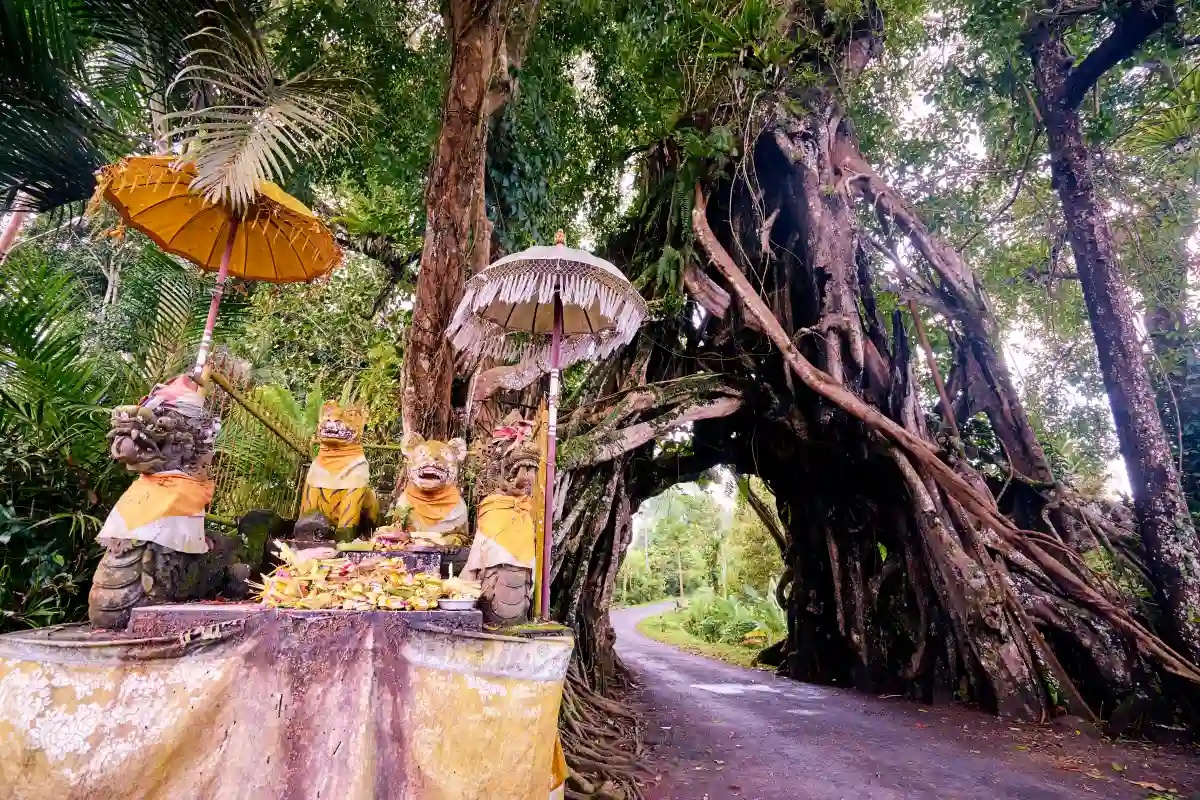
Stretching along Bali’s northeastern coastline, Amed offers a different side of the island. Instead of bustling beach clubs and commercial attractions, this coastal region is known for its volcanic beaches, colourful coral reefs, traditional fishing villages, and spectacular views of Mount Agung.
While many travellers visit Amed for its world-class snorkeling and diving, the area also provides valuable insights into the relationship between coastal communities and the sea. From centuries-old salt farming traditions to marine conservation initiatives, Amed is a destination where nature, culture, and local livelihoods remain closely connected.
Whether you’re planning a day trip or a longer stay, this Amed travel guide explores the best experiences while highlighting how responsible travel can support the future of East Bali.
Explore Amed’s Best Snorkeling and Diving Spots
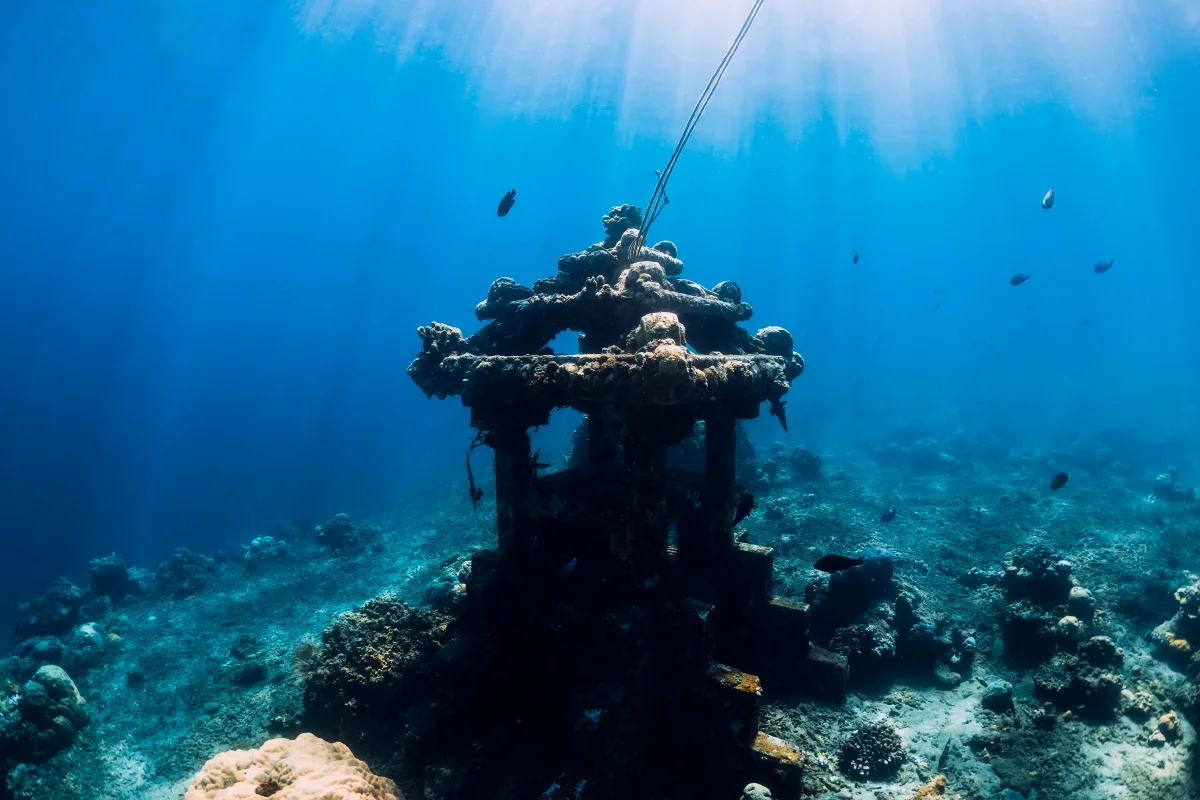
Amed is widely recognised as one of the best places for snorkeling and scuba diving in Bali. Calm waters, healthy coral reefs, and excellent visibility make the coastline suitable for both beginners and experienced divers.
Some of the most popular underwater sites include:
Jemeluk Bay
One of the most accessible snorkeling spots in Amed, Jemeluk Bay features calm waters, coral gardens, and an underwater temple that can be reached directly from the shore. The bay is also a popular location for freediving and swimming, making it ideal for visitors of all experience levels.
Lipah Beach
Located a short drive from central Amed, Lipah Beach is known for its relaxed atmosphere, black volcanic sand, and thriving coral reefs. The shallow waters support a variety of tropical fish, making it one of the best places for leisurely snorkeling in East Bali.
Japanese Shipwreck
Near Banyuning Village lies the Japanese Shipwreck, a small historical wreck resting in shallow water. Covered with soft corals and surrounded by reef fish, it is easily accessible to snorkellers and provides a fascinating combination of history and marine life.
USAT Liberty Shipwreck
Although located in nearby Tulamben, the USAT Liberty Shipwreck is often included in Amed diving itineraries. The World War II shipwreck sits just offshore and is home to sea turtles, schooling fish, macro marine life, and vibrant coral growth, making it one of Bali’s most famous dive sites.
Read also: Bali’s Underwater Wonders: Top 5 Snorkeling Spots in Bali
Beyond the Reef: Discover Amed’s Coastal Traditions
While the ocean is Amed’s biggest attraction, the surrounding communities have long depended on the sea for their livelihoods.
One of the area’s most distinctive traditions is salt farming. For generations, local families have harvested sea salt using traditional methods that involve evaporating seawater in hollowed coconut tree trunks before drying it under the sun. This slow, labour-intensive process continues today and represents an important part of Amed’s cultural heritage.
Early each morning, colourful jukung outrigger boats return from fishing trips along the coast. Some local fishermen now welcome visitors on sunrise boat excursions, offering a unique opportunity to experience the coastline while learning about traditional fishing practices that continue to support village life.
Enjoy Some of the Best Views in East Bali
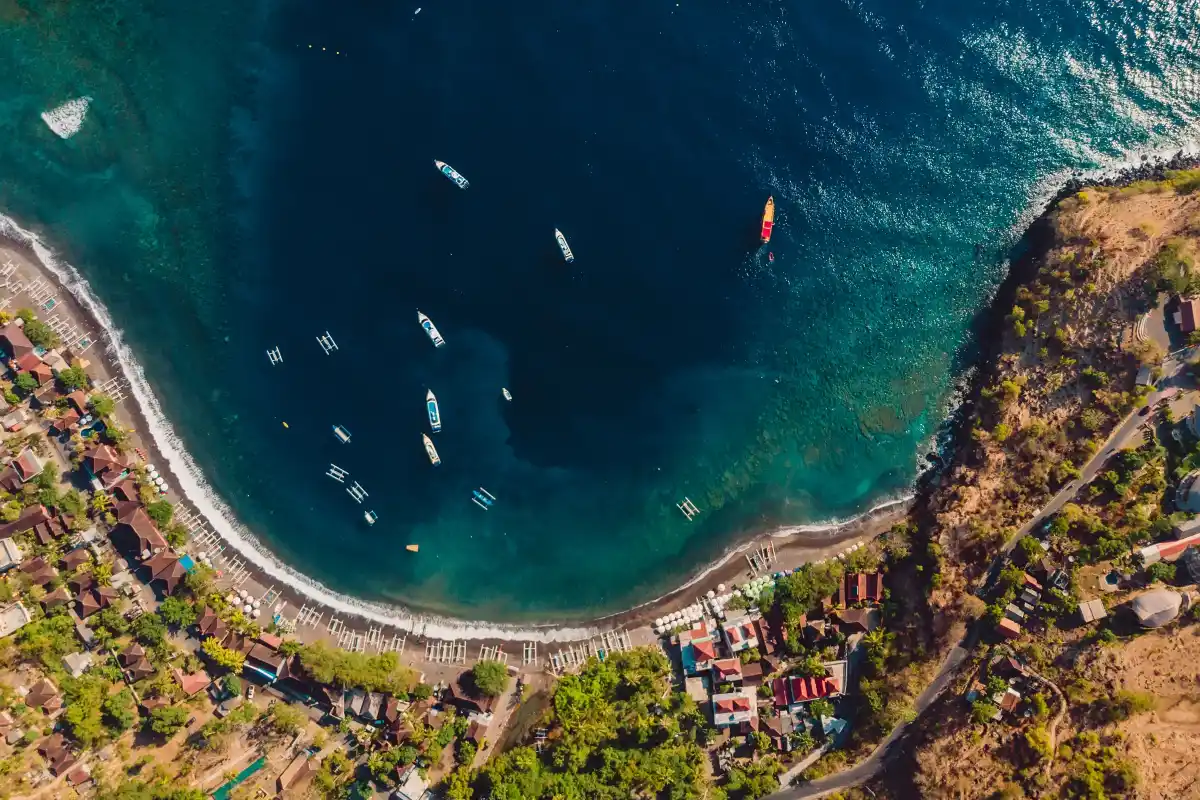
One of the highlights of visiting Amed, Bali is its unique landscape, where volcanic mountains meet the sea. Along the coastline, visitors can enjoy sweeping views of Mount Agung, especially from the hills overlooking Jemeluk Bay.
Sunrise and sunset are particularly rewarding times to explore these viewpoints, offering dramatic scenery that has made Amed one of the most scenic destinations in East Bali. Whether you’re hiking to a lookout, relaxing by the beach, or enjoying dinner with a view, the changing light over the coastline showcases a quieter, more authentic side of Bali that’s often missed by visitors to the island’s busier regions.
Travel Responsibly While Visiting Amed
The beauty of Amed depends on the health of its marine ecosystems and the resilience of its local communities. Responsible travel helps protect both.
Here are a few ways to explore Amed sustainably:
- Choose reef-friendly snorkeling and diving operators that promote responsible marine practices.
- Avoid touching coral reefs or marine wildlife, even when snorkeling in shallow water.
- Support local businesses by dining at family-owned warungs, staying in locally managed accommodation, and purchasing products directly from traditional salt farmers.
- Reduce plastic waste by carrying a reusable water bottle and refusing single-use plastics whenever possible.
- Respect village life by asking permission before photographing people and being mindful when visiting cultural sites.
These small choices contribute to sustainable tourism in Bali while helping preserve Amed’s natural and cultural heritage.
Read also: Bali Islands Guide: Culture, Nature, and Responsible Travel Across Bali Islands Destinations
What You Can Learn from Visiting Amed
Amed offers far more than beautiful beaches and underwater adventures. It provides an opportunity to understand how marine ecosystems, traditional livelihoods, and community-based tourism are interconnected.
Visitors can learn about the importance of coral reef conservation, discover how healthy reefs support fisheries and marine biodiversity, and gain insight into why responsible diving and snorkeling are essential for protecting fragile underwater ecosystems.
Exploring Amed also reveals how traditional salt farming in Bali continues to preserve local knowledge while supporting family livelihoods. Together, these experiences demonstrate how cultural heritage and environmental conservation can exist side by side.
For students, educators, and curious travellers, Amed is a valuable destination for understanding the balance between tourism, community, and nature in East Bali.
Frequently Asked Questions
What is Amed Bali known for?
Amed, Bali is known for its excellent snorkeling, scuba diving, freediving, traditional fishing villages, salt farming, and panoramic views of Mount Agung.
What are the best snorkeling spots in Amed?
Popular snorkeling spots include Jemeluk Bay, Lipah Beach, and the Japanese Shipwreck. Many visitors also combine their trip with the nearby USAT Liberty Shipwreck in Tulamben.
Is Amed good for beginner snorkelers?
Yes. Calm waters at locations such as Jemeluk Bay and Lipah Beach make Amed one of the best places in Bali for beginner snorkelers.
Can you see traditional salt farming in Amed?
Yes. Several coastal communities in Amed continue to produce sea salt using traditional methods that have been passed down through generations.
How many days should you spend in Amed?
Many visitors spend 2–3 days exploring Amed’s snorkeling and diving sites, beaches, cultural experiences, and surrounding attractions in East Bali.
Experience East Bali Through Bali Institute
Some of Bali’s most valuable lessons are found beyond the classroom. Through immersive educational experiences, Bali Institute helps participants explore how coastal communities, marine ecosystems, and local traditions shape life in East Bali.
From Teen Exploration program that introduce students to environmental and cultural learning, to University Experience program that connect academic study with field-based research, each journey is designed to encourage meaningful engagement. Adult Learning Journey program offer opportunities to explore Bali’s coastal heritage, while Customised CSR Group Program create purposeful experiences centred around sustainability, community partnerships, and responsible travel.
By engaging with local communities, marine environments, and traditional livelihoods, participants gain a deeper understanding of how destinations like Amed continue to balance cultural heritage, environmental conservation, and sustainable tourism.