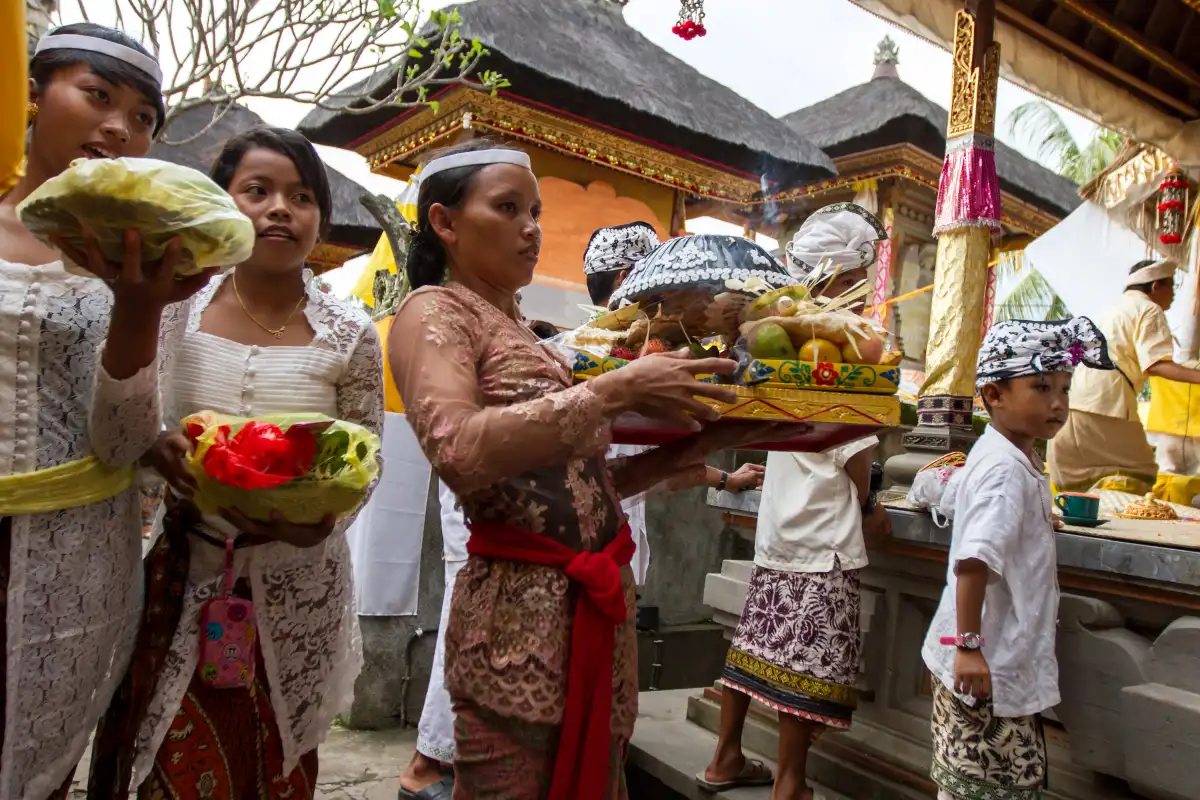
When we talk about authentic Bali, we are not only talking about temples, beaches, or rice fields. One of the most revealing ways to understand daily life on the island is through its local markets. From early morning produce stalls to vibrant night food markets, local markets in Bali offer a direct connection to Balinese culture, flavors, and craftsmanship. We believe that visiting these markets is not just about shopping, but about learning how locals live, eat, and interact.
In this guide, we will walk you through the types of local markets in Bali, what to buy at each one, when to visit, and how to shop respectfully and confidently like a local.
Read also: What to See in Bali: A Complete Guide to Temples, Beaches, and Cultural Wonders
Types of Local Markets in Bali
Local markets in Bali generally fall into three main categories, each serving a different purpose and atmosphere.
Morning produce markets
These markets usually open before sunrise and are primarily designed for locals. You will see vendors selling fresh vegetables, tropical fruits, spices, herbs, fish, meat, and traditional snacks. The focus here is daily necessity rather than souvenirs, making it one of the most authentic market experiences in Bali.
Art and traditional souvenir markets
Art markets are where locals sell handicrafts, textiles, paintings, wood carvings, silver jewelry, and home decor. These markets attract both locals and visitors, especially in cultural centers like Ubud. Bargaining is common, and the items are often made by local artisans or sourced from nearby villages.
Night markets
Night markets come alive in the evening and are all about food. You will find grilled satay, fried rice, noodle dishes, desserts, and refreshing drinks. The atmosphere is lively, social, and relaxed, making it perfect for travelers who want to experience Bali through its street food culture.
What to Buy at Each Market Type
Understanding what each market specializes in helps you shop with purpose and avoid impulse purchases that may not suit your needs.
Fresh fruit and traditional snacks
At morning markets, look for seasonal fruits like mangosteen, salak, rambutan, and bananas in many varieties. You will also find local snacks such as jajan pasar, which are traditional Balinese cakes made from rice flour, coconut, and palm sugar.
Textiles and handicrafts
Art markets are the best place to buy batik fabrics, woven bags, sarongs, wood carvings, and handmade souvenirs. We recommend asking where the items come from and how they are made. Vendors are often happy to share the story behind their products.
Street food staples
Night markets are ideal for tasting local favorites such as nasi goreng, mie goreng, satay lilit, bakso, martabak, and sweet treats like pisang goreng. Start with small portions so you can try more dishes without feeling overwhelmed.
Read also: 9 Tips for Sustainable Products Shopping in Bali : Eco-Conscious Traveler’s Guide
Best Time to Visit Local Markets in Bali
Timing makes a big difference when visiting markets.
Morning produce markets are best visited early, ideally between 5 and 8 AM, when the produce is freshest and the atmosphere is most active. Night markets usually start getting busy after 6 PM and continue until late evening. Art markets tend to be busiest from late morning to afternoon, especially in popular tourist areas.
The Art of Bargaining: A Etiquette Guide
Bargaining is expected in local markets, but it is not a war. It is a social transaction.
- Do: Start with a friendly smile. Offer a price that is lower than what you are willing to pay, but keeps the conversation going.
- Don’t: Bargain at morning produce markets (prices are fixed and low) or food stalls.
- Remember: A few thousand Rupiah might mean 50 cents to you, but it matters to the vendor. If the price is fair, buy it with gratitude.
How to Spot Quality and Avoid Tourist Traps
To spot quality items, take your time. Examine stitching on textiles, check the weight and finish of crafts, and do not hesitate to ask questions. Markets that cater mostly to locals usually offer more genuine products and fairer prices. If something feels overly staged or aggressively sold, it may be aimed primarily at tourists rather than reflecting local craftsmanship.
Read also: Bali Eco-Friendly Souvenirs: What to Buy (and How to Avoid Greenwashing)
Hygiene and Safety Tips for Street Food
Street food in Bali is generally safe when you follow a few simple rules. Choose stalls with high turnover, where food is cooked fresh and served hot. Avoid food that has been sitting out too long. Use hand sanitizer before eating, and drink only bottled or filtered water. Trust your instincts and listen to your body.
What to Bring When Visiting Local Markets
We suggest bringing small cash in Indonesian rupiah, as most vendors do not accept cards. A reusable shopping bag is useful and environmentally friendly. Hand sanitizer, wet wipes, and sun protection will also make your visit more comfortable, especially during long walks.
Suggested Market Itineraries
One of our favorite ways to experience local markets in Bali is to combine activities. For example, you can visit a morning produce market followed by a Balinese cooking class using ingredients you just bought. Another option is pairing an art market visit with a village craft workshop, or ending your day at a night market after exploring temples or rice terraces. These combinations turn market visits into meaningful cultural experiences.
Frequently Asked Questions
Are Bali local markets cash only
Yes, most local markets in Bali operate with cash payments only. Small bills are preferred.
Is bargaining expected in Bali markets
Bargaining is expected in art and souvenir markets, but not usually in morning produce markets where prices are already low.
What is the difference between art markets and traditional markets
Traditional markets focus on daily necessities like food and household items for locals, while art markets focus on crafts and souvenirs for both locals and visitors.
Experience Balinese Local Markets with Purpose
At Bali Institute, we transform local market visits into meaningful learning experiences that go beyond simple sightseeing. Whether it’s Teen Exploration programs for students seeking adventure and learning, University Experience programs that bring academic study into real-world contexts, Adult Learning Journey programs for communities looking to immerse in a cultural infused itinerary, or CSR-focused excursions for companies looking to connect with the ethical artisans supported by our Foundation Makadaya, we ensure your interactions directly benefit the local economy. Join us to explore these vibrant hubs not just as a tourist, but as a conscious traveler supporting sustainability and fair trade craftsmanship.