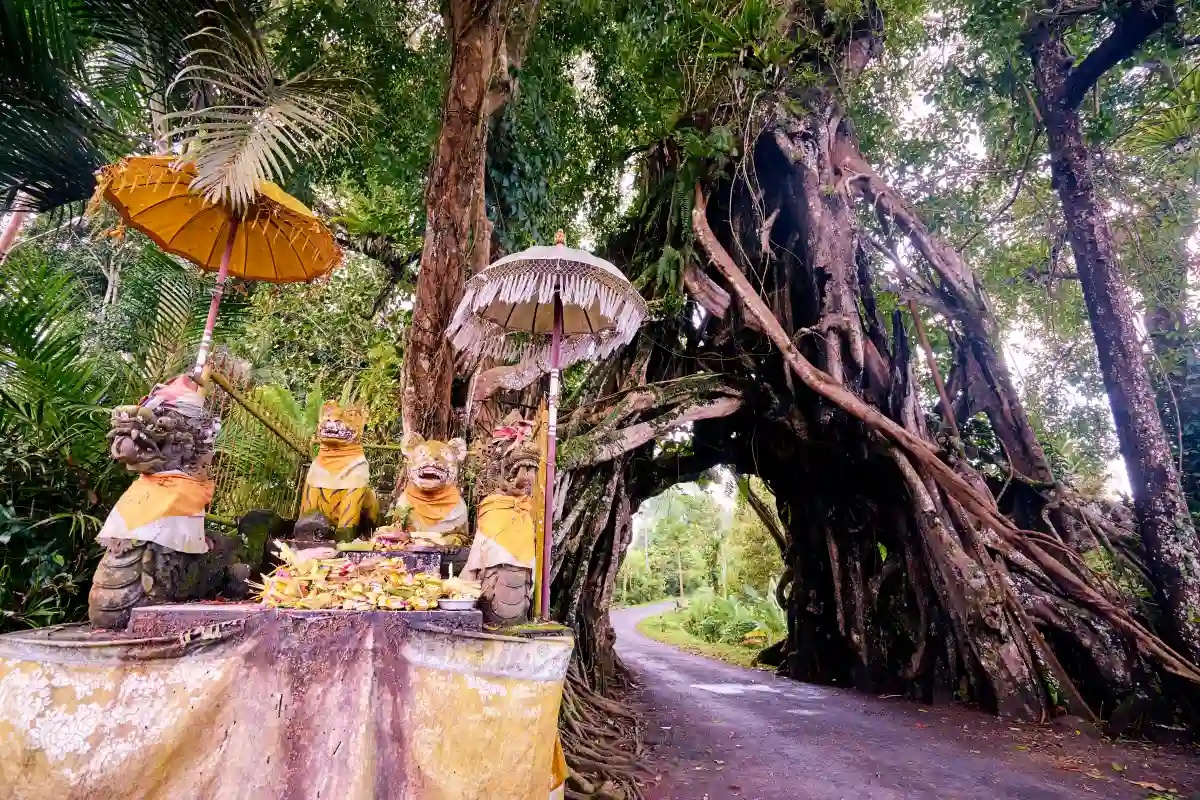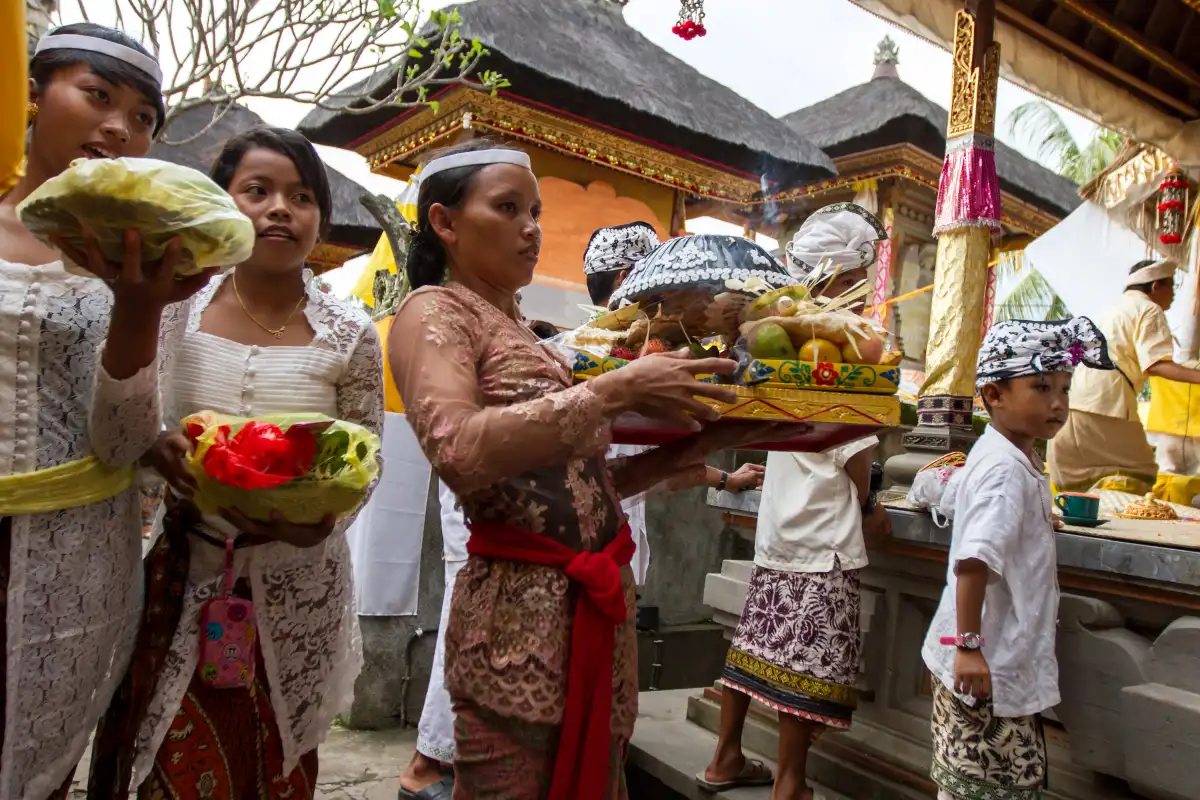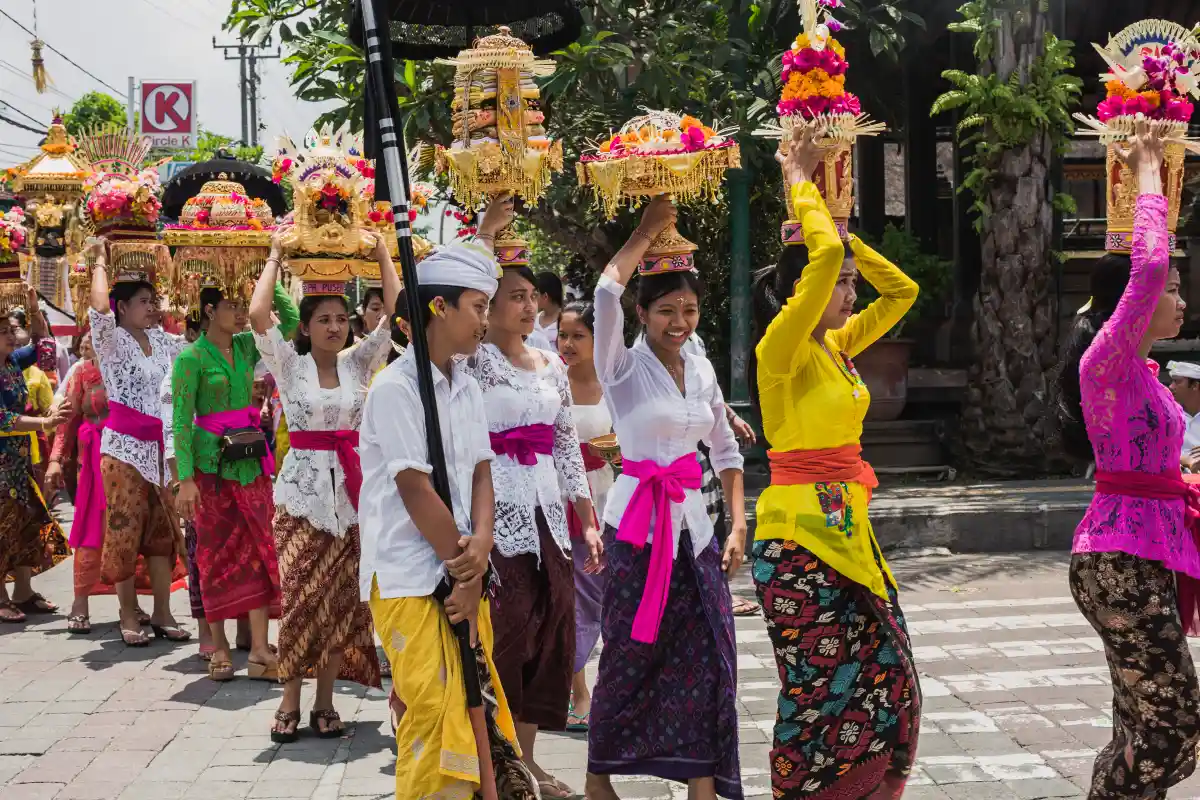
While Bali is often celebrated for its coastal areas, the true cultural core of the island lies inland. Gianyar is recognized as the artistic and historical center of Bali, home to centuries-old heritage sites, traditional craftsmanship, and deeply rooted community practices. For eco-conscious travelers, student groups, and purpose-driven organizations, Gianyar offers a destination where you can engage directly with Balinese history while actively supporting sustainable tourism.
Why Gianyar is Bali’s Cultural Heartland
Located in the central part of Bali, Gianyar is defined by its active traditional villages, working rice terraces, and extensive temple networks. It is the epicenter of Balinese identity, where art, spirituality, and daily community life intersect. Visiting Gianyar goes beyond standard sightseeing; it is an opportunity to connect authentically with local residents, understand their traditions, and contribute to the preservation of the island’s cultural heritage.
Read also: Best Things to Do in Pemuteran, Bali’s Quiet Coral Sanctuary
Signature Heritage Sites in Gianyar
As we embark on our cultural exploration, here are some must-visit heritage sites that highlight why Gianyar is so significant.
Tirta Empul: Holy Spring Temple and Water Heritage

Tirta Empul is a sacred water temple famous for its holy spring, where locals and visitors alike come to purify themselves. This site holds deep spiritual significance for the Balinese, as the water is believed to have healing properties. As we visit, let’s remember to respect the customs and traditions that surround this sacred place. Participating in a purification ritual can be a profound experience, but we should always be mindful of our impact.
Goa Gajah: Elephant Cave, Archaeology + Sacred Landscape

Goa Gajah, also known as the Elephant Cave, dates back to the 11th century and is a UNESCO World Heritage Site. This archaeological wonder features intricate carvings and ancient relics set amidst lush surroundings. Exploring this site, we can appreciate the artistry of ancient Balinese culture while also reflecting on the importance of preserving such historical treasures for future generations.
Gunung Kawi Tampaksiring: Rock-Cut Shrines in the River Valley

Gunung Kawi is renowned for its impressive rock-cut shrines, which are carved into the cliffs overlooking a lush river valley. This site is not just a visual marvel; it also offers insights into Bali’s ancient rituals and beliefs. As we walk through the area, we should tread lightly, ensuring that we leave no trace and respect the natural beauty surrounding us.
Read also: Gunung Kawi Balinese Temple Guide: History, Admission, Dress Code & Best Times to Visit
Yeh Pulu Reliefs: River-Edge Heritage Walk in Bedulu

For those of us who love a good walk, the Yeh Pulu reliefs offer a unique opportunity to explore Balinese history through a scenic trail. The carvings depict various stories from ancient times, and the tranquil river setting enhances the experience. Let’s take our time here, observing the intricate details while being careful to preserve this precious site.
Read also: Tirta Gangga Water Palace: A Sustainable Visitor Guide to Bali’s Water Heritage
Sustainability Lens: How to Visit Heritage Sites Without Harming Them
As mindful travelers, we have the responsibility to protect the sites we visit. Here are some practical tips for enjoying Gianyar’s cultural heritage without leaving a negative impact:
- Follow Local Guidelines: Always respect the rules and customs of each site. This includes dress codes, photography restrictions, and behavior within sacred spaces.
- Limit Waste: Bring reusable water bottles and bags to minimize plastic waste. It’s essential to keep these cultural sites pristine.
- Visit Off-Peak: Early morning visits can help reduce crowd pressure and allow for a more intimate experience with the heritage sites.
The “Water Culture” Connection: Subak and the Pakerisan Watershed
One integral part of Bali’s cultural landscape is its water management system known as Subak. This cooperative irrigation system not only sustains the rice fields but also links to the temples, including Tirta Empul. The Pakerisan watershed is vital in maintaining this balance, showcasing the interdependence of nature and culture. Understanding this connection enhances our appreciation for the local way of life and highlights the importance of sustainability in preserving these traditions.
Read also: The Magnificent Subak System: UNESCO World Heritage Status
Low-Impact 1-Day Itinerary: Heritage Loop
To make the most of our time in Gianyar while minimizing our carbon footprint, we can create a low-impact itinerary. Here’s a suggested heritage loop:
- Morning: Start at Tirta Empul for a purification ritual, followed by a short walk to Gunung Kawi.
- Lunch: Enjoy a meal at a local warung (small eatery) that sources ingredients sustainably.
- Afternoon: Head to Goa Gajah and then take a leisurely stroll to the Yeh Pulu reliefs.
- Evening: Wrap up with a sunset view at a nearby rice terrace, taking time to reflect on the day’s experiences.
By clustering our visits, we can cut down on driving and truly savor the beauty of Gianyar.
Spend That Supports Conservation
When we choose to support the local economy, we help in the conservation efforts of these cultural sites. Here’s how we can make a positive impact:
- Hire Local Guides: Engaging local guides not only enriches our experience but also contributes to the community.
- Buy Local Crafts Ethically: Choose to purchase handmade crafts from local artisans, ensuring fair compensation and supporting the preservation of traditional arts.
- Use Official Ticketing: Always buy tickets from official sources to ensure that funds contribute to the upkeep of these sites.
FAQs
What are the must-visit cultural heritage sites in Gianyar?
Must-visit sites include Tirta Empul, Goa Gajah, Gunung Kawi, and Yeh Pulu reliefs. Each offers a unique glimpse into Balinese heritage.
How can tourists help protect temples and archaeological sites in Bali?
Tourists can help by following local customs, minimizing waste, and choosing to support local economies.
Travel Mindfully With Bali Institute
As you plan your trip to Gianyar, consider joining programs offered by Bali Institute, a premier travel agency that focuses on sustainability-based group experiences. They provide immersive educational journeys, including:
- Teen Exploration for student groups seeking adventure and learning: Teen Exploration
- University Experience for college students looking to expand their horizons: University Experience
- Adult Learning Journey for communities wanting a culturally infused itinerary: Adult Learning Journey
- Customized CSR Group Tour Program for companies focusing on sustainability: Corporate Social Responsibility and ESG
Let’s embrace the rich cultural tapestry of Gianyar while being mindful stewards of the environment and the heritage we cherish.