Hidden in the remote highlands of northern Bali, Lake Tamblingan (Danau Tamblingan) is far more than a scenic backdrop for trekking and canoeing. Surrounded by ancient rainforests, sacred water temples, and traditional villages, this pristine caldera lake is a critical artery in Bali’s complex hydrological system.
While many visitors are drawn to its misty, untouched landscapes, the true significance of Lake Tamblingan lies in its role as a living model of community-based environmental stewardship. For conscious travelers and educational groups, exploring these highland ecosystems provides a rare opportunity to witness “sacred ecology” in action; revealing exactly how forest conservation, biodiversity, and indigenous cultural practices work together to protect the island’s most vital resource: water.
Read also: Munduk Bali: Guide to Waterfalls, Coffee Farms & Village Life
Lake Tamblingan and Its Highland Ecosystem
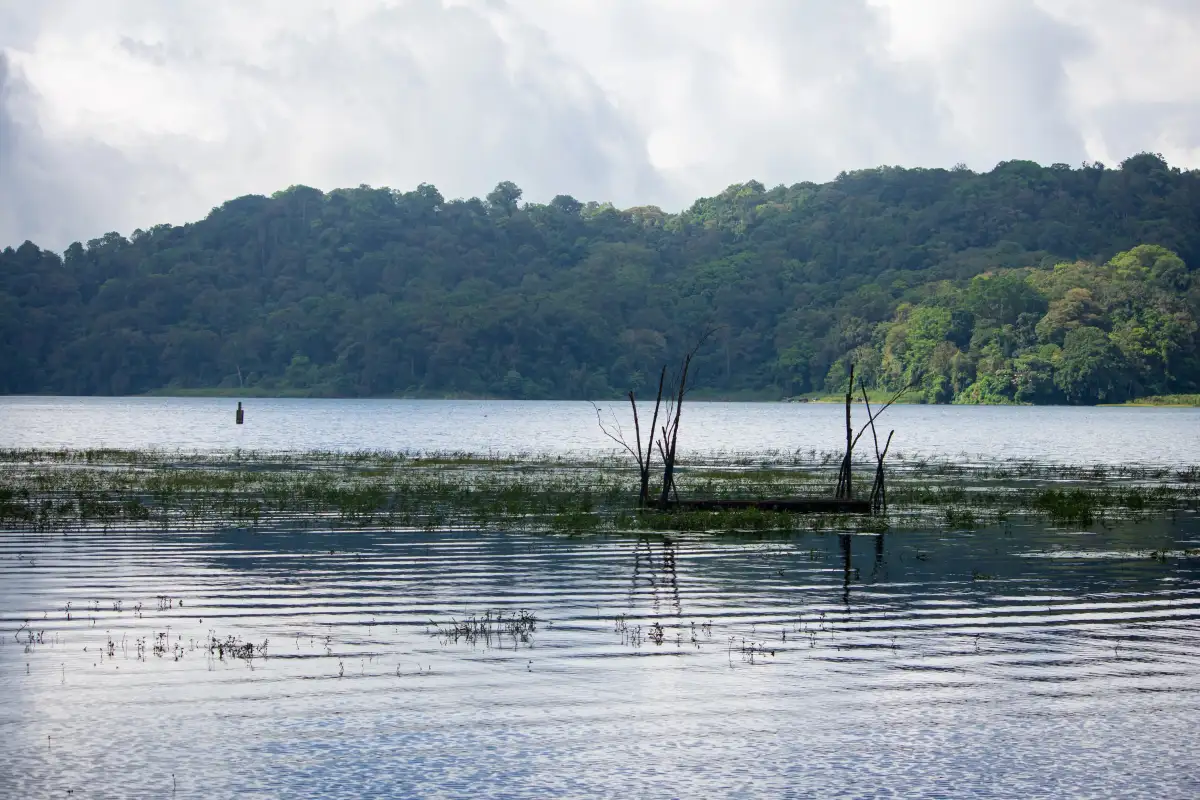
Lake Tamblingan Bali sits in a cool highland environment surrounded by forest. Together, the lake and its surrounding landscape form an ecosystem that supports plants, wildlife, and local water resources.
The surrounding forest is particularly important for the lake’s water catchment function. Forested areas help absorb and store rainfall, regulate water flow, and maintain the ecological conditions around the lake.
The cooler mountain climate also creates a different environment from Bali’s coastal areas. Walking through the forest can reveal a variety of vegetation while offering opportunities to observe how forests and freshwater ecosystems interact. This makes Danau Tamblingan an interesting setting for learning about highland ecology and the importance of protecting water sources.
Read also: Bali Animal Conservation Guide: Top Sanctuaries, Wildlife Projects, and Ethical Tourism
Water, Forest, and Sacred Landscapes
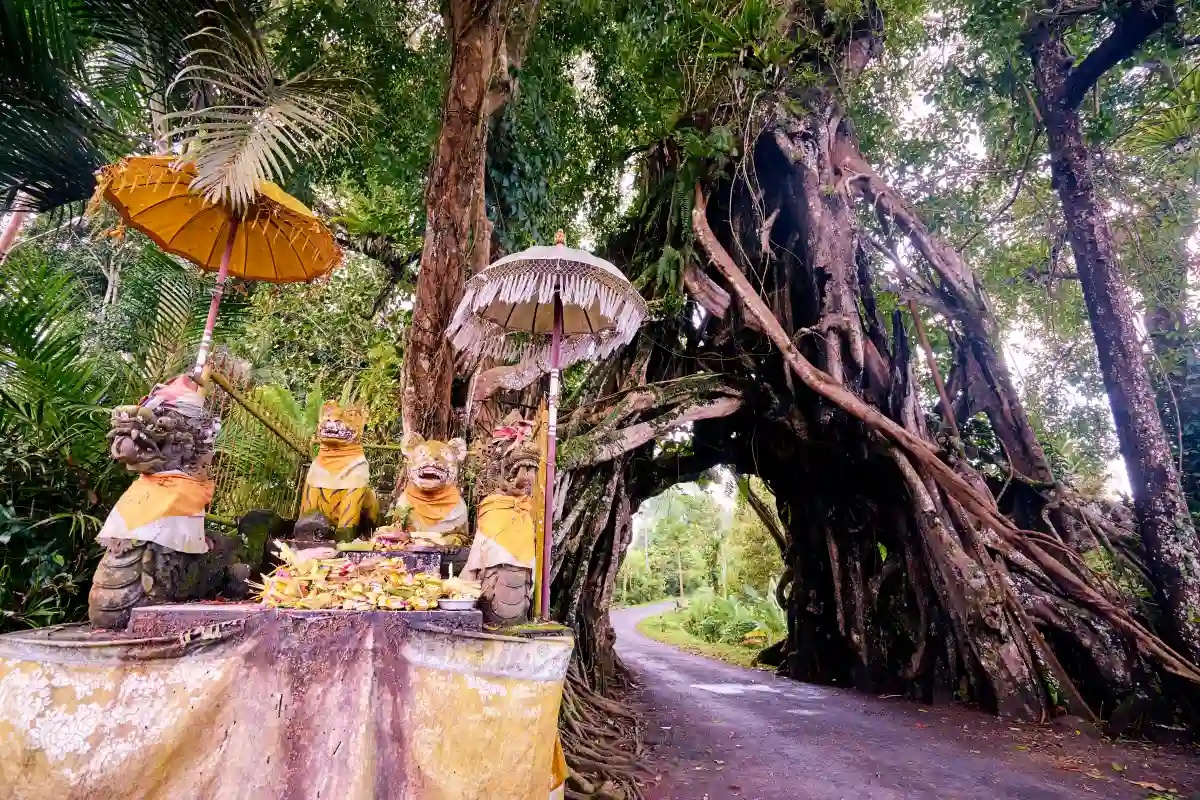
The landscape around Lake Tamblingan Bali shows how environmental and cultural values can exist side by side. The lake is surrounded by Alas Mertajati, a forest area closely connected to the cultural and spiritual traditions of communities around Tamblingan.
The forest plays an important ecological role by helping protect the lake and its water resources, while the surrounding temples and sacred sites reflect the area’s long standing spiritual significance. In Balinese Hindu traditions, water is also closely associated with purification, ceremonies, and life.
Together, the lake, forest, temples, and surrounding landscape form a connected system. Understanding Tamblingan’s sacred landscape means looking beyond the water itself and recognizing how environmental protection, spirituality, and place are interconnected.
Read also: A Sustainable Guide to Ulun Danu Beratan Temple: Embracing Bali’s Water Culture
Masyarakat Adat Dalem Tamblingan and Community Guardianship
The protection of Lake Tamblingan and the surrounding forest is also connected to Masyarakat Adat Dalem Tamblingan (MADT), a traditional community whose relationship with the landscape is rooted in generations of local knowledge and cultural practice.
MADT’s role highlights an important aspect of conservation in Bali: environmental protection can be closely connected to customary institutions, cultural responsibilities, and community identity.
The forest and lake are not viewed only as natural resources. They are part of a larger cultural landscape that communities have responsibilities toward. Traditional knowledge can therefore contribute to decisions about how the forest and water systems should be used and protected.
This community based approach offers an important perspective on conservation. Protecting an ecosystem is not always separated from protecting culture. In Tamblingan, the two are closely connected.
Read also: Village Governance and Customary Law: Penglipuran Village Bali Guide
Exploring Lake Tamblingan Through Experiential Learning
The landscape around Lake Tamblingan provides opportunities to learn through direct observation and local interpretation.
Depending on the program, activities can include:
- Eco trekking through the surrounding highland forest.
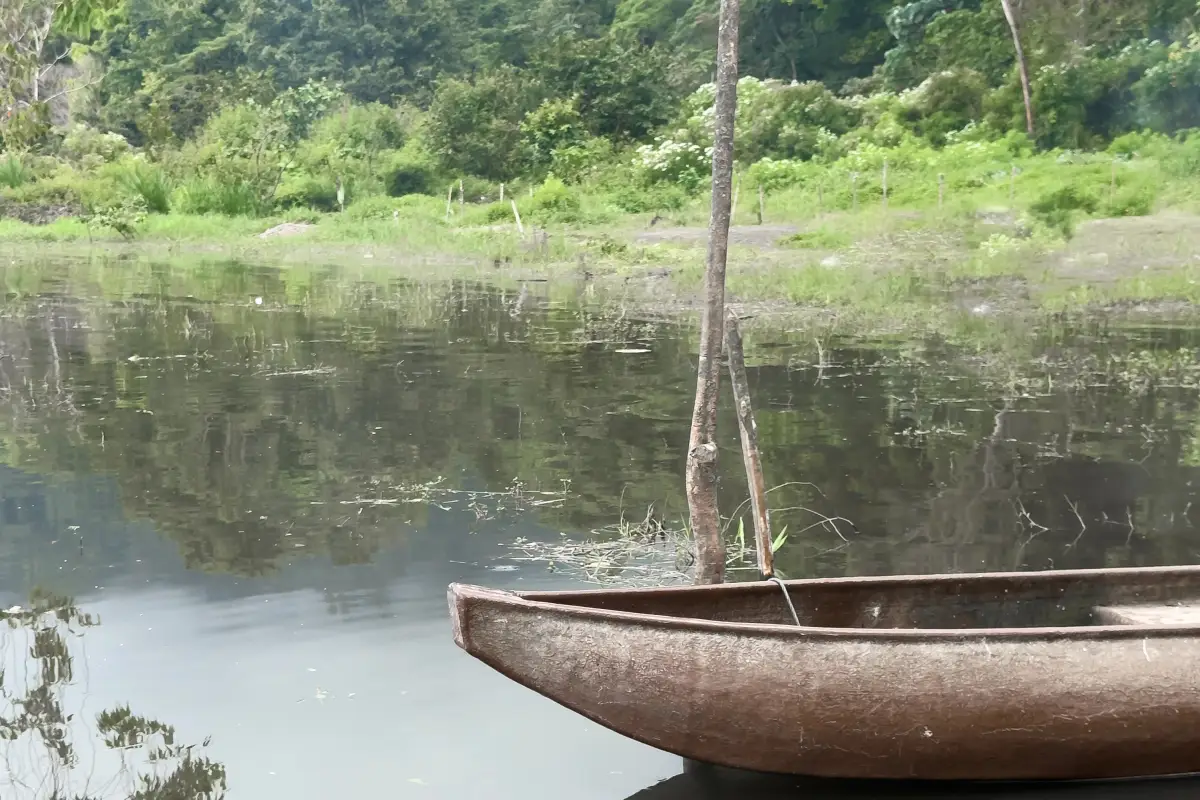
- Traditional canoeing to experience the lake from the water.
- Forest observation focused on plants, wildlife, and ecosystem relationships.
- Water conservation activities exploring how forests contribute to freshwater systems.
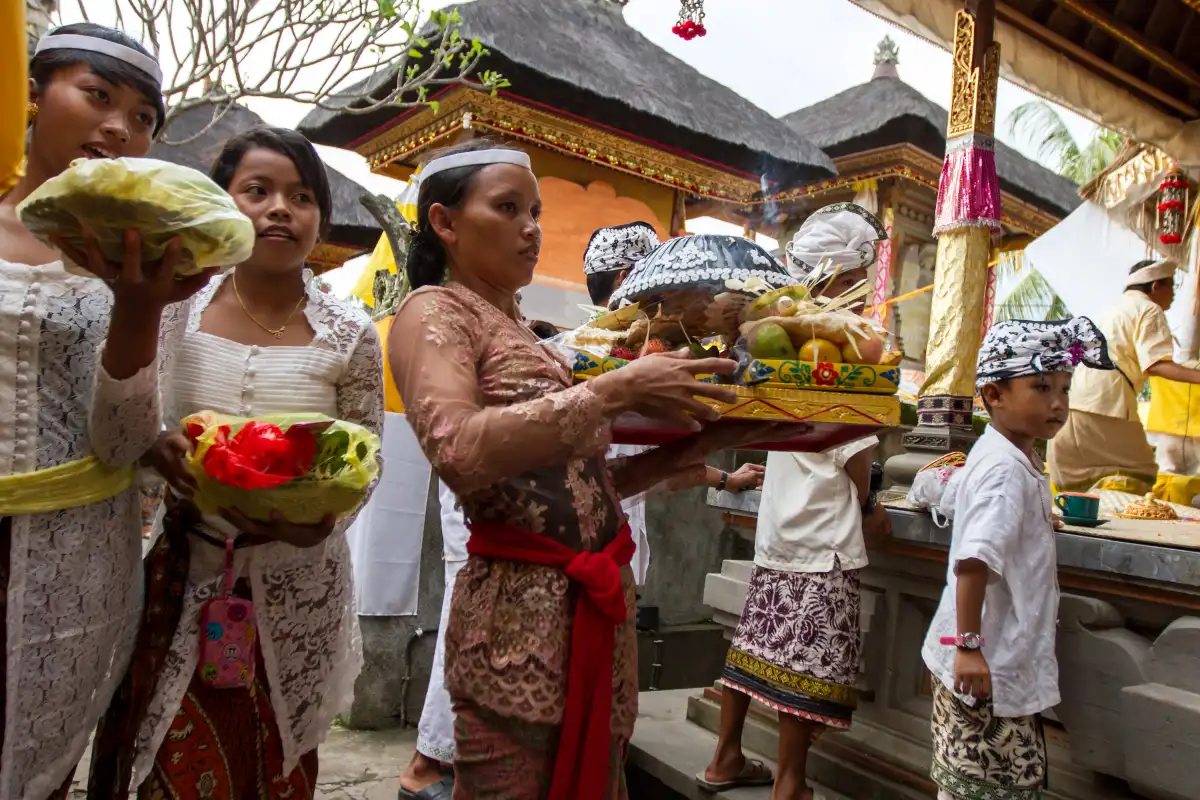
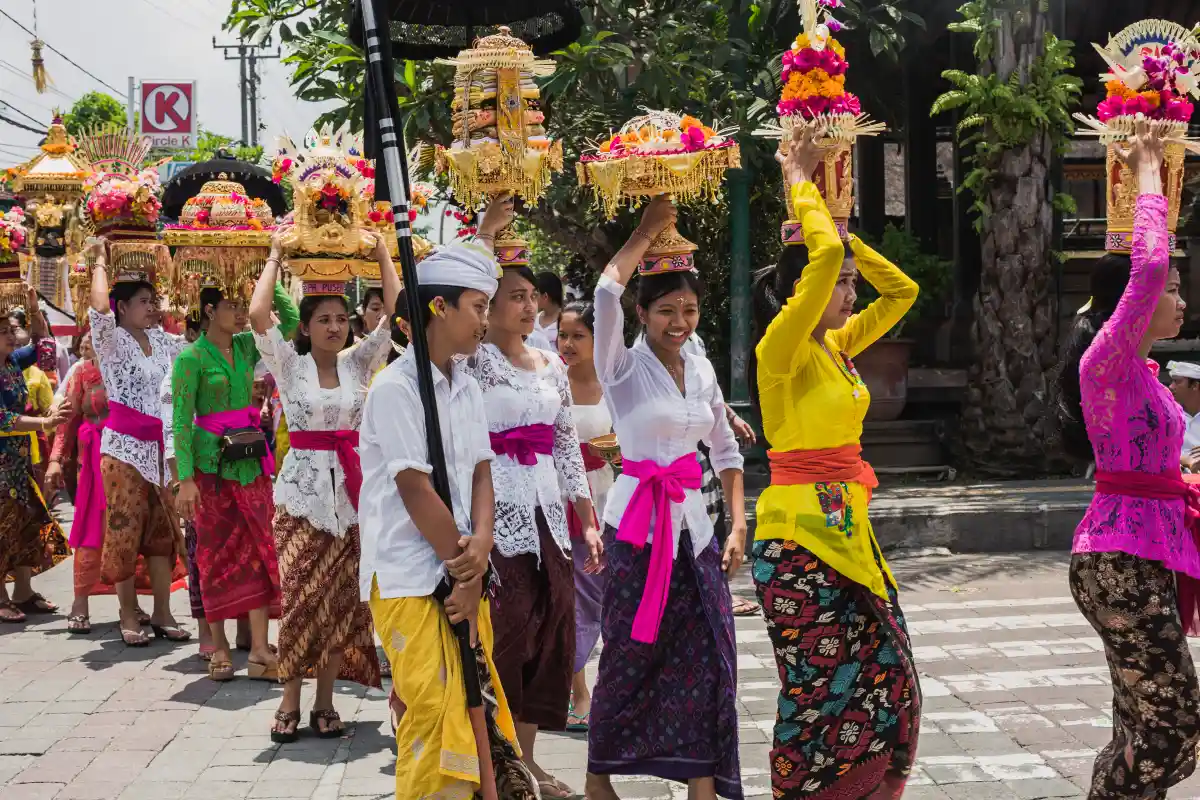
- Cultural interpretation focused on temples, sacred landscapes, and local traditions.
- Community based learning with local guides and knowledge holders.
These activities can help connect environmental concepts with the physical landscape. Instead of learning about conservation only in a classroom, participants can see how water, forests, culture, and communities interact in one place.
Read also: Experiential Education in Bali: Sustainable Learning Through Culture, Nature, and Community
What Can We Learn from Lake Tamblingan?
Lake Tamblingan offers a practical example of how ecological and cultural systems can overlap. The lake demonstrates the importance of highland forests in protecting water resources. The surrounding sacred landscape shows how environmental values can be connected to cultural traditions. Community guardianship demonstrates how local knowledge and customary responsibilities can contribute to conservation.
These connections can support learning in areas such as environmental science, conservation, sustainability, geography, anthropology, and cultural studies. The most valuable lesson may be that sustainability is not only about protecting nature. It can also involve uznderstanding the relationships between ecosystems, communities, cultural values, and the resources people depend on.
Read also: Why Bali Is an Excellent Study Destination for Student Groups
Visiting Lake Tamblingan Responsibly
Because Lake Tamblingan is both an ecological and culturally significant landscape, responsible behavior is especially important.
When visiting Danau Tamblingan, consider these practices:
- Use local guides who can provide context about the environment and cultural landscape.
- Stay on appropriate paths and avoid damaging vegetation.
- Take your rubbish with you and avoid single use waste where possible.
- Keep noise levels low, particularly around wildlife and sacred areas.
- Respect temples and sacred sites by following local customs and guidance.
- Do not disturb wildlife or remove plants and other natural materials.
- Follow local regulations regarding activities on and around the lake.
Read also: Bali Mangrove Forest Guide: Tahura Ngurah Rai and Blue Carbon Conservation
A respectful visit helps protect the landscape while allowing local communities to remain part of its long term stewardship.
Learn About Reverence for Water and Indigenous Community’s Conservation in Bali with Bali Institute
Lake Tamblingan provides a powerful, real-world setting for understanding the delicate balance between Bali’s highland forests, critical water systems, and local communities. At Bali Institute, we design immersive, field-based educational experiences that connect international participants directly with this sacred ecology and local stewards who protect it.
An experiential learning program at Lake Tamblingan goes far beyond traditional eco-trekking. It invites participants to investigate complex global topics such as water conservation, tropical biodiversity, and sustainable development through a uniquely Balinese cultural lens. By engaging directly with indigenous environmental practices, students discover how deeply rooted cultural values and traditional knowledge drive effective, long-term environmental protection.
Whether you are planning a Teen Exploration program to introduce high schoolers to global environmental heritage, a faculty-led University Experience examining environmental science and anthropology, an Adult Learning Journey focused on deep cultural ecology, or a Customized CSR Group Tour dedicated to actionable conservation, we tailor our itineraries to your precise academic and impact goals. Through Bali Institute, Lake Tamblingan transforms from a beautiful highland destination into a profound lesson on how water, forests, and community must work together to build a sustainable future.