Perched in Bali’s central highlands, the mountain village of Munduk offers a stark contrast to the island’s bustling coastal hubs. Shaped by fertile volcanic soil, cool temperatures, and generations of farming traditions, this region serves as an exceptional living classroom for experiential learning abroad.
Here, coffee plantations, clove forests, and vital watersheds form an interconnected ecological network where community livelihoods depend entirely on sustainable land management.For institutions organizing group student trips or designing custom faculty-led study abroad programs, Munduk provides a rare opportunity to study the direct intersection of agriculture, biodiversity, and local economics.
Rather than simply touring natural landscapes, academic cohorts and mindful travelers can engage directly with local farmers and sustainable practices, making this highland village an ideal destination for fostering global citizenship education and environmental awareness.
A Landscape That Teaches Sustainability
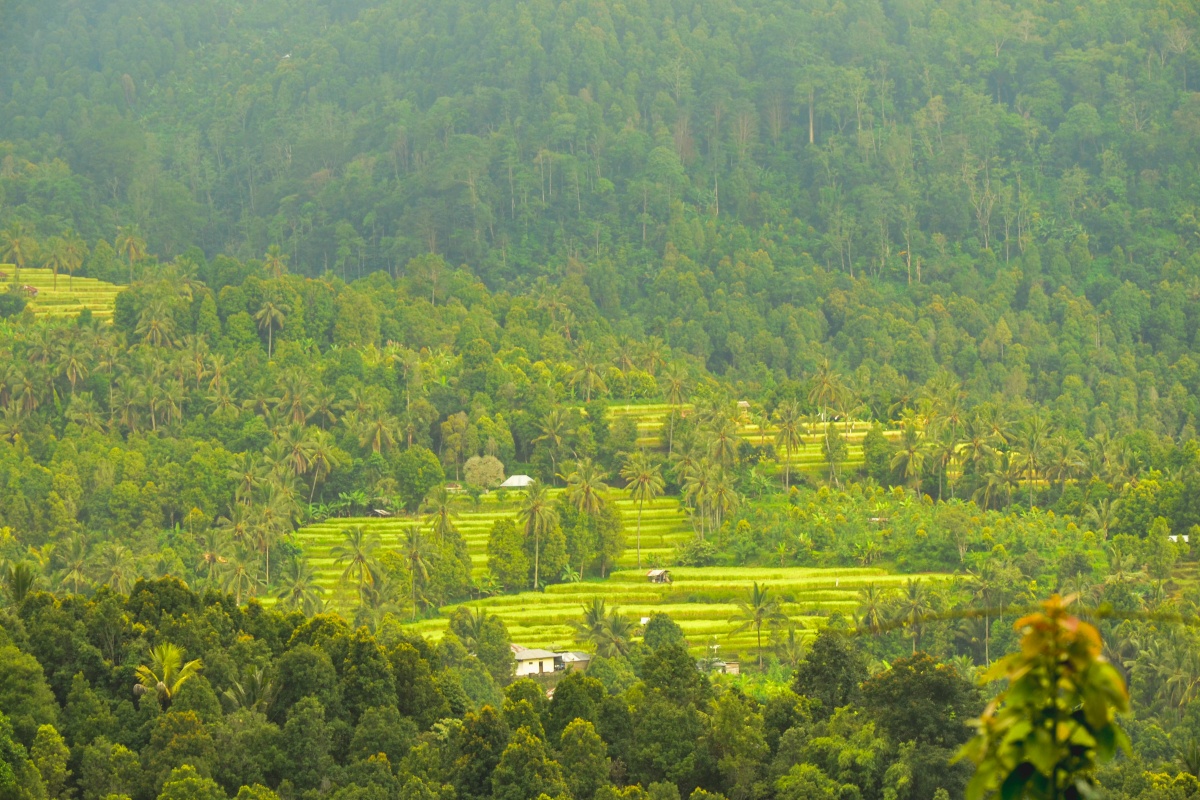
One of the first things visitors notice about Munduk is that the landscape feels different from much of southern Bali. Instead of large resorts or extensive rice fields, the hills are covered with coffee shrubs, towering clove trees, cacao, bananas, avocados, and native forest species growing alongside one another.
This is an example of agroforestry, a farming system that combines agriculture with trees and natural vegetation. Unlike monoculture plantations that rely on a single crop, agroforestry creates healthier soils, reduces erosion, provides habitats for birds and insects, and allows farmers to diversify their income throughout the year.
For students traveller studying environmental science, geography, or sustainable development, Munduk demonstrates that productive agriculture does not always require clearing forests or simplifying ecosystems. Instead, biodiversity itself becomes part of the farming system.
Walking through these plantations reveals that every tree has a role, whether it provides shade for coffee plants, improves soil fertility, or creates habitats for wildlife. It is sustainability in practice rather than theory.
Coffee Is More Than a Drink, It’s Part of Munduk’s Identity
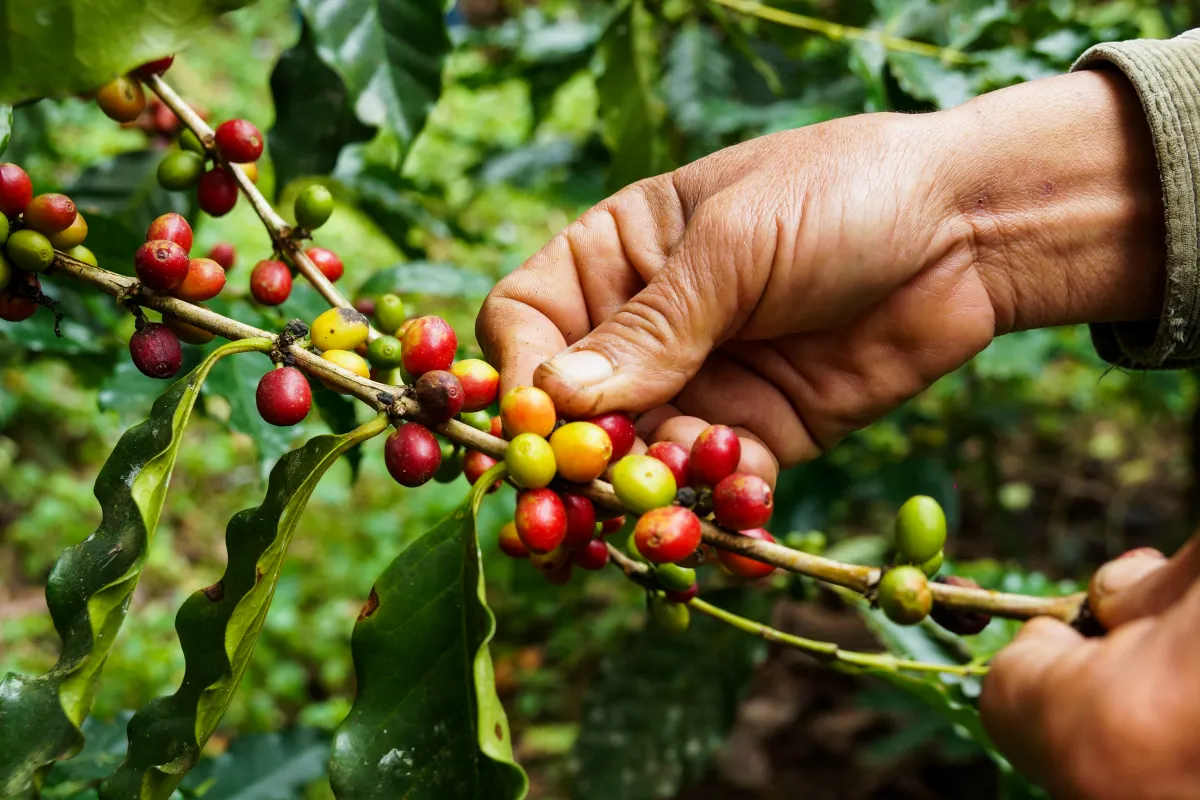
Many visitors stop at a Bali coffee plantation to sample locally grown beans, but few realise the amount of knowledge behind every cup. Coffee has been cultivated in Munduk for generations, alongside cloves that once made this region an important part of Indonesia’s spice trade. The village’s elevation, cool climate, and volcanic soil create ideal growing conditions, while local farming knowledge has been refined through decades of experience.
Visiting a family run coffee farm transforms coffee from a commodity into a story. Visitors learn how beans are harvested by hand, dried under the sun, roasted in small batches, and prepared using traditional methods. Along the way, conversations with farmers reveal how weather patterns, changing rainfall, and global markets directly affect village livelihoods. These experiences provide valuable insight into sustainable agriculture, food systems, and the economic realities facing rural communities.
Read also: Balinese Coffee Experiences: Visiting Bali’s Coffee Plantation, From Bean to Brew
Following Water from the Forest to the Village
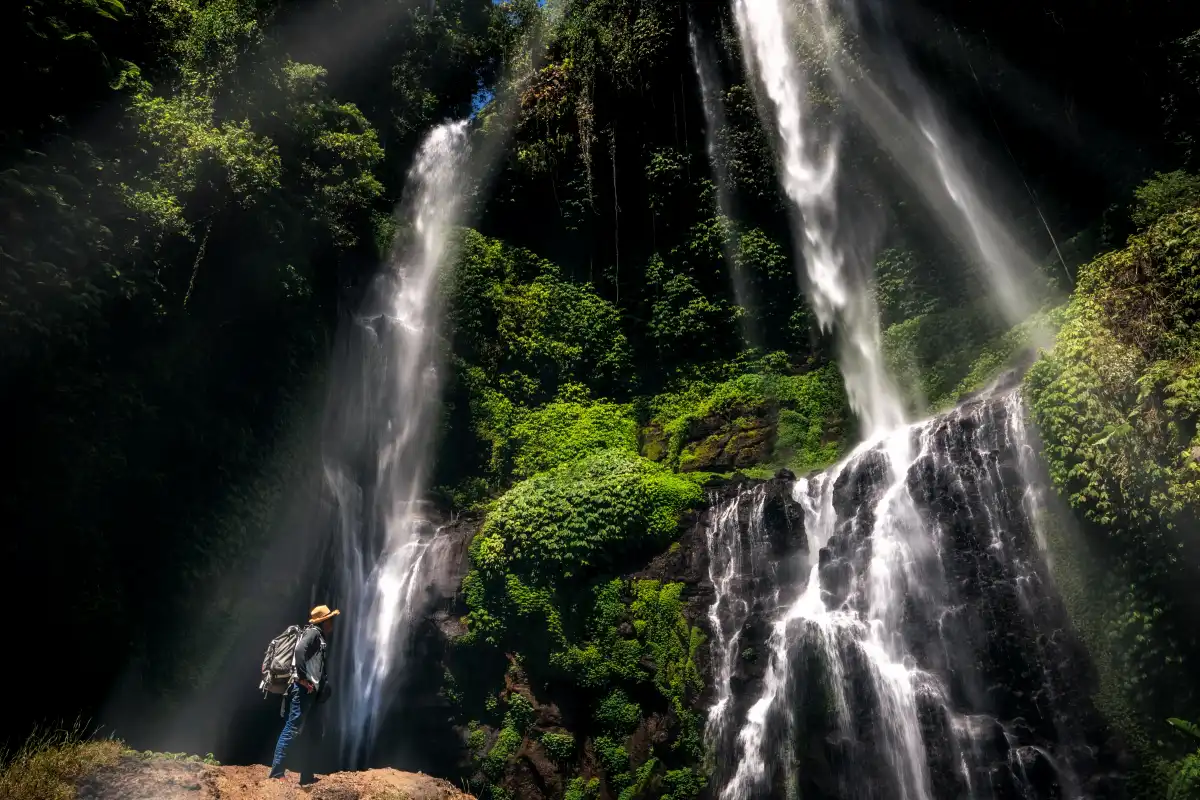
The waterfalls that attract visitors to Munduk are more than scenic landmarks, they are visible reminders of how healthy mountain ecosystems sustain life. As visitors trek through forest trails towards waterfalls such as Munduk Waterfall and Melanting Waterfall, they move through the same watershed that supplies water to surrounding farms and villages.
The dense forests surrounding these streams slow rainfall, prevent erosion, filter water naturally, and help regulate river flow throughout the year. Without healthy forests, both agriculture and local communities would become increasingly vulnerable to droughts, flooding, and declining water quality. Understanding this relationship transforms a waterfall hike into an outdoor lesson on ecology, climate resilience, and watershed conservation.
Slow Travel Creates Better Learning
One of Munduk’s greatest strengths is that it naturally encourages visitors to slow down. Unlike destinations built around busy itineraries, Munduk rewards curiosity. Conversations with coffee farmers, walks through village roads, and time spent observing changing landscapes often become more memorable than ticking attractions off a list.
This slower pace creates space for reflection, an essential part of experiential learning. Rather than asking “What can I see today?”, visitors begin asking deeper questions:
- Why do certain crops grow here?
- How do forests support farming?
- What challenges do mountain communities face?
- How can tourism benefit local people without changing the character of the village?
These are the kinds of questions that educational travel seeks to inspire.
Beyond the Waterfalls: Learning from Everyday Village Life
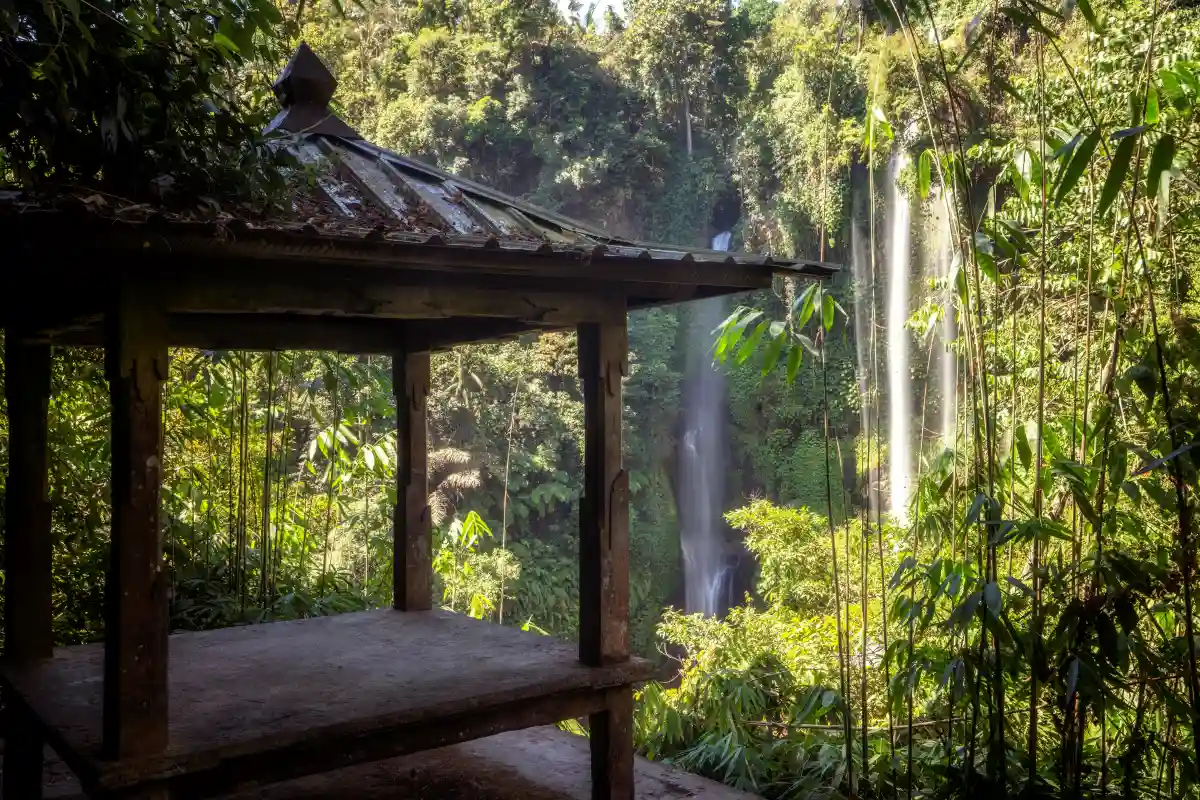
Some of Munduk’s most meaningful experiences happen away from its famous viewpoints. A morning at a local coffee farm reveals how agricultural knowledge is passed between generations. Walking through village lanes introduces visitors to small temples, family compounds, and everyday routines that rarely appear in travel brochures.
Nearby Lake Tamblingan offers another opportunity for learning. Guided eco treks explore the relationship between forests, freshwater ecosystems, and Balinese spiritual traditions, showing how natural landscapes and cultural heritage have evolved together over centuries.
Even traces of Dutch colonial architecture tell stories about how agriculture, trade, and tourism have shaped the region over time. Taken together, these experiences encourage visitors to see Munduk not as a collection of attractions but as a living mountain community.
Visiting Munduk with Respect
Munduk is home to people whose daily lives continue regardless of tourism. Visitors can make a positive contribution by choosing locally owned accommodation, eating at family run warungs, purchasing coffee directly from local producers, and hiring local guides who share knowledge about the landscape and its history.
Equally important is respecting farms as working spaces rather than photo backdrops. Staying on marked paths, asking permission before photographing people, reducing plastic waste, and travelling thoughtfully all help preserve the qualities that make Munduk unique. Responsible tourism is not about doing less, it is about engaging more intentionally with the places and people we visit.
Read also: Sidemen Bali: A Slow Travel Guide to Village Life, Rice Fields and Meaningful Learning
Learn from Bali’s Indigenous Communities with Bali Institute
At Bali Institute, we serve as your collaborative educational architects, stepping away from off-the-shelf tours to custom-design immersive experiences that bridge academic theory with real-world contexts.
Munduk provides an exceptional setting for studying agroforestry, rural development, and environmental science. By learning directly alongside local farmers and community leaders, participants gain practical insights into how highland ecosystems support both biodiversity and sustainable livelihoods.
We tailor every journey to align directly with your specific educational or organizational goals. Whether we are co-creating a Teen Exploration program that introduces youth to environmental stewardship, a University Experience operating as a custom faculty-led study abroad module, a reflective Adult Learning Journey, or Customized CSR Group Tours for companies focused on responsible community impact, we ensure your engagement is ethical and reciprocal. Rather than simply sightseeing, your group will leave with a profound, lived understanding of the relationships between people, nature, and sustainable development.