Experiential education in Bali invites us to learn by doing, reflecting, and engaging with real people and real places. Instead of treating the island as a backdrop for activities, we step into Bali as a living classroom where culture, ecology, and community shape meaningful learning outcomes. For schools, families, universities, and organizations, this approach offers more than enrichment. It creates regenerative impact when designed ethically and measured thoughtfully.
In this guide, we explore what experiential education means in the Balinese context, how sustainability first programs are structured, and how we can choose learning experiences that respect local leadership while delivering clear outcomes.
Read also: Visiting Impact and Sustainability Organizations in Bali: Bali’s Local Heroes
What Experiential Education Means in the Bali Context
Experiential education is a learning approach centered on direct experience, reflection, and application. In Bali, this philosophy aligns naturally with community based knowledge systems where learning happens through participation, observation, and shared responsibility.
Here, education extends beyond classrooms into rice fields, coastal ecosystems, village workshops, and social enterprises. We learn not only skills and concepts, but also values such as balance, reciprocity, and respect for nature. When designed well, experiential education in Bali connects global learners with local wisdom without extracting or oversimplifying culture.
Sustainability First Program Models
Sustainable experiential education prioritizes long term benefits for host communities and meaningful growth for participants. Below are key program models that reflect this approach.
Ecology Learning Through Nature Based Systems
Ecology focused programs immerse learners in Bali’s diverse environments such as mangroves, coral reefs, and permaculture gardens. Activities may include basic reef monitoring, mangrove restoration learning, or introductions to regenerative agriculture.
The goal is not to turn participants into conservation workers, but to help them understand ecological interdependence and human responsibility within natural systems.
Cultural Sustainability Through Living Traditions
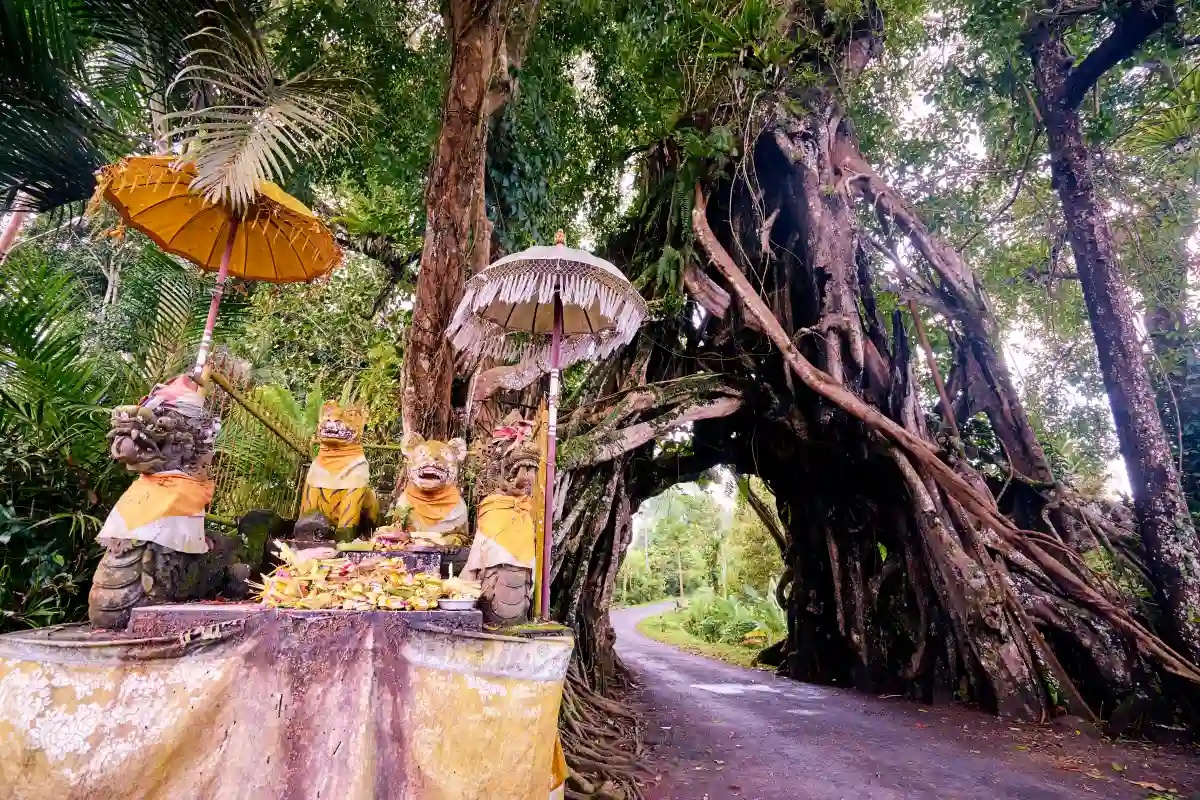
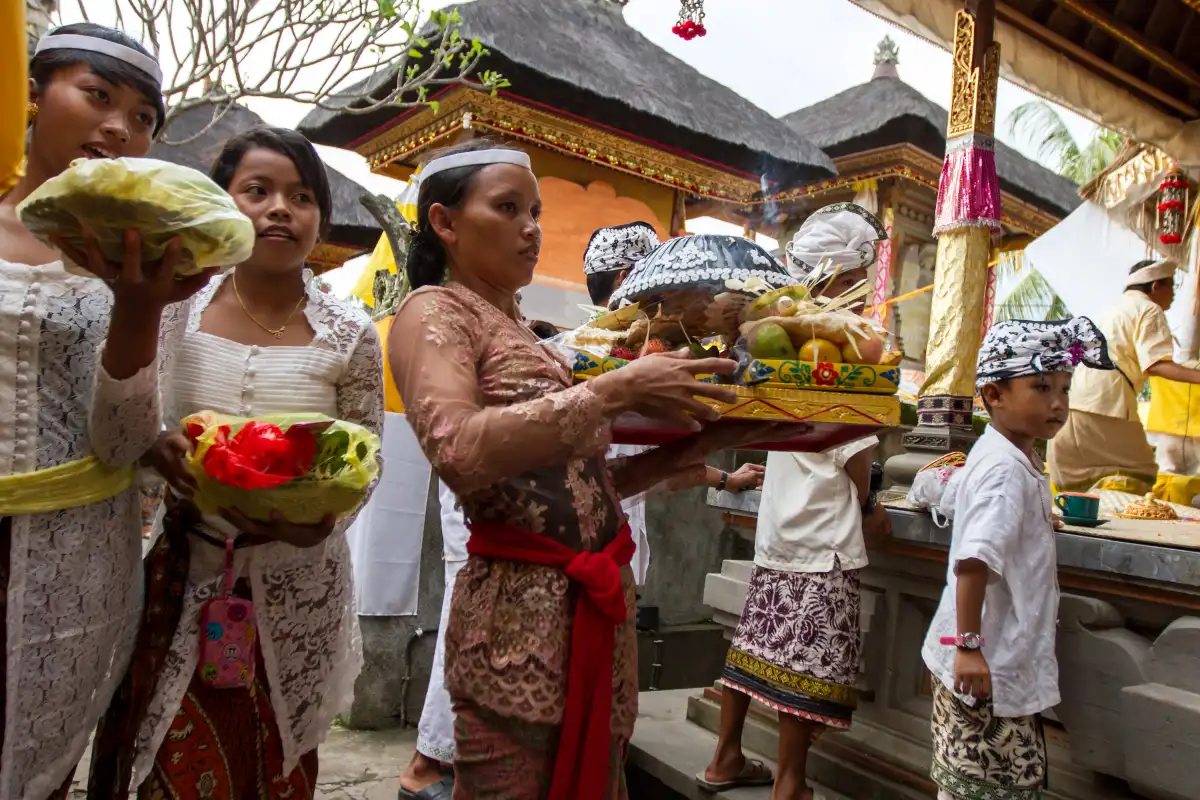
Cultural learning in Bali works best when it is participatory and guided by local practitioners. Programs may include traditional crafts, dance or music workshops, basic language exposure, and lessons on temple etiquette.
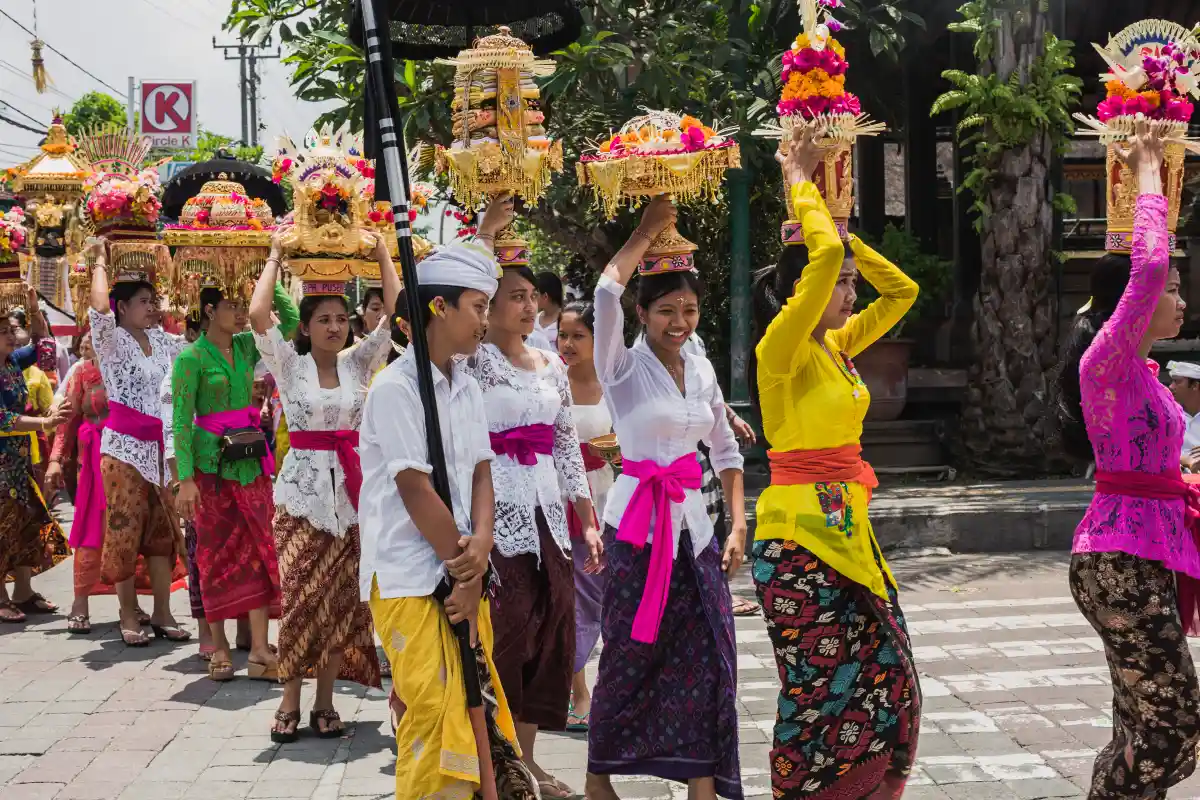
We approach culture as a living practice rather than a performance. This mindset helps learners appreciate meaning and context while avoiding superficial consumption of tradition.
Social Enterprise Learning and Local Economies
Bali’s growing network of social enterprises and small businesses provides a rich setting for applied learning. Participants can explore circular economy initiatives, ethical supply chains, and community driven entrepreneurship.
These experiences demonstrate how sustainability operates in real markets and highlight the innovation happening within local communities.
Ethical Guidelines for Responsible Learning Programs
One of the most important aspects of experiential education in Bali is avoiding harmful models often associated with voluntourism.
Ethical programs follow clear principles:
- Projects are led by local partners with decision making authority
- Communities receive fair compensation for their time and expertise
- Child protection and safeguarding policies are strictly enforced
- Activities address long term relevance rather than short term exposure
When these guidelines are respected, learning becomes collaborative rather than extractive.
Designing Outcomes and Measuring Impact
Experiential education should be evaluated with the same rigor as academic learning.
Effective programs include tools such as reflection journals to capture personal growth, skills rubrics to assess competencies, and community defined success indicators to ensure local priorities are met.
Measurement is not about numbers alone. It is about understanding change, responsibility, and shared value.
Sample 12-14 Day Sustainable Learning Itinerary
A thoughtfully designed itinerary balances learning depth with environmental responsibility.
The opening days may center on cultural orientation, ethical travel principles, and introductions to community-based knowledge systems. The middle portion can emphasize experiential learning around environmental stewardship, traditional livelihoods, and social innovation through hands-on activities and facilitated reflection. As the program progresses, participants synthesize insights through collaborative discussions, applied projects, and shared learning outputs. Throughout the itinerary, locally owned accommodation, community-led activities, and mindful consumption practices are integrated to minimize environmental impact while maximizing learning depth.
Read also: How Many Days to Spend in Bali : A Guide to 3 Days, 7 Days & 10 Days Bali Itinerary
Vendor and Partner Selection Checklist
Choosing the right partners is essential for ethical experiential education in Bali. We recommend looking for transparency in program design, clear safeguarding policies, waste reduction practices, and verifiable community references.
Partners should be open about where funds go and how communities benefit. This clarity protects everyone involved.
Frequently Asked Questions
- How do you choose an ethical community learning program in Bali?
Look for local leadership, fair compensation, clear learning goals, and long term community relevance rather than short visits or performative activities.
- What outcomes should experiential education measure? Programs should measure knowledge gained, skills developed, reflective growth, and community defined indicators of success.
Learning With Purpose Through Bali Institute
At Bali Institute, we design experiential education programs that place sustainability, ethics, and measurable outcomes at the center of every journey. As a premiere travel agent specializing in customized group tours, we collaborate with local educators, environmental practitioners, and community leaders to deliver learning experiences rooted in real impact. Whether it’s Teen Exploration programs for students seeking adventure and learning, University Experience programs that bring academic study into real-world contexts, Adult Learning Journey programs for communities looking to immerse in a cultural infused itinerary, or CSR-focused excursions for companies looking to make an ESG-aligned impact, Bali Institute offer a deeper, more educational way to explore Bali while supporting local communities and conservation efforts. Through intentional design, we help ensure experiential education in Bali remains regenerative, respectful, and transformative for all involved.