Bali often sparks curiosity long before people arrive. We hear stories, see photos, and scroll past videos that make the island feel both familiar and mysterious. In this article, we share fun facts about Bali Indonesia that go beyond clichés. We focus on culture, nature, food, language, and daily life in a way that is light, respectful, and easy to enjoy. Whether we are planning a family trip, a student program, or simply learning from afar, these facts help us understand why Bali feels so special to so many people.
Quick Facts About Bali
Before diving deeper, here are quick, skimmable fun facts about Bali Indonesia that are perfect for first time readers.
- Bali is one of over seventeen thousand islands in Indonesia
• Most Balinese people practice a unique form of Hinduism found only on the island
• The island follows a traditional calendar alongside the national calendar
• Temples outnumber houses in many villages
• Rice farming shapes not only the landscape but also community life
• Offerings are made daily as part of spiritual balance
• Music and dance are woven into ceremonies, not just performances
Culture and Traditions in Everyday Life
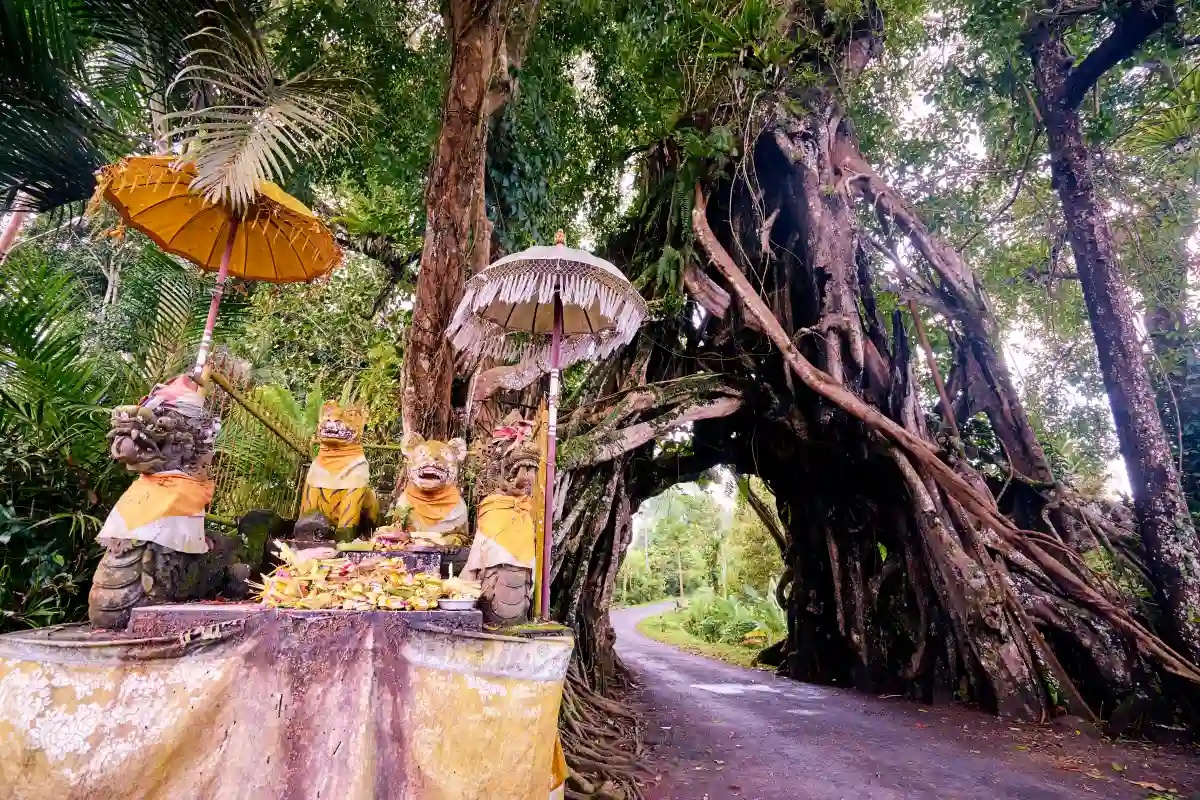
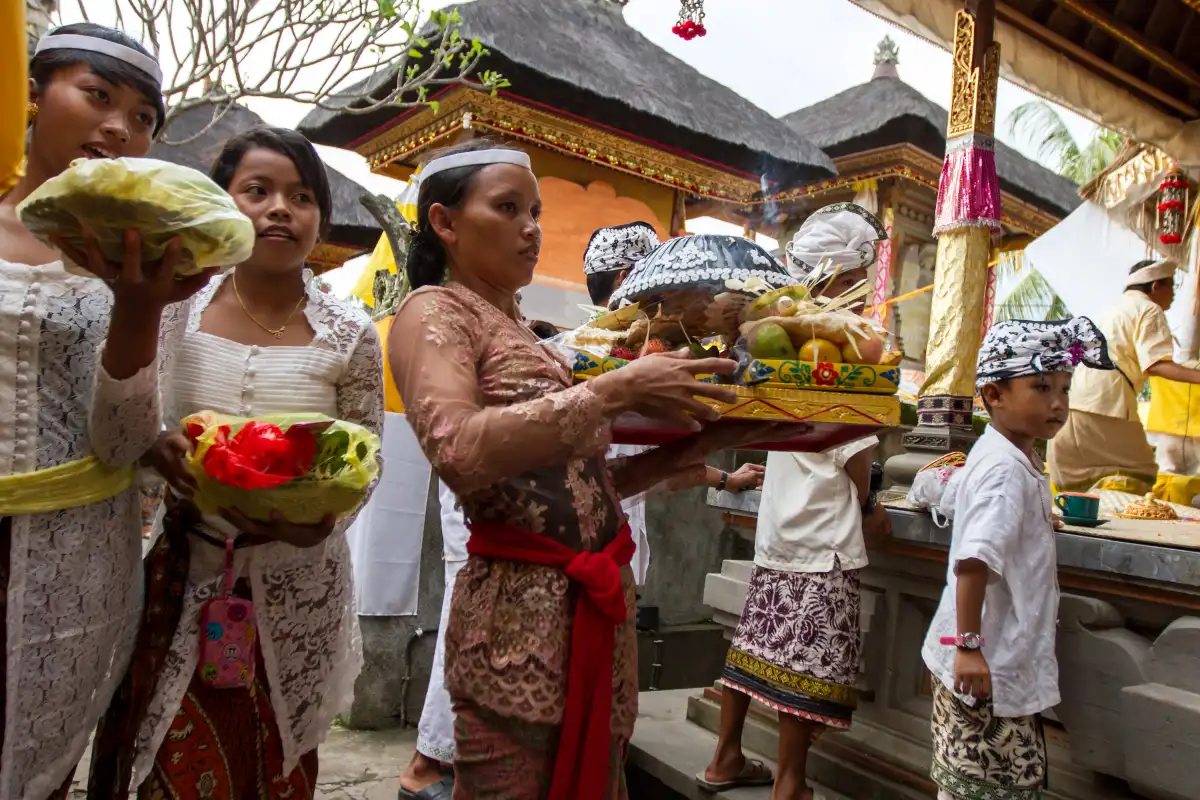
Culture in Bali is lived, not staged. One of the most fascinating fun facts about Bali Indonesia is how spirituality blends into daily routines. Small offerings made from flowers and leaves are placed in homes, shops, and streets as a gesture of gratitude and harmony.
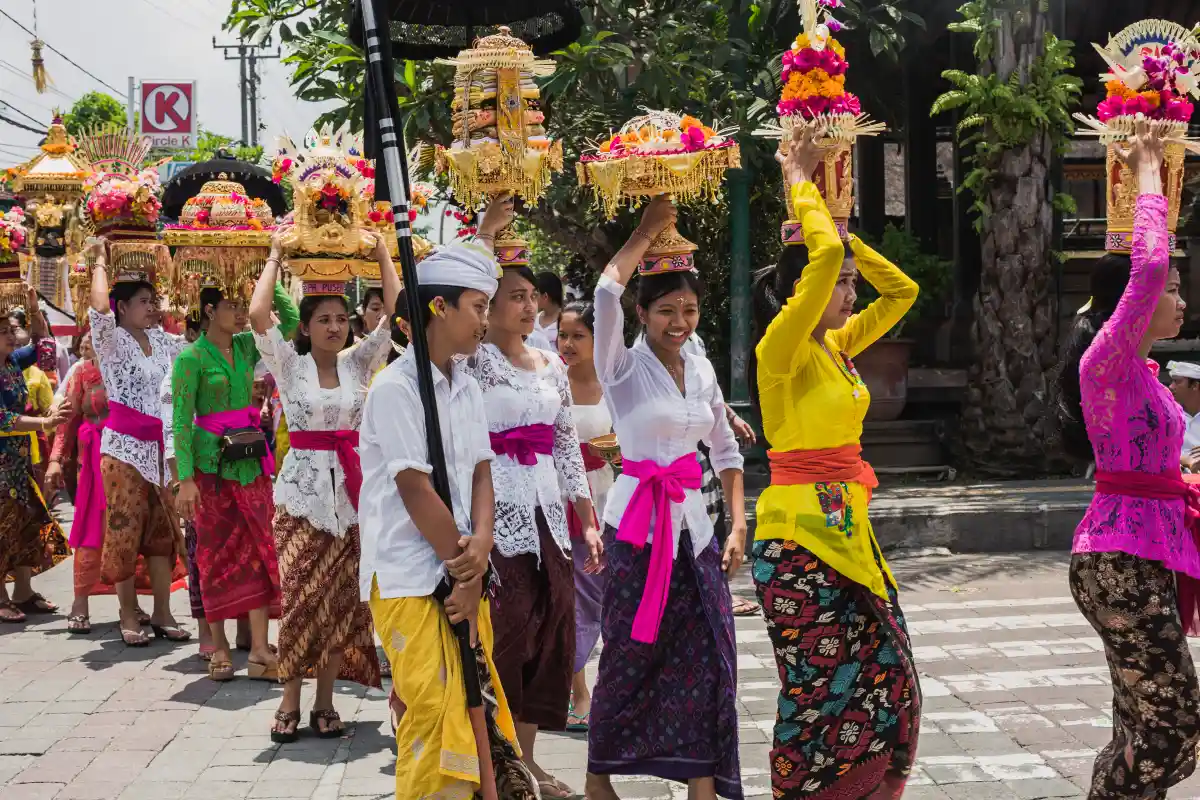
Ceremonies happen frequently, from family rites to village celebrations. Traditional dances and gamelan music are not just for tourists. They are expressions of devotion and storytelling. The Balinese calendar includes many holy days, and some are observed by entire communities at once, creating moments of collective pause and reflection.
Read also: Discovering Bali’s Culture and Traditions: A Deep Dive with Bali Institute
Language and Daily Greetings
While Bahasa Indonesia is the national language, many locals speak Balinese at home and in their communities. Another fun fact about Bali Indonesia is that Balinese language has different levels of politeness depending on who we are speaking to.
Simple greetings often come with a warm smile and gentle tone. Even when language barriers exist, courtesy and body language play an important role. This makes everyday interactions feel welcoming and human.
Read also: What Are the Languages Spoken in Bali? Find Out Here
Food Facts That Surprise First Time Visitors
Balinese food reflects the island’s connection to land, rituals, and shared meals. Rice is central to almost every dish, symbolizing life and prosperity. Spices are used generously, but not all Balinese food is spicy.
Meals are often prepared for ceremonies first, then shared with family and neighbors. This communal approach to food is one of the most heartwarming fun facts about Bali Indonesia. Eating together strengthens bonds and reinforces a sense of belonging.
Read also: On the Menu in Bali: Favourite 8 Local Foods and Cuisine
Nature and Geography of the Island
Bali may look small on a map, but its geography is incredibly diverse. Volcanoes rise in the center of the island, providing fertile soil for farming. Rice terraces follow the curves of hillsides, managed through an ancient irrigation system that relies on cooperation.
Surrounding the island are coral ecosystems that support marine life and local livelihoods. One important fun fact about Bali Indonesia is that nature is viewed as sacred, not separate from human life. Mountains, rivers, and seas all hold spiritual meaning.
Read also: The Importance of Mountains in Hindu Bali: Spiritual Meaning and Everyday Traditions
Local Community Life and the Spirit of Togetherness
Life in Bali revolves around the banjar, a local community organization found in every village. The banjar coordinates ceremonies, meetings, and mutual support. This reflects the value of gotong royong, or helping one another without expecting reward.
Through this system, neighbors share responsibilities and celebrate milestones together. It is one of the most meaningful fun facts about Bali Indonesia because it shows how social harmony is actively practiced, not just talked about.
Read also: Get to Know Balinese People: Traditions, Language, Culture and Origins
Travel Friendly Did You Know Tips
Many visitors wonder why sarongs are required at temples. They symbolize respect and modesty, helping us enter sacred spaces with the right mindset.
We may also notice offerings on sidewalks and doorsteps. These are not decorations. They are daily expressions of balance between humans, nature, and the spiritual world. Understanding these details helps us travel with awareness and appreciation.
Read also: Tips for Travelling in Bali: Your Complete Guide for an Unforgettable Adventure
Frequently Asked Questions About Bali
Why do people put offerings on the ground in Bali?
Offerings are placed daily to express gratitude and maintain harmony. They are meant for unseen forces and should be respected, not stepped on intentionally.
Is Bali part of Indonesia?
Yes, Bali is one of Indonesia’s provinces and follows national laws while preserving strong local traditions.
What is unique about Balinese Hindu culture?
Balinese Hinduism blends ancient beliefs, ancestor worship, and Hindu philosophy into a practice shaped by community life and local environment.
Experience Bali Through Meaningful Programs
At Bali Institute, we believe fun facts about Bali Indonesia become more powerful when experienced directly. We are a premiere travel agent providing customized group tours that focus on sustainability based experiences. Whether it’s Teen Exploration programs for students seeking adventure and learning, University Experience programs that bring academic study into real-world contexts, Adult Learning Journey programs for communities looking to immerse in a cultural infused itinerary, or CSR-focused excursions for companies looking to make an ESG-aligned impact, Bali Institute offer a deeper, more educational way to explore Bali while supporting local communities and conservation efforts. Through nature preservation, eco conscious activities, and community empowerment, we help groups connect with Bali in a way that is respectful, enriching, and unforgettable.