If you have ever taken a stroll along Bali’s enchanting beaches, gazed at its majestic temples, or perhaps gotten caught in a bustling local market, you’ll quickly discover that people speak a variety of languages here. In essence, there are three main languages spoken in Bali: Bahasa Indonesia, Bahasa Bali, and English. So, you might wonder, which one should you try to speak in order to connect deeper to this island of Gods and its people? Let’s find out the answer
The Trio of Languages Spoken in Bali
Bahasa Indonesia: The Lingua Franca
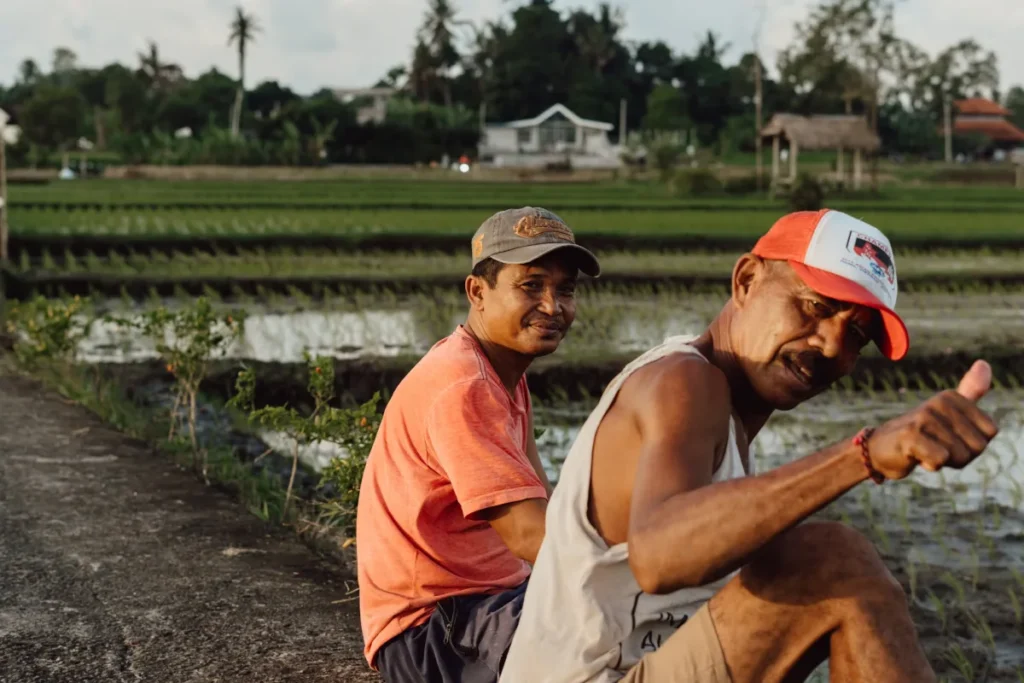
First off, we’ve got Bahasa Indonesia—a language that acts like glue holding this vast nation together, with around 700 distinct languages scattered across the archipelago. In Bali, Bahasa Indonesia is the official language. It’s used in schools, businesses, government, and even when you’re haggling for that artsy sarong. Based on our experience, most Balinese folks are quite fluent in it, so you’ll find it’s a breeze figuring things out at hotels, shops, or, honestly, just about anywhere.
Bahasa Bali: The Cultural Heritage of the Island
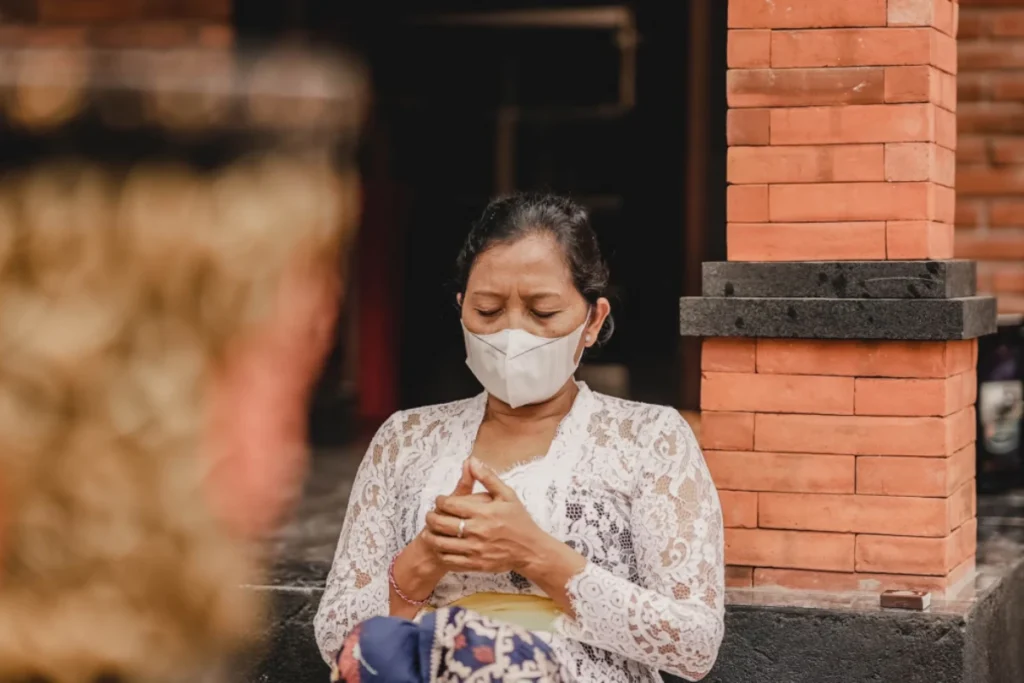
Then there’s Bahasa Bali. Think of it as the heartbeat of the island. It’s not just a language; it’s a tradition, a way of life that links the people of Bali to their ancestors. Bahasa Bali varies quite a bit too, with different dialects spread across regions. You might hear refined, almost poetic variations in ceremonial gatherings, while a more laid-back version dances its way into casual chats among locals.
Here’s a fun twist—Bahasa Bali includes levels of speech that depend on social context and respect. You’ve got low Balinese for friendly banter, middle for formal occasions, and high, used mostly in religious ceremonies and by nobility. So, if you’re keen on diving deep into the local culture, picking up some Bahasa Bali can enrich your stay. Plus, who doesn’t love impressing locals by greeting them with a polite “Om Swastiastu”?
English: The Welcoming Embrace to Visitors
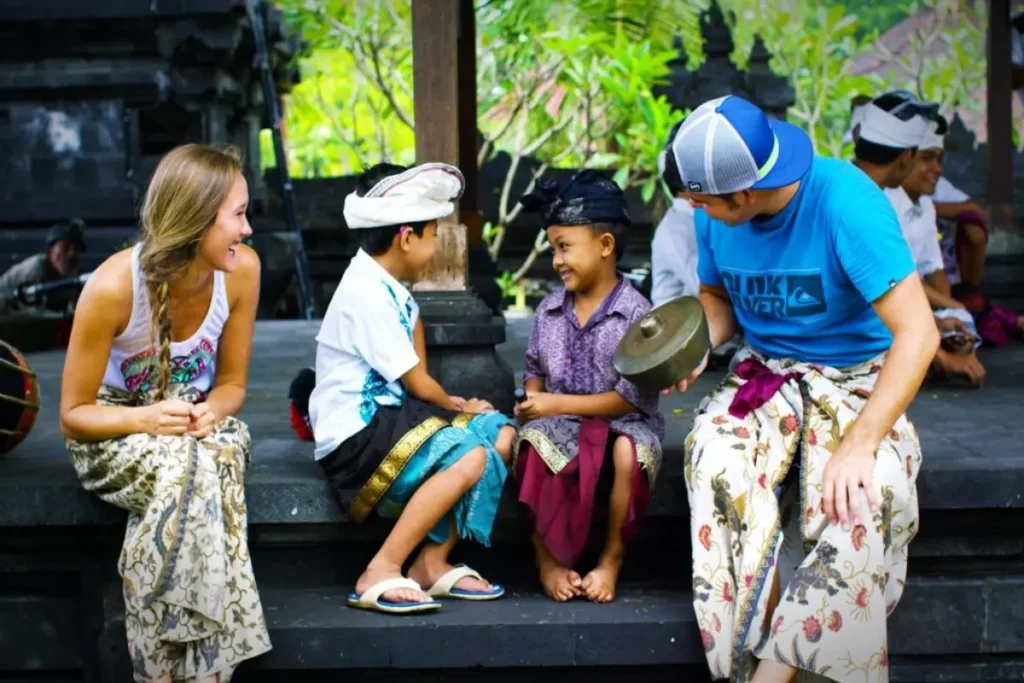
English is sort of the island’s unofficial ambassador to tourists here. It’s everywhere. Restaurants, bars, tour guides—most places and folks cater to English-speaking visitors. It’s kind of the bridge that connects the island’s charm with international visitors hungry for a piece of Bali’s magic.
Read More : 7 Commonly Used Indonesian & Balinese Phrases in Bali
Sorting Out the Confusion: Bahasa Indonesia VS Bahasa Bali
Okay, so you might wonder—what’s the actual difference between Bahasa Indonesia and Bahasa Bali? Apart from being practically distinct languages, Bahasa Indonesia is relatively straightforward and designed to be easy for people from different regions to understand. Think of it this way: Bahasa Indonesia is the island’s professional voice, while Bahasa Bali is its local voice.
One noticeable difference is that Bahasa Bali uses a script called Aksara Bali, a kind of Sanskrit-derived script that’s visibly unique. Meanwhile, Bahasa Indonesia uses Latin alphabet characters, making it easier for those of us already familiar with the alphabet to learn.
To Learn or Not to Learn: Bahasa Indonesia or Bahasa Bali?
Now, here’s the big question: should you learn Bahasa Indonesia or Bahasa Bali while chilling in Bali? Truth be told, it really depends on your intention. If you’re a backpacker, a tourist, or just here for some sun-soaked adventures, sticking with Bahasa Indonesia is your safest bet. It’s practical, almost everyone understands you.
Read also : What to Wear in Bali: Dressing for the Seasons and Occasions
However, if you’re someone who wants to dive beneath the surface, engaging with local balinese communities, participate in traditions, or simply love languages—the culturally rich Bahasa Bali could be your new best friend. It shows respect and curiosity towards their culture, and you’ll discover layers of Balinese life that are often under the radar. Locals certainly appreciate it when someone takes the effort to speak their native tongue. It might even score you a few more smiles and insider tips along the way!
Do Balinese & Local People Understand English?
Most folks working in tourism-heavy areas, like Kuta, Seminyak, or Ubud, have a pretty decent grasp of English. Hotels, restaurants, and shops usually have English-speaking staff to make everyone feel right at home.
However, if you wander a bit off the beaten path, for example into the charming villages and local hangouts, English might not be as prevalent. In those spots, you might just have to rely on your best gesture skills or, better yet, pick up a few phrases in Bahasa Indonesia or even Bahasa Bali. Trust us, locals appreciate the effort, and it can be a whole lot of fun trying to communicate without a shared language. But overall, yes, you’ll generally find that English tends to be pretty well understood where tourists roam.
Language in Bali is an adventure in itself, an intricate dance of words that captures both the island’s lively spirit and its deep roots. Whether you opt for the practicality of Bahasa Indonesia, or immerse in the poetic verses of Bahasa Bali, there’s no wrong choice. Language opens doors—not just to new friends and experiences—but to Bali’s very soul. So why not give a few phrases a try? After all, as they say, a different language is a different vision of life. Have fun in Bali!
Connect Deeper to The Culture and The People Of Bali With Bali Institute
If you’re itching for an adventure that goes beyond the typical tourist trails, Bali Institute has your back. Imagine a trip where you’re not just a spectator, but an active participant. You’ll get to interact with locals, dive into activities that don’t just thrill but transform, and discover Bali’s jaw-dropping natural wonders. Whether you’re a university student scouting for an epic summer program, a corporate group craving a meaningful CSR experience, or just a bunch of friends seeking to soak in Bali’s cultural beauty, we’ve got a tailored journey just waiting for you.
Our programs are a mix of culture, learning, and sustainable travel. You won’t just see Bali—you’ll experience it from the inside out. So why not peel back the layers and see what makes this island tick in a way that sticks? With Bali Institute, you’re not just visiting Bali; you’re stepping into an experience that’s as enriching as it is unforgettable. So pack your curiosity and a sense of adventure, and let’s make some memories together!