When you stay in Bali, especially in residential villages rather than tourist centers, you begin to notice a rhythm. Evenings are filled with the metallic chime of gamelan practice; roads are temporarily closed for processions; and groups of men gather in open pavilions to cook or discuss.
To the outsider, these events might seem random. But they are actually the workings of a highly sophisticated social system: The Banjar.
To truly understand Bali, you must understand this concept. It is not just a neighborhood; it is a social organism that binds every family together.
Read also: Get to Know Balinese People: Traditions, Language, Culture and Origins
Definition: what “banjar” means in Bali
A banjar is the smallest and most active community unit in Balinese society. It is not simply a neighborhood based on geography. It is a social system that binds households together through shared responsibilities and collective decision making.
Key characteristics of a banjar include:
- Membership based on residence within a defined area
- Active participation from adult members
- Collective responsibility for social and religious duties
- Strong emphasis on cooperation and mutual respect
For Balinese people, the banjar is where social identity, obligation, and belonging begin.
What the banjar does: roles and responsibilities
The banjar plays a central role in daily life, far beyond what most visitors initially assume.
Community meetings and governance
Regular meetings are held to discuss matters that affect the neighborhood. These meetings are essential for maintaining harmony and coordination.
Topics often include:
- Planning upcoming ceremonies and festivals
- Managing shared facilities and infrastructure
- Resolving community concerns
- Coordinating collective labor
Decisions are usually reached through discussion and consensus rather than formal voting.
Ceremonies and religious obligations
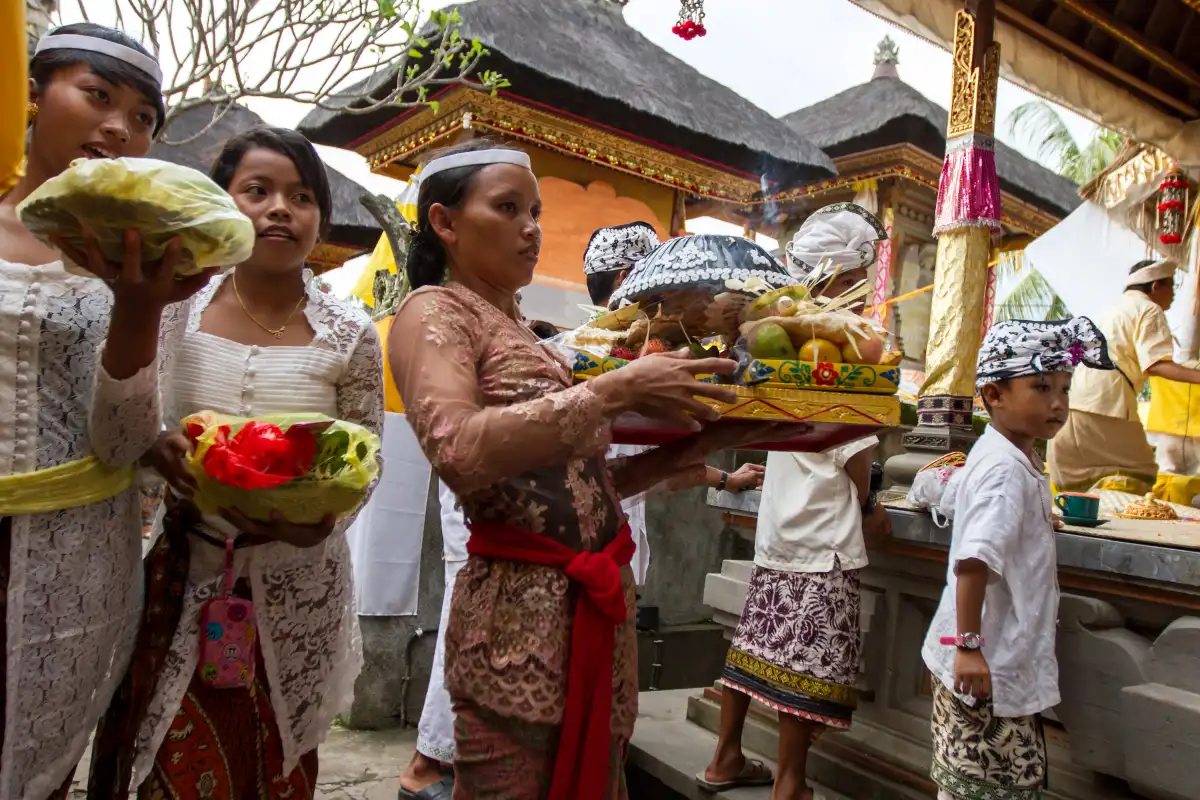
One of the most visible roles of the banjar is organizing religious and life cycle ceremonies.
Responsibilities include:
- Preparing temple festivals and anniversaries
- Coordinating funerals and cremation rites
- Supporting weddings and coming of age rituals
- Managing ceremonial schedules and logistics
This explains why ceremonies are frequent and involve large groups working together.
Read also: Balinese Festivals 2026 Calendar: Major Ceremonies, Dates & What They Mean
Mutual support system
The banjar functions as a social safety net. When a family experiences a major life event, the community responds collectively.
Support may involve:
- Voluntary labor and time contributions
- Shared food preparation
- Financial or material assistance
- Emotional and social support
This system ensures no household stands alone during important moments.
Neighborhood rules and order
Each banjar has its own customary regulations, known as awig awig.
These rules commonly address:
- Community obligations
- Noise and activity guidelines
- Event coordination
- Acceptable social conduct
Enforcement relies on shared values and accountability rather than legal punishment.
Banjar vs desa adat vs administrative village
These terms are often confused, so we clarify them simply.
- Banjar
Focuses on daily community life, ceremonies, and neighborhood responsibilities. - Desa adat
Oversees traditional customs, temples, and religious law across multiple banjar. - Administrative village
Handles government related matters such as permits, population records, and official administration.
In everyday life, Balinese people interact most closely with their banjar.
How banjar affects visitors
Even if we are not members, the banjar strongly shapes our experience in Bali.
Common situations visitors encounter include:
- Noise from ceremonies or gamelan practice
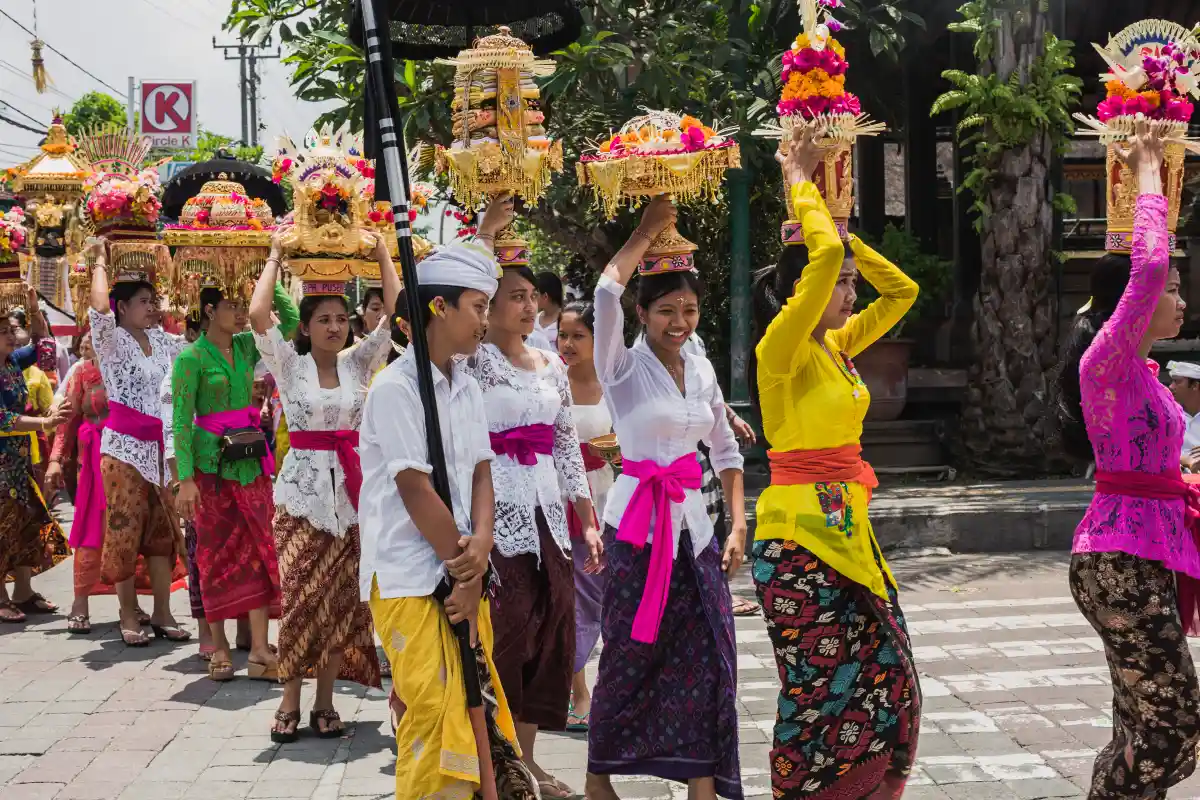
- Temporary road closures during rituals
- Increased activity around temples and community halls
- Neighborhood gatherings and preparations near accommodations
Understanding the banjar helps us see these moments as cultural expressions rather than disruptions.
How to be respectful if you’re staying near a banjar
Living near a banjar offers valuable cultural insight, but respect is essential.
We recommend:
- Asking politely if unsure about schedules or access
- Following parking and traffic guidance during ceremonies
- Dressing modestly when passing through ceremonial areas
- Remaining patient and open minded during community events
Simple gestures of respect are deeply appreciated.
Read also: Balinese Temple Etiquette: Do’s, Don’ts, Dress Code, and Cultural Tips
Fun cultural notes about banjar life
Daily life around a banjar often includes moments that visitors find memorable.
For example:
- Evening gamelan rehearsals filling the neighborhood with music
- Communal cooking sessions before major ceremonies
- Children learning responsibility by observing adult participation
- Strong social bonds formed through shared obligations
These details reveal that the banjar is not just an institution, but a living cultural ecosystem.
Frequently Asked Questions
Is banjar the same as a village?
No. A banjar is smaller than a village and focuses on neighborhood level social and cultural responsibilities.
Can tourists attend banjar events?
In many cases, yes. Visitors are often welcome to observe ceremonies respectfully, especially when permission is given.
Why are roads sometimes closed for ceremonies?
Road closures allow safe movement of ritual processions organized by the banjar, which take priority during sacred events.
Experience the Living Balinese Culture with Bali Institute
At Bali Institute, we believe the best way to understand the Banjar is to step inside one. Whether it’s Teen Exploration programs for students seeking adventure and learning, University Experience programs that bring academic study into real-world contexts, Adult Learning Journey programs for communities looking to immerse in a cultural infused itinerary, or CSR-focused excursions for companies looking to make an ESG-aligned impact, Bali Institute offer a deeper, more educational way to explore Bali while supporting local communities and conservation efforts. You will practice the interlocking rhythms of the gamelan, learn the expressive movements of traditional dance, try your hand at intricate wood carving, and even weave canang offerings.