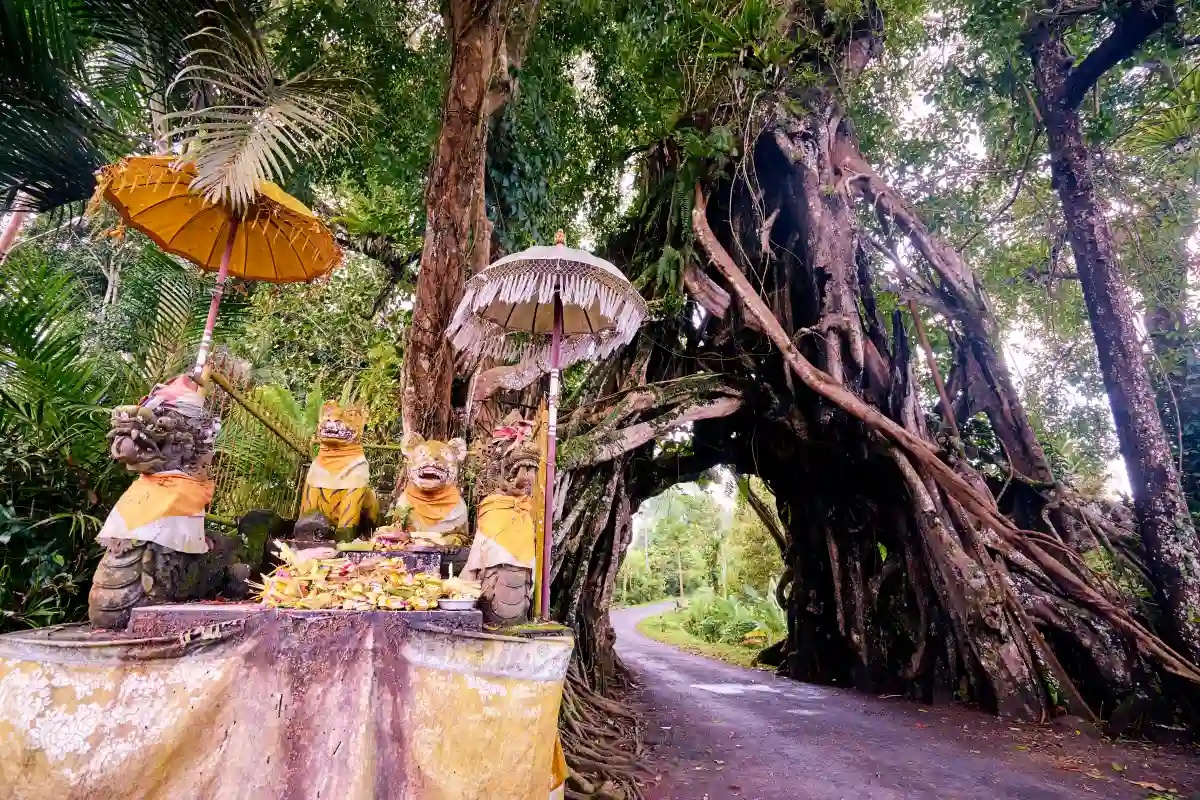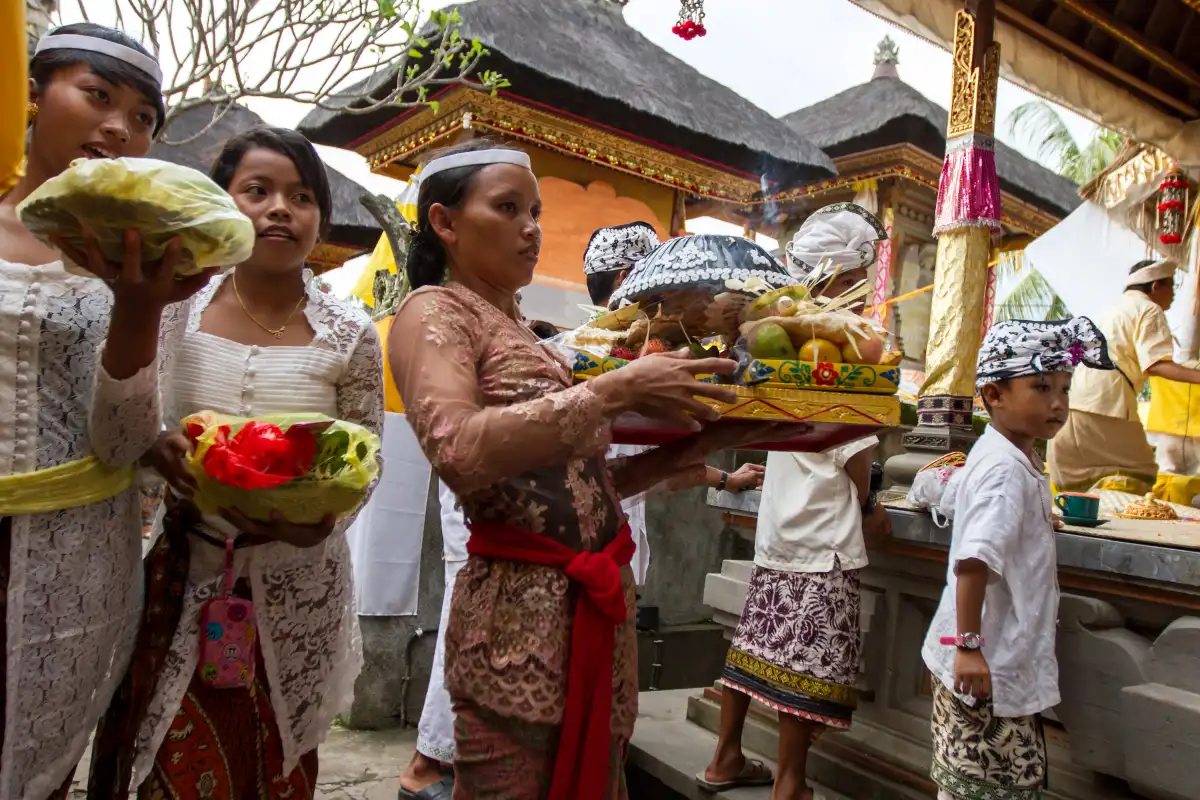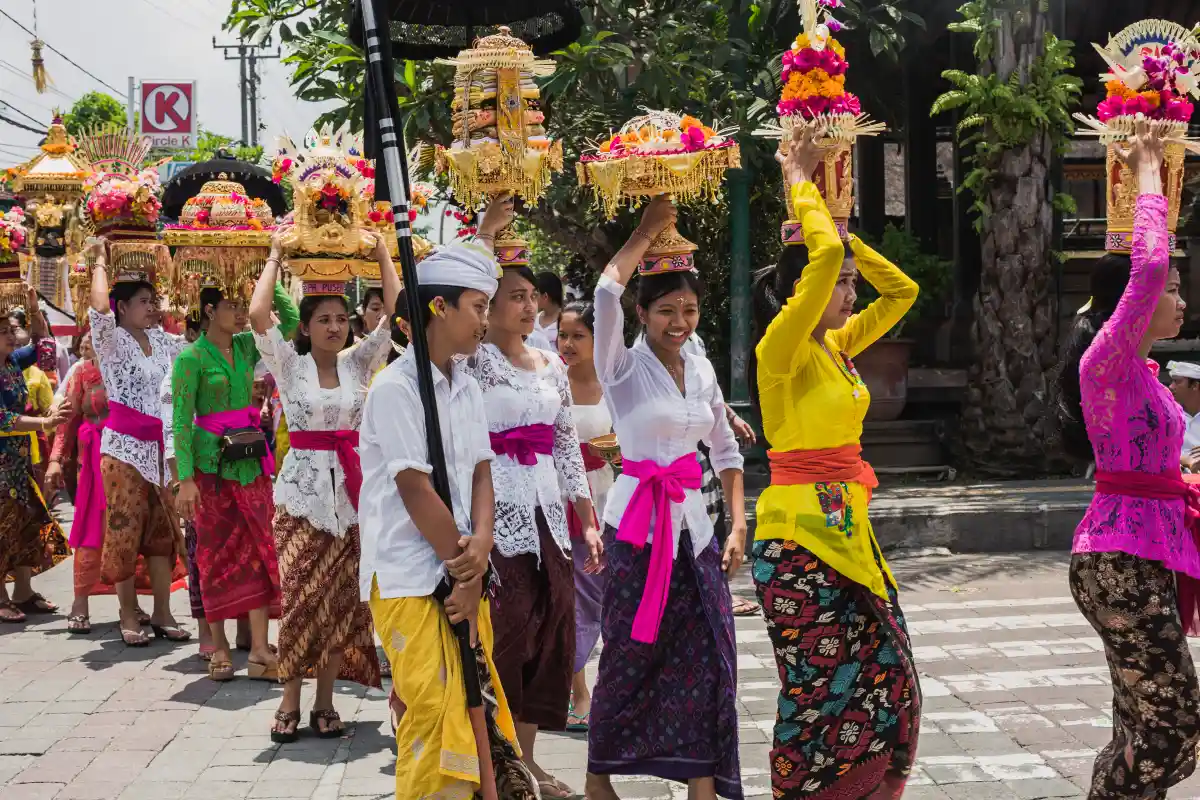
Experiencing a Balinese festival in 2026 is one of the most profound ways to understand the island’s spiritual rhythm. As we explore each ceremony throughout the year, we begin to see how every ritual, chant, and offering reflects Bali’s relationship with balance, gratitude, and harmony. For travelers planning ahead, knowing the festival calendar allows us to design journeys that align with the island’s most meaningful cultural moments.
In this guide, we walk through Bali’s most important religious celebrations in 2026; what they symbolize, when they happen, and how to respectfully participate.
Why Balinese Festivals Attract Visitors

Balinese festivals draw people from around the world because they offer:
- A living expression of Hindu Dharma practiced uniquely in Bali
- Colorful rituals involving dance, offerings, music, and community gatherings.
- Opportunities to witness centuries-old traditions still deeply integrated into daily life
- A chance to see village temples come alive with processions and prayers
We find that travelers often return home transformed. These ceremonies offer more than spectacle; they invite us to reflect on balance, gratitude, and spiritual connection.
Read also : Balinese Hinduism – The Heart of Bali’s Spiritual Soul
2026 Festival Calendar: Key Dates & Cultural Highlights
Note: Balinese festivals follow the Pawukon and Saka calendars, so dates shift each year. Below are the confirmed 2026 dates.

Tumpek Uye (Kandang)
February 7, 2026
A day expressing appreciation for animals that support human life.
Nyepi – Day of Silence
March 19, 2026
The New Year in the Balinese Saka calendar. A full day of quiet, meditation, and no external activity. The night before brings the lively Ogoh-Ogoh parade, where giant effigies symbolize purification from negative forces.
Ngembak Geni
March 20, 2026
The day after Nyepi focuses on forgiveness and renewing relationships.
Saraswati Day
April 4, 2026
A celebration of knowledge, art, and wisdom, honoring the goddess Saraswati.
Pagerwesi
April 8, 2026
A day dedicated to strengthening one’s spiritual defense—symbolically “fortifying the mind.”
Tumpek Landep
April 18, 2026
A ceremony blessing metal objects, tools, and vehicles.
Tumpek Uduh (Bubuh)
May 23, 2026
A ceremony to honor plants, trees, and agricultural prosperity.
Galungan
June 17, 2026
Marks the victory of dharma (good) over adharma (evil). Families prepare elaborate offerings, and villages adorn streets with tall, arched penjor bamboo poles.
Kuningan
June 27, 2026
The closing of the Galungan period. Symbolizes gratitude as ancestral spirits return to heaven.
These festivals anchor the cultural rhythm of the year, and attending even one of them offers a rare window into Bali’s living heritage.
What Each Festival Means

To truly appreciate a Balinese festival in 2026, understanding the symbolism behind each ritual matters:
Nyepi: A spiritual reset. While the island falls silent, the inner world is invited to speak. We see this as a time for contemplation and self-discipline.
Galungan–Kuningan: A celebration of balance and the ancestral presence woven into everyday life. It highlights gratitude, devotion, and the importance of family offerings.
Saraswati Day: A tribute to knowledge and creativity. Many schools, libraries, and learning spaces host rituals blessing books and instruments of learning.
Pagerwesi: Symbolizes spiritual resilience. Offerings are made to strengthen inner clarity and protect one’s path.
Tumpek Ceremonies (Landep, Uduh, Kuningan): These festivals highlight Bali’s reverence for the natural world. Tools, animals, and plants are honored for sustaining human life.
Read also : Galungan & Kuningan Celebration: Bali’s Major Cultural Festivals Explained
Village-Specific Festivals Worth Noting

Beyond the major island-wide celebrations, dozens of village temple anniversaries—called odalan—take place every 210 days. Some of the most iconic:
- Besakih Temple Odalan – Bali’s “Mother Temple,” hosting massive processions.
- Uluwatu Temple Odalan – Famous for Kecak performances during the festival period.
- Tirta Empul Odalan – A powerful moment to witness holy water rituals.
We encourage travelers to explore village odalan when possible; these celebrations offer the most authentic cultural immersion.
Etiquette for Attending a Balinese Festival
When joining a Balinese festival in 2026, respectful presence matters more than perfect knowledge. Key principles:
- Stay outside inner temple courtyards unless invited.
- Follow the flow of the ceremony rather than taking center stage.
- Keep photography discreet—always avoid obstructing prayer lines.
- Never step over offerings on the ground.
Showing humility is always welcome.
Temple Dress Code: What We Should Wear
To be welcomed into temple spaces:
- Sarong (kain) tied at the waist
- Sash (selendang) to signify respect
- Shoulders covered for all genders
- Avoid black-and-white sacred cloth patterns (reserved for priests or symbolic spaces)
Rentals are available at most major temples, but we recommend carrying at least one lightweight sarong during festival travel.
Read also : A Guide to Traditional Balinese Clothing: Meaning, Styles, and When to Wear Them
Best Months for Culture-Focused Trips
For those planning around Balinese festivals in 2026, these months offer the richest experiences:
- March – Nyepi and Ogoh-Ogoh
- April – Galungan & Kuningan
- June – Saraswati and Pagerwesi
- July–November – Series of Tumpek ceremonies and numerous odalan
These months offer a balance of cultural immersion and favorable travel conditions.
Where to Stay During Festival Seasons
Choosing the right location enhances the experience:
- Ubud – Ideal for arts, temple ceremonies, and traditional dance.
- Gianyar & Bangli – For travelers seeking more authentic village odalan.
- Canggu & Seminyak – Good for those wanting culture but preferring modern comforts.
- Karangasem – Close to major temples like Lempuyang and Besakih.
We recommend booking early for March and April, as Nyepi and Galungan attract higher demand.
Exploring a Balinese festival in 2026 gives us a rare chance to witness the island’s spiritual architecture in motion. From the quiet introspection of Nyepi to the vibrant colors of Galungan, every ceremony carries layers of meaning shaped by centuries of devotion. When we move through Bali with curiosity and respect, these festivals become more than cultural events—they become lessons in balance, gratitude, and connection.
Experience Bali’s Cultural Seasons with Bali Institute
For groups seeking responsible, meaningful, and culturally rich travel, Bali Institute designs fully customized programs that go far beyond standard itineraries. We create sustainability-focused journeys centered on nature preservation, eco-conscious activities, and community empowerment across Bali.
Whether it’s Teen Exploration programs for students seeking adventure and learning, University Experience programs that bring academic study into real-world contexts, Adult Learning Journey programs for communities looking to immerse in a cultural infused itinerary, or CSR-focused excursions for companies looking to make an ESG-aligned impact, Bali Institute offer a deeper, more educational way to explore Bali while supporting local communities and conservation efforts.