Visiting a Balinese temple is not the same as visiting a tourist attraction. Temples are sacred spaces where spiritual life happens daily. For first time visitors, families, and organized tour groups, understanding Balinese temple etiquette helps us experience Bali with respect rather than confusion. In this guide, we explain what to do, what to avoid, and how to behave properly in real situations.
Why Temple Etiquette Matters in Bali
Temple etiquette in Bali exists to maintain harmony between people, nature, and the spiritual world. When we follow these customs, we show respect to local beliefs and ensure that temples remain peaceful places of worship.
Ignoring etiquette can unintentionally offend worshippers or disrupt ceremonies. Respectful behavior allows us to observe Balinese culture authentically rather than as outsiders.
Read also: Gunung Kawi Balinese Temple Guide: History, Admission, Dress Code & Best Times to Visit
Dress Code Basics
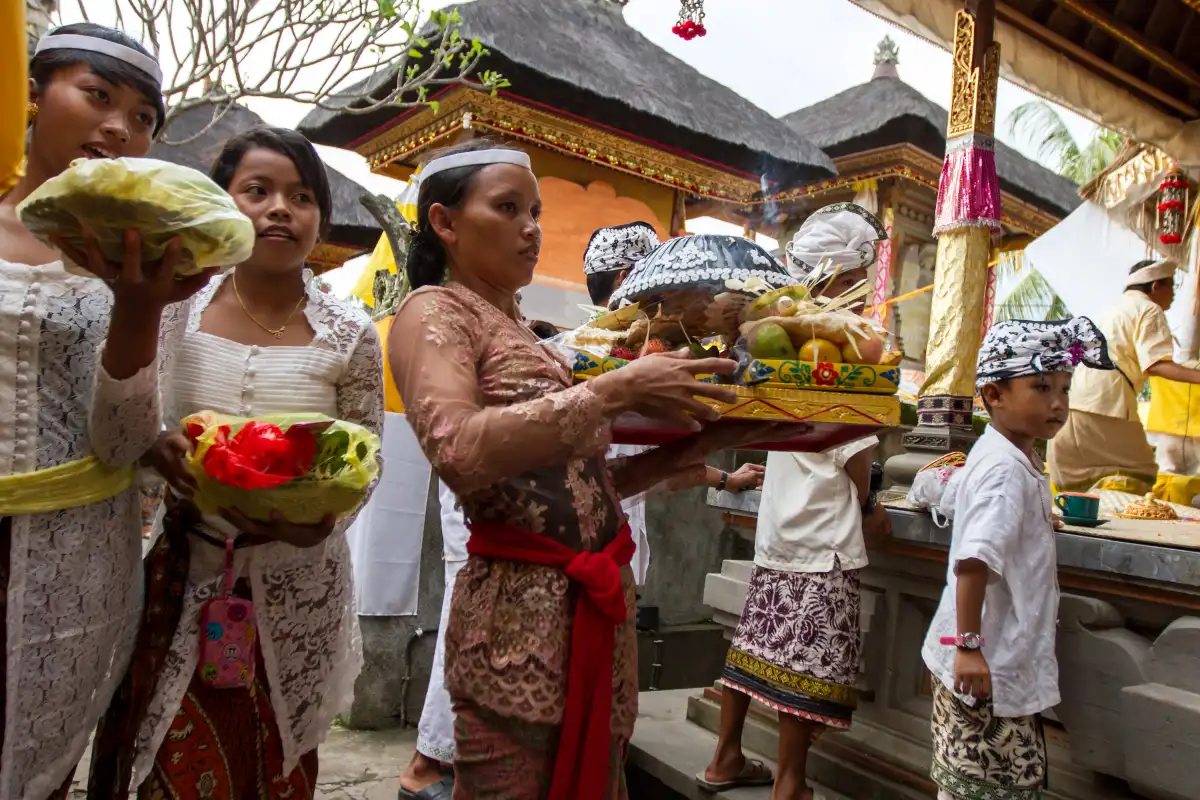
Dress code is non negotiable in most Balinese temples. Modest clothing shows respect for the sacred space.
Key dress requirements include:
- Wearing a sarong that covers the legs below the knees
- Using a sash tied around the waist
- Covering shoulders and chest area
- Avoiding transparent or tight clothing
Practical travel tip:
- Many temples provide sarong rental, but bringing your own lightweight sarong is more convenient and flexible.
Read also: What to Wear in Bali: Dressing for the Seasons and Occasions
Behavior Rules Inside Temple Areas
Once inside the temple, our actions matter as much as our clothing.
General behavior guidelines:
- Speak softly and avoid loud conversations
- Walk calmly and do not rush
- Follow marked paths and signage
- Never step on offerings placed on the ground
- Observe locals and follow their lead when unsure
We should also avoid sitting higher than priests during rituals and avoid pointing our feet directly toward shrines.
Ceremonies: What Visitors Should Do
Ceremonies are common and often open to observation. However, not all areas are accessible.
Read also: Balinese Festivals 2026 Calendar: Major Ceremonies, Dates & What They Mean
Where to Stand and When to Watch
During ceremonies, visitors should:
- Stand or sit at the outer areas of the temple
- Avoid entering inner sanctums unless clearly allowed
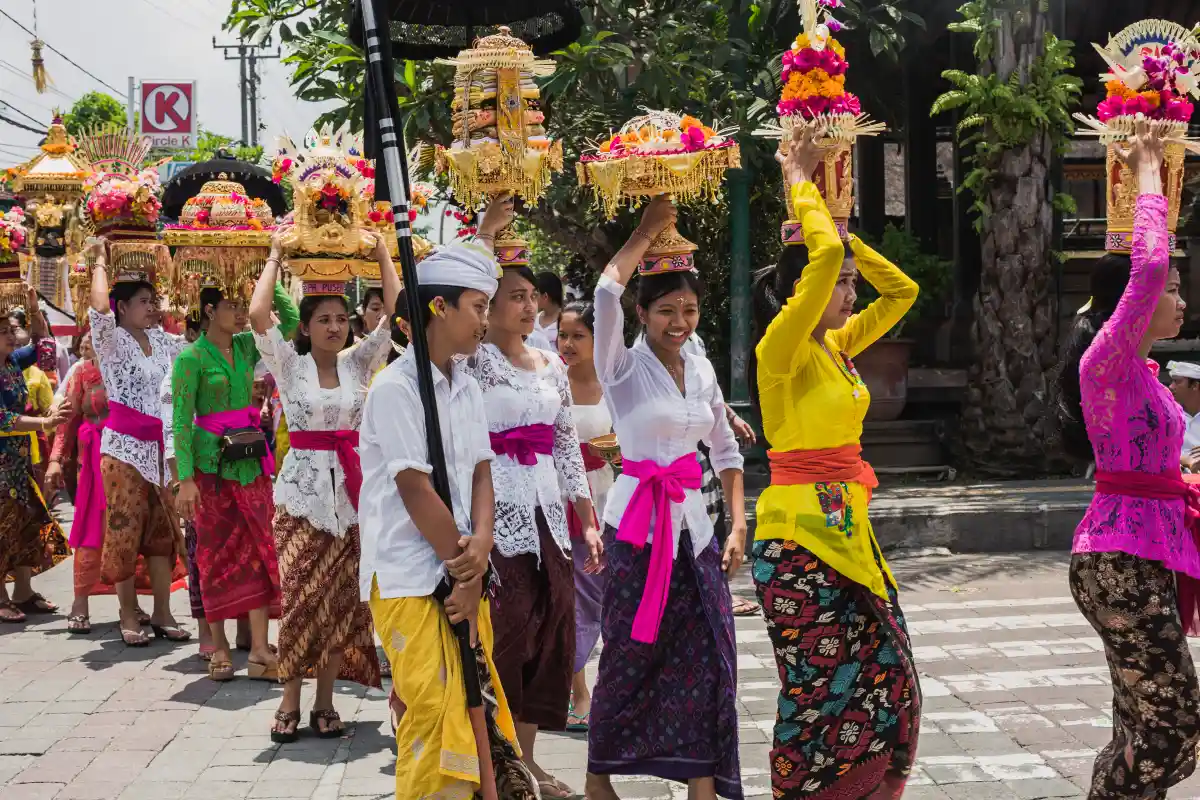
- Step aside quietly if locals are praying or moving in procession
If access is restricted, we respect the boundary and observe from outside without questioning or insisting.
Photography Etiquette
Photography is allowed in many temples, but it requires sensitivity.
Photography guidelines:
- Always ask before photographing people
- Avoid using flash during prayers or rituals
- Do not block pathways or ceremonial movements
- Never step into ritual areas for a better angle
The moment holds spiritual value beyond the photo.
Menstruation Rule Explained Respectfully
In Balinese Hindu tradition, women who are menstruating are asked not to enter temple areas. This belief relates to spiritual balance and ritual purity, not personal judgment.
If this applies, respectful alternatives include:
- Waiting in permitted outer areas
- Exploring temple surroundings
- Visiting cultural sites nearby
Understanding this tradition helps us respect it calmly and without discomfort.
Offerings and Sacred Objects
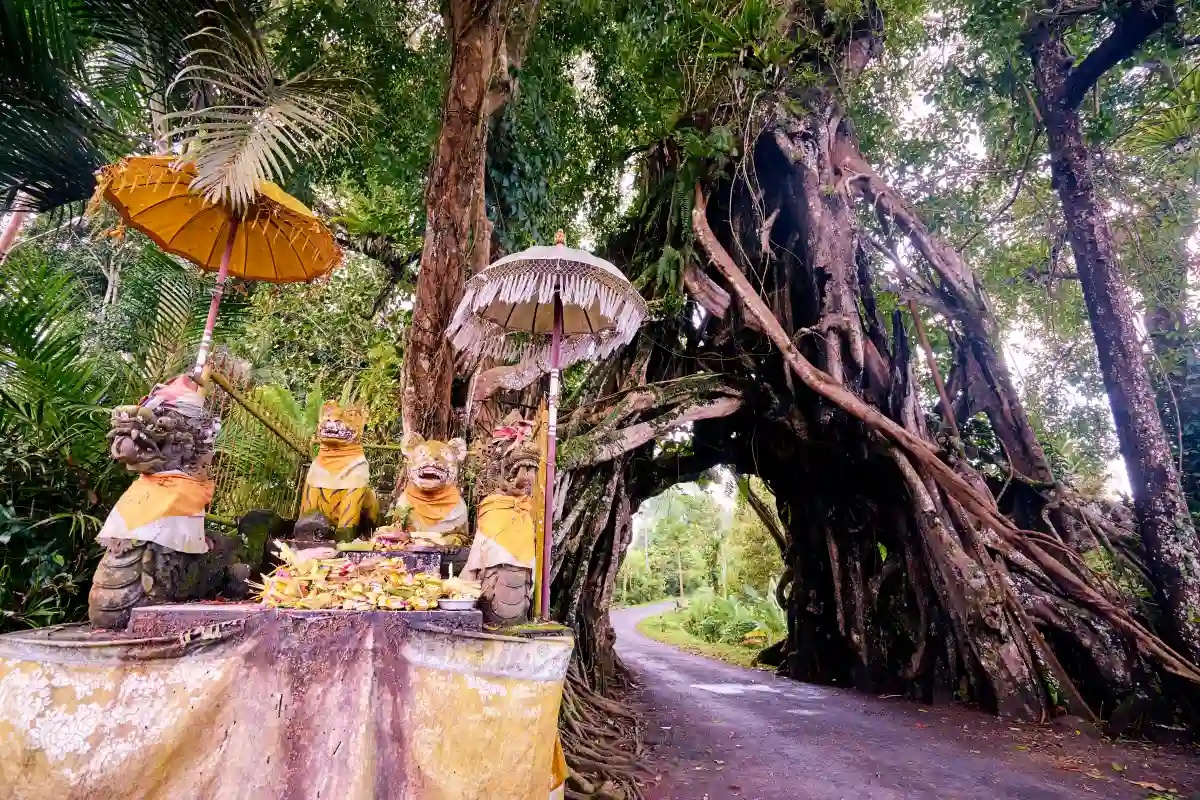
Offerings are an essential part of Balinese spiritual life and are found throughout temples.
Important rules to remember:
- Do not touch or move offerings
- Do not step over sacred items intentionally
- Do not rearrange objects for photography
Everything placed in the temple has meaning and purpose.
Quick Checklist Before You Go
Before entering a Balinese temple, we should confirm:
- We are wearing a sarong and sash
- Our shoulders and legs are covered
- We understand whether a ceremony is taking place
- We are prepared to observe quietly and respectfully
Common Mistakes to Avoid
Visitors often make these avoidable mistakes:
- Entering temples without proper dress
- Stepping on offerings unintentionally
- Using flash photography during rituals
- Treating temples as casual photo locations
- Assuming all temple areas are open to visitors
Awareness prevents these issues easily.
Frequently Asked Questions
Do I need a sarong for every temple in Bali?
Yes. Most temples require a sarong and sash. Even if not enforced, wearing them is considered respectful.
Can tourists enter during ceremonies?
In many cases yes, but only in designated areas. Visitors should observe quietly and follow local guidance.
Can I take photos in Balinese temples?
Yes, as long as photography is respectful. Avoid flash, ask permission, and never interrupt rituals.
Experience Bali Respectfully With Bali Institute
At Bali Institute, we believe cultural understanding transforms travel into meaningful experience. We are a premier travel agent specializing in customized group tours focused on sustainability, nature preservation, eco conscious activities, and community empowerment in Bali. Whether it’s Teen Exploration programs for students seeking adventure and learning, University Experience programs that bring academic study into real-world contexts, Adult Learning Journey programs for communities looking to immerse in a cultural infused itinerary, or CSR-focused excursions for companies looking to make an ESG-aligned impact, Bali Institute offer a deeper, more educational way to explore Bali while supporting local communities and conservation efforts. When we travel with intention, we do more than visit Bali. We respect its culture and contribute positively to its future.