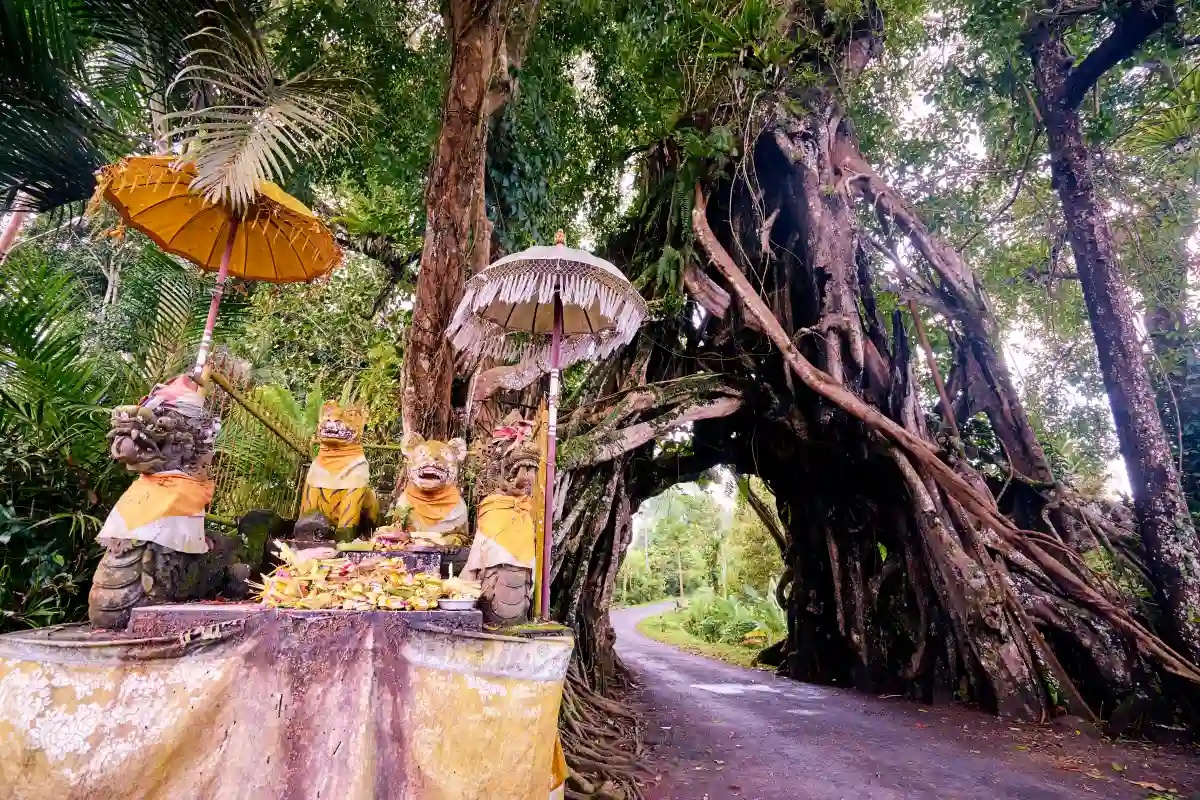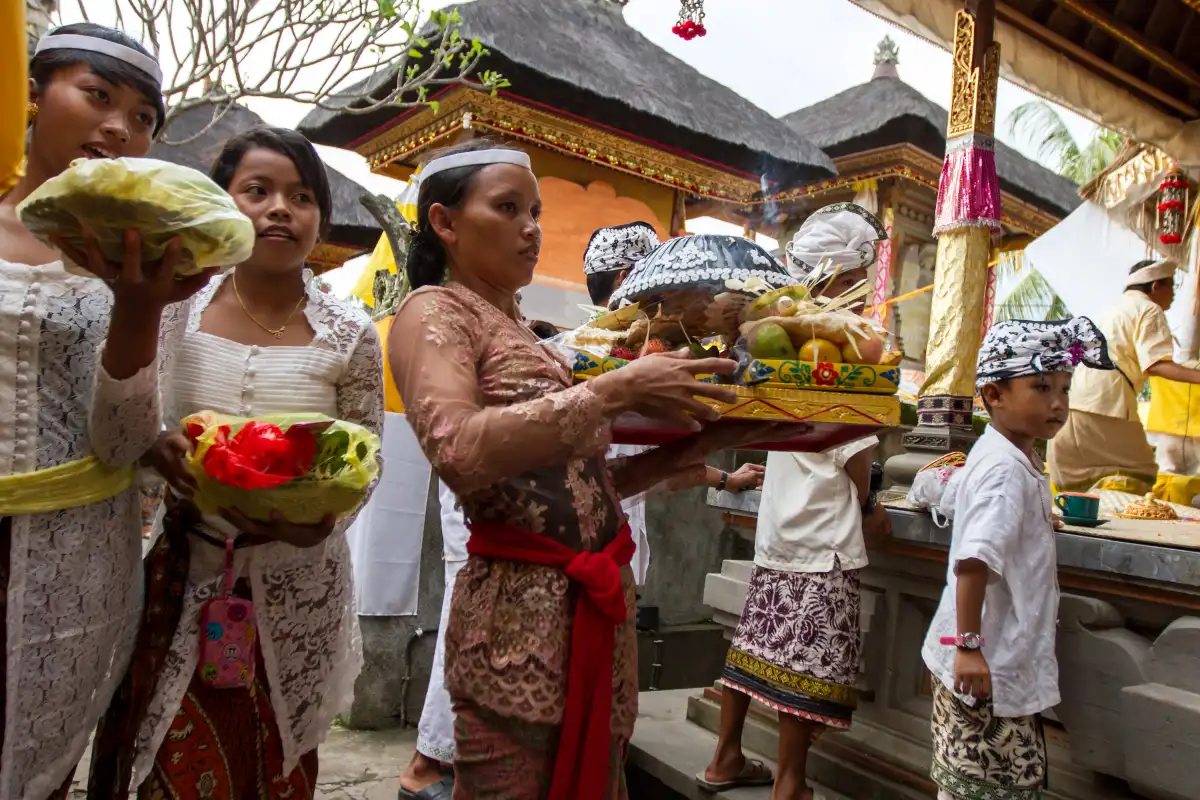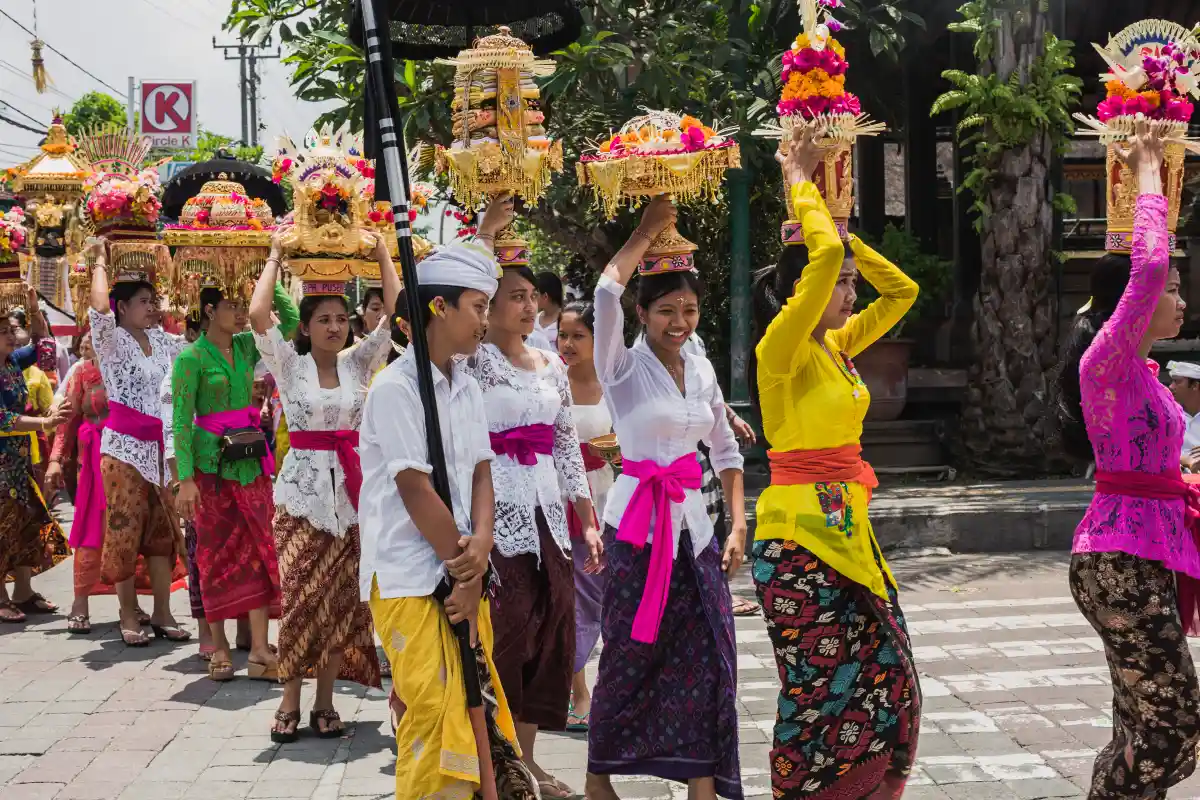
Ubud is closely associated with Bali’s art scene, but understanding Balinese art takes more than visiting galleries or seeing paintings in souvenir shops. The history of art in Ubud is connected to artists, communities, cultural traditions, changing markets, and the island’s growing relationship with tourism.
Museum Puri Lukisan offers a useful starting point for exploring that history. Established in 1956, it was created during a period when Balinese art was gaining wider international attention and concerns were growing about important artworks leaving Bali. The museum’s history is closely connected to efforts to preserve Balinese artistic identity while allowing artists to develop their work.
A visit to Museum Puri Lukisan can therefore be more than an introduction to Balinese paintings. It can open questions about how artistic traditions are preserved, how they change, and what happens when local art becomes part of a global creative economy.
Museum Puri Lukisan and Ubud’s Art History
Museum Puri Lukisan is considered Ubud’s first art museum and has played a role in documenting the development of modern Balinese art. Its origins are connected to the Pita Maha movement, an artists’ organization established in Ubud in the 1930s with figures including Rudolf Bonnet and members of the Ubud royal family.
The museum was officially opened in January 1956 under the Ratna Wartha Foundation. Its founding reflects an important period in Bali’s art history, when artists were developing new approaches while still working with Balinese subjects, techniques, and cultural references. This history makes the museum particularly useful when studying the relationship between traditional Balinese painting, modern Balinese art, and Ubud’s changing cultural landscape.
Read also: Experiential Education in Bali
How to Look at Balinese Art
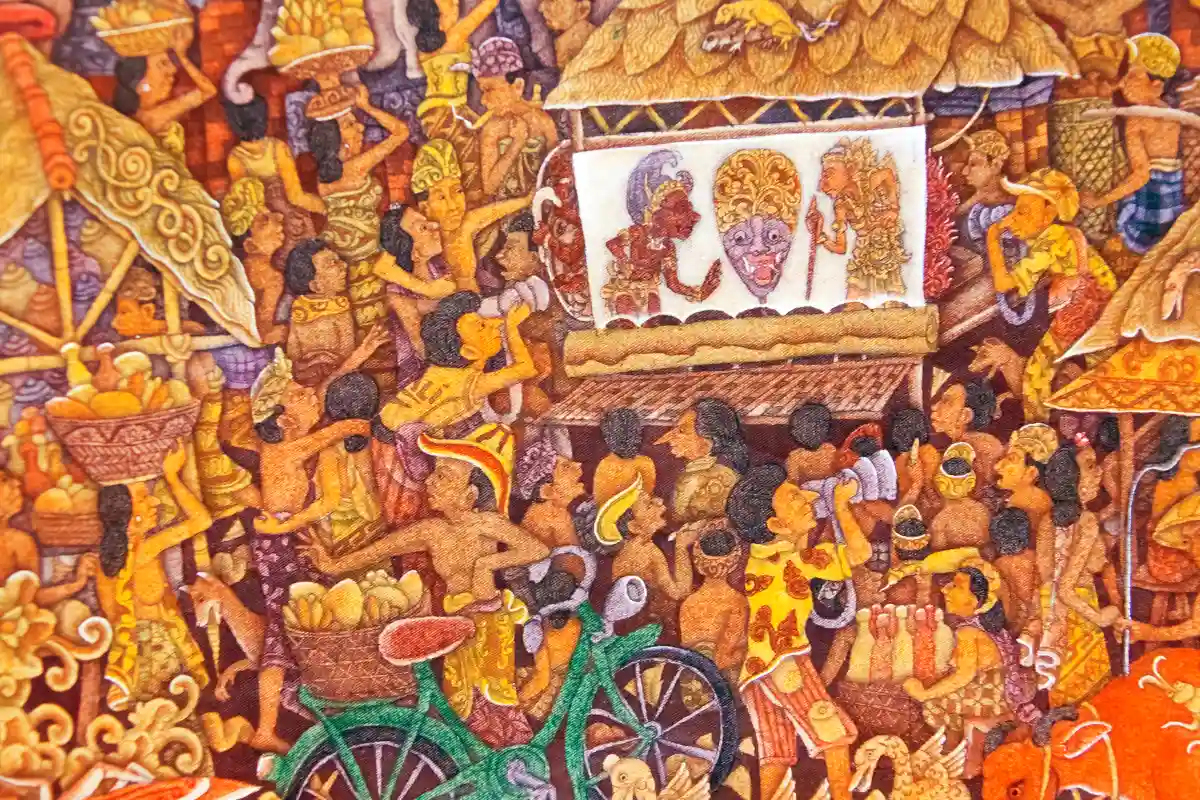
A museum visit becomes more interesting when you look beyond whether a painting is beautiful or impressive. Try using a few simple questions to understand what you are seeing.
Look at the Subject
Start by asking what is represented. A painting may show Hindu epics, religious stories, village life, ceremonies, landscapes, animals, or scenes from everyday Balinese life. The subject can reveal what stories, beliefs, and aspects of community life were important to the artist and the audience.
Look at the Composition
Notice how people, objects, animals, and architectural elements are arranged across the picture. Look at the use of space, repeated figures, movement, and detail. Traditional Balinese painting can contain a large amount of visual information, so stepping back and looking at the whole composition can be just as useful as examining individual details.
Look at Technique and Materials
Pay attention to line, colour, texture, and the level of detail. Ask how the artist created these effects and what materials were used. Comparing works from different periods can also reveal changes in artistic techniques and influences.
Look at Historical Context
A painting does not exist separately from its time. Consider when it was made and what was happening in Bali’s social and cultural environment. This can help explain why Balinese artists adopted new subjects, techniques, or artistic approaches while continuing to draw from established traditions.
Ask Who the Art Was Made For
Patronage is another useful part of understanding Balinese art. Artists have historically created works for religious, community, royal, private, and commercial contexts. The intended audience can influence what is depicted, how it is made, and where the artwork eventually ends up.
From Traditional Balinese Painting to Modern Art
One of the most useful questions at Museum Puri Lukisan is not simply “What is traditional Balinese art?” but “How has Balinese art changed?” Balinese artists have continued to work with familiar stories, symbols, and visual traditions while experimenting with different techniques, subjects, and influences. The museum’s history reflects this process of change rather than presenting Balinese art as something fixed in the past.
This makes the museum relevant to discussions about cultural heritage. Preserving a tradition does not necessarily mean keeping it unchanged. Artists can reinterpret existing ideas while still maintaining connections to earlier artistic practices.
Read also: Tri Hita Karana
Art, Community, and Everyday Life in Bali
Balinese art has long been connected to more than galleries and museums. Painting, carving, dance, architecture, textiles, and other creative practices can be connected to religious ceremonies, community life, homes, temples, and everyday activities.
That connection is important when studying Balinese art because it challenges the idea that art is always created primarily for display. A painting in a museum may have originally been created within a very different social context. Asking where it came from, who made it, who used or viewed it, and why it was preserved can reveal a much larger story.
Read also: Penglipuran Village
How Tourism Changed Ubud’s Art Economy
Ubud’s development as an international cultural destination also raises questions about tourism and the art economy. As Balinese art became increasingly visible to visitors and international collectors, artists gained access to new audiences and markets.
At the same time, tourism created new expectations around what Balinese art should look like and what visitors wanted to buy. This makes tourism an important subject for discussion rather than simply something separate from art history.
Questions to Consider
- How might tourism influence the subjects artists choose to paint?
- What happens when artwork made for a local cultural context enters an international market?
- Can an artwork remain culturally meaningful when it is made primarily for commercial purposes?
- How do artists balance traditional techniques with changing tastes?
- Who benefits economically when Balinese art is sold to visitors?
These questions can lead into broader discussions about cultural heritage, globalization, and the creative economy in Bali.
Read also: Regenerative Tourism in Bali
Museum Puri Lukisan as an Experiential Learning Space
Museum Puri Lukisan works particularly well as a starting point for experiential learning because students can move between looking closely at individual artworks and investigating the wider cultural context behind them.
A useful visit might begin with close observation in the galleries before moving outside the museum to explore how artistic traditions continue in Ubud today.
Start With One Artwork
Choose one painting and spend several minutes observing it without immediately looking at the information panel. Write down what you notice about the subject, composition, colours, figures, and visual details. Then read the available information and compare it with your first interpretation.
Compare Different Periods
Choose two or three works from different periods and look for similarities and differences. Ask what has changed in the style, subject, technique, or intended audience. This can provide a simple way to explore the development of Balinese painting without trying to memorize every artist or art movement.
Connect the Museum to Ubud
The learning should not stop at the museum entrance.
Walk through Ubud and look for places where creative traditions continue outside formal museum spaces. This might include galleries, studios, workshops, craft businesses, or community spaces.
Nearby artisan areas can offer another perspective. Mas, for example, is known for its woodcarving tradition, while Batuan has a long association with Balinese painting. Comparing these living creative communities with museum collections can help students understand how artistic traditions continue to develop.
Compare Art and Creative Work Today
Students can also investigate how contemporary artists and artisans work today.
Questions might include:
- What traditional techniques are still being used?
- Which subjects are being reinterpreted?
- Who is buying the work?
- How has social media changed the way artists reach audiences?
- How does tourism affect the price, style, and production of art?
This approach turns a museum visit into an investigation of both Bali’s art history and its contemporary creative economy.
Read also: Why Bali Is an Excellent Study Destination
Learning Questions for Students
Museum Puri Lukisan can support projects in art history, anthropology, cultural heritage, museum studies, and creative industries.
Some useful questions include:
- Art and Tradition: How do artists preserve traditional Balinese art while introducing new ideas?
- Culture and Community: How are painting and other creative practices connected to religion, community, and everyday life?
- Museums and Heritage: What happens when an artwork moves from a community or private setting into a museum?
- Tourism and the Creative Economy: How has tourism influenced the production, marketing, and value of Balinese art?
- Continuity and Change: Which elements of Balinese art remain recognizable across different generations, and which have changed?
Practical Information for Visiting Museum Puri Lukisan
Museum Puri Lukisan is located on Jalan Raya Ubud, around 300 metres west of Ubud Palace and Ubud Market. The museum’s official website currently lists opening hours as 09:00 – 18:00 daily and an individual adult admission fee of Rp95,000. Children under 15 accompanied by an adult are currently listed as free, while different arrangements apply to group visits. Check the museum’s official website before visiting for the latest information.
Museum Etiquette
A visit to Museum Puri Lukisan is an opportunity to spend time with Balinese artworks and understand the traditions behind them. Simple museum etiquette helps protect the collection and keeps the galleries comfortable for everyone.
Follow the museum’s signs and staff instructions, especially regarding photography. If photography is permitted, avoid flash and make sure your equipment does not block artworks or other visitors.
Keep your voice low, do not touch the artworks, and give others enough space to view the collection. Taking notes can also be more useful than photographing every piece, especially when the goal is to observe and learn from the artworks.
Seeing Balinese Art as a Living Tradition
Museum Puri Lukisan provides a way to look at Bali’s art history through actual works, but its wider value lies in the questions those works raise. Who made this artwork? Why was it made? Who was it made for? How did its meaning change over time? What happened when tourism and international markets became part of the story?
Exploring these questions helps place traditional Balinese painting within a broader story of Ubud, community, cultural exchange, and creative practice. For students and educators, Bali Institute’s University Experiences offer opportunities to explore arts, culture, and anthropology through immersive learning. Groups and lifelong learners can also experience Bali’s artistic traditions through Adult Learning Journeys, which can include engagement with local artisans, cultural experts, and communities. In this way, a visit to Museum Puri Lukisan can become a starting point for a deeper understanding of Balinese art as a living tradition.