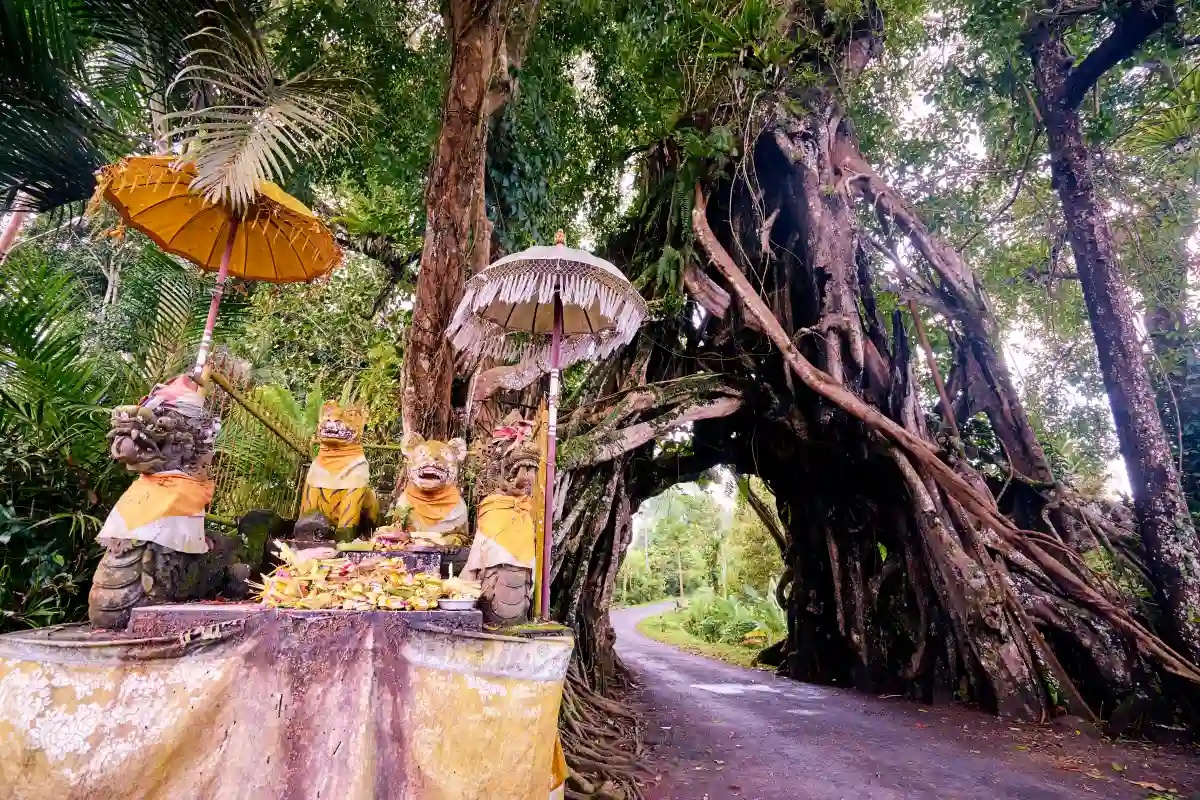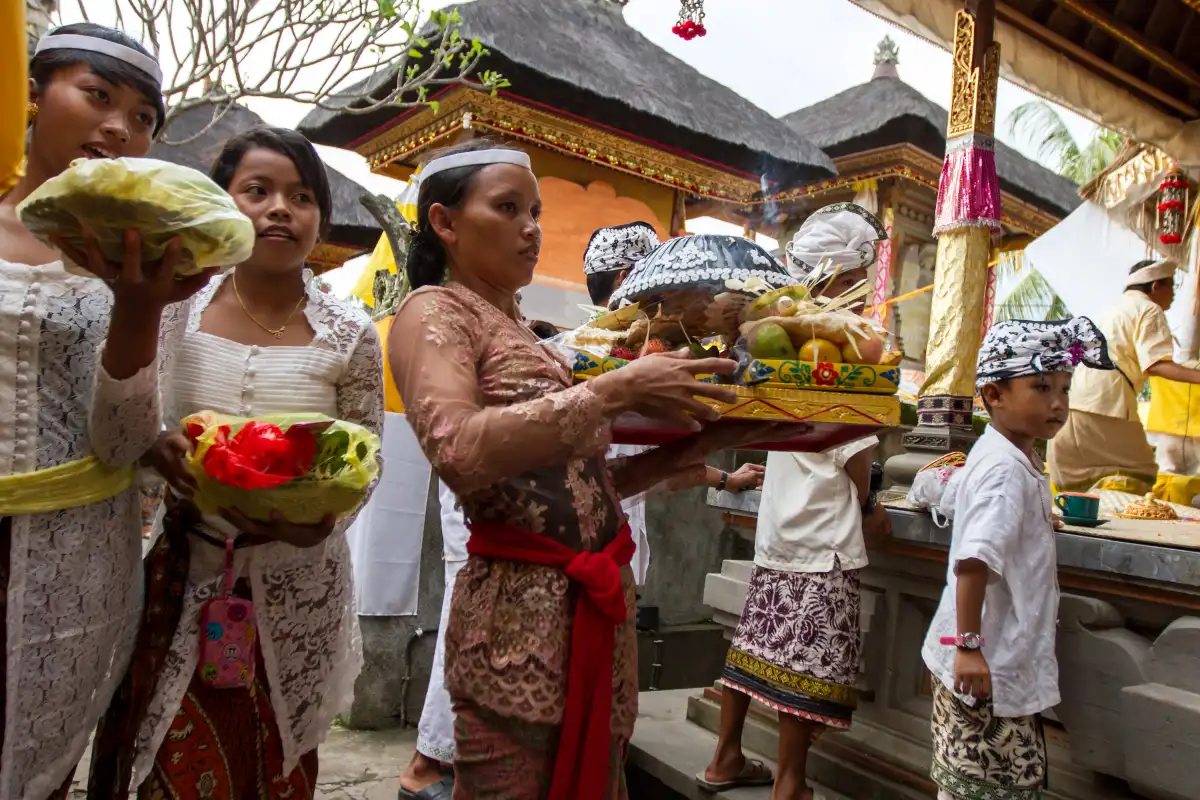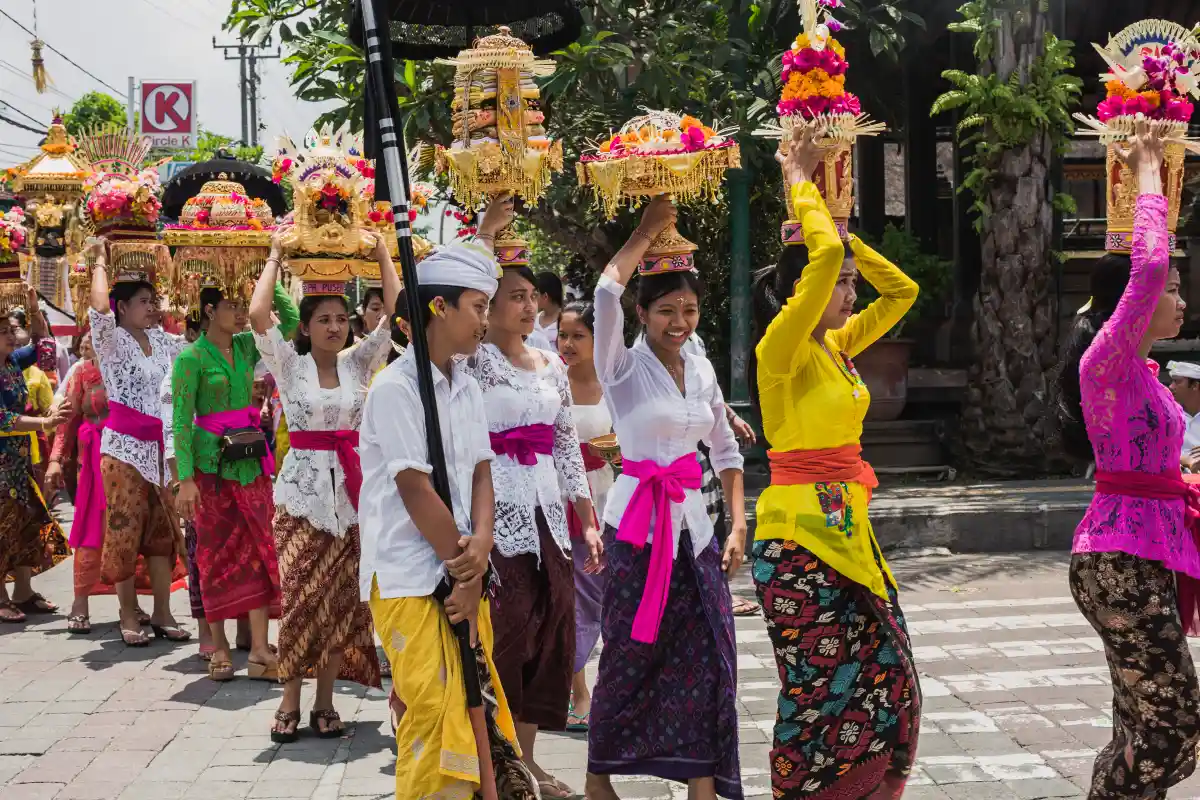
While visitors often notice the deep connection between Bali’s culture, spirituality, and natural landscapes, these elements are actually governed by a foundational philosophy known as Tri Hita Karana. Translated as “the three causes of well-being,” it teaches that true prosperity arises from maintaining harmony in three core relationships: with the Divine, with one another, and with the natural environment.
So what is this well-known Balinese philosophy? Tri Hita Karana extends far beyond religious practice; it dictates how villages are organized, how agricultural water is equitably shared, and how communities manage their ecological footprint. As a living framework for sustainability and cultural resilience, it provides a profound, real-world case study for global citizenship education.
For institutions designing custom faculty-led study abroad programs or group student trips, understanding this principle is the essential first step to engaging meaningfully with the island. For academic cohorts and mindful travelers participating in experiential learning abroad, exploring this philosophy provides the vital context needed to truly understand Bali’s complex social and environmental systems.
Understanding the Meaning of Tri Hita Karana
The phrase Tri Hita Karana comes from Sanskrit derived words:
- Tri means three.
- Hita refers to wellbeing, prosperity, or happiness.
- Karana means cause or source.
Together, the phrase describes three interconnected relationships that create harmony in life. Rather than viewing people, nature, and spirituality as separate, Tri Hita Karana recognises that each depends on the others. When one relationship is neglected, balance is affected. When all three are nurtured together, individuals and communities are better able to thrive.
This holistic perspective has shaped Balinese society for generations and remains relevant as communities navigate modern challenges such as environmental change, urban development, and tourism.
The Three Principles of Tri Hita Karana
Parahyangan: Harmony with the Divine
The first principle, Parahyangan refers to the relationship between people and the Divine. In Bali, this connection is expressed through daily prayers, temple ceremonies, religious festivals, and offerings known as canang sari. These practices are acts of gratitude and reflection, reminding individuals that life is sustained by forces beyond themselves.
For visitors, Parahyangan explains why temples remain active places of worship rather than historical monuments. Ceremonies, offerings, and sacred spaces continue to play an essential role in everyday life, making respectful behaviour an important part of visiting Bali.
Pawongan: Harmony Among People
The second principle, Pawongan, focuses on relationships within the community. Balinese society places strong emphasis on cooperation, mutual respect, and shared responsibility. Much of this is organised through the banjar, a traditional community organisation where residents work together to prepare ceremonies, maintain public spaces, support families, and make collective decisions.
This spirit of gotong royong, working together for the common good, helps strengthen social connections while preserving cultural traditions across generations. Pawongan reminds us that individual wellbeing is closely connected to the wellbeing of the wider community.
Palemahan: Harmony with Nature
The third principle, Palemahan, reflects the relationship between people and the natural environment. In Bali, nature is viewed as something to be cared for rather than simply used. Mountains, rivers, forests, lakes, and the sea are valued not only for their ecological importance but also for their cultural and spiritual significance.
One of the clearest examples of Palemahan is Bali’s Subak irrigation system, where farmers share water through cooperation, traditional knowledge, and temple based rituals. This centuries old system demonstrates that caring for natural resources is also about caring for communities. Today, Palemahan continues to influence conversations around sustainability in Bali, environmental conservation, and responsible land management.
Read more: The Religious Importance of Mount Agung in Balinese Hindu Tradition
How Tri Hita Karana Shapes Everyday Life in Bali
Although Tri Hita Karana is rooted in Balinese Hindu philosophy, its influence extends far beyond religious ceremonies. It serves as a guiding principle for how many Balinese people interact with their communities, manage natural resources, and maintain a sense of balance in everyday life. Rather than existing as an abstract belief, Tri Hita Karana is reflected in daily practices that have been passed down through generations.
Spiritual Life and Gratitude
The principle of Parahyangan, or harmony with the Divine, is expressed through temple ceremonies, daily prayers, and offerings known as canang sari. These practices are acts of gratitude and a way of maintaining a spiritual connection with the world around them. For many Balinese families, these rituals are an integral part of daily life, reinforcing values of humility, respect, and balance.
Community Cooperation and Shared Responsibility
The spirit of Pawongan, or harmony among people, is evident in Bali’s strong sense of community. Through the banjar—the traditional village organisation—residents work together to organise ceremonies, maintain public spaces, and support one another during important life events. This culture of gotong royong, or mutual cooperation, reflects the belief that individual wellbeing is closely linked to the wellbeing of the community.
Living in Balance with Nature
Palemahan, the principle of harmony with nature, shapes how many Balinese communities care for their environment. One of the best-known examples is the Subak irrigation system, where farmers collectively manage water resources through cooperation, local knowledge, and traditional practices. Beyond agriculture, this respect for nature is reflected in the protection of sacred forests, rivers, and springs, recognising that healthy ecosystems are essential to both cultural and community life.
A Philosophy That Continues to Evolve
While Bali has embraced modern development and tourism, Tri Hita Karana continues to provide a framework for balancing economic growth with cultural preservation and environmental stewardship. Its principles remain relevant in conversations about sustainable tourism in Bali, community wellbeing, and responsible development, demonstrating how traditional wisdom can help address contemporary challenges.
Understanding how Tri Hita Karana shapes everyday life offers a deeper appreciation of Balinese culture. It reveals that the island’s ceremonies, villages, agricultural landscapes, and community traditions are all connected by a shared philosophy that values harmony between people, nature, and the spiritual world.
Why Tri Hita Karana Matters for Sustainability
The global conversation around sustainability often focuses on reducing waste, protecting biodiversity, or lowering carbon emissions. While these are important goals, Tri Hita Karana offers a broader perspective. It suggests that environmental sustainability cannot be separated from cultural values or community wellbeing.
For example, protecting a forest is not only about conserving biodiversity. It is also about safeguarding water sources, preserving sacred landscapes, supporting local livelihoods, and maintaining cultural traditions connected to that environment.
Similarly, preserving traditional farming practices is not simply about producing food. It also protects local knowledge, strengthens community cooperation, and supports long-term environmental resilience. In this way, Tri Hita Karana demonstrates that sustainability is as much about relationships as it is about natural resources.
What Tri Hita Karana Can Teach Responsible Travellers
Understanding Tri Hita Karana can transform the way visitors experience Bali. Instead of seeing temples as tourist attractions, travellers begin to recognise them as active places of worship. Rice terraces become examples of community cooperation rather than simply scenic landscapes. Villages are understood as living communities rather than cultural displays. This perspective encourages more respectful and responsible travel.
Visitors can embrace the spirit of Tri Hita Karana by:
- Dressing appropriately when visiting temples.
- Asking permission before photographing ceremonies or local residents.
- Supporting local guides, artisans, and family-owned businesses.
- Reducing plastic waste and respecting natural environments.
- Learning about local customs before participating in cultural activities.
These actions may seem small, but together they contribute to preserving the harmony between people, culture, and the environment that Tri Hita Karana seeks to protect.
Why Tri Hita Karana Is Still Relevant Today
Although Tri Hita Karana has guided Balinese society for centuries, its principles remain remarkably relevant in today’s world. As destinations face increasing pressures from tourism, urban development, and environmental change, the philosophy encourages a more balanced approach to progress, one that considers economic growth alongside cultural preservation, community wellbeing, and environmental responsibility.
For educators, students, and organisations, Tri Hita Karana also provides a valuable framework for exploring topics such as sustainable development, cultural heritage, environmental ethics, and community resilience through the perspective of local wisdom. Rather than offering simple solutions, it encourages a way of thinking that recognises the connections between people, places, and the choices we make.
Frequently Asked Questions
What is Tri Hita Karana?
Tri Hita Karana is a Balinese Hindu philosophy that means “the three causes of well-being” or “the three sources of harmony.” It teaches that a balanced life depends on maintaining harmony between the Divine, other people, and nature.
What are the three principles of Tri Hita Karana?
The three principles are Parahyangan (harmony with the Divine), Pawongan (harmony among people), and Palemahan (harmony with nature).
How does Tri Hita Karana influence Balinese culture?
Tri Hita Karana shapes many aspects of daily life in Bali, including religious ceremonies, community cooperation, traditional farming, village organisation, architecture, and environmental stewardship.
Why is Tri Hita Karana important for sustainable tourism?
The philosophy encourages visitors to respect local communities, cultural traditions, and natural environments. It shows that responsible tourism is not only about protecting nature but also about supporting the people and values that sustain it.
Can visitors experience Tri Hita Karana in Bali?
Yes. Visitors can experience its principles by observing temple life respectfully, learning about the Subak irrigation system, participating in community-based educational programmes, supporting local artisans, and travelling in ways that respect both culture and the environment.
Learn the Principles Behind Balinese Life with Bali Institute
Bali Institute designs immersive learning experiences that help participants explore the cultural values and local wisdom that continue to shape life on the island. Rather than focusing solely on destinations, our programmes encourage meaningful engagement with the people, traditions, and systems that define Bali’s unique identity.
Through our Teen Exploration, University Experience, Adult Learning Journey, and Customised CSR Group Programmes, participants investigate topics such as Tri Hita Karana, sustainable development, community-based governance, traditional agriculture, and cultural preservation. Guided by local experts and community partners, learners gain firsthand perspectives on how these principles are applied in everyday life and why they remain relevant in addressing today’s social and environmental challenges.
By combining field based experiences with academic inquiry, Bali Institute helps participants develop a deeper appreciation of Bali’s living culture while fostering critical thinking, intercultural awareness, and a more informed approach to responsible travel and global citizenship.