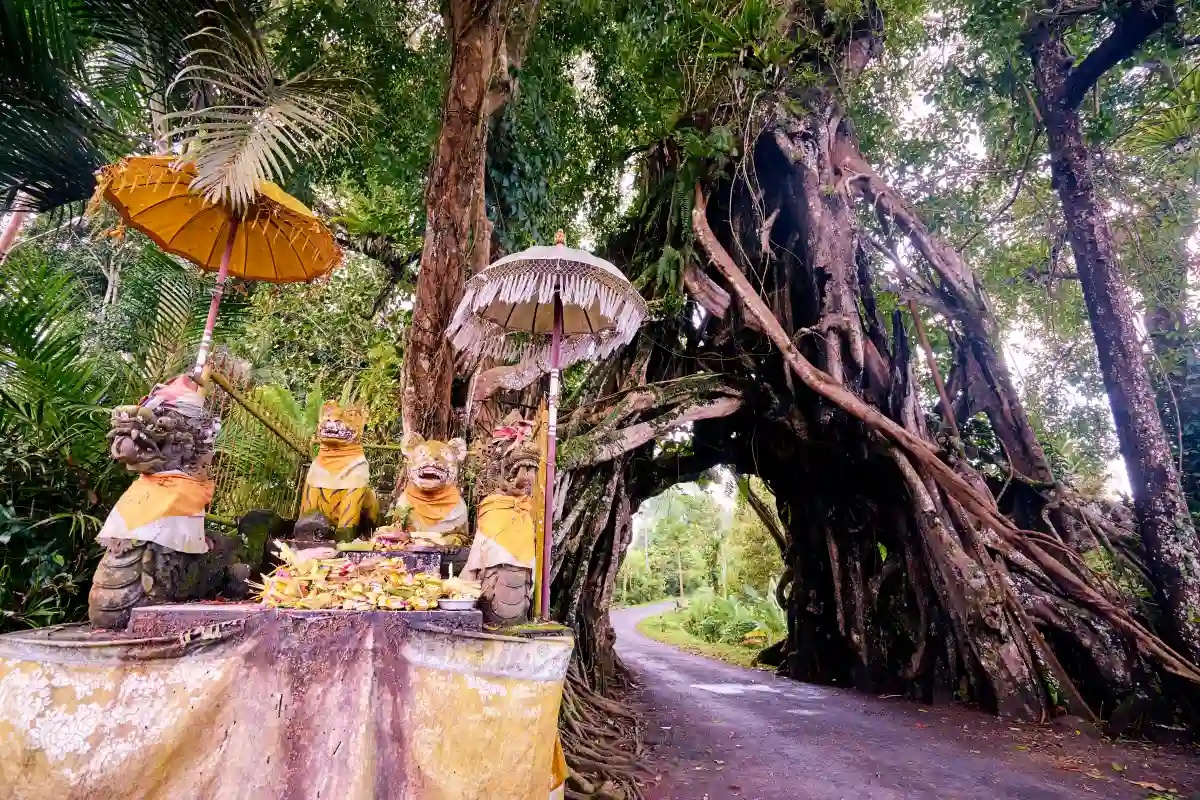
While most travelers recognize Balinese cuisine through iconic dishes like nasi campur, lawar, and babi guling (suckling pig), traditional Balinese food culture represents a much deeper story than what appears on the table. In Bali, food is an interconnected cultural system directly linking heritage agriculture, sacred ceremonies, family life, and village traditions. From rice harvested through ancient subak irrigation networks to fresh spices traded in morning markets and offerings prepared for temple feasts, every ingredient serves a purpose. Exploring local food gives conscious travelers an authentic lens into the island while revealing how soil, spirituality, and community unite in everyday Balinese life.
Read also: On the Menu in Bali: Favourite Local Foods and Cuisine
Food Begins with Farming
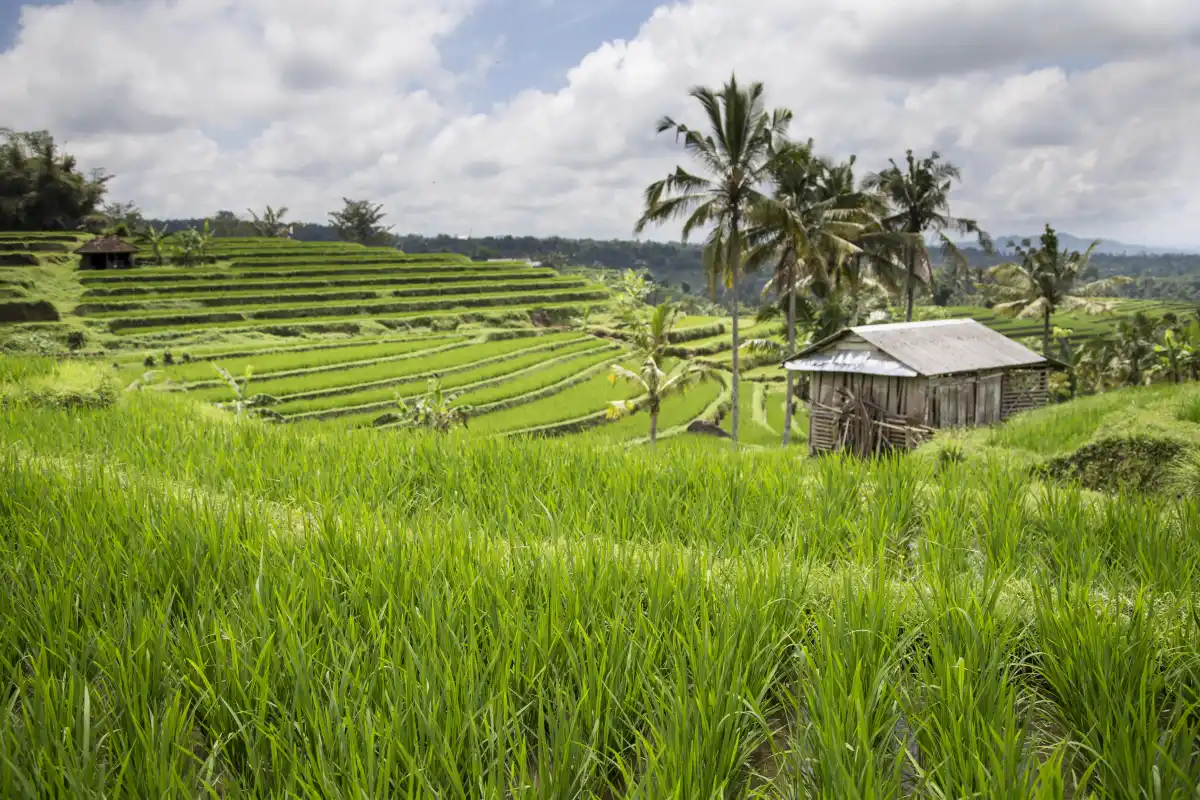
The story of Balinese food starts with the land. Rice is central to many agricultural communities in Bali, while vegetables, fruits, coconuts, spices, and other crops contribute to the variety of ingredients found in local kitchens and markets. Fish and sea salt also form part of the island’s food landscape, particularly in coastal communities.
Agriculture has traditionally been closely connected to Balinese religious life. Farmers follow seasonal practices and rituals throughout the agricultural cycle, from preparing the fields and planting rice to harvesting.
Research into Balinese agricultural rituals shows that these practices carry local knowledge and values passed down through generations. They can express gratitude for a successful harvest, ask for protection, and reflect the Balinese philosophy of Tri Hita Karana, which emphasizes harmony between people, nature, and the divine.
This means that understanding Balinese food also means understanding the farming systems and cultural practices that produce it.
Read also: The Magnificent Subak System: UNESCO World Heritage Status
From Farms to Bali’s Local Markets
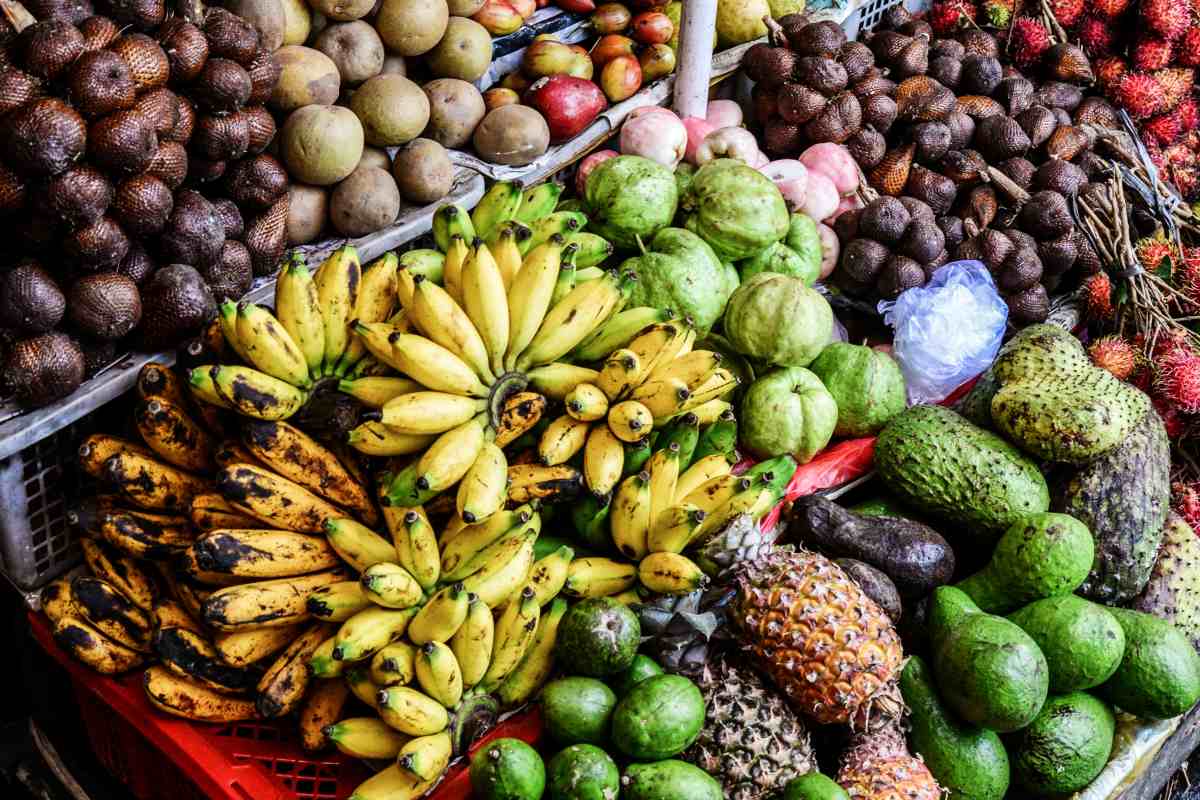
Traditional markets in Bali are an important link between local farmers, producers, vendors, and the households and warungs they supply. They are also a great place to see how local food in Bali moves from the farm to the kitchen.
A walk through a Balinese market reveals fresh vegetables, spices, fruits, coconut, rice, fish, and ready-to-cook ingredients used in everyday meals. Beyond the produce, markets introduce the people behind Bali’s food system and the relationships that keep it moving.
A visit to a local market in Bali offers a closer look at food beyond familiar dishes. The ingredients on each stall can reveal what grows locally, what people cook at home, and how traditional markets support everyday livelihoods and community life.
Read also: Local Markets in Bali: What to Buy, Where to Go, and How to Shop Like a Local
Food, Offerings, and Balinese Ceremonies
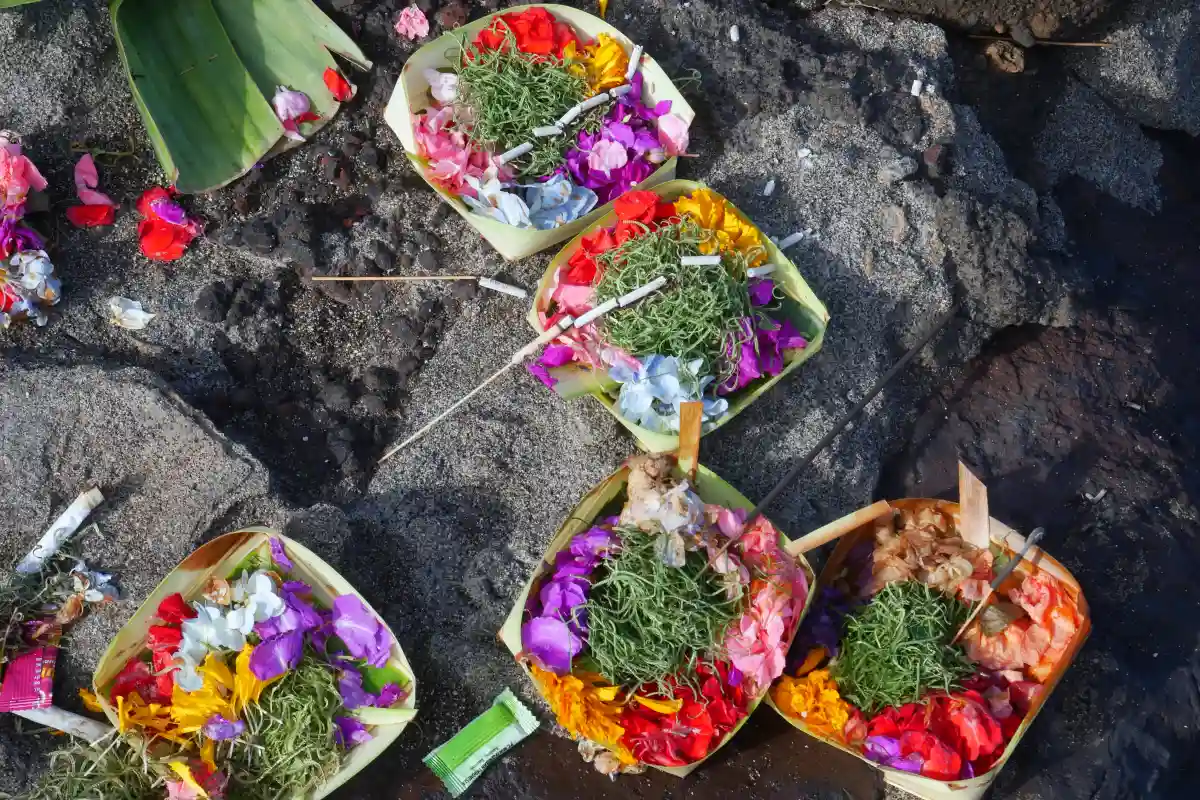
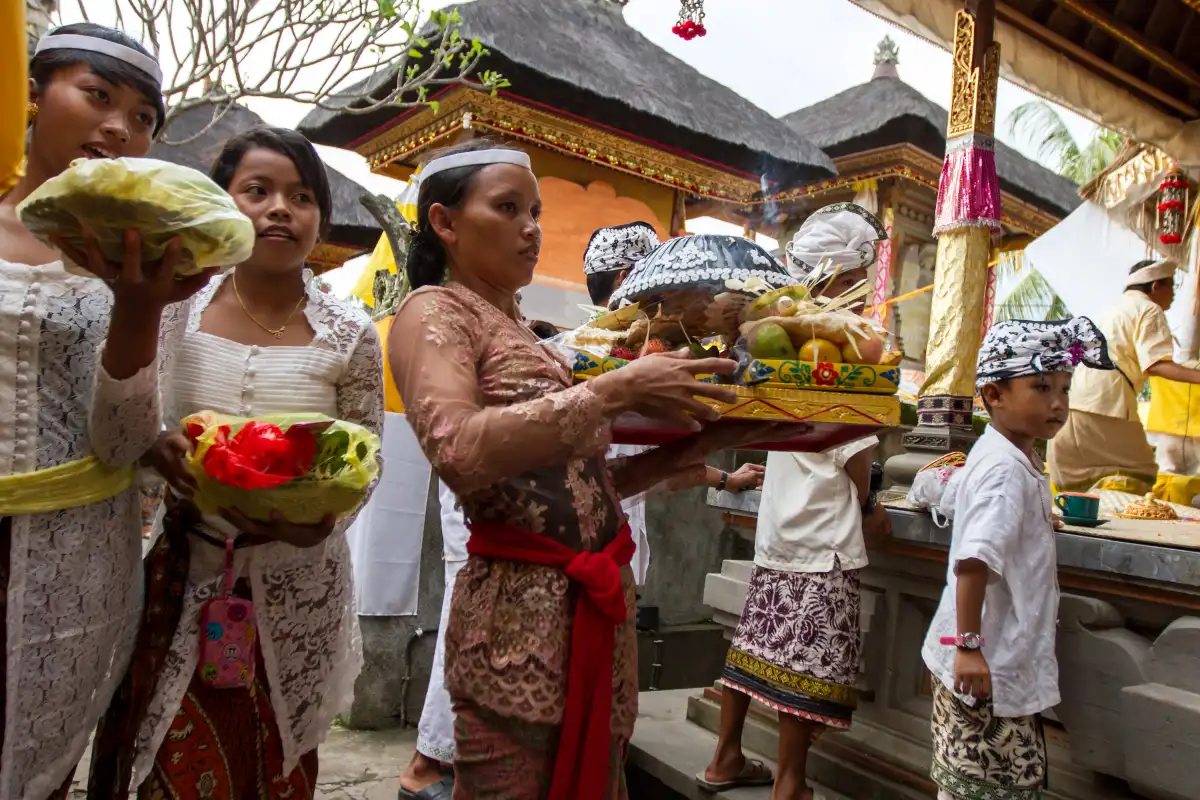
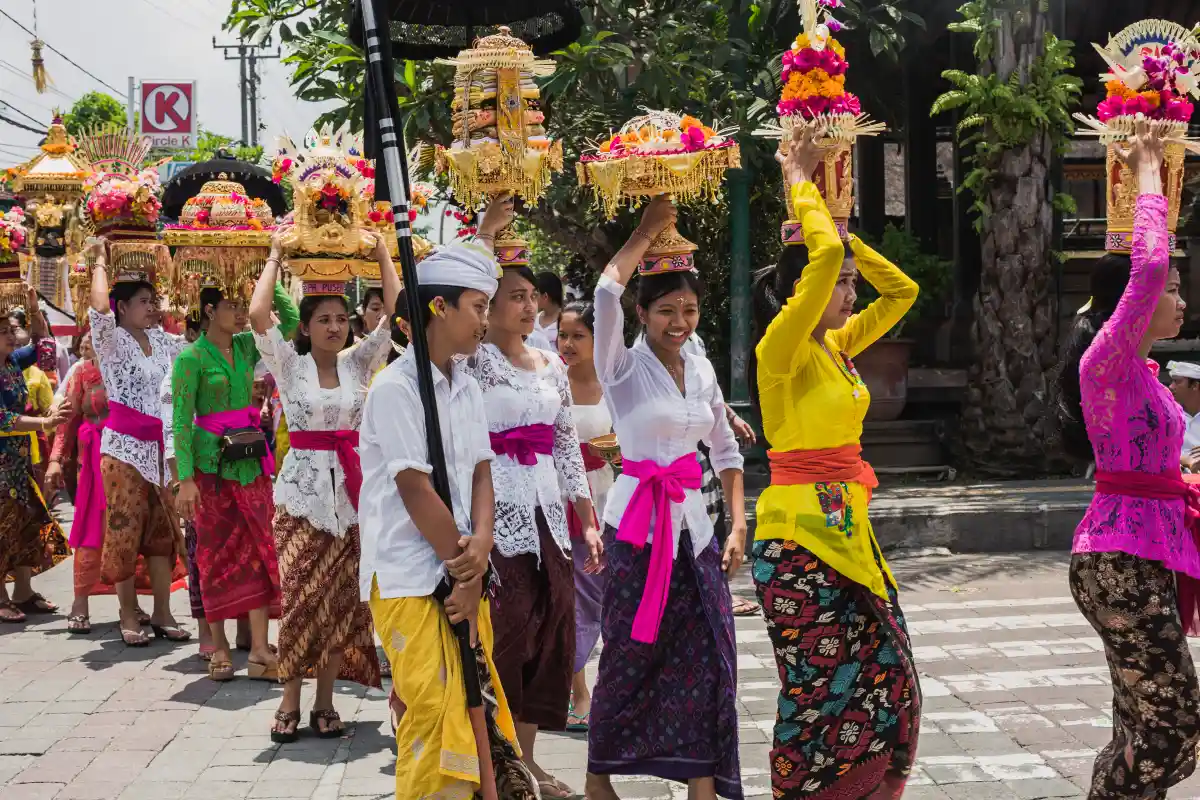
Food has an important role in Balinese Hindu ceremonies and religious traditions. Rice, fruits, and prepared foods may be included in banten, or offerings, presented during daily prayers, temple ceremonies, festivals, and other religious occasions.
Preparing ceremonial food can also bring families and communities together. Different tasks are often shared, from preparing ingredients to arranging offerings and cooking food for larger gatherings. These activities are part of the preparation for a ceremony and help pass cultural practices from one generation to the next.
Food in Balinese ceremonies therefore has meaning beyond nourishment. It becomes part of religious practice, cultural expression, and community participation, showing how food continues to play an important role in Balinese spiritual and social life.
Read also: Balinese Hinduism – The Heart of Bali’s Spiritual Soul
Balinese Family Meals and Shared Preparation
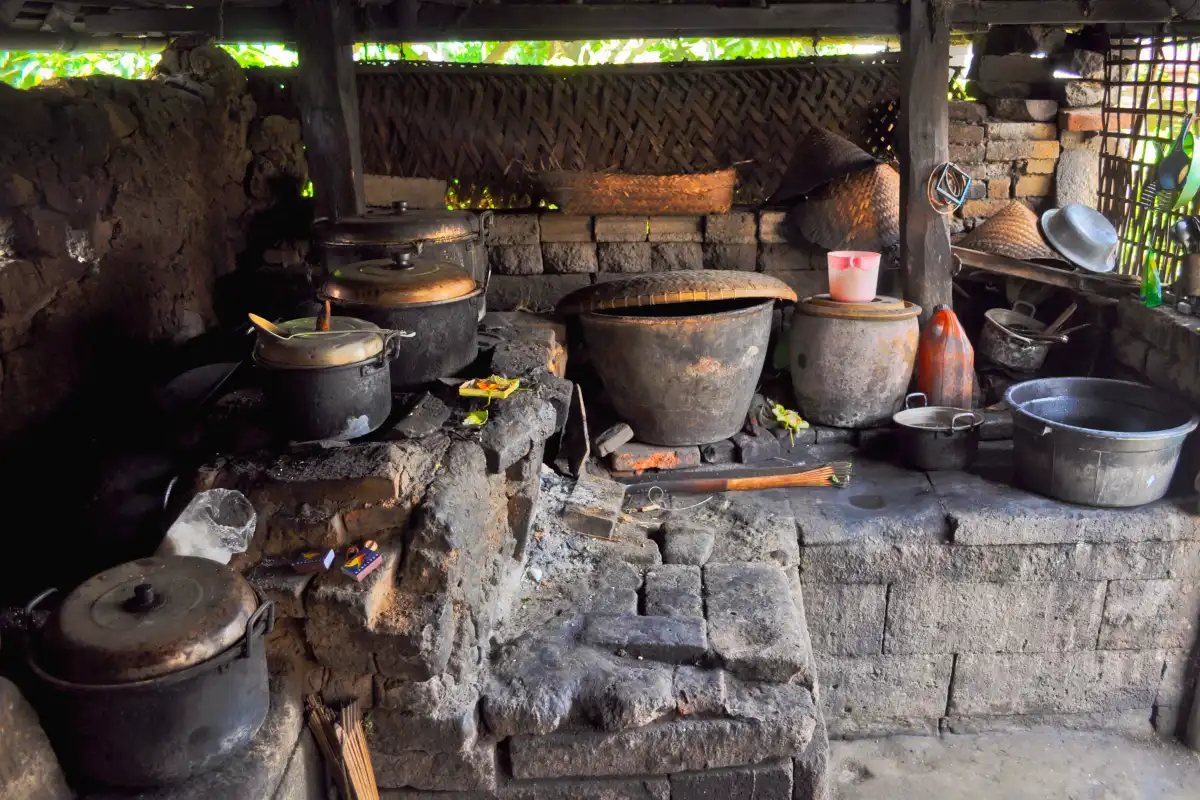
Much of Balinese food culture begins in the family kitchen. Cooking is often a shared activity, with family members contributing to different parts of preparing a meal, from choosing ingredients to cooking and serving.
These everyday routines are also an important way culinary knowledge is passed down. Children and younger family members can learn recipes, cooking techniques, and local food traditions by watching and helping older generations.
Sharing food creates another layer of connection. Sitting down for a meal, preparing food for relatives, or cooking together with neighbors can strengthen relationships and create opportunities for conversation. In this way, Balinese family meals are as much about connection and shared knowledge as they are about the food itself.
Experiencing Local Food in Bali
Experiencing Balinese food culture goes beyond ordering a traditional dish at a restaurant. Local warungs, traditional markets, cooking experiences, and conversations with local cooks can offer a closer look at how food fits into everyday life in Bali.
A meal at a neighborhood warung can introduce everyday dishes and local ingredients, while a visit to a traditional market can reveal where many of those ingredients come from. Cooking experiences provide another perspective, showing the preparation, techniques, and knowledge behind Balinese food.
Paying attention to these details turns a meal into a cultural experience. The ingredients on a plate can lead to stories about local agriculture, family traditions, markets, community life, and the people who keep Bali’s food traditions alive.
Read also: Regenerative Travel in Bali: Meaningful Excursions That Give Back to the Island
Responsible Food Travel in Bali
Exploring Balinese food culture can also be a way to support the people and communities behind it. Small choices around where you eat, what you buy, and how you consume food can make your experience more responsible.
When exploring local food in Bali, consider:
- Choose local warungs and family-run businesses to support small food enterprises.
- Shop at traditional markets and buy local ingredients when you have a practical use for them.
- Look for locally grown ingredients and seasonal produce where available.
- Join locally run cooking experiences to learn directly from people who understand the food and its traditions.
- Order mindfully and avoid taking more food than you can finish.
- Reduce unnecessary packaging and food waste wherever possible.
- Support local farmers and producers by choosing products made with local ingredients.
Responsible food travel is ultimately about understanding the story behind what you eat. Knowing where ingredients come from, who prepares them, and who benefits from your spending can make a meal more meaningful while helping local food traditions and livelihoods continue to thrive.
Read also: Experiential Education in Bali: Sustainable Learning Through Culture, Nature, and Community
What Can We Learn from Balinese Food Culture?
Looking at Balinese food culture as a whole reveals how closely everyday life is connected to tradition and community. Food can show how cultural knowledge is maintained, how local livelihoods are supported, and how traditions continue to adapt to a changing Bali.
It also highlights the role of food as a form of cultural continuity. Recipes, cooking methods, local ingredients, and shared food practices can carry knowledge from one generation to the next, while local businesses and producers help keep these traditions relevant in contemporary life.
For anyone seeking to understand Bali beyond its tourist attractions, food offers an accessible starting point. It brings together culture, community, livelihood, and identity in a way that can be experienced through everyday life.
Learn About Bali Through Local Food with Bali Institute
Food offers a profound entry point into the heart of Balinese culture. At Bali Institute, we design immersive, experiential learning programs that connect international participants directly with the farmers, families, and traditions sustaining the island’s foodways. Examining local food systems opens up critical conversations around regenerative agriculture, sustainable heritage, and community livelihoods. We translate traditional knowledge into active learning, demonstrating how the act of growing, preparing, and sharing food actively binds Balinese communities together.
Whether you are planning a Teen Exploration program to introduce students to global citizenship, a faculty-led University Experience focused on sustainable food systems, an Adult Learning Journey for deep cultural immersion, or a Customized CSR Group Tour centered on social impact, we tailor our itineraries to your exact educational goals. With Bali Institute, traditional cuisine becomes more than a culinary experience, but it transforms into a powerful lens for understanding Bali’s people, culture, and enduring connection to the land.