Bali is more than just stunning beaches and lush rice terraces—it’s a living, breathing tapestry of faith, culture, and harmony. At the center of this island’s vibrant way of life lies Balinese Hinduism, a unique form of Hindu belief and practice found nowhere else in the world. When we explore this tradition, we’re not just learning about religion—we’re stepping into a philosophy that guides how Balinese people live, celebrate, and connect with the universe.
In this article, we’ll journey together through the key characteristics of Balinese Hinduism, trace its origins, and uncover why it remains such an important force in preserving Bali’s cultural identity. Whether you’re a curious traveler or a seeker of deeper meaning, understanding Balinese Hinduism will enrich your experience of this magical island.
Key Characteristics of Balinese Hinduism
Balinese Hinduism is both profoundly spiritual and deeply practical, blending ancient Indian teachings with Bali’s own indigenous traditions. Here are the most essential elements that make it so unique:
Tri Hita Karana
The principle of Tri Hita Karana emphasizes three essential harmonies: the relationship between humans and God, humans with each other, and humans with the environment. We love how this philosophy isn’t just a belief—it’s a way of life. From how villages are built to how ceremonies are performed, every aspect of daily life in Bali reflects this pursuit of harmony.
Ritual and Offerings
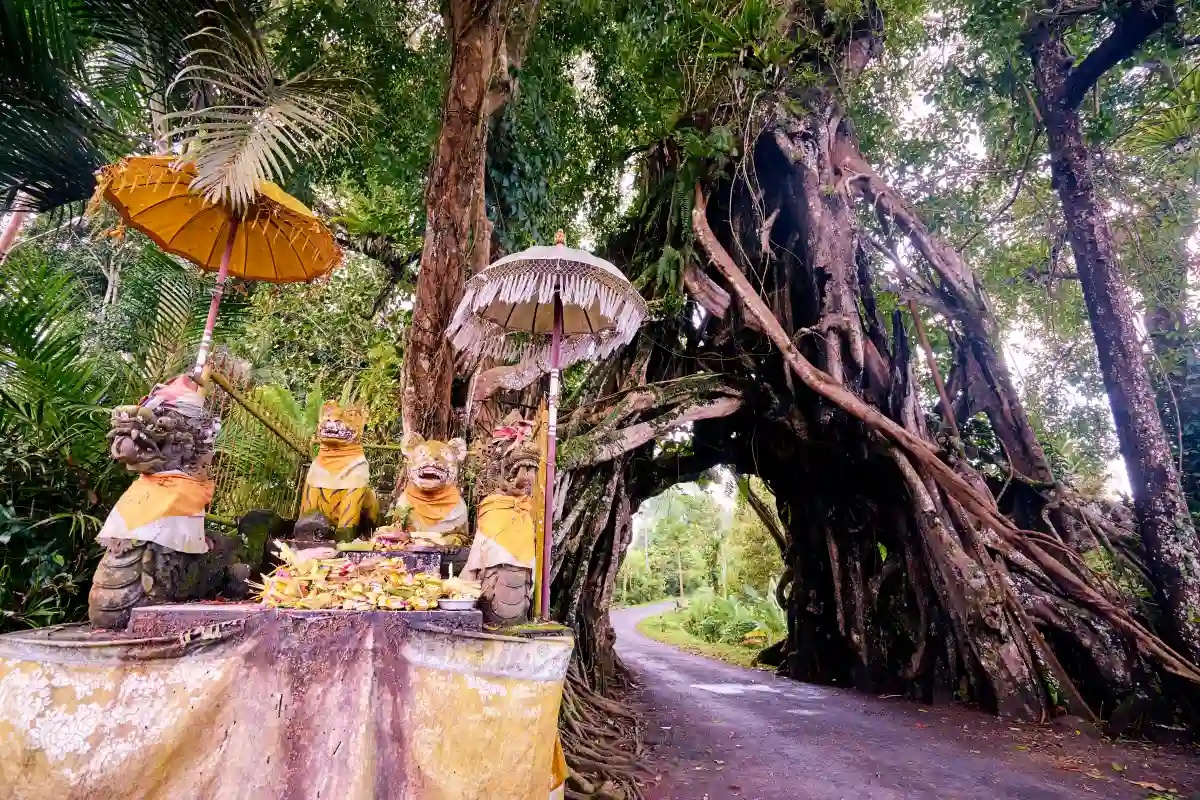
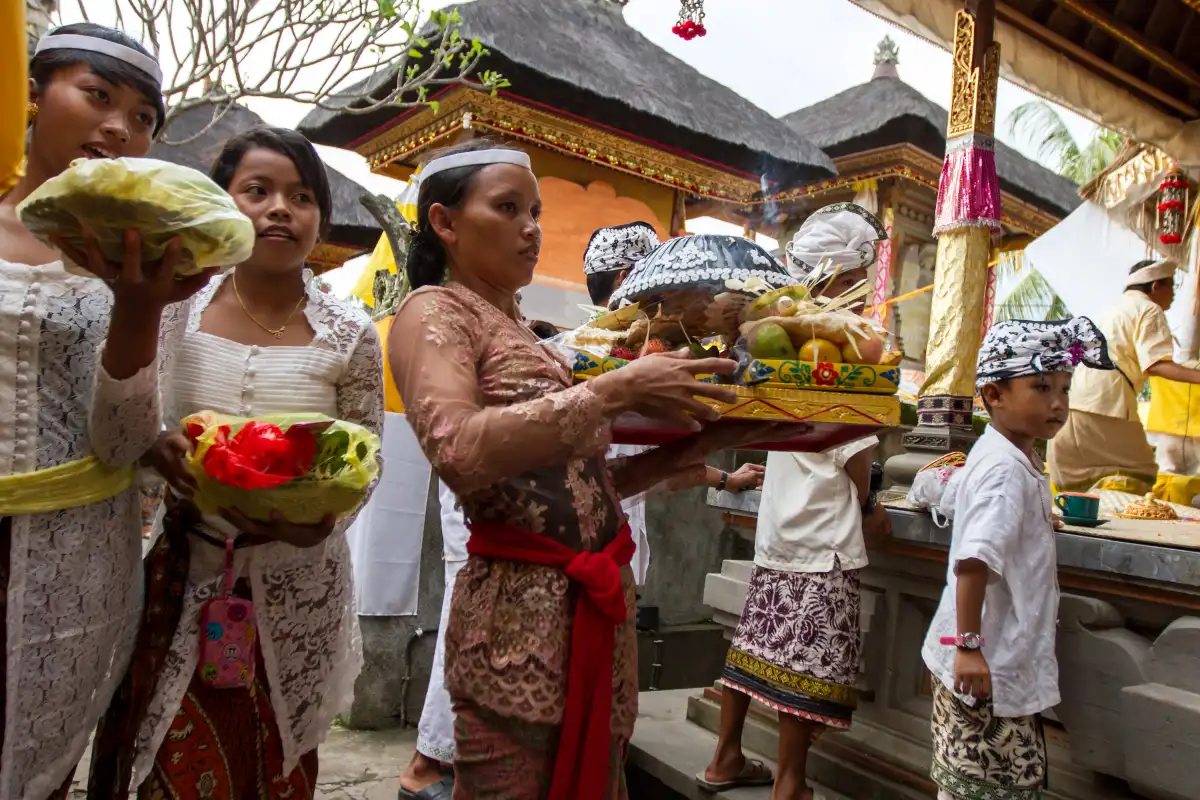
Daily life in Bali involves intricate rituals and offerings, known as mebanten or canang sari. These small ceremonies include offerings of food, flowers, and incense to the deities and are central to the faith. We find it moving to see how every act—whether big or small—becomes a sacred ritual when it’s done with intention.
Temples
Bali is dotted with over 20,000 temples, known as pura, which are sacred sites dedicated to different deities or virtues. Each temple reflects a harmonious blend of spirituality, art, and nature, making every visit a step into a living sanctuary where prayers, music, and ancient architecture come together.
Ancestor Worship
Balinese culture incorporates ancestor veneration, seeing ancestors as divine guardians or spirits. Ceremonies like ngaben (cremation rites) are not somber events but vibrant celebrations of life, helping the soul transition to the next realm while strengthening family bonds across generations.
Supreme Being
Unlike the complex pantheon of Indian Hinduism, Balinese Hindus believe in a single supreme creator called Sang Hyang Widhi Wasa. Other gods and deities are seen as different manifestations of this ultimate divine power, unifying rituals and teachings while honoring the many forms of the sacred.
Read also : Bali : The Best Time to Visit This Tropical Paradise
Differences of Balinese Hinduism with Indian Hinduism
While Balinese Hinduism shares its roots with Indian Hindu traditions, it has evolved into something uniquely Balinese over the centuries.
Origins and History
Early Arrival
Hinduism first arrived in Bali over 2,000 years ago, brought by Indian traders and priests carrying sacred texts and philosophical ideas.
Integration with Local Beliefs
These influences were gradually integrated with Bali’s existing animist traditions and ancestor worship, creating a distinctive spiritual identity that blends Hindu philosophy with indigenous practices.
Cultural Significance
Balinese Hinduism isn’t just a religion—it’s the heartbeat of Balinese culture.
Social and Cultural Harmony
The religion serves as a vital force for social and cultural harmony, providing a framework for cultural sustainability and environmental balance. From farming schedules to festival preparations, Balinese Hinduism creates a rhythm that keeps society united and thriving.
Festive Culture
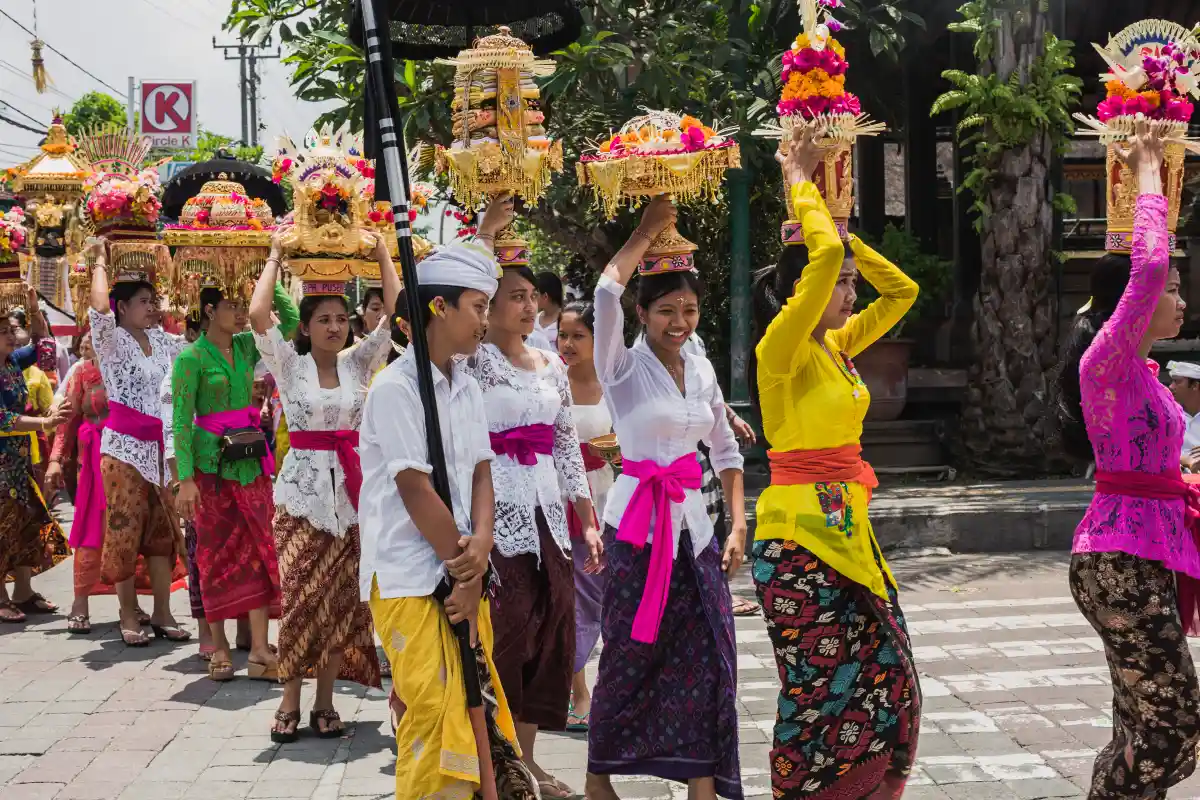
Balinese Hindu culture is vibrant and festive, characterized by abundant religious events, village festivals, purification rites, and ceremonies such as those held during full and new moon phases (Purnama and Tilem). When you witness these celebrations, you’re not just observing a ritual—you’re experiencing a living tradition of joy, music, and devotion.
Why This Matters to You
If you’re planning a visit to Bali, understanding Balinese Hinduism will open doors to a deeper connection with the island. You’ll see that every flower offering, temple dance, and carved statue carries meaning. We encourage you to approach these experiences with curiosity and respect—you’ll come away with more than beautiful memories; you’ll gain insight into a philosophy of balance that the world desperately needs.
Read also : What is Bali Known For? Natural Beauty, Culture & Adventure
Experience Bali with Purpose: Join a Bali Institute Program
To truly immerse yourself in the heart of Balinese culture, consider traveling with Bali Institute. As a premier travel organization, Bali Institute specializes in customized group tours focused on sustainability and authentic cultural experiences. Whether you’re a Teen Explorer looking for an exciting summer program, a university group seeking learning beyond the classroom, or a company interested in a CSR group tour with an ESG focus, Bali Institute creates journeys that empower local communities, preserve nature, and deepen your understanding of Bali’s spiritual heritage. Your visit becomes more than just a vacation—it becomes a meaningful exchange that supports Bali’s future.
Balinese Hinduism is more than a religion—it’s a living philosophy of harmony, gratitude, and connection. By exploring it with an open heart and a mindful approach, you’ll discover why Bali continues to inspire travelers, spiritual seekers, and cultural enthusiasts from around the world.