The Balinese Day of Silence (Nyepi) is highly anticipated for its absolute stillness; it is a rare and beautiful opportunity for slow, mindful living and deep reflection. But before the island completely shuts down, it erupts in one of the most intense cultural rituals in the world: the Ogoh-Ogoh parade.
For cultural travelers, students, and sustainable groups, understanding this loud, communal cleansing is essential to fully grasping the profound silence that follows the next morning.
Read also: All About Nyepi in Bali: The Sacred Day of Silence
What is Ogoh-Ogoh and When It Happens
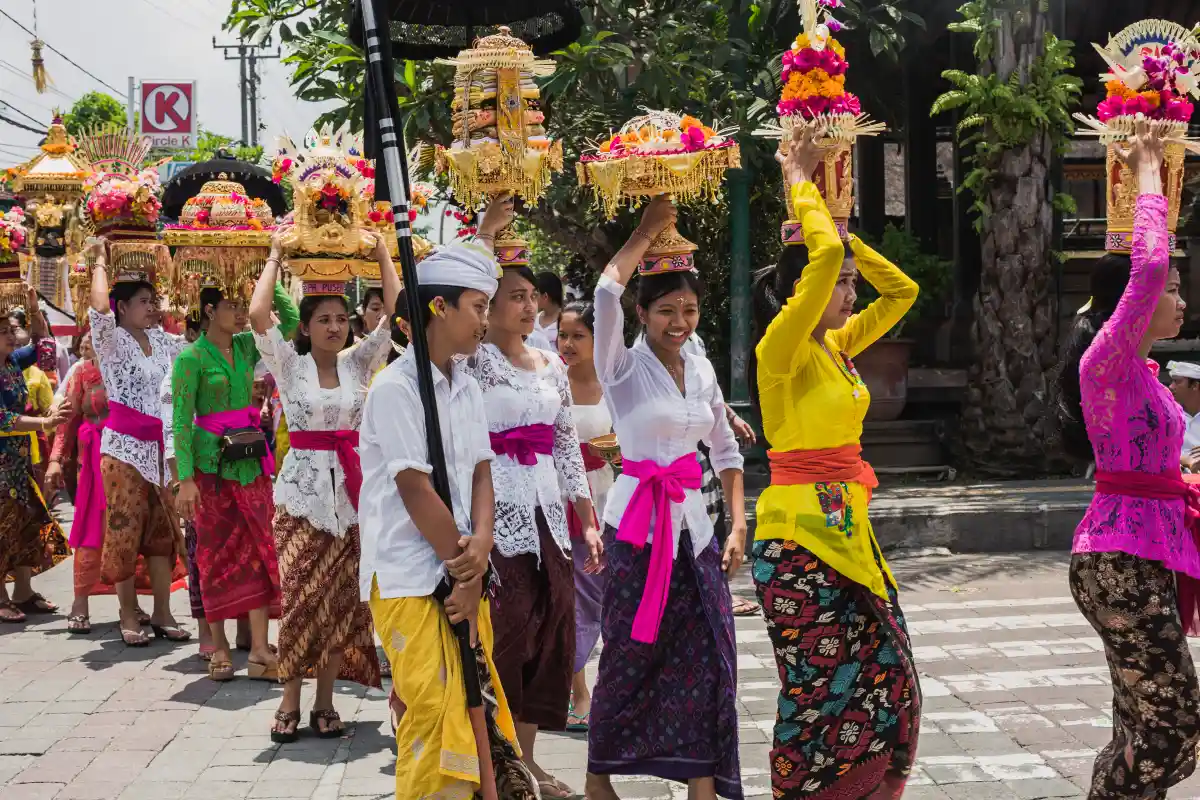
The Ogoh-Ogoh parade occurs on the eve of Nyepi, known as Pengerupukan. This colorful event features large, intricately crafted effigies that represent various mythical beings and negative forces, or bhuta kala. As we watch these multi-hued creations paraded through the streets, we are reminded of their essential role in Balinese culture. The effigies are not just artistic expressions; they are manifestations of the community’s collective effort to confront and cleanse negativity from the past year, setting the stage for a fresh start on Nyepi.
Ogoh-Ogoh is traditionally made by local youth and families, fostering intergenerational collaboration and creativity. The parade culminates with the ceremonial burning of these effigies, symbolizing the eradication of harmful energies and welcoming a new year filled with hope and positivity.
The Spiritual Purpose: Purging Negative Energy
The purpose of the Ogoh-Ogoh is deeply functional. In Balinese Hindu cosmology, balance must constantly be maintained between positive and negative forces.
The effigies serve as physical manifestations of the Bhuta Kala. By parading them through village intersections, where spirits are believed to gather, and spinning them counter-clockwise, the community actively draws out the hidden negativity, greed, and impurities accumulated over the past year. The ritual culminates in the ceremonial destruction or burning of the effigies, neutralizing these harmful forces. Only after this intense, exhausting, and highly public purge can the island safely transition into the absolute tranquility, fasting, and meditation of Nyepi.
Read also: Balinese Healing Practices Explained: Spiritual Traditions and Herbal Remedies
Sustainability Lens
As we enjoy the Ogoh-Ogoh parade, it’s essential to view the event through a sustainability lens. This encompasses both cultural and environmental sustainability.
Cultural Sustainability: Intergenerational Art-Making & Community Cohesion
The Ogoh-Ogoh tradition is a remarkable example of cultural sustainability. It brings together families, artists, and local youth to collaborate in the creation of these stunning effigies. This intergenerational art-making not only preserves Balinese culture but also fosters community cohesion. By involving the younger generation, the tradition is passed down, ensuring that the values and skills associated with Ogoh-Ogoh remain alive.
As eco-conscious travelers, we can support these cultural practices by engaging with local artists, attending workshops, or even participating in the creative process. This not only enriches our experience but also reinforces the importance of preserving these traditions.
Environmental Sustainability: Materials, Waste, and Safe Disposal
In recent years, there has been a growing awareness of the environmental impact of festival materials. As we celebrate the Ogoh-Ogoh parade, we must prioritize sustainable practices by encouraging the use of bamboo, paper, and other biodegradable materials in the construction of effigies. We should advocate against the use of persistent plastics and foam, which can harm the environment.
Moreover, planning for post-event cleanup is crucial. As responsible tourists, we can help by participating in cleanup efforts after the parade, ensuring that we leave the environment as beautiful as we found it. This collective responsibility helps maintain Bali’s stunning landscapes while showing respect for its cultural heritage.
Read also: Experiential Education Travel in Bali: Sustainable Learning Through Culture, Nature, and Community
How to Watch Respectfully (and Reduce Impact)
As we prepare to witness the Ogoh-Ogoh parade, it’s essential to engage in respectful viewing practices that minimize our impact on the event and the environment.
Crowd Ethics
- Don’t Block Processions: Let the procession move freely. We should find a vantage point that allows us to enjoy the sights without obstructing the parade.
- Avoid Intrusive Filming: While capturing memories is important, we should be mindful of our presence. Avoid using large equipment that may distract performers or disrupt the flow of the event.
- Keep a Safe Distance: Respect the space of the performers and community members. Enjoy the experience from a distance, allowing for a more genuine interaction with the event.
Waste Ethics
- Bring Reusables: Plan ahead by packing reusable water bottles, utensils, and bags. This reduces waste and sets a positive example for others.
- Pack Out Trash: If we bring snacks or drinks, we must be responsible for our waste. Carry out what we bring in to ensure the area remains clean.
- Avoid Buying Single-Use Items: Prioritize local crafts and food vendors that use sustainable packaging or offer bulk options.
How to Support the Tradition Ethically
Supporting the Ogoh-Ogoh tradition ethically involves appreciating its cultural value and contributing positively to the local community.
- Support Local Banjar Fundraising: Many villages organize fundraising events to cover the costs of creating Ogoh-Ogoh. We can contribute by attending these events or donating directly.
- Pay Fairly for Crafts: When purchasing artisan goods, ensure we pay fair prices to support the local economy. This empowers artisans and encourages the continuation of their crafts.
- Credit Artisans: When sharing our experiences online, be sure to credit the artisans and communities behind the Ogoh-Ogoh creations. This recognition helps raise awareness and appreciation for their hard work.
- Avoid Turning Sacred Tradition into a “Spectacle Only”: While it’s tempting to document the experience for social media, we must remember that the Ogoh-Ogoh parade is a sacred event. Our approach should reflect respect and reverence.
Read also: Discovering Bali’s Culture and Traditions: A Deep Dive with Bali Institute
FAQs
What does Ogoh-Ogoh symbolize before Nyepi?
Ogoh-Ogoh symbolizes negative forces, or bhuta kala, that need to be cleansed before the Day of Silence.
Is Ogoh-Ogoh burned, and what does it mean?
Yes, Ogoh-Ogoh is burned at the end of the parade, signifying the release of negative energy and welcoming the new year with a fresh start.
How can tourists watch Ogoh-Ogoh respectfully?
To watch Ogoh-Ogoh respectfully, maintain a safe distance, avoid obstructing the procession, and minimize waste by using reusables.
Explore Balinese Traditions with Bali Institute
As we embrace the spirit of the Ogoh-Ogoh parade, consider deepening your experience with the Bali Institute. This premier travel agent offers customized group tours focused on sustainability. Whether you’re part of a student group seeking adventure, a university looking to extend learning beyond the classroom, or an adult community eager for cultural immersion, the Bali Institute has tailored programs that promote eco-conscious activities and community empowerment. Explore the options that best suit your group’s needs:
- Teen Exploration, for student groups who are looking for exciting opportunity to learn and have fun, summer programs
- University Experience, for college students and faculty groups that are looking to bring learning outside the classroom and earn extra credits
- Adult Learning Journey, for communities looking to immerse in a cultural infused itinerary
- Customized CSR Group Tour Program, for companies looking for a company outing or gathering that focuses on sustainability and impact for an ESG-based excursion
Let’s embark on this journey together, celebrating the beauty of Bali while respecting its rich cultural heritage.