Sanur Bali is often associated with beautiful sunrises, calm beaches, cycling paths, and a relaxed atmosphere. But beyond its coastline, Sanur offers an opportunity to learn about Bali’s tourism history, coastal communities, local businesses, and changing relationship with the sea.
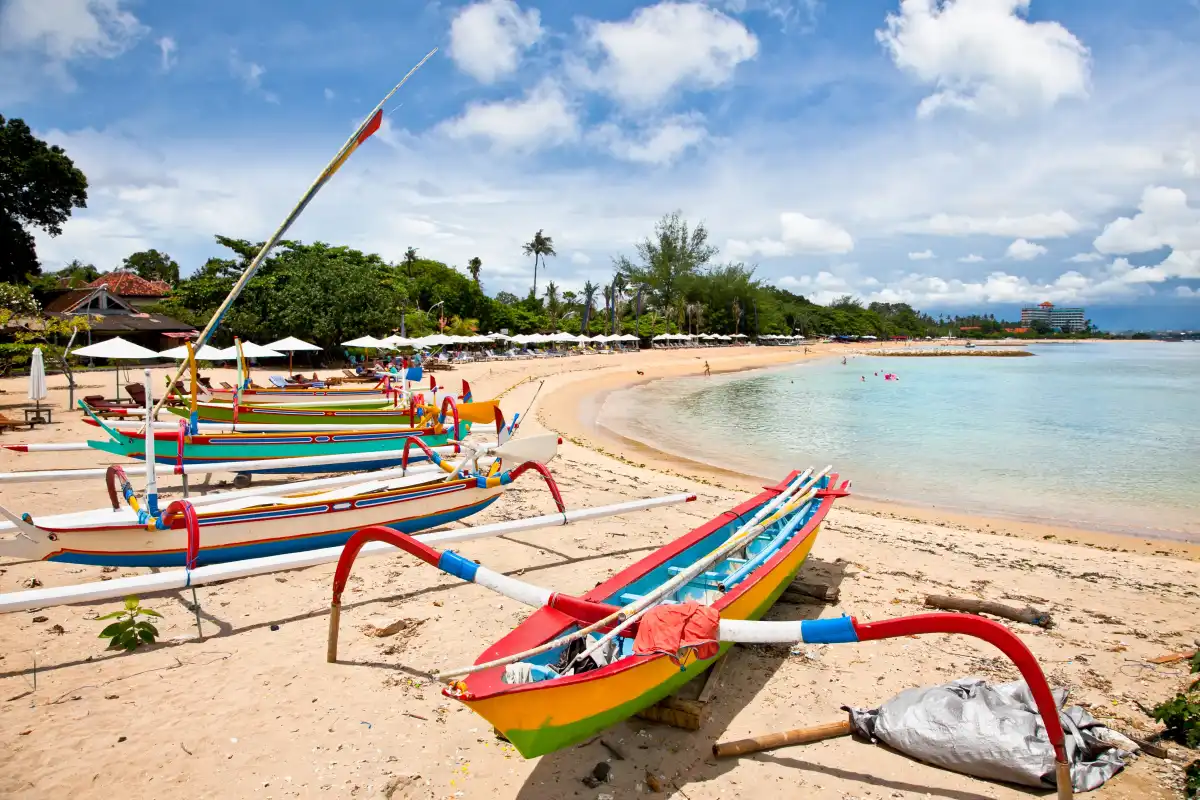
Unlike some of Bali’s busier tourism destinations, Sanur has developed at a slower pace while retaining strong connections to its local community. Traditional fishing boats can still be seen along the coast, while markets, warungs, hotels, restaurants, and small businesses operate alongside one another.
This combination makes Sanur more than a beach destination. It is also a useful place to understand how tourism develops within an established coastal community.
Sanur Bali Beyond the Beach
Sanur has long been connected to the sea. Before modern tourism transformed the area, the coastline supported local communities and fishing activities. Tourism began developing in Sanur in the 1950s, making it one of the early centers of Bali’s international tourism industry. The opening of Hotel Bali Beach in the 1960s marked an important stage in this development and helped establish Sanur as a tourism destination.
Today, Sanur has a distinctly different atmosphere from many of Bali’s more developed tourism areas. Its coastline combines:
- Traditional fishing boats and marine activities
- Hotels and resorts
- Local warungs and restaurants
- Traditional markets
- Small independent businesses
- Residential neighborhoods
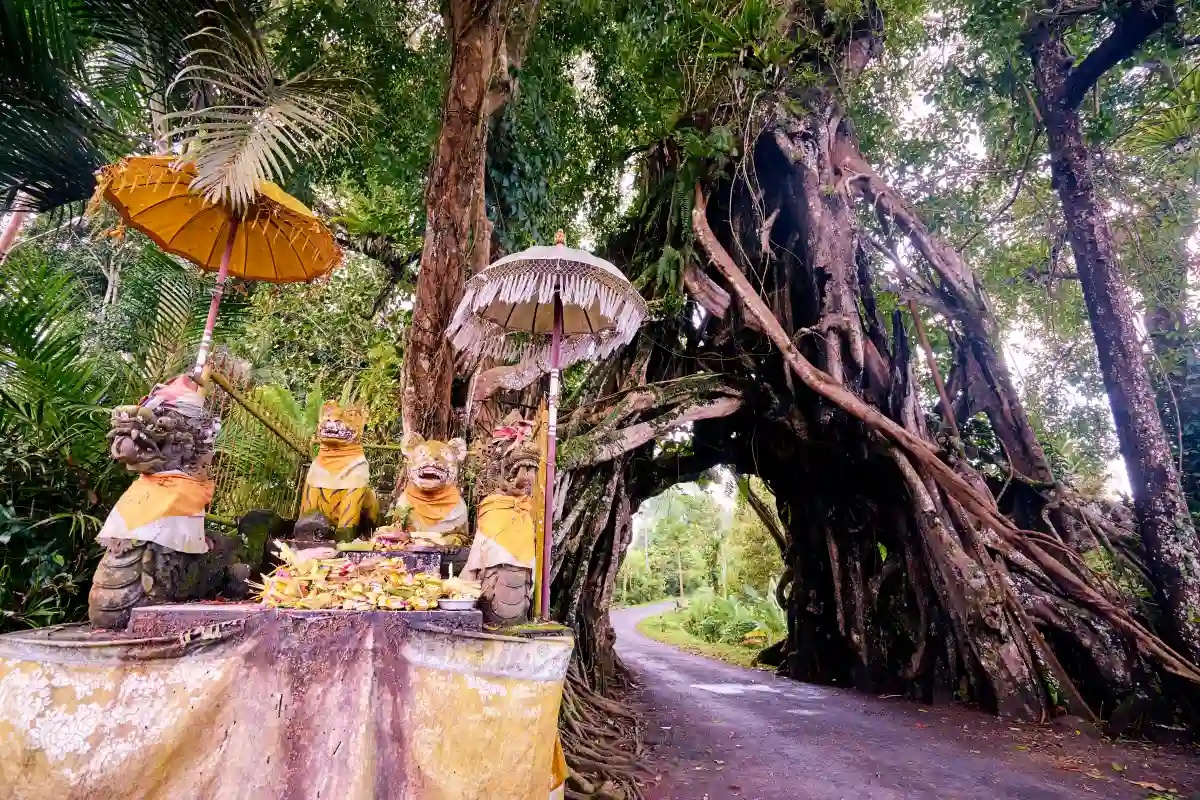
- Temples and community spaces
- A long beachfront promenade
These different elements make Sanur interesting to explore beyond its beaches. The area provides a glimpse into how local life and tourism can exist alongside each other.
Sanur’s Coastal Community and Local Economy
The sea remains closely connected to everyday life in Sanur Bali, while tourism has become an important part of the local economy. Fishing, marine activities, local markets, warungs, restaurants, and small businesses all contribute to the area’s coastal character.
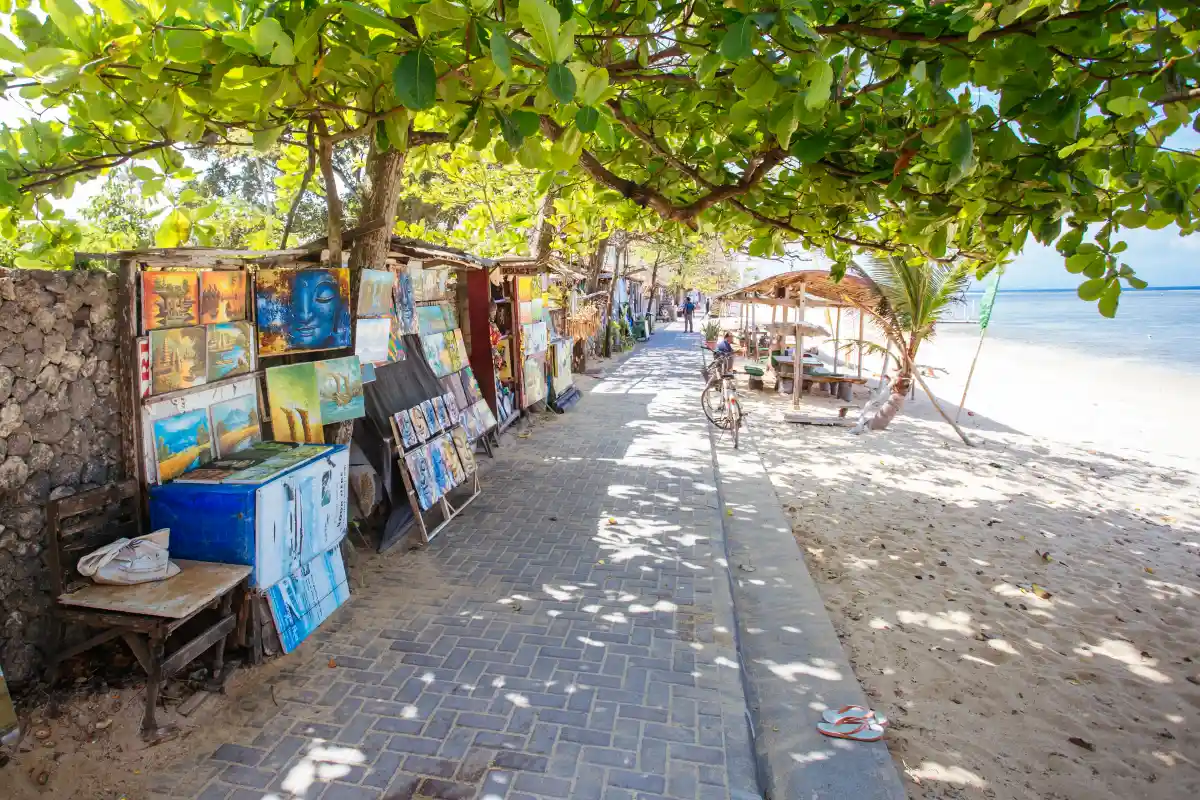
Local Markets and Warungs
Traditional markets and local warungs offer a glimpse into everyday life in Sanur. They connect residents, local vendors, food producers, and visitors while keeping traditional commerce active alongside tourism.
Read also: Local Markets in Bali: What to Buy, Where to Go, and How to Shop Like a Local
Choosing locally owned businesses can also help keep more tourism spending within the local community. Sanur therefore, offers a useful example of how a coastal economy can grow alongside tourism without completely replacing existing livelihoods and community traditions.
Sanur Promenade: Explore the Coast at a Slower Pace
The Sanur promenade is one of the best ways to experience the coastline beyond the beach itself. Stretching for several kilometers along the waterfront, the pedestrian-friendly path is popular for walking, cycling, and enjoying the sunrise. But the promenade offers more than a scenic route between beaches. Take your time and you’ll see different aspects of Sanur’s coastal life unfolding around you.
Early in the morning, traditional boats sit along the shoreline as residents exercise, fishermen prepare for the day, local businesses open, and cyclists and walkers make their way along the coast. Hotels, restaurants, temples, and residential areas also sit alongside this shared public space.
Walking or cycling along the promenade provides a closer look at how Sanur’s coastline connects tourism with everyday community life. Rather than simply passing through, slow down and observe how the same stretch of coast functions as a place for recreation, work, transportation, and social activity.
Things to Do in Sanur Beyond the Beach
Looking for things to do in Sanur Bali beyond spending the day by the sea? Sanur’s relaxed pace makes it easy to explore the coastline, local markets, and community life while getting a closer look at what makes the area different from Bali’s busier tourism destinations.
Cycle Along the Sanur Coast
Cycling in Sanur is an easy way to explore the area at a slower pace. The relatively flat coastal route allows you to cover more ground while still having plenty of opportunities to stop and look around. As you cycle, notice how the coastline changes from one area to another. Traditional boats, hotels, local businesses, residential areas, temples, and the sea all exist within the same landscape. It’s a simple way to see how tourism and everyday life come together in Sanur.
Watch the Sanur Sunrise
Sanur is one of Bali’s best-known sunrise spots, thanks to its east-facing coastline. The early morning also offers a different view of the community before the day gets busy. Along the coast, you may see residents walking or exercising, cyclists using the promenade, fishermen preparing boats, and local businesses getting ready to open. Rather than leaving as soon as the sun comes up, stay a little longer and watch the beachfront transition from a quiet morning setting into an active community space.
Visit a Local Market
Exploring a traditional market in Sanur offers a glimpse into everyday local life and the area’s economy. Markets bring together residents, vendors, and local producers, making them a useful place to observe how food and other everyday goods move through the community. Look beyond what is available for sale. Notice what local residents are buying, which products are locally sourced, and how the atmosphere differs from the more tourist-focused businesses along the beachfront.
Take a Coastal Walk
A coastal walk in Sanur is another simple way to explore the area beyond its beaches. Walking at a slower pace makes it easier to notice details that can be missed from a car or scooter, from traditional boats and small businesses to temples, public spaces, and residential neighborhoods. It also provides a better sense of how the coastline functions as part of both local community life and tourism.
Explore Sanur’s Marine Connection
Sanur is also an important gateway to nearby islands, including Nusa Lembongan and Nusa Penida. Its coastline provides access to snorkeling, diving, boat trips, and other marine activities. This makes Sanur a useful starting point for understanding Bali’s marine tourism and its connection to coastal communities.
Look beyond the activities themselves and consider the wider network behind them, from boat operators and transport services to local businesses and the marine environment that supports tourism. Exploring Sanur this way turns a simple beach destination into an opportunity to understand the coast, community, and local economy that shape the area.
Read also: Nusa Penida, Lembongan, and Ceningan: Nature, Marine Conservation, and Regenerative Island Travel
What Sanur Can Teach About Bali
Exploring Sanur Bali beyond its beaches offers a glimpse into how tourism, local livelihoods, and coastal communities have evolved together.
The Evolution of Tourism
Sanur was one of the early centers of Bali tourism. Today, traditional spaces, older hotels, local businesses, and newer developments reflect the area’s changing tourism landscape.
A Changing Local Economy
Tourism has created new businesses and jobs while existing activities such as fishing, markets, food businesses, and small shops remain part of Sanur’s economy.
A Shared Coastline
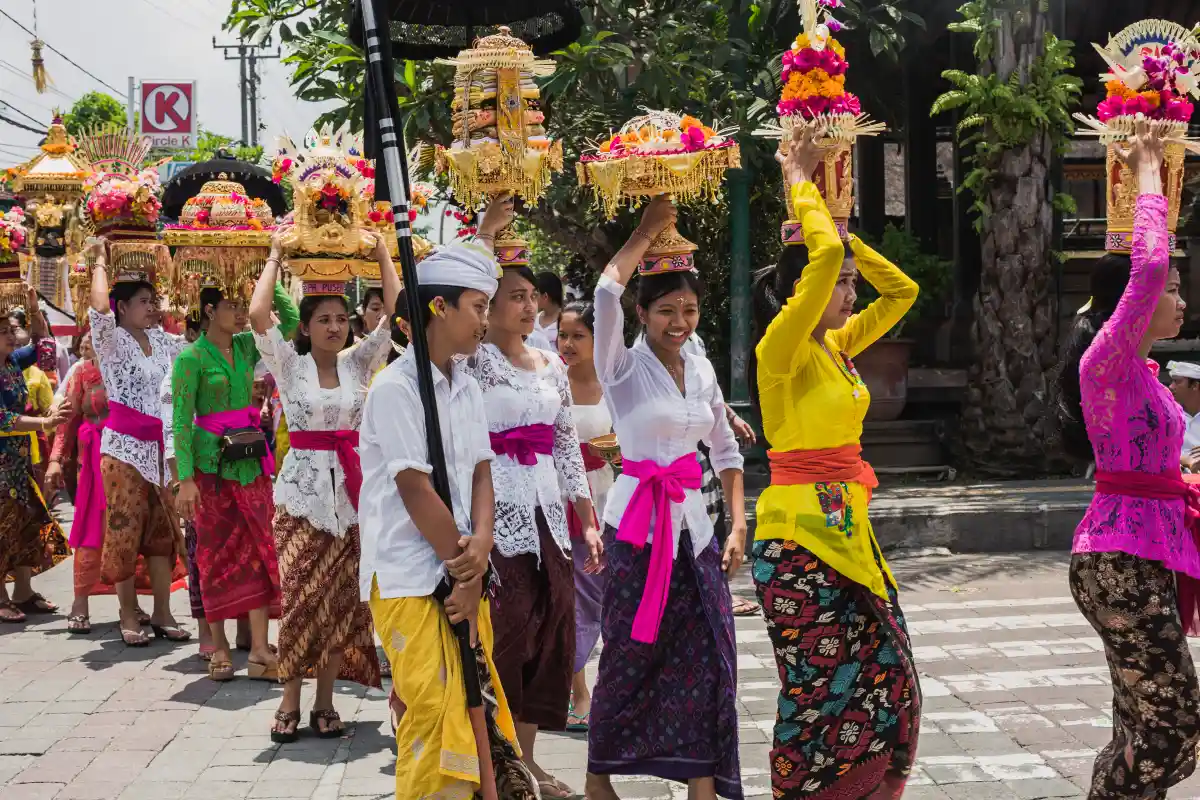
Sanur’s coast serves many purposes, from fishing and transportation to recreation, religious activities, and community life. This makes it a useful example of how a coastal community shares its environment.
Marine Tourism
With boat connections to Nusa Lembongan and Nusa Penida, Sanur is also part of Bali’s wider marine tourism network, linking local businesses and communities with the surrounding sea.
Together, these layers show why Sanur is more than a beach destination, it is a place to understand how tourism and local life can develop side by side.
Responsible Travel in Sanur
Responsible travel in Sanur means respecting the community, culture, and coastal environment that make the area unique. A few simple choices can make your visit more considerate while supporting local life.
- Reduce waste: Bring a reusable water bottle, avoid unnecessary single-use plastics, and take your rubbish with you, especially when visiting the coast.
- Support local businesses: Eat at local warungs, visit traditional markets, and choose locally owned shops and services where possible.
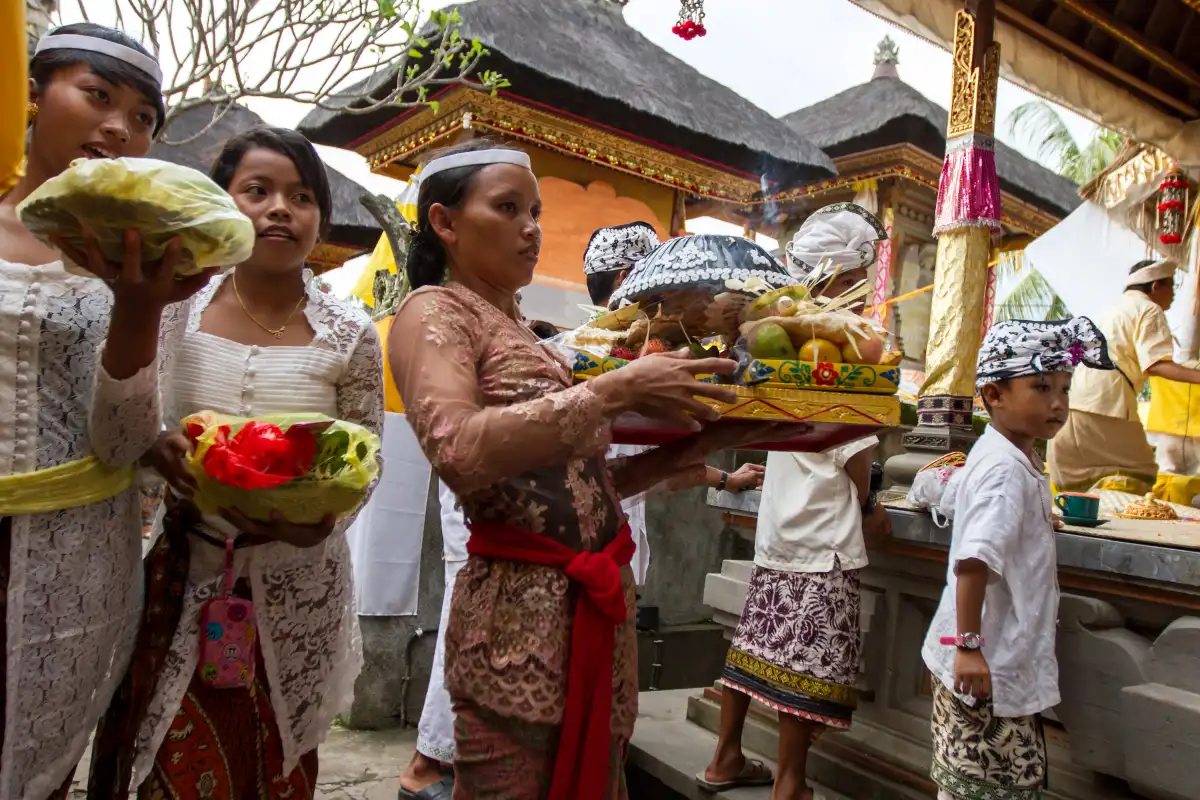
- Respect Balinese traditions: Dress appropriately at temples, follow local guidelines, and avoid touching offerings or interrupting religious ceremonies.
- Walk or cycle: Use Sanur’s beachfront promenade to explore by foot or bicycle when practical. It’s a slower way to experience the area while reducing unnecessary vehicle use.
- Share the coast respectfully: Remember that Sanur’s coastline is also used for fishing, transportation, exercise, community activities, and religious traditions. Treat it as a shared community space, not simply a tourist attraction.
Read also: Regenerative Tourism in Bali: Simple Ways to Participate
Why Explore Sanur Beyond Its Beaches?
Sanur Bali offers more than calm beaches and beautiful sunrises. Beyond the coastline, you’ll find a destination shaped by tourism history, local businesses, coastal communities, and everyday Balinese life.
Traditional boats, markets, warungs, temples, and the Sanur promenade reveal how a coastal community has evolved alongside tourism. Exploring these everyday spaces offers a closer look at the relationship between local culture, tourism, and coastal life.
For educational travel, Sanur doesn’t require a packed itinerary. A morning bike ride, local market visit, or meal at a warung can offer valuable insights into how the destination continues to change.
Learn More About Bali Through Local Experiences
Understanding Bali goes beyond visiting its most famous attractions. Places like Sanur offer opportunities to explore how local communities, culture, livelihoods, and the environment continue to shape the island.
At Bali Institute, immersive educational programs connect participants with local communities and cultural practitioners, turning everyday places and traditions into meaningful learning experiences. Whether exploring Balinese culture, community life, or sustainable tourism, these experiences offer a deeper understanding of the people and traditions that make Bali unique.
Ready to experience Bali beyond the usual itinerary? Explore Bali Institute’s educational programs and create a more meaningful connection with the island.