A summer study abroad program can give students the opportunity to experience a new academic environment without committing to a full semester or academic year overseas. When the program is intentionally designed, a short stay can combine coursework, cultural immersion, field experience, and meaningful engagement with local communities.
Bali offers a particularly diverse setting for this type of learning. Students can explore sustainability, public health, social entrepreneurship, environmental studies, arts, anthropology, and intercultural learning while connecting classroom concepts to real-world experiences.
That makes study abroad summer programs in Bali an option worth considering for students, faculty, and universities looking to build a focused short-term international learning experience.
Read also: Experiential Education in Bali
What Makes a Summer Study Abroad Program Different?
Short-term study abroad programs have limited time, so every part of the experience needs to serve a clear purpose. A strong program does more than bring students to a new destination. It connects academic objectives with the places, people, and experiences students encounter throughout the program.
A well-designed summer study abroad program in Bali can combine:
- Academic discussions and coursework
- Site visits related to the subject of study
- Conversations with local experts
- Community engagement
- Cultural activities
- Hands-on and field-based learning
- Guided reflection and discussion
This approach allows students to see how concepts discussed in class relate to real situations and different cultural perspectives.
Why Study Abroad in Bali?
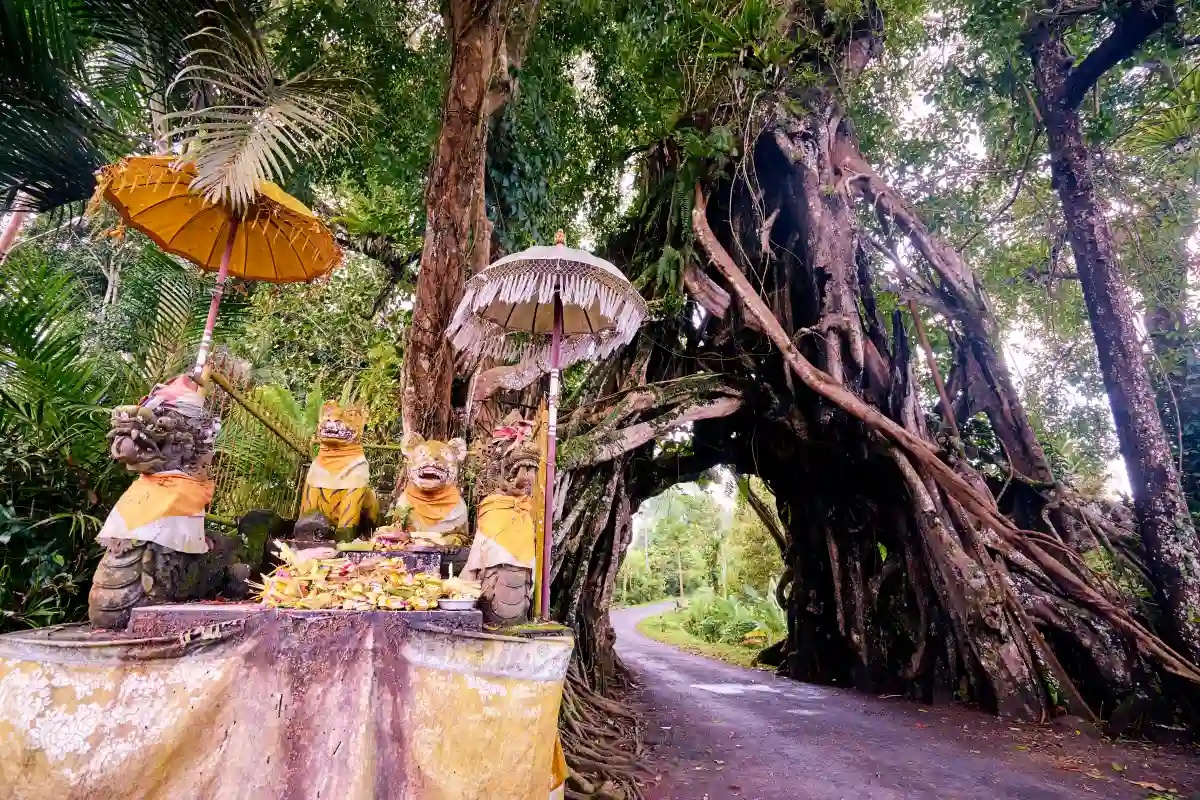
Bali offers a wide range of environments that can support university-level learning. Cultural traditions, community organizations, agricultural landscapes, creative industries, environmental initiatives, and social enterprises can all become part of an academic program when they are connected to specific learning objectives.
Students studying sustainability, for example, can explore local approaches to environmental management and community-based initiatives. Public health students can examine health systems and community perspectives, while students studying entrepreneurship can learn from social enterprises and locally developed businesses.
The same destination can therefore support different academic disciplines depending on how the program is designed. Bali also provides opportunities for students to develop intercultural understanding. Interacting with local communities and professionals can introduce perspectives that may not be accessible through classroom materials alone.
Read also: Why Bali Is an Excellent Study Destination
Academic Learning Through Real World Experiences
The strongest study abroad programs in Indonesia connect academic concepts with direct experiences. A site visit can give students the opportunity to observe a process in practice. A conversation with a local expert can introduce perspectives that challenge or expand what they have learned in class. A community visit can help students understand how broader social or environmental issues affect people in a specific place.
Reflection brings these experiences back into the academic context. Students might discuss what they observed after a field visit, compare local practices with examples from home, or consider how a community approaches an issue differently from the theories or models discussed in class. This combination of experience, discussion, and reflection is what makes an experiential study abroad program different from simply visiting interesting places.
Subjects That Can Be Explored in Bali
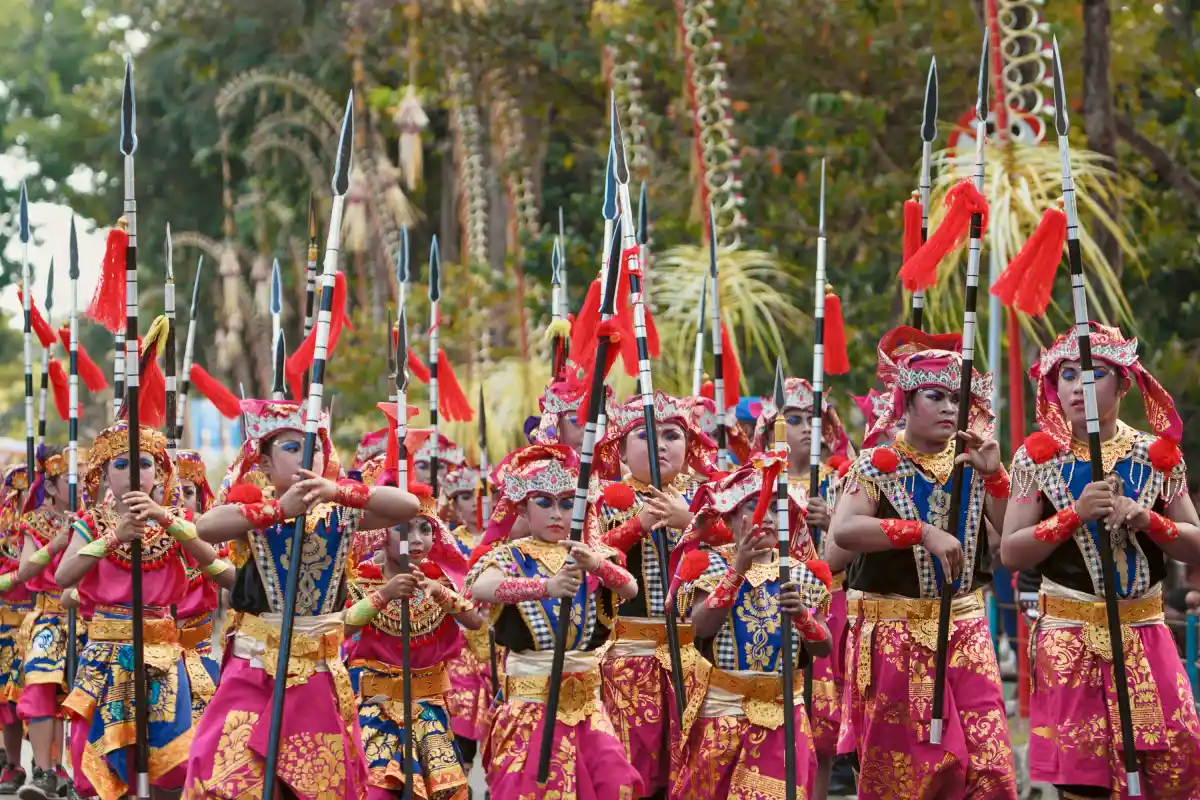
The flexibility of Bali as a learning environment makes it possible to develop short-term programs around a variety of academic interests.
Sustainability and Environmental Studies
Agriculture, water management, conservation, waste management, and community-based environmental initiatives can provide real-world contexts for studying sustainability. Students can explore how environmental challenges intersect with economic activity, community needs, cultural practices, and tourism.
Read also: Bali Mangrove Conservation
Public Health
Public health programs can use community organizations, healthcare-related initiatives, and local experts to help students examine health issues within a different social and cultural context. Field experiences can complement academic discussions about healthcare access, prevention, community wellbeing, and the social factors that influence health.
Social Entrepreneurship
Bali’s social enterprises and community initiatives can provide practical examples of organizations working to address social or environmental challenges. Students can examine how these organizations develop their models, engage communities, create economic opportunities, and balance social impact with operational needs.
Arts and Anthropology
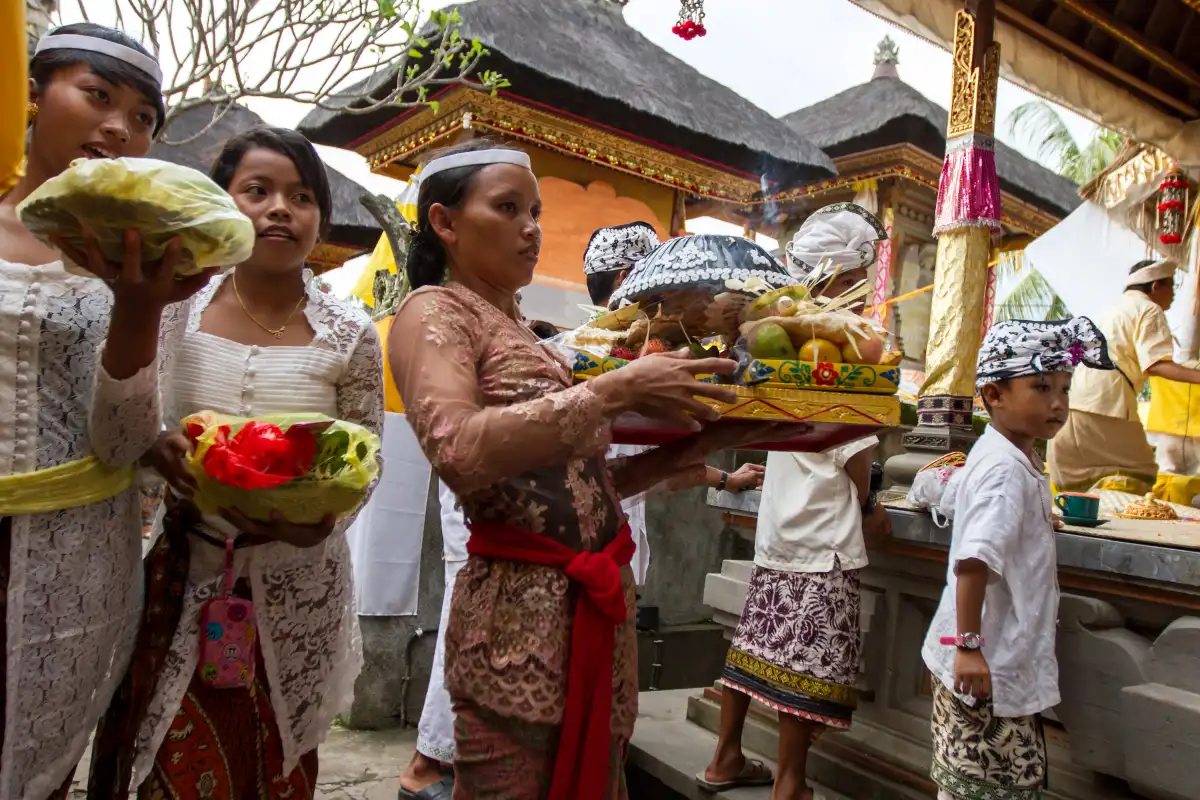
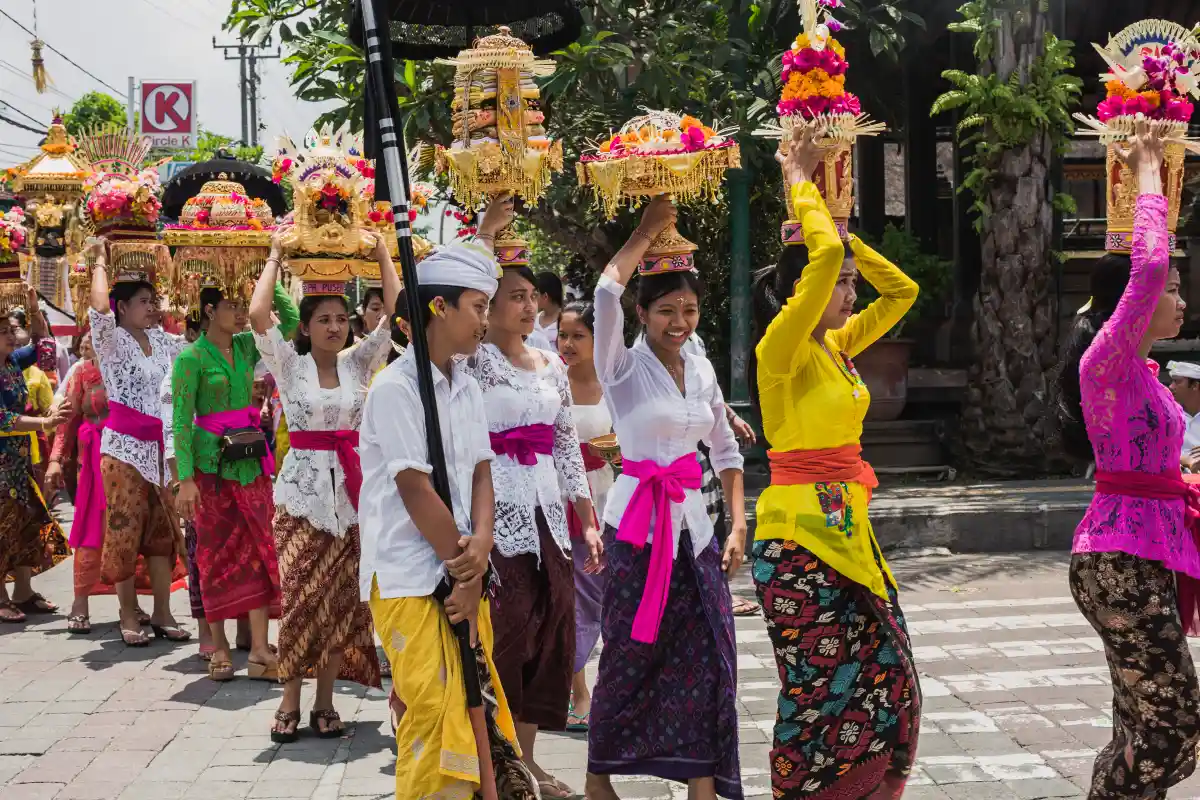
Bali’s living cultural traditions create opportunities to explore art, performance, craftsmanship, religion, community life, and cultural heritage. Rather than studying these subjects exclusively through lectures, students can engage with artists, cultural practitioners, museums, and artisan communities to better understand how traditions are practiced and interpreted today.
Intercultural Learning
Living and learning in another cultural environment can also become an important part of the curriculum. Everyday interactions, conversations with local residents, cultural activities, and guided discussions can help students consider how culture influences communication, values, social relationships, and perspectives.
What Can Students Experience During a Bali Study Abroad Program?
A Bali university study abroad program can take students beyond traditional classroom settings through carefully selected field experiences.
Depending on the academic focus, students might visit:
- Local communities and community organizations
- Social enterprises and NGOs
- Agricultural areas and traditional landscapes
- Environmental and conservation initiatives
- Museums, galleries, and cultural institutions
- Artisan workshops and creative communities
- Local businesses and organizations
- Universities or academic institutions
Expert conversations can add another layer to these experiences. Local practitioners, academics, community leaders, artists, and organizational representatives can provide context that helps students understand what they are seeing. The goal is not to fill an itinerary with activities. Each experience should have a clear connection to the program’s academic objectives.
Faculty Led Study Abroad in Bali vs a Group Tour
A faculty led study abroad program in Bali has a different purpose from a general group tour. A group tour typically focuses on seeing destinations and experiencing activities. A university program starts with what students are expected to learn and builds the itinerary around those outcomes. Faculty members can use field visits and local experiences to complement their curriculum, while local facilitators can provide context and perspectives that support the academic experience.
This structure also allows students to engage more deeply with a destination. Instead of simply observing a community or cultural practice, they can ask questions, discuss what they have learned, and consider how the experience relates to their studies. Bali Institute’s University Experience programs follow this co-designed approach, working with faculty leaders to develop programs around their academic goals. Programs can connect students with local organizations, communities, cultural leaders, and field-based learning environments.
What Makes a Strong Short-Term Study Abroad Program?
A shorter program requires thoughtful planning because there is less time to achieve its academic and experiential goals.
Several factors can make a difference:
Clear Learning Objectives
The program should begin with specific academic outcomes. These objectives help determine which locations, speakers, activities, and field experiences belong in the itinerary.
Appropriate Pacing
A busy schedule does not necessarily create a better learning experience. Students need enough time to participate, ask questions, process new information, and reflect.
Local Facilitation
Local facilitators can help students understand cultural context and connect with people and organizations relevant to their studies.
Cultural Preparation
Students benefit from understanding local customs, social expectations, and appropriate ways to engage with communities before entering unfamiliar environments.
Responsible Engagement
Community visits and cultural experiences should be approached with respect. Programs should consider how students interact with local communities and avoid treating people or places simply as educational resources.
Read also: Regenerative Tourism in Bali
Reflection
Time for discussion, journaling, presentations, or faculty-led reflection helps students connect experiences back to their academic work. Together, these elements can turn a short international trip into a meaningful learning experience.
Why Consider a Summer Study Abroad Program in Bali?
Summer programs can provide a practical way for students to gain international academic experience within a shorter timeframe. The academic summer period can also make short-term programs easier to integrate into university schedules without requiring a full semester abroad.
Bali adds another dimension through the variety of academic and cultural contexts available on the island. Students can learn through direct engagement with communities, organizations, cultural practitioners, and environments while developing a broader understanding of the subjects they study.
The destination, however, is only one part of the equation. The quality of the learning experience depends on how intentionally the program connects academic goals with local experiences.
Read also: Ulun Danu Beratan
Build a University Program Around Your Curriculum
A meaningful short-term study abroad program starts with the curriculum rather than the destination. Bali Institute works with faculty and university groups to co-design programs around specific academic objectives. Field visits, cultural immersion, local organizations, community engagement, expert conversations, and reflection can then be incorporated to support those goals.
This model allows each program to be shaped around the needs of the university and its students rather than relying on a standard itinerary. Whether the focus is sustainability, public health, social entrepreneurship, arts, anthropology, or intercultural learning, Bali can provide a setting where students encounter the subject beyond the classroom.
The result is not simply educational travel to Bali. It is an opportunity to connect academic learning with real-world experiences, local perspectives, and meaningful cultural engagement.
Read more about Bali Institute University Experience Programs