Experiential learning gives students the opportunity to learn through direct experience rather than relying only on lectures, textbooks, or classroom discussions. By observing, participating, asking questions, and reflecting on what they encounter, students can connect academic concepts to real-world situations.
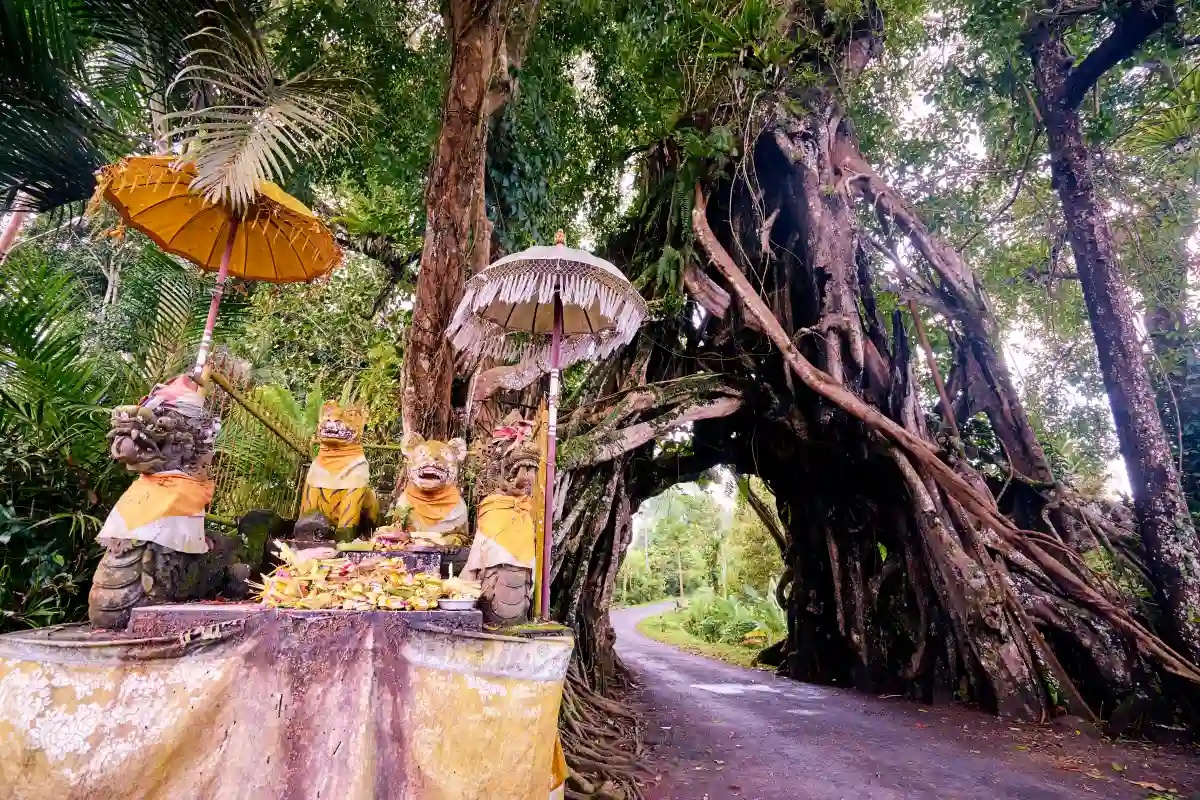
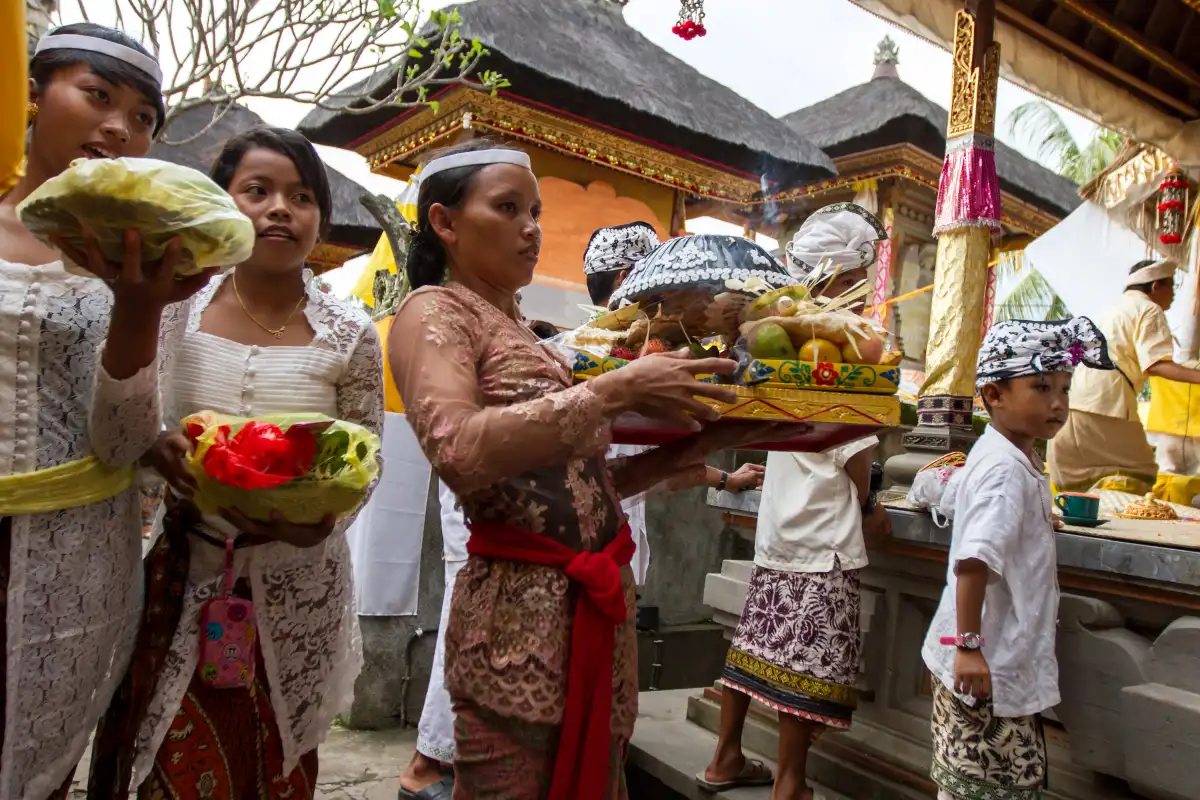
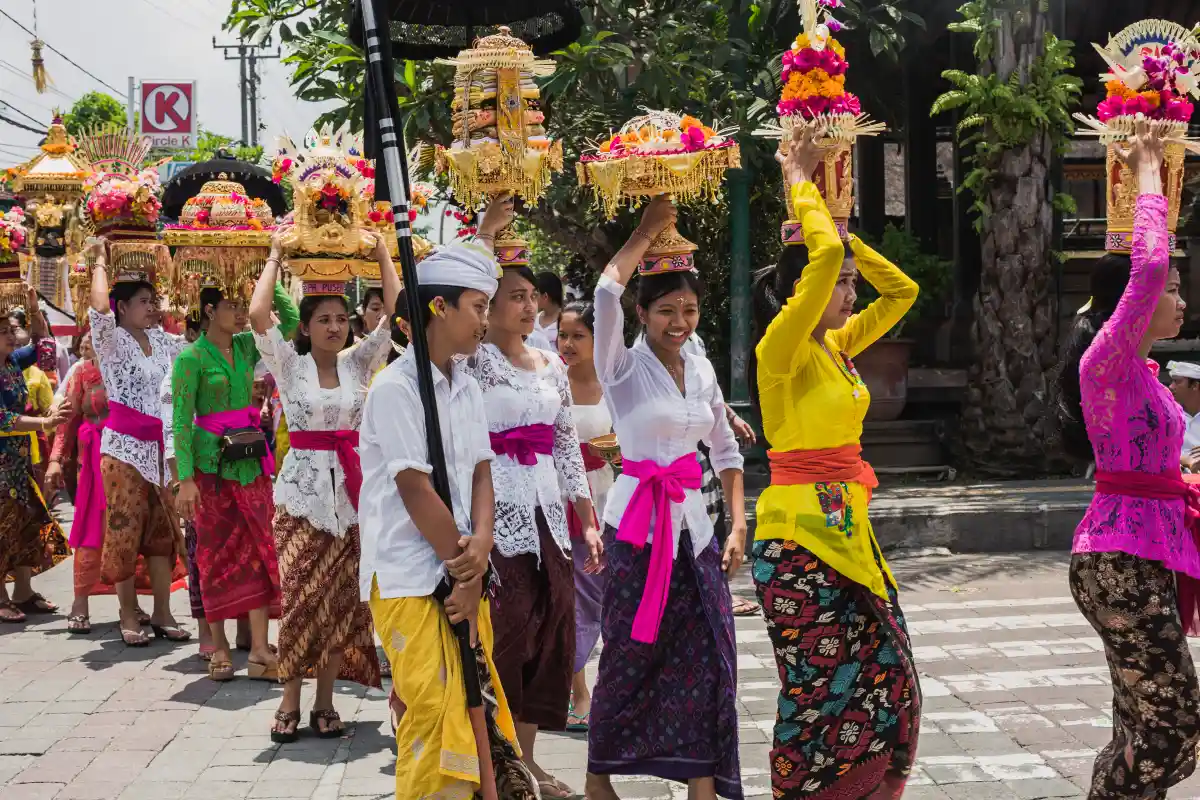
For educators, universities, and student groups, Bali offers an especially diverse setting for this kind of education. The island brings together living cultural traditions, agriculture, community organizations, creative industries, ecosystems, and sustainability initiatives, creating opportunities for experiential learning in Bali across many fields of study.
Rather than treating Bali simply as a destination for educational travel, a well-designed program can use the island as a living classroom where students investigate real issues and learn directly from the people, places, and organizations connected to them.
Read also: Experiential Education in Bali
What Is Experiential Learning?
Experiential learning is learning through experience, but it involves more than simply doing an activity. A meaningful experiential learning process can include several connected stages: students encounter a real-world situation, observe and participate, consider what they have learned, and reflect on how the experience relates to a broader academic topic or learning objective.
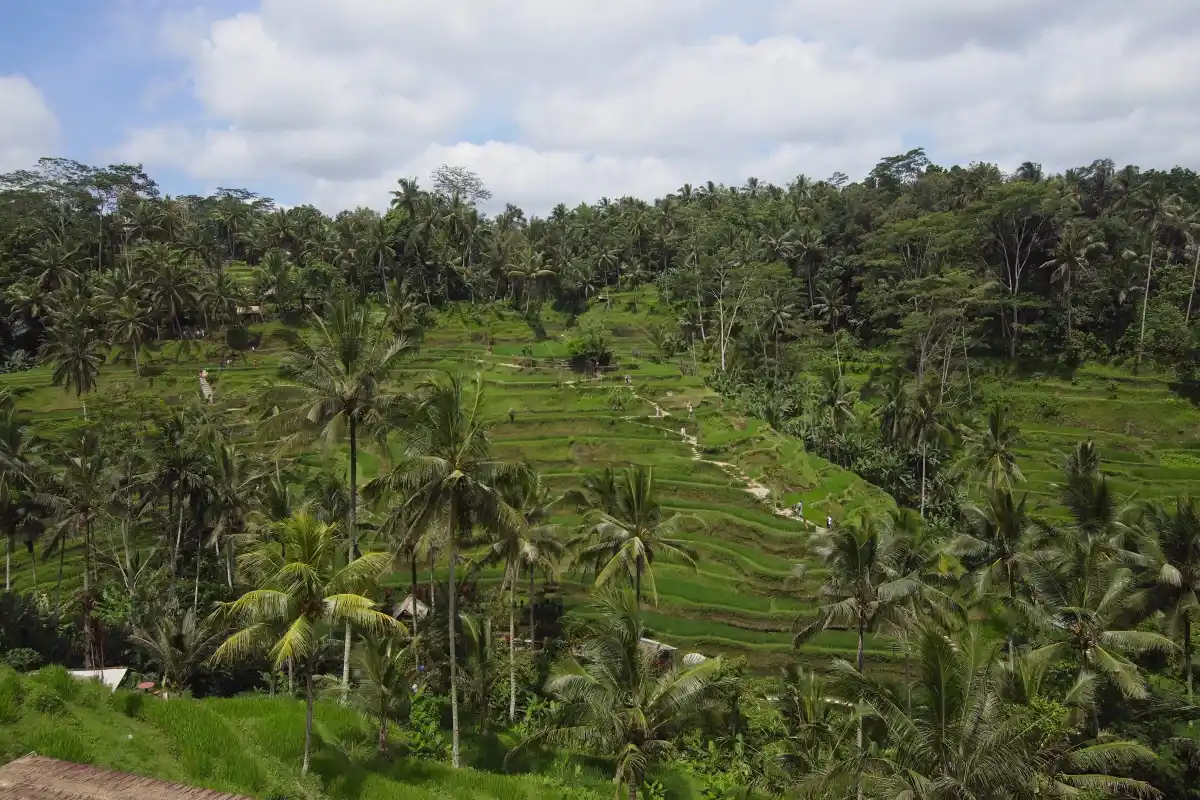
For example, visiting a rice field can be a cultural excursion. But when students examine how the Subak irrigation system connects agriculture, water management, community cooperation, and Balinese culture, the same setting can become a field-based learning environment.
This distinction is important when designing an outdoor experiential learning program. The location and activity matter, but so do the questions students are asked, the people they meet, the context they receive, and the reflection that follows.
Why Bali Works as a Living Classroom
Bali offers an unusual range of learning environments within a relatively small geographic area. Students can move from agricultural landscapes and villages to coastal ecosystems, artisan communities, social enterprises, and conservation projects, giving educators opportunities to connect classroom concepts with local realities.
The island can support experiential education in Bali across disciplines such as environmental studies, anthropology, business, public health, sustainability, the arts, and social sciences.
Rice Fields and the Subak System
Bali’s rice growing landscapes provide a practical setting for exploring agriculture, sustainability, culture, and water governance. The Subak system, a traditional irrigation and cooperative system, can help students examine how environmental resources are managed through relationships between communities, agriculture, and cultural practices.
Instead of simply walking through a rice field, a field-based learning program can introduce students to the people and systems behind the landscape. This creates opportunities to ask questions about resource management, food production, community organization, and sustainability.
Read also: The Subak System
Villages and Community Organizations
Bali’s villages provide another valuable environment for place-based learning. Students can observe how community life, local governance, livelihoods, ceremonies, and cultural traditions intersect.
Conversations with community members can also provide perspectives that are difficult to gain from classroom materials alone. Students can compare what they have studied with how particular issues are understood and experienced locally.
This approach can be especially useful for courses involving development, sociology, anthropology, cultural studies, or international relations.
Social Enterprises and NGOs
Bali is also home to organizations working on social, environmental, health, and economic challenges. Engaging with these organizations can turn abstract concepts into practical case studies. For students studying business or entrepreneurship, for example, a visit to a social enterprise can provide insight into how an organization balances financial sustainability with social or environmental goals. For students in development or environmental programs, conversations with NGOs can offer a closer look at how local initiatives respond to complex challenges.
These encounters are more meaningful when students have the opportunity to ask questions, discuss what they observe, and connect the experience back to their coursework.
Arts, Museums, and Artisan Communities
Bali’s artistic traditions provide rich opportunities for hands-on learning and cultural study. Students can learn directly from artists and artisans while exploring subjects such as creative practice, cultural heritage, anthropology, design, or the relationship between tradition and contemporary life.
Rather than simply viewing an artwork or attending a performance, students can explore how knowledge and skills are passed between generations and how cultural practices continue to evolve.
Marine and Highland Ecosystems
Bali’s coastal and highland environments can also serve as outdoor classrooms for environmental education. Marine conservation projects, coral restoration initiatives, forests, agricultural areas, and other ecosystems can help students explore biodiversity, conservation, tourism, climate-related challenges, and sustainable development.
The important element is connecting the environment to a learning objective. A snorkeling excursion, for example, becomes experiential learning when students use the experience to investigate marine ecosystems, conservation practices, or the relationship between tourism and environmental protection.
Read also: Bali Mangrove Conservation
Experiential Learning Is More Than Sightseeing
One of the most important considerations when planning an educational travel program in Bali is understanding the difference between sightseeing and experiential education. A trip can include interesting places and enjoyable activities without necessarily producing meaningful learning. Experiential programs are intentionally designed around what students need to understand, explore, or apply.
This might mean:
- Meeting local experts and community members
- Visiting organizations connected to a course topic
- Observing real-world practices
- Participating in appropriate hands-on activities
- Discussing different local perspectives
- Connecting field observations to academic concepts
- Reflecting on the experience afterward
This is why program design matters as much as the destination itself. At Bali Institute, university programs are custom designed with faculty leaders around specific academic objectives. Programs can combine classroom time, site visits, case studies, cultural immersion, and reflection so that students can explore course topics through Balinese culture and society.
The Role of Reflection in Experiential Learning
Going into the field is only one part of the learning process. Reflection helps students make sense of what they have seen and experienced. After visiting a community organization, for example, students might discuss how the organization approaches an issue compared with models discussed in class. After visiting an agricultural area, they might consider how local environmental practices relate to concepts of sustainability.
Reflection can take many forms, including group discussions, guided questions, journaling, presentations, academic assignments, or conversations with faculty and local experts. Bali Institute incorporates room for reflection into its programs because new experiences can easily become a series of activities unless students have time to process their observations and insights.
Designing a Bali Experiential Learning Program
A well designed experiential learning program in Bali should start with clear academic objectives rather than a list of tourist attractions. The right experiences can then be selected to support what students are expected to learn.
Key questions to consider include:
- What should students understand by the end of the program?
- Which real world environments can help them explore these concepts?
- Who can provide local knowledge or a different perspective?
- Which hands on or field based experiences can complement the course?
- How will students reflect on and apply what they have learned?
With these objectives in place, field visits, community encounters, discussions, and cultural experiences can become purposeful parts of the learning process rather than standalone activities.
This approach shapes Bali Institute’s custom University Experience programs, which are developed with faculty leaders around specific curriculum and learning objectives. Programs can incorporate cultural immersion, field visits, local perspectives, and guided reflection across subjects such as environmental sustainability, social entrepreneurship, public health, arts, and anthropology.
Read also: Why Bali Is an Excellent Study Destination
Bali as a Classroom Beyond the Classroom
Bali’s value for student experiential learning is not simply its scenery or variety of activities. Its strength lies in the opportunity to encounter living systems, communities, traditions, and contemporary challenges in context.
When thoughtfully designed, a rice field can become a lesson in sustainability. A village can become a study of community life. An artisan workshop can become a window into cultural heritage. A social enterprise can become a real-world business case. A conservation project can connect environmental theory with practical action.
That is what makes Bali a compelling setting for learning outside the classroom. For universities, educators, and student groups looking to create a meaningful field-based program, the goal is not simply to take students somewhere different. It is to create experiences that give them something real to observe, question, discuss, and reflect on.
Bali Institute works with educators and program leaders to build these connections through custom educational programs, using Bali as a living classroom where academic objectives meet local perspectives and real-world experience.