Just south of Ubud, Mas Village is known for its long-standing woodcarving tradition. For generations, local artisans have transformed wood into sculptures, masks, temple objects, and other works of art.
But Mas is more than a place to browse galleries or buy souvenirs. Its workshops offer a closer look at how craft, spirituality, family traditions, and local livelihoods come together. For visitors, Mas Village can be a living classroom for understanding one of Bali’s most enduring artistic traditions.
Mas Village and Bali’s Woodcarving Heritage
Mas has been recognized as a center of Balinese woodcarving since at least the 1930s. The craft has been closely associated with the village for generations, with carving skills traditionally passed down within families and from experienced artisans to younger makers.
Woodcarving in Mas is not just a commercial craft. Traditionally, skilled carvers created religious objects, temple ornaments, masks, and figures drawn from Balinese mythology and Hindu traditions. These works reflect stories, beliefs, and symbols that remain an important part of Balinese cultural life.
Today, you can find both traditional and contemporary work in Mas. Some artisans continue techniques rooted in earlier generations, while others adapt their designs to changing tastes and international markets. This ability to preserve traditional knowledge while allowing the craft to evolve is what makes Mas Village such an interesting place to learn about Balinese art and cultural heritage.
Read also: Balinese Wood Carving: The Ancient Art Form Keeping Bali’s Culture Alive
Woodcarving as Cultural Knowledge
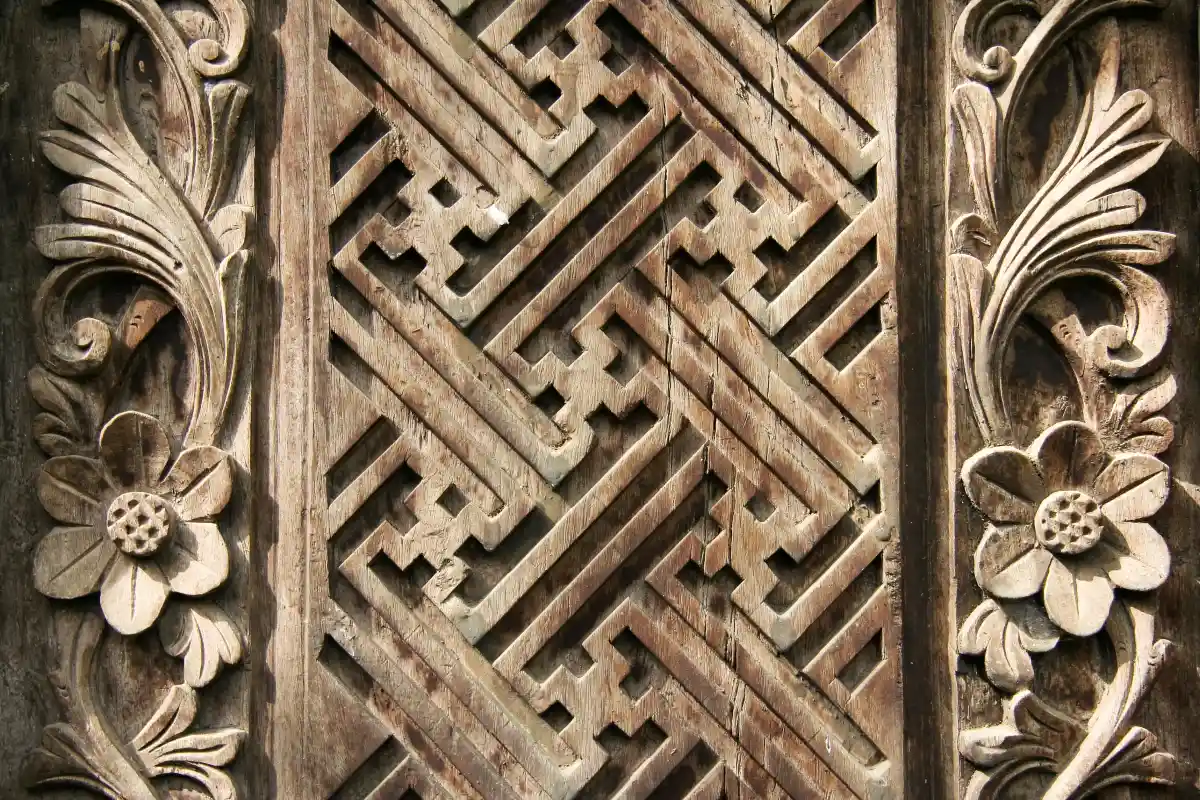
In Bali, woodcarving has historically been connected to more than decoration. Carvings can carry religious, mythological, and cultural meanings. Figures such as Barong, Rangda, and Garuda, as well as scenes inspired by the Ramayana and Mahabharata, appear in Balinese art. Other motifs represent ideas such as harmony, fertility, protection, and the relationship between people and nature.
Some carvings are created for temples and family shrines, while others are made as contemporary artworks. Understanding the story behind a piece can therefore change the way visitors see it, from a beautiful object to an expression of Balinese beliefs and identity.
Read also: The Meaning of Balinese Masks in Religion, Dance, and Cultural Preservation
Learn by Watching the Artisan Process
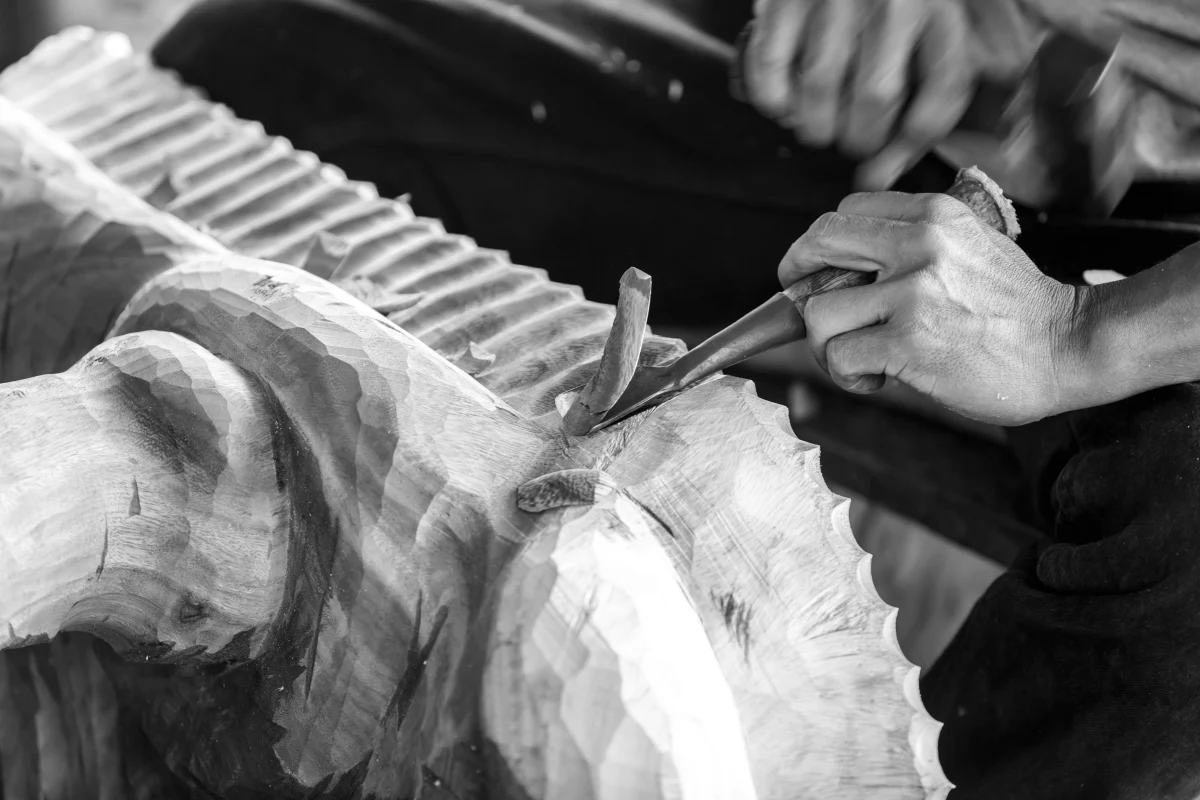
One of the best ways to understand woodcarving is to see it being made. At local workshops, visitors may be able to observe how artisans select materials, prepare the wood, use traditional tools, and gradually shape a rough piece into a detailed sculpture. Some workshops and art centers also offer hands-on experiences where visitors can try basic carving techniques themselves.
The process also teaches something that is easy to miss when looking at a finished sculpture: patience. A handmade carving can require hours, days, or much longer depending on its size and complexity. Watching an artisan work provides a better appreciation of the skill and time behind the finished piece.
Responsible Craft Tourism in Mas Village
Tourism can help keep traditional crafts economically viable, but visitors also have a role in making that relationship more meaningful. When visiting Mas, consider these simple practices:
- Buy directly from local artisans when possible.
- Ask before photographing or filming artisans and their workshops.
- Avoid aggressive bargaining, especially when buying handmade work.
- Ask about the story, materials, and process behind a piece.
- Remember that some carvings may have religious or cultural significance.
- Buying directly from artisans can support family workshops and help keep traditional skills economically sustainable.
The goal isn’t simply to take home a piece of Bali. It is to understand the people and knowledge behind it.
Read also: Rarely Explored Gianyar: Discover Central Bali Beyond the Usual Tourist Trail
Mas Village as a Living Classroom
A visit to Mas can reveal how traditional craftsmanship continues to evolve alongside tourism. Visitors can learn how artistic knowledge is passed through families, how artisans respond to changing markets, and how cultural traditions can remain relevant in a modern economy.
These lessons make Mas Village particularly valuable for educational travel. Instead of simply looking at finished artworks, travelers can explore the connections between culture, creativity, spirituality, entrepreneurship, and sustainable livelihoods.
Learn from Bali’s Artisan Communities with Bali Institute
Mas Village offers a unique opportunity to see how Balinese craftsmanship connects generations, culture, and local livelihoods. It is also a community closely connected to Bali Institute, as our Head Office is located in Mas Village. This gives our team a strong connection to the local community and the cultural traditions that make Mas unique. Learn more about our Head Office in Mas Village.
By learning directly from local woodcarvers and artisan communities, participants can discover how skills are passed between generations, how spirituality shapes artistic traditions, and how crafts continue to adapt within a changing tourism economy.
We tailor every journey to align with your specific educational or organizational goals. Whether we are co-creating a Teen Exploration program introducing young learners to Balinese culture and creativity, a University Experience connecting academic study with field-based learning, a reflective Adult Learning Journey, or Customized CSR Group Tours focused on responsible community engagement, we ensure each experience is meaningful and reciprocal. Rather than simply visiting an artisan village, participants leave with a deeper understanding of how craft can preserve cultural identity while supporting local livelihoods.