For centuries, Balinese masks have played an important role in the island’s religious ceremonies, performing arts, and cultural traditions. Whether displayed during temple festivals or brought to life through dance, these hand-carved masks are far more than decorative objects. They represent stories, spiritual beliefs, and generations of craftsmanship that continue to shape Balinese identity today.
Behind every authentic mask is a long creative process that combines artistic skill, cultural knowledge, and spiritual practice. From selecting the right wood to carving each expression by hand, Balinese artisans follow traditions that have been passed down through generations.
As interest in Balinese arts continues to grow, understanding the meaning behind these masks helps visitors appreciate their cultural value while supporting efforts to preserve one of Bali’s most distinctive artistic traditions.
The Spiritual Origins of Balinese Masks
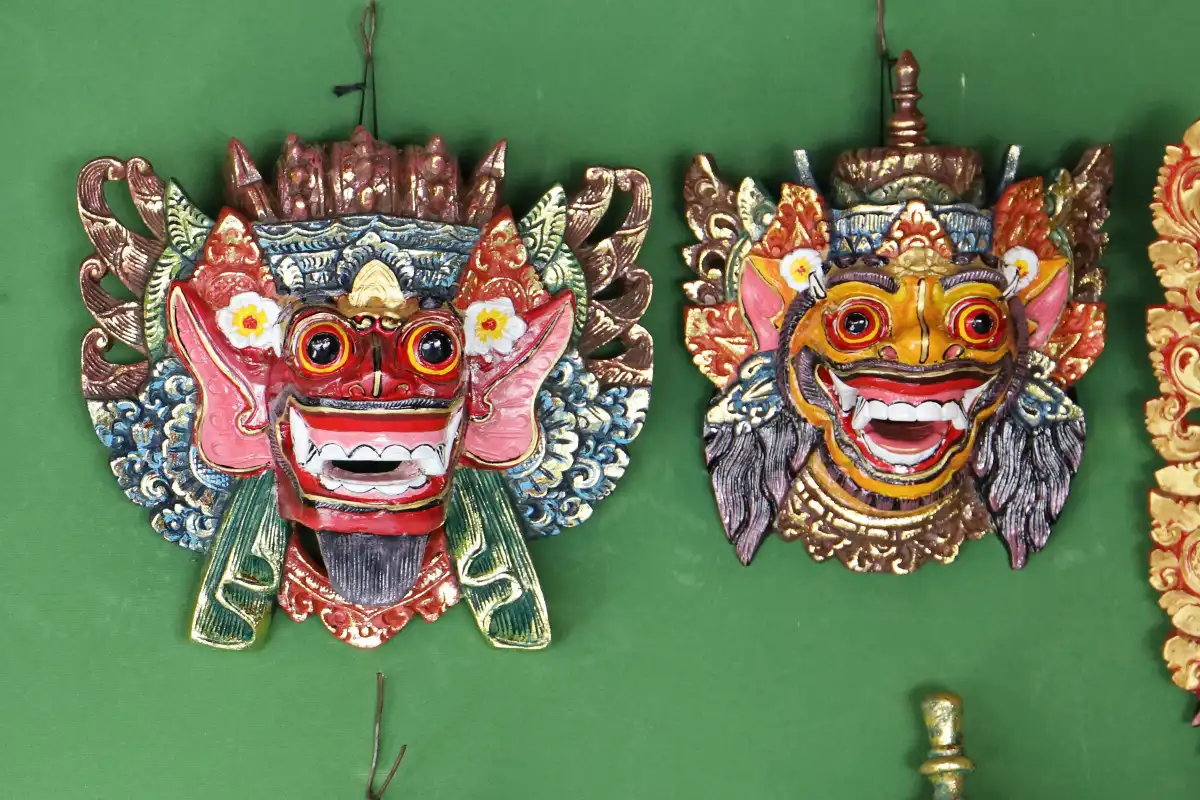
Long before they became sought-after souvenirs, masks were created for religious ceremonies and sacred performances. In Balinese Hinduism, many masks are believed to embody particular characters or spiritual energies during rituals, allowing performers to represent deities, ancestors, mythical creatures, or historical figures.
This connection between art and spirituality remains an important part of Balinese culture. Even today, many masks used in ceremonies are treated with great respect and are only brought out for specific religious occasions.
Understanding this tradition reminds visitors that some masks are not simply artworks but sacred cultural objects with an important role in community life.
Read also: Bali Religion: Get to Know Balinese Hinduism & Cultural Traditions
From Sacred Wood to Sacred Art
Creating an authentic hand-carved Balinese mask begins long before the first cut is made. Many master carvers choose pule wood, a lightweight tree traditionally associated with sacred carving, because it is believed to possess spiritual qualities suitable for religious artworks. Before carving begins, some artisans perform a simple offering or prayer to ask for permission and guidance, recognising that their work carries both artistic and spiritual significance.
Each mask is then carved entirely by hand, a process that may take days or even weeks depending on the level of detail. Every facial expression, curve, and ornament is carefully shaped to communicate the personality of the character it represents.
This tradition reflects generations of knowledge that continues to be passed from master carvers to younger artisans, particularly in villages throughout Gianyar, which remains the centre of authentic Balinese wood carving.
From Ritual to Performance
Masks become more meaningful when they are worn in performance. During traditional dances and temple ceremonies, they allow performers to portray different characters, such as respected kings, priests, mythical beings or ancestral figures. Each movement, expression, and gesture helps bring these stories to life.
One of the best known examples is Topeng dance, a traditional masked dance that tells stories from Bali’s history and folklore. Topeng in English means mask. Different masks represent different personalities, allowing a single performer or a group of dancers to portray a range of characters throughout the performance.
Another important tradition is the Barong dance. The Barong mask represents a protective spirit, while Rangda represents opposing forces. Rather than focusing on the triumph of good over evil, the performance reflects a central belief in Balinese Hinduism: that balance and harmony are achieved through the coexistence of opposing forces.
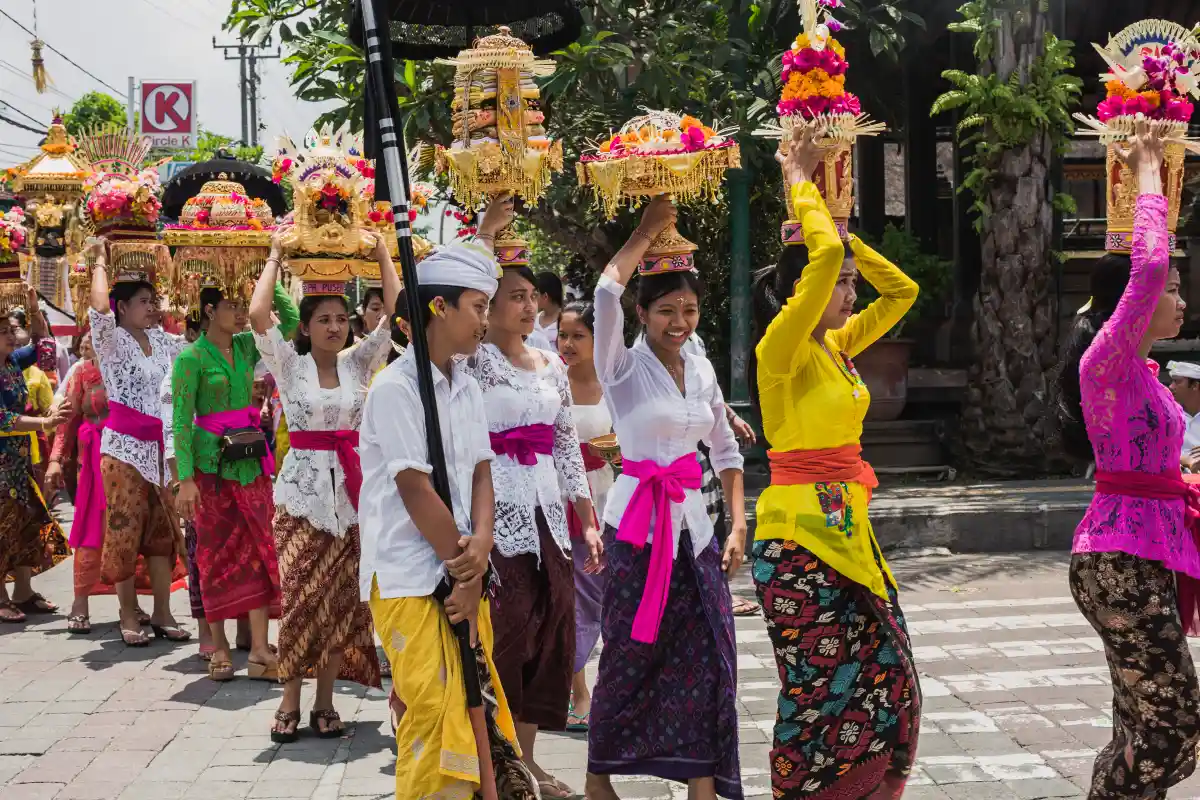
Today, many of these dances are still performed during temple festivals and religious celebrations. While visitors may also see them on cultural stages, their roots remain closely connected to Bali’s spiritual traditions and community life.
Read also: Exploring the Enchantment of Bali Traditional Dance: Barong vs. Legong
The Challenge of Mass Production
As tourism has grown, so has the demand for Balinese masks. While this has created economic opportunities for many artisans, it has also encouraged the production of inexpensive factory made replicas.
Mass produced masks often imitate traditional designs but lack the craftsmanship, symbolism, and cultural understanding found in authentic works. They can also make it more difficult for visitors to recognise the value of masks that require years of training and careful hand carving.
Supporting traditional artisans helps preserve both the techniques and cultural knowledge that have shaped Balinese cultural art history for generations.
How to Choose Authentic Balinese Masks
For visitors interested in collecting Balinese masks, choosing authentic craftsmanship makes a meaningful difference.
When purchasing a mask, consider the following:
- Look for hand-carved details rather than perfectly identical designs.
- Ask about the artisan, the village where the mask was made, and the type of wood used.
- Purchase directly from workshops or reputable galleries that work closely with local craftspeople.
- Be cautious of unusually low prices, which may indicate factory production rather than handmade work.
- Remember that sacred ceremonial masks are not created for commercial sale, so avoid purchasing objects intended for religious use.
Visiting master workshops in Gianyar also provides an opportunity to meet artisans, learn about their creative process, and ensure that purchases directly support local families and traditional craftsmanship.
Supporting Sustainable Balinese Wood Crafts
Choosing authentic artwork is one way visitors can contribute to sustainable Balinese wood crafts. When artisans receive fair compensation for their work, they are better able to continue teaching younger generations, maintain traditional techniques, and responsibly source materials.
Many workshops today also promote sustainable forestry by using legally sourced wood and minimising waste throughout the carving process. These efforts help ensure that Bali’s wood carving traditions can continue without placing unnecessary pressure on local forests.
Supporting these workshops means investing not only in beautiful craftsmanship but also in the future of Bali’s cultural heritage.
Read also: Balinese Wood Carving: The Ancient Art Form Keeping Bali’s Culture Alive
Learning Through Bali’s Living Traditions
Understanding Balinese masks goes beyond recognizing their intricate designs. It also means learning about the artisans who carve them, the ceremonies where they are used, and the traditions that have kept these practices alive for generations. These experiences offer a deeper perspective on Bali’s cultural heritage and the communities that continue to preserve it.
For groups interested in exploring these traditions firsthand, Bali Institute develops custom experiential learning programs that connect participants with local artisans, cultural practitioners, and community initiatives across the island. From Teen Exploration and University Experience programs to Adult Learning Journeys and Customized CSR Group Programs, each experience is designed around the group’s learning objectives, encouraging meaningful engagement with Bali’s art, culture, and everyday life.