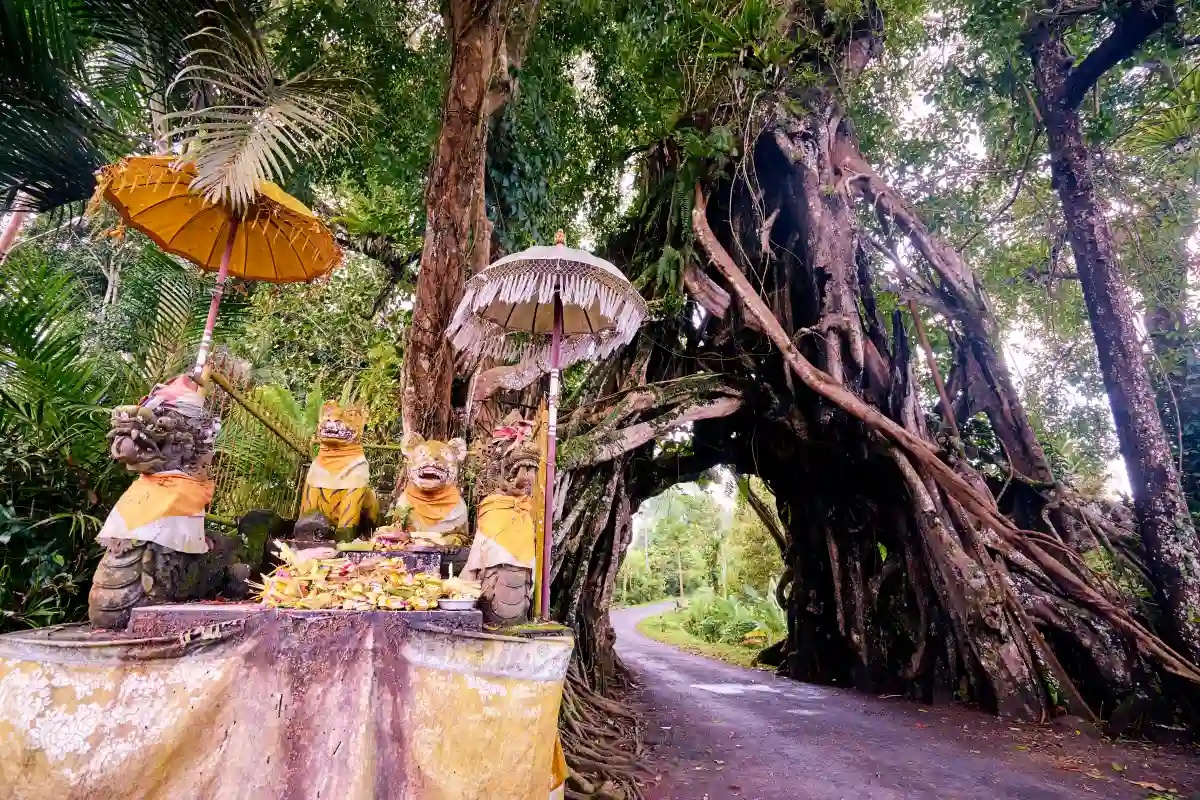
While Bali is widely recognized for its cultural sites, its ecological heritage offers an unparalleled living classroom for experiential learning abroad. Located on the island’s northwestern coast, West Bali National Park is the region’s only national park and a critical sanctuary for Indonesia’s protected landscapes. Featuring a rare convergence of dense forests, savannas, mangroves, and coral reefs, this single protected area provides an ideal environment for group student trips and custom faculty-led study abroad programs focused on environmental science and sustainability.
Moving beyond standard eco-tourism, the park allows visiting academic cohorts and mindful travelers to observe active ecosystem management and endangered species protection firsthand. For institutions prioritizing global citizenship education, West Bali National Park serves as a dynamic, real-world case study in how dedicated conservation efforts shape the survival of both biodiversity and local communities.
Why West Bali National Park Is More Than a Nature Destination
West Bali National Park is often recognised for its scenic forests, diverse wildlife, and world-class snorkelling around Menjangan Island. Yet beyond its natural beauty, the park serves a much greater purpose: protecting some of Bali’s most valuable ecosystems while creating opportunities for environmental education, scientific research, and responsible nature tourism.
As the island’s only national park, it safeguards more than 190 square kilometres of interconnected terrestrial and marine habitats. From dry monsoon forests and open savannas to mangrove ecosystems and coral reefs, each landscape supports a unique community of plants and animals. Together, these ecosystems regulate water cycles, store carbon, protect coastlines, and provide essential habitats for wildlife, including endangered species found nowhere else on Earth.
Exploring West Bali National Park is more than a chance to enjoy nature, it’s an opportunity to understand how conservation works in practice. A guided forest walk reveals how different habitats support biodiversity, while a visit to Menjangan Island demonstrates the importance of marine protected areas in preserving coral reefs and fish populations. Every experience encourages visitors to look beyond the scenery and consider the delicate balance between people, wildlife, and the environment.
By experiencing these protected landscapes firsthand, travellers gain a deeper appreciation of why national parks matter, not only for preserving biodiversity today, but also for ensuring future generations can continue to learn from and benefit from these extraordinary ecosystems.
Five Ecosystems, Five Different Lessons
One of the park’s greatest strengths as a learning destination is its ecological diversity. Each habitat demonstrates different environmental processes and conservation challenges.
Dry Monsoon Forest: Adapting to Seasonal Change
Unlike the lush tropical forests commonly associated with Bali, much of West Bali National Park consists of dry monsoon forest. These forests experience long dry seasons followed by periods of heavy rainfall, creating an environment where plants and wildlife have evolved remarkable survival strategies.
Visitors may notice trees shedding their leaves during the dry season to reduce water loss, while many animals adjust their feeding and breeding patterns according to seasonal changes.
Understanding these adaptations helps explain how ecosystems remain resilient despite fluctuating environmental conditions. It also highlights how climate change may alter the balance that these species have relied upon for centuries.
Savanna and Acacia Woodlands: Biodiversity Beyond the Forest
Open grasslands and acacia woodlands create a completely different landscape within the park. These habitats support deer, reptiles, insects, butterflies, and numerous bird species, each occupying a different ecological niche. Rather than competing for the same resources, species coexist by adapting to specific food sources, habitats, and behaviours.
Observing wildlife in the savanna introduces visitors to concepts such as biodiversity, food webs, habitat diversity, and ecosystem balance, topics that become much easier to understand when experienced in the field rather than in a classroom.
Mangrove Forests: Nature’s Coastal Defence
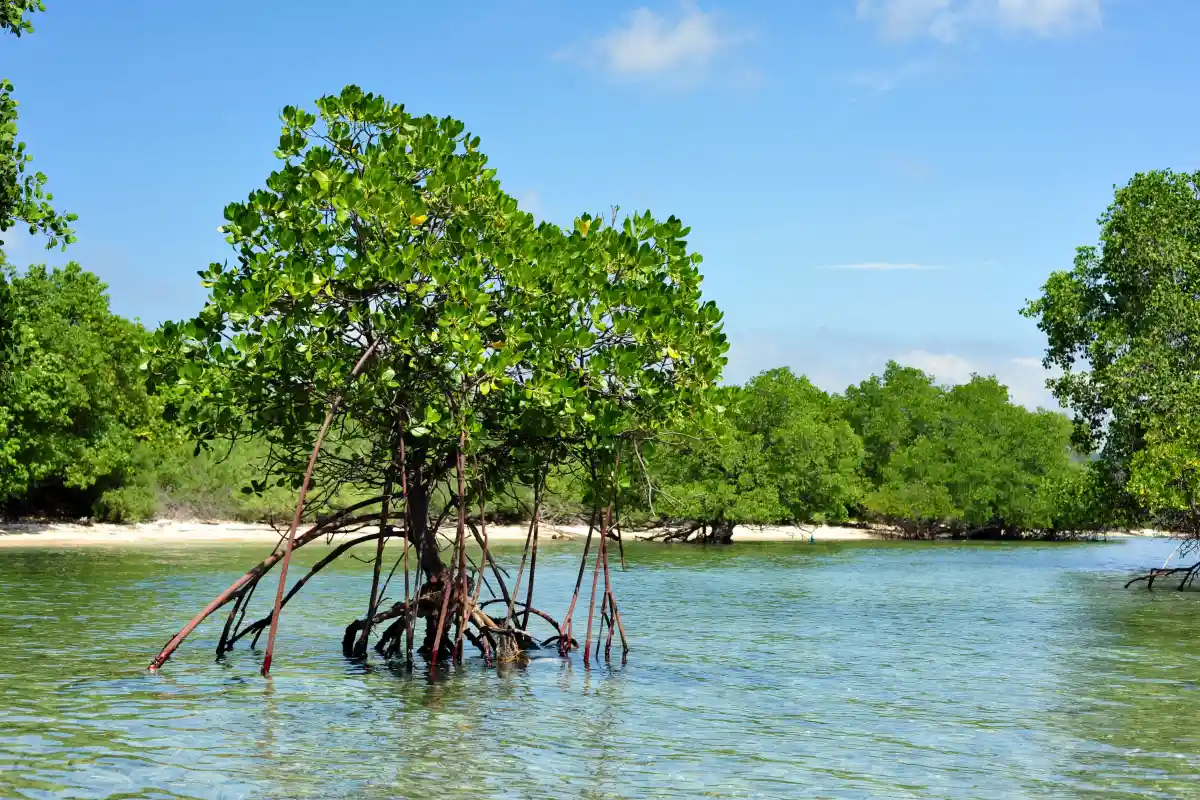
Along the coastline, mangrove forests provide one of the park’s most valuable ecosystems. Although they may appear quiet, mangroves perform essential ecological functions. Their complex root systems stabilise coastlines, reduce erosion, trap sediment before it reaches coral reefs, store significant amounts of carbon, and create nursery habitats for juvenile fish, crabs, and countless marine species.
For visitors, mangrove learning tours demonstrate how one ecosystem can simultaneously support biodiversity, fisheries, coastal communities, and climate resilience. They also illustrate why protecting coastal habitats benefits both people and wildlife.
Menjangan Island: Learning Beneath the Surface
Located within the park’s marine protected area, Menjangan Island is widely recognised as one of Bali’s best snorkelling and diving destinations. Crystal-clear water and thriving coral reefs attract visitors from around the world, but the island offers far more than beautiful underwater scenery.
Coral reefs are among Earth’s most diverse ecosystems. They provide food, shelter, and breeding grounds for thousands of marine species while protecting coastlines from wave erosion and supporting local fisheries.
Exploring Menjangan with experienced guides allows visitors to understand how marine protected areas help coral reefs recover from environmental pressures such as pollution, destructive fishing, and climate change.
Rather than simply identifying colourful fish, educational snorkelling experiences encourage participants to observe ecological relationships between corals, reef fish, algae, and other marine organisms.
These observations foster a greater appreciation for why reef conservation requires collective responsibility from governments, scientists, local communities, tourism operators, and visitors alike.
The Bali Starling: A Story of Hope and Responsibility
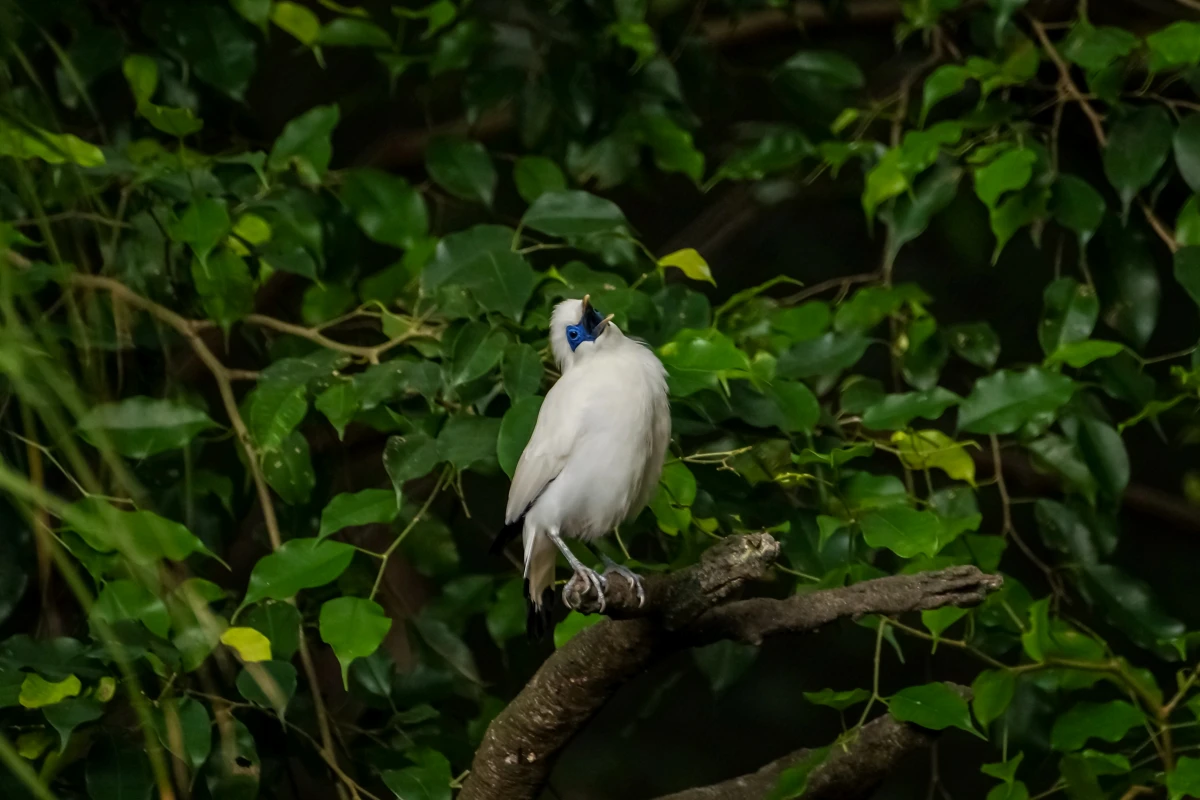
Perhaps no species represents conservation in Bali better than the Bali starling (Leucopsar rothschildi), also known locally as the Jalak Bali. Found naturally only on the island of Bali, this striking white bird became critically endangered after decades of habitat loss and illegal wildlife trade. By the early 2000s, very few individuals remained in the wild.
Its recovery has required decades of collaboration involving conservation organisations, park authorities, researchers, breeding centres, local communities, and law enforcement. Visitors who learn about the Bali starling quickly discover that protecting an endangered species involves far more than breeding birds in captivity.
Suitable habitat must remain intact, poaching must be prevented, genetic diversity must be maintained, and local communities need to benefit from conservation efforts. The Bali starling reminds us that successful conservation depends on long-term commitment rather than quick solutions.
Learning Through Responsible Nature Tourism
Nature tourism can either support conservation or place additional pressure on fragile ecosystems. The difference lies in how visitors choose to engage with protected environments.
West Bali National Park encourages low-impact experiences that prioritise education over entertainment. Guided walks, birdwatching sessions, habitat interpretation, mangrove exploration, and responsible snorkelling all allow visitors to learn while minimising disturbance to wildlife.
By choosing official guides and licensed operators, travellers also contribute directly to conservation management and local livelihoods. Educational tourism demonstrates that meaningful travel is not about seeing more places, it is about understanding them more deeply.
Read also: Experiential Education Travel in Bali: Sustainable Learning Through Culture, Nature, and Community
Responsible Wildlife Observation
Observing wildlife requires patience and respect. Whether watching birds in the forest or marine life around Menjangan Island, visitors should maintain a respectful distance and allow animals to behave naturally.
Simple practices can make a significant difference:
- Stay on designated trails.
- Avoid feeding wildlife.
- Keep noise to a minimum during birdwatching.
- Never remove plants, shells, or natural objects.
- Do not disturb nests or breeding areas.
- Use binoculars instead of approaching animals too closely.
These small actions reduce stress on wildlife while creating more authentic and rewarding encounters.
Protecting Coral Reefs Starts with Every Visitor
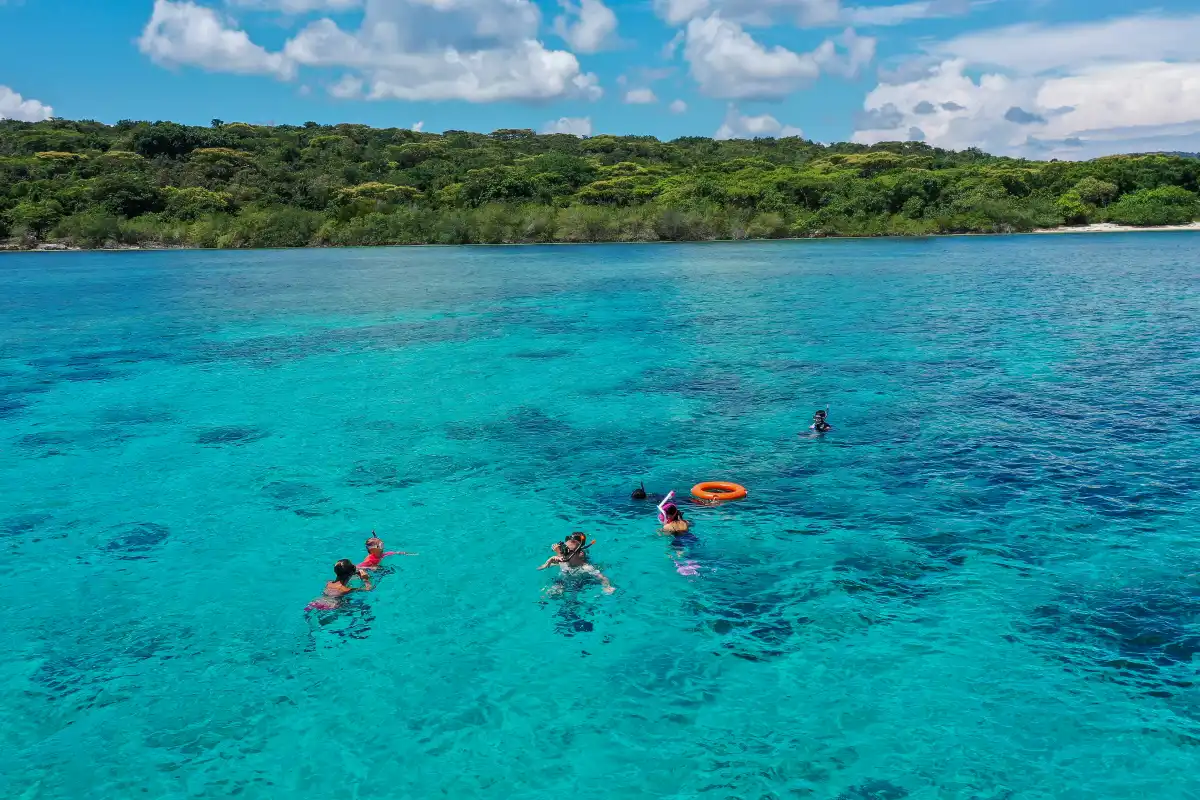
Healthy coral reefs are surprisingly fragile. Even accidental contact from fins or hands can damage coral colonies that have taken decades to grow. Feeding fish may alter natural behaviour, while standing on reefs can permanently destroy living coral.
Visitors exploring Menjangan Island should choose operators that provide environmental briefings and encourage responsible snorkelling and diving practices. Simple choices, maintaining buoyancy, avoiding contact with coral, and wearing reef safe sun protection or a rash guard, help preserve these ecosystems for future generations.
Preparing for Your Visit
To make the most of your learning experience, consider bringing:
- Comfortable walking shoes for forest trails
- A refillable water bottle
- Sun protection, including a hat and sunglasses
- Lightweight clothing suitable for warm weather
- A reusable bag
- Binoculars for birdwatching
- A notebook or field journal to record observations
- Reef-safe sun protection or a rash guard for marine activities
A field notebook can be especially valuable for students and lifelong learners, encouraging careful observation, sketching, and reflection throughout the visit.
What Can Visitors Learn from West Bali National Park?
Every ecosystem within the park offers a different perspective on conservation. By the end of a visit, travellers gain a deeper understanding of:
- Why protected areas are essential for preserving biodiversity.
- How different habitats support different species.
- The importance of mangroves and forests in climate resilience.
- The challenges of recovering endangered species such as the Bali starling.
- How marine protected areas help coral reefs remain healthy.
- The role responsible tourism plays in supporting conservation and local communities.
These lessons extend beyond Bali, encouraging visitors to think more critically about environmental stewardship wherever they travel.
Read also: Bali Islands Guide: Culture, Nature, and Responsible Travel Across Bali Islands Destinations
Frequently Asked Questions
What makes West Bali National Park unique?
West Bali National Park is the only national park on the island and protects an extraordinary range of ecosystems, including dry monsoon forests, savannas, mangroves, coastal habitats, and marine environments around Menjangan Island.
What wildlife can visitors see in West Bali National Park?
The park is home to deer, monkeys, reptiles, numerous bird species, and the endangered Bali starling (Jalak Bali). Marine life around Menjangan Island includes colourful reef fish, sea turtles, and healthy coral ecosystems.
Why is the Bali starling important?
The Bali starling is endemic to Bali and one of Indonesia’s rarest birds. Its recovery demonstrates how habitat protection, captive breeding, anti-poaching efforts, and community involvement can work together to prevent extinction.
Is Menjangan Island part of West Bali National Park?
Yes. Menjangan Island lies within the park’s marine protected area and is recognised for its exceptional snorkelling, diving, and coral reef conservation.
How does educational tourism support conservation?
Educational tourism helps visitors understand environmental challenges while encouraging responsible behaviour. Guided learning experiences also support local conservation initiatives and promote greater awareness of biodiversity protection.
Discover Environmental Learning with Bali Institute
At Bali Institute, we believe meaningful education happens through direct engagement with people, places, and real-world challenges. Our programmes transform destinations like West Bali National Park into immersive learning environments where participants connect academic concepts with firsthand experience.
Whether through our Teen Exploration, University Experience, Adult Learning Journey, or Customised CSR Group Programmes, we design educational experiences around your learning objectives. Participants can explore biodiversity, conservation, climate resilience, and sustainable tourism alongside local experts, educators, and community partners.
Rather than simply visiting Bali’s natural landscapes, learners leave with a deeper understanding of how protected areas function, why conservation requires long-term collaboration, and how responsible travellers can contribute to preserving these ecosystems for future generations.