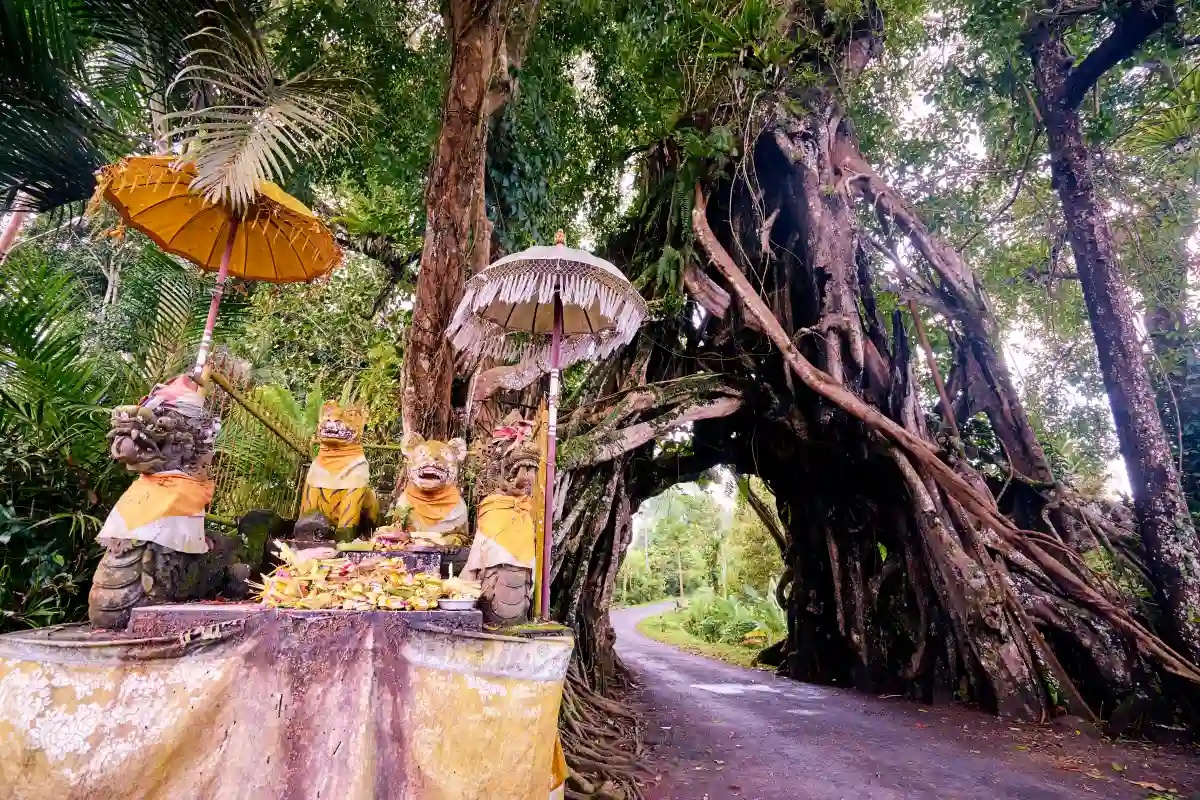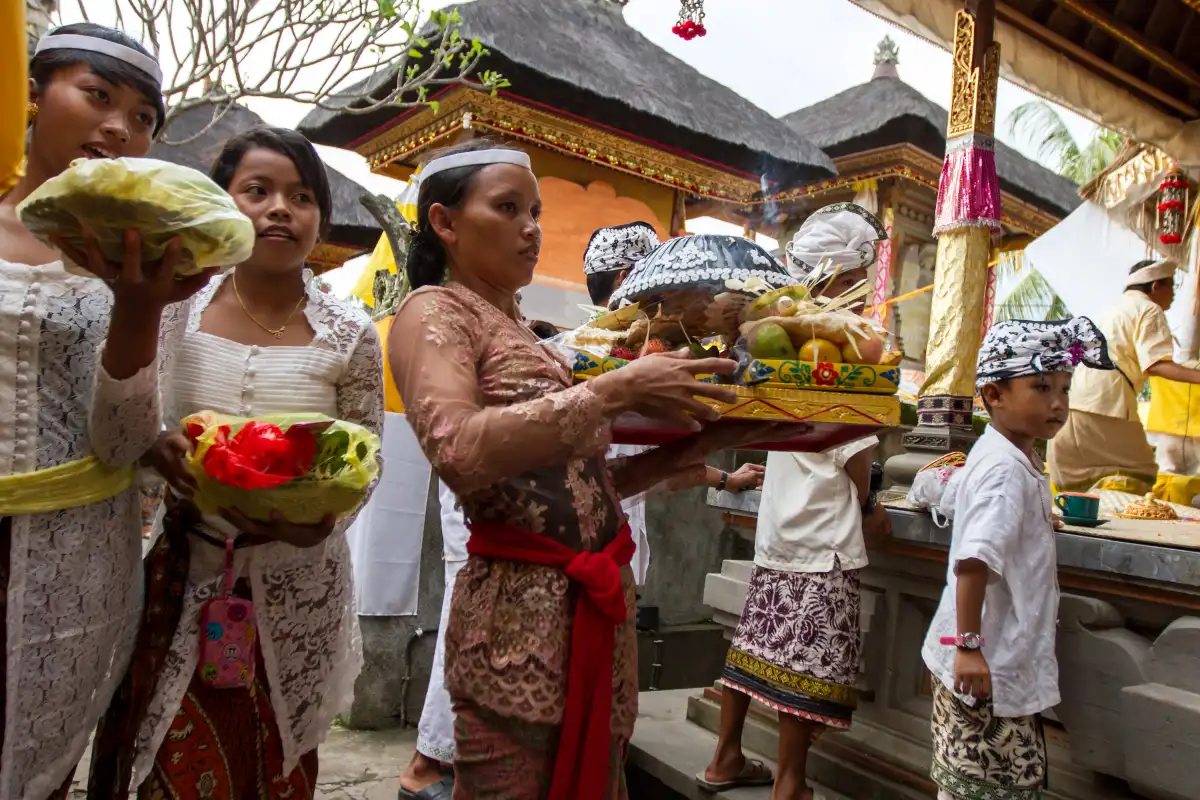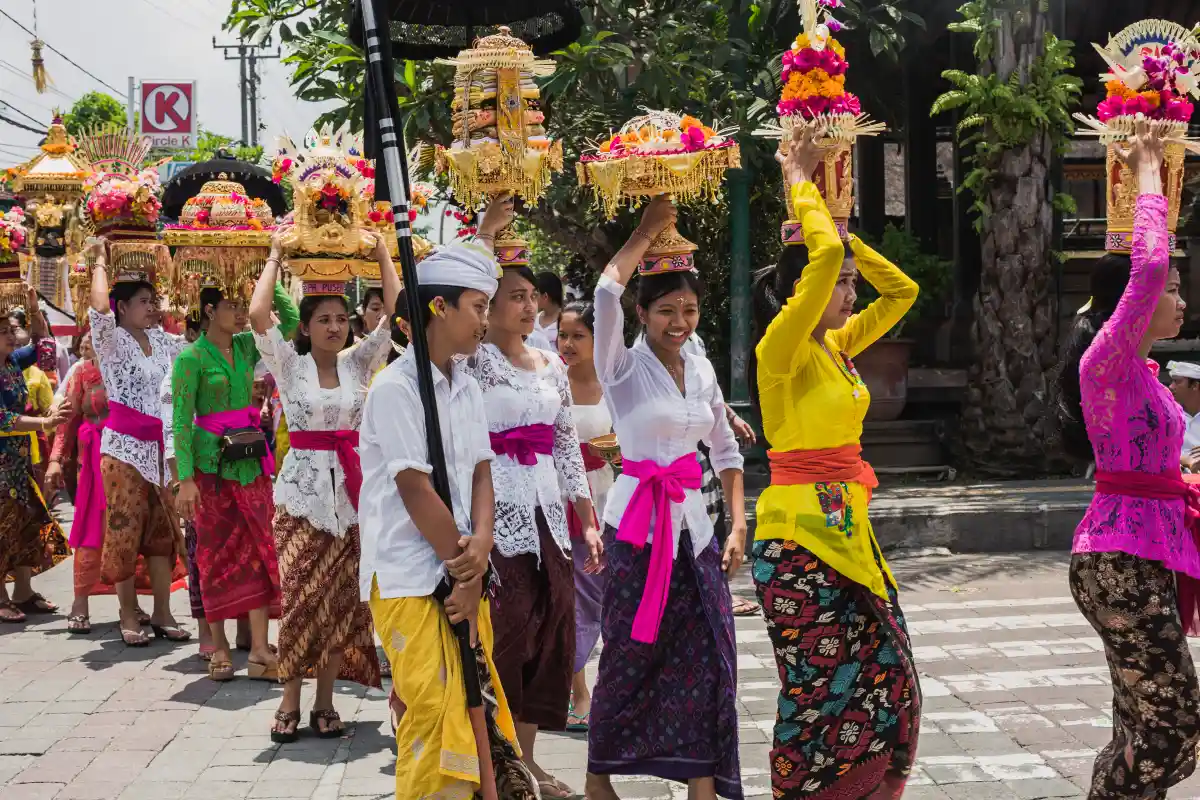
While most visitors experience Bali through its popular coastal towns, the eastern regency of Karangasem offers a profound setting for experiential learning abroad. Here lies Tenganan, one of the oldest and best-preserved Bali Aga (indigenous Balinese) villages, where centuries-old customary laws and traditions actively dictate daily life. For institutions designing custom faculty-led study abroad programs or group student trips, Tenganan is not a staged historical exhibit, but a living, breathing cultural landscape.
Engaging with this community provides a real-world masterclass in global citizenship education. Rather than passively observing, visiting academic cohorts and mindful travelers have the unique opportunity to understand how complex village governance, ancestral craftsmanship, and shared communal responsibility successfully preserve indigenous identity in the modern world.
Understanding Bali Aga Culture
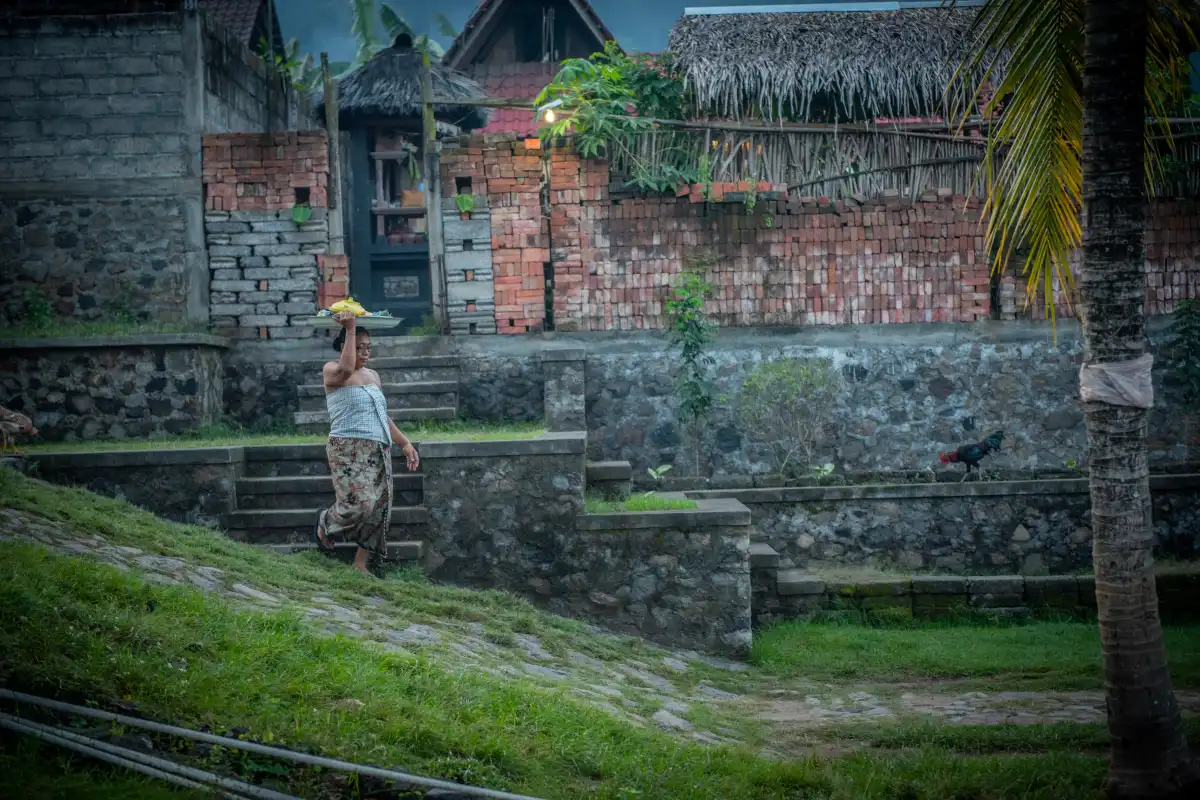
Tenganan is one of the best known Bali Aga villages, referring to communities whose traditions predate many of the Hindu-Javanese influences that later shaped much of Balinese culture.
While modern Bali shares many cultural similarities across the island, Bali Aga communities have maintained distinct customs, ceremonies, social systems, and ways of organising village life for centuries. Their traditions offer valuable insight into Bali’s early cultural history and demonstrate how indigenous knowledge continues to evolve without losing its identity.
Visiting Tenganan is therefore more than exploring a traditional village in Bali. It is an opportunity to understand how cultural heritage survives through the commitment of the people who live there.
The Art of Kain Geringsing: A Textile Woven with Meaning
Among Tenganan’s greatest cultural treasures is Kain Geringsing, one of the world’s rarest handwoven textiles. Unlike ordinary fabrics, Geringsing is created using the double ikat technique, a highly specialised weaving method in which both the vertical (warp) and horizontal (weft) threads are carefully tied, dyed, and precisely aligned before weaving begins.
Every stage demands extraordinary patience and precision. Preparing the threads, applying natural dyes, aligning intricate patterns, and completing the final cloth can take months or even years, depending on the complexity of the design. The result is more than a beautiful textile. It is a living expression of Bali Aga identity, preserving generations of craftsmanship and cultural knowledge.
More Than Craftsmanship: The Cultural Significance of Geringsing
The value of Geringsing extends far beyond its artistic beauty. Within Tenganan, these sacred textiles play an important role in ceremonies, rites of passage, and traditional festivals. The name “Geringsing” is commonly associated with protection, balance, and wellbeing, reflecting the community’s belief that textiles can carry spiritual and cultural meaning.
For visitors, learning about Geringsing reveals how craftsmanship can become a form of cultural preservation. Each cloth represents not only technical expertise but also family heritage, community identity, and the transmission of knowledge across generations. Understanding this deeper significance encourages visitors to appreciate handmade textiles not simply as souvenirs, but as an important part of Bali’s living cultural heritage.
A Village Designed Around Community Values
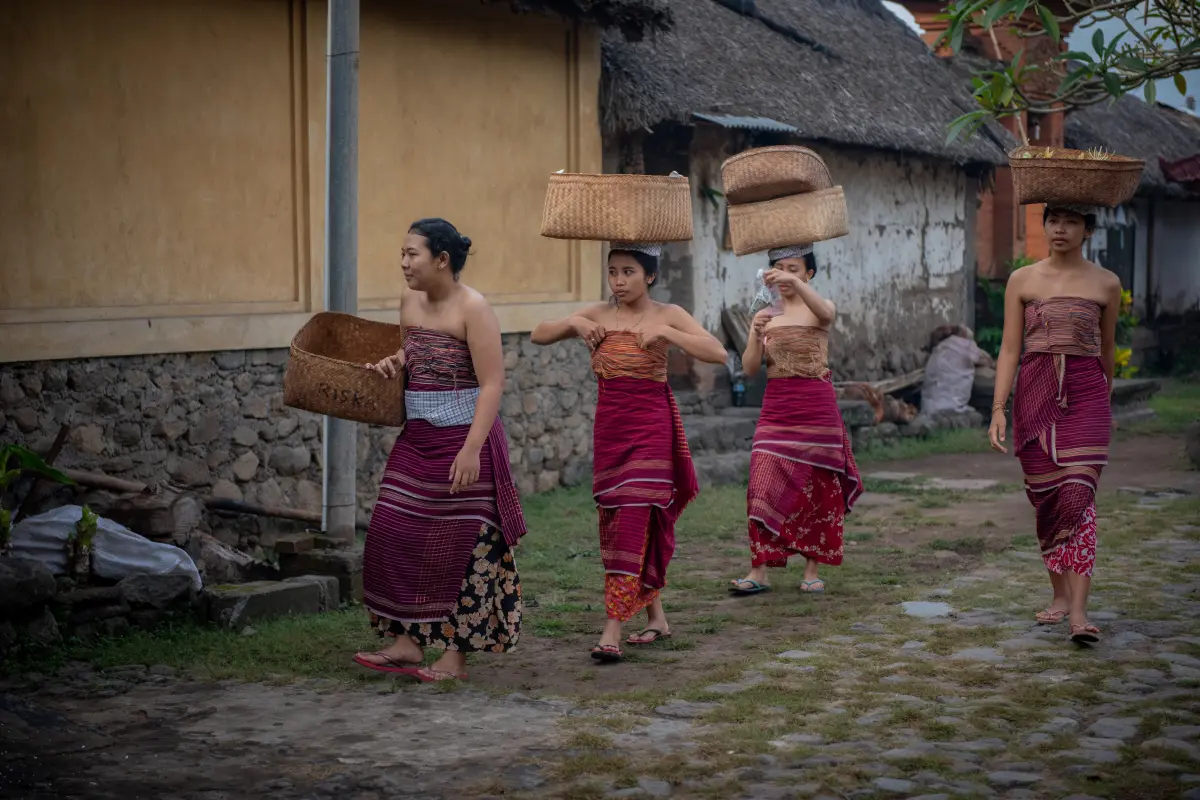
Walking through Tenganan Village quickly reveals that its layout is unlike many other villages in Bali. Rather than developing organically over time, the village follows a carefully planned spatial arrangement inherited through generations. Traditional houses, communal pavilions, open courtyards, ceremonial spaces, and pathways are organised according to customary principles that promote harmony between family life, spiritual practice, and the wider community.
This distinctive layout reflects the Bali Aga philosophy that architecture is not only about shelter, but also about maintaining social relationships, cultural responsibilities, and balance with the surrounding environment. A guided heritage walk allows visitors to see how every part of the village serves a purpose within this carefully maintained cultural system.
How Customary Governance Preserves Cultural Heritage
One of the reasons Tenganan has maintained its identity for centuries is its strong system of desa adat, or customary village governance. Community life is guided by local regulations that help manage land use, housing, ceremonies, marriage traditions, and shared responsibilities. Rather than relying solely on tourism or external heritage programmes, cultural preservation remains deeply rooted in community participation and collective decision making.
For students studying anthropology, governance, or sustainable development, Tenganan provides an excellent example of how local institutions continue to protect cultural heritage in a rapidly changing world.
It demonstrates that preserving tradition depends not only on protecting historic buildings or artefacts, but also on supporting the communities who continue to practise and pass on their cultural knowledge.
Educational Experiences in Tenganan Village
Tenganan offers a range of immersive learning opportunities for visitors who want to engage with Balinese culture beyond sightseeing.
Observe the Geringsing Weaving Process
One of the most valuable experiences is watching local artisans create Geringsing textiles. Visitors can observe the preparation of threads, natural dyeing techniques, intricate pattern alignment, and the weaving process itself. These demonstrations provide valuable insights for students of textile design, anthropology, history, and cultural sustainability while highlighting the remarkable dedication behind every handmade piece.
Explore the Village Through Guided Heritage Walks
Walking through Tenganan with a knowledgeable local guide provides a deeper understanding of how architecture, public spaces, and ceremonial areas support daily community life. Rather than focusing solely on historical facts, these walks explore how traditions continue to influence village organisation, cultural responsibilities, and relationships between residents.
Learn About Traditional Crafts and Local Livelihoods
Although Geringsing weaving is the village’s most famous tradition, visitors can also discover other forms of Balinese craftsmanship. Depending on the activities available, visitors may observe palm-leaf writing, traditional art practices, or locally made handicrafts that contribute to village livelihoods.
These experiences demonstrate how cultural knowledge can create sustainable economic opportunities while encouraging younger generations to continue practising traditional skills.
Read also: Experiential Education Travel in Bali: Sustainable Learning Through Culture, Nature, and Community
A Living Case Study in Cultural Preservation
For educational groups, Tenganan Village offers an opportunity to examine important questions surrounding heritage conservation. How can communities preserve their traditions while welcoming visitors? How does tourism support local livelihoods without changing cultural identity? What role do customary laws play in protecting heritage?
These discussions encourage participants to think critically about indigenous knowledge, community-based tourism, and the balance between cultural preservation and modern development.
Visiting Tenganan Responsibly
Because Tenganan is a living community rather than a museum, respectful behaviour is essential.
Respect the Community
Walk calmly through the village, follow guidance from local hosts, and avoid entering private homes or sacred spaces unless invited.
Support Local Artisans
When purchasing Geringsing textiles or handmade crafts, buy directly from local artisans whenever possible. These works represent months—or even years—of skilled craftsmanship and help sustain traditional livelihoods.
Always Ask Before Taking Photos
Seek permission before photographing people, workshops, homes, ceremonies, or sacred objects. Respecting privacy helps foster positive relationships between visitors and the community.
Dress Modestly
Wear appropriate clothing and maintain a respectful attitude, particularly during ceremonies or cultural activities.
Learn Before You Buy
The most meaningful souvenir is understanding the story behind what you see. Taking time to learn about Geringsing weaving, village traditions, and local customs helps ensure that tourism contributes to preserving heritage rather than simply consuming it.
Read also: Bali Islands Guide: Culture, Nature, and Responsible Travel Across Bali Islands Destinations
Frequently Asked Questions
What is Tenganan Village famous for?
Tenganan Village is best known as one of Bali’s oldest Bali Aga villages and for producing Kain Geringsing, a rare double ikat textile with deep cultural and ceremonial significance.
What does Bali Aga mean?
Bali Aga refers to indigenous Balinese communities whose traditions predate many of the later Hindu-Javanese cultural influences found across much of Bali.
Why is Geringsing weaving unique?
Geringsing is one of the few textiles in the world made using the double ikat technique, where both warp and weft threads are dyed before weaving. The process is highly complex and can take months or even years to complete.
Is Tenganan suitable for educational tourism?
Yes. Tenganan offers valuable learning opportunities in cultural preservation, anthropology, traditional craftsmanship, community governance, and sustainable tourism, making it ideal for students, researchers, and educational groups.
How can visitors support the local community?
Visitors can support Tenganan by respecting village customs, hiring local guides, purchasing handmade crafts directly from artisans, asking permission before taking photographs, and approaching the village with curiosity and respect rather than simply as a tourist attraction.
Read also: Get to Know Balinese People: Traditions, Language, Culture and Origins
Experience Bali’s Living Heritage with Bali Institute
At Bali Institute, we believe cultural understanding comes from meaningful engagement, not passive observation. Through our Teen Exploration, University Experience, Adult Learning Journey, and Customised CSR Group Programmes, participants connect with Bali’s communities through immersive educational experiences designed around real learning outcomes.
Visits to destinations like Tenganan Village can be integrated into programmes exploring anthropology, traditional craftsmanship, sustainable tourism, community governance, and cultural preservation. Working alongside local artisans, community leaders, and cultural practitioners, participants gain firsthand insight into how Bali’s heritage continues to thrive in the modern world.
By transforming cultural visits into meaningful learning experiences, Bali Institute helps participants build curiosity, intercultural understanding, and a lasting appreciation for the communities that safeguard Bali’s living heritage.