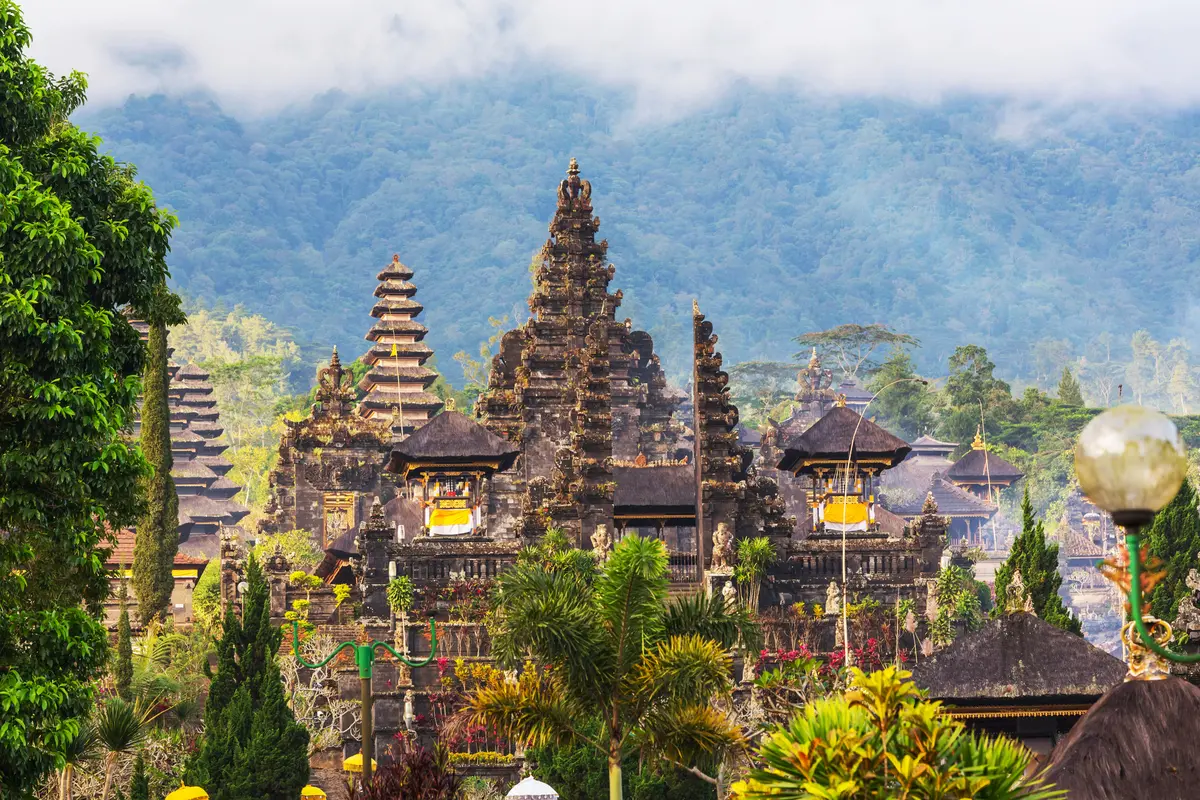
Traveling across Bali can easily devolve into a rushed checklist of popular attractions, leaving participants with only a surface-level understanding of the island. Slow travel offers a profound alternative. Instead of racing between destinations, this approach encourages students to deeply explore local environments, engage respectfully with host communities, and reflect critically on their experiences.
For institutions organizing group student trips or designing custom faculty-led study abroad programs, embracing slow travel transforms the island into an ideal setting for experiential learning abroad. By spending focused time in traditional farming landscapes, artisan workshops, and coastal ecosystems, academic cohorts engage in authentic global citizenship education.
This intentional pacing allows learners to move beyond passive observation and see exactly how Bali’s culture, nature, and daily community life intersect
Why Slow Travel Supports Student Learning
Slow travel is not simply about moving at a slower pace. It is about creating meaningful connections with a place.
In educational travel, this means prioritizing quality over quantity. Visiting fewer locations allows students to explore subjects more deeply, ask questions, and recognize relationships that might otherwise go unnoticed.
For example, a guided walk through a Balinese rice-farming community can introduce students to agriculture, water management, religious traditions, and community cooperation within a single experience.
Teachers can strengthen these learning opportunities through a simple cycle:
- Prepare: Introduce key questions and learning objectives before the visit.
- Observe: Encourage students to notice details about the environment and community.
- Engage: Create opportunities for respectful dialogue with local guides and hosts.
- Reflect: Discuss discoveries and connect them with classroom knowledge.
This approach makes experiential education travel in Bali particularly valuable for students exploring sustainability, anthropology, geography, and cultural studies.
Slow Travel Activities for Students in Bali
Bali offers numerous opportunities for place-based learning. The following activities can help educational groups connect academic concepts with real-world experiences.
1. Explore Rice Fields and Traditional Water Management
Guided rice-field walks allow students to explore Bali’s traditional subak irrigation system, which connects agricultural water management with community organization and cultural practices.
Instead of simply admiring the landscape, students can investigate how farmers coordinate water distribution, maintain irrigation channels, and respond to environmental challenges.
These visits provide opportunities to discuss ecological stewardship, cooperation, and the relationship between agriculture and local livelihoods.
2. Learn Traditional Skills from Local Artisans
Artisan workshops offer students a closer look at Bali’s living cultural heritage.
Activities may include learning about traditional weaving, painting, or woodcarving through workshops arranged with local craftspeople.
Students can explore how techniques are passed between generations and how tourism influences the demand for traditional products.
For example, visiting the woodcarvers of Mas Village provides insight into craftsmanship, artistic identity, and the economic realities of sustaining traditional skills.
3. Discover Bali’s Food Systems
Food offers another accessible way to understand local culture.
An appropriately arranged market visit or community-led cooking workshop can introduce students to the journey of ingredients from farms to kitchens.
Students may examine:
- How locally grown ingredients shape traditional dishes.
- The relationship between farming and local markets.
- The cultural significance of food during ceremonies.
- How food production supports community livelihoods.
Exploring Balinese food culture can reveal how agriculture, family traditions, and spirituality come together through everyday meals.
4. Observe Nature Through Guided Environmental Walks
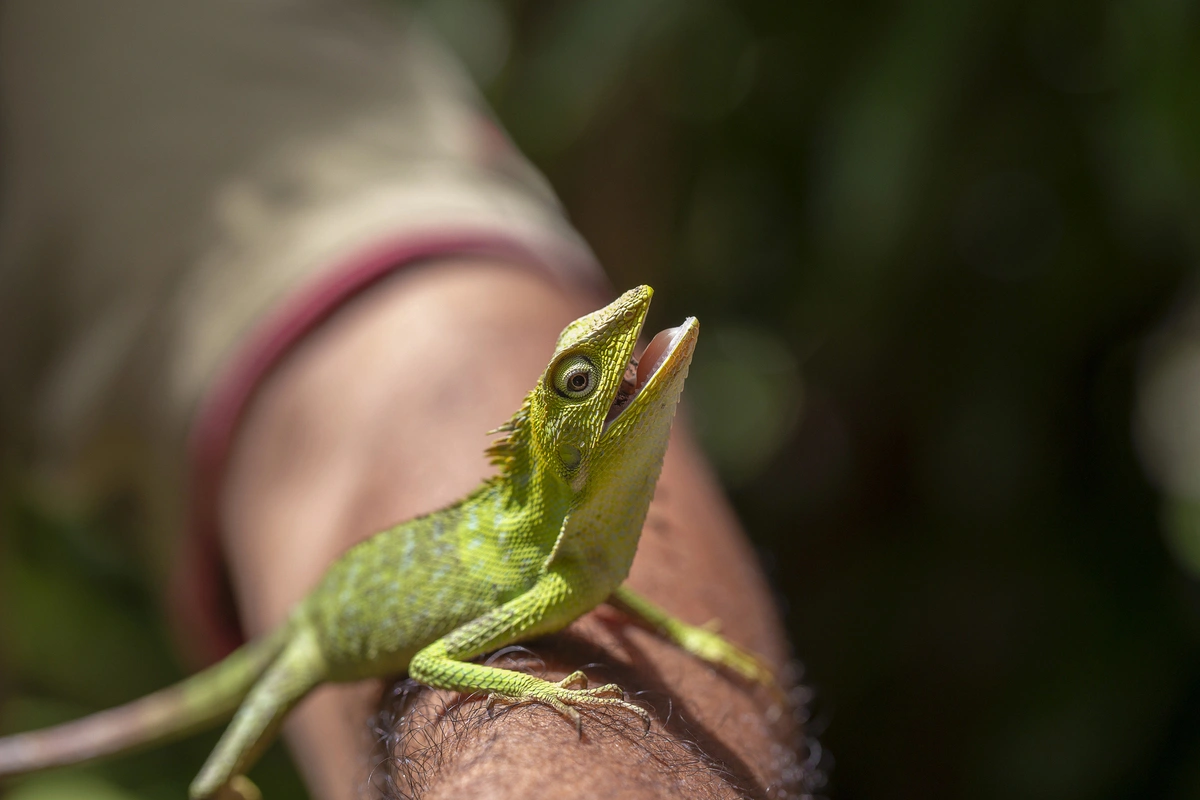
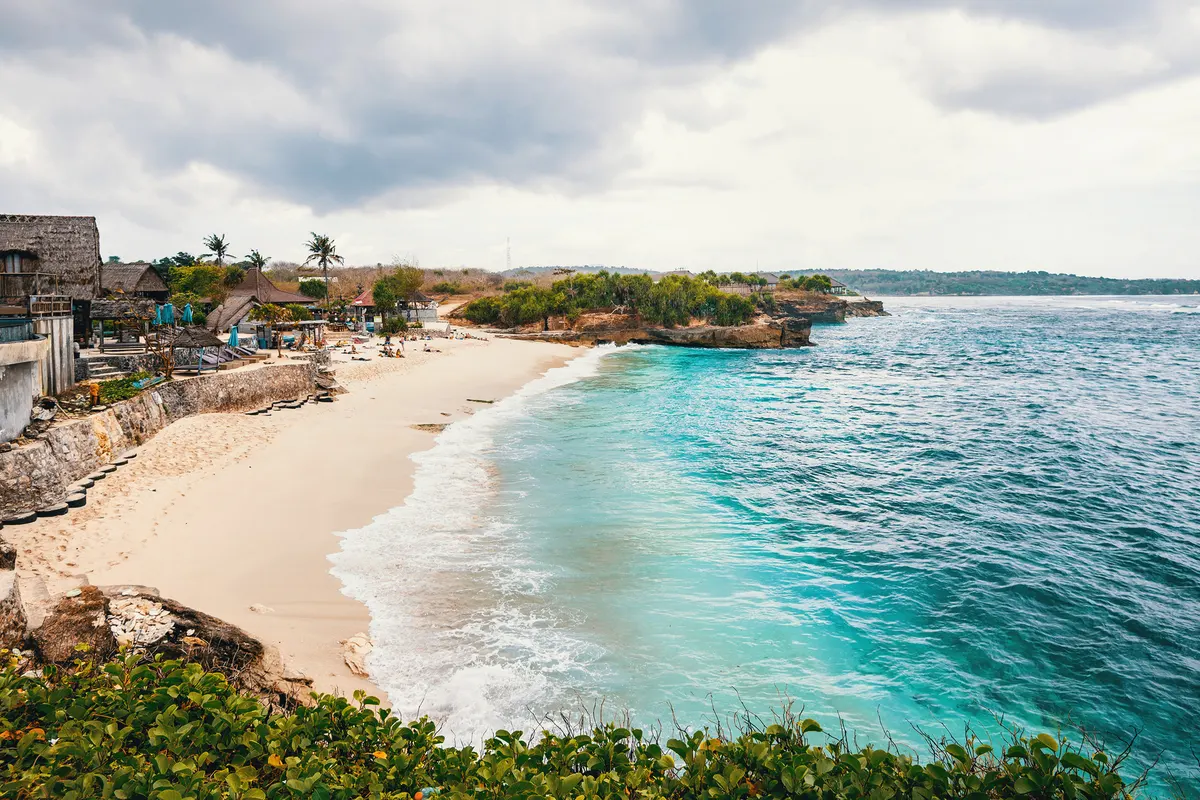
Bali’s forests, mangroves, and coastal ecosystems offer opportunities for environmental education.
Guided nature walks can help students observe biodiversity, habitat connections, and conservation challenges without disturbing wildlife or sensitive environments.
A mangrove visit, for example, can introduce discussions about coastal protection, marine habitats, and the importance of maintaining healthy ecosystems.
The goal is not to collect as many wildlife sightings as possible, but to understand how different elements of an ecosystem depend on one another.
Designing a Responsible Slow Travel Itinerary
A successful student itinerary needs time for observation, discussion, and rest.
Instead of moving between distant attractions every day, educators can organize several learning experiences around one geographic area.
Consider these principles:
- Stay within one area: Choose nearby activities to reduce unnecessary transportation.
- Work with local guides: Prioritize community knowledge and appropriate cultural interpretation.
- Reduce waste: Encourage reusable bottles and responsible consumption.
- Build in reflection: Allow time for journals, group discussions, and questions.
- Respect local schedules: Avoid disrupting religious ceremonies or community activities.
These decisions help make responsible travel part of the learning experience itself.
What Students Can Learn from Slow Travel
Slow travel encourages students to recognize connections between subjects that are often taught separately.
Agriculture becomes a lesson in water management. Traditional crafts reveal relationships between culture and livelihoods. Environmental walks encourage students to consider conservation alongside community needs.
Just as importantly, students practice cross-cultural skills such as listening, observation, thoughtful questioning, and respect for different perspectives.
For educators interested in bringing these learning opportunities into a structured journey, Bali Institute develops customized Teen Exploration and University Experience programs that connect cultural immersion, environmental learning, and community engagement with educational objectives.
Through thoughtfully designed experiences, students can discover that meaningful travel is not measured by how many destinations they visit, but by how deeply they understand the places and people they encounter.