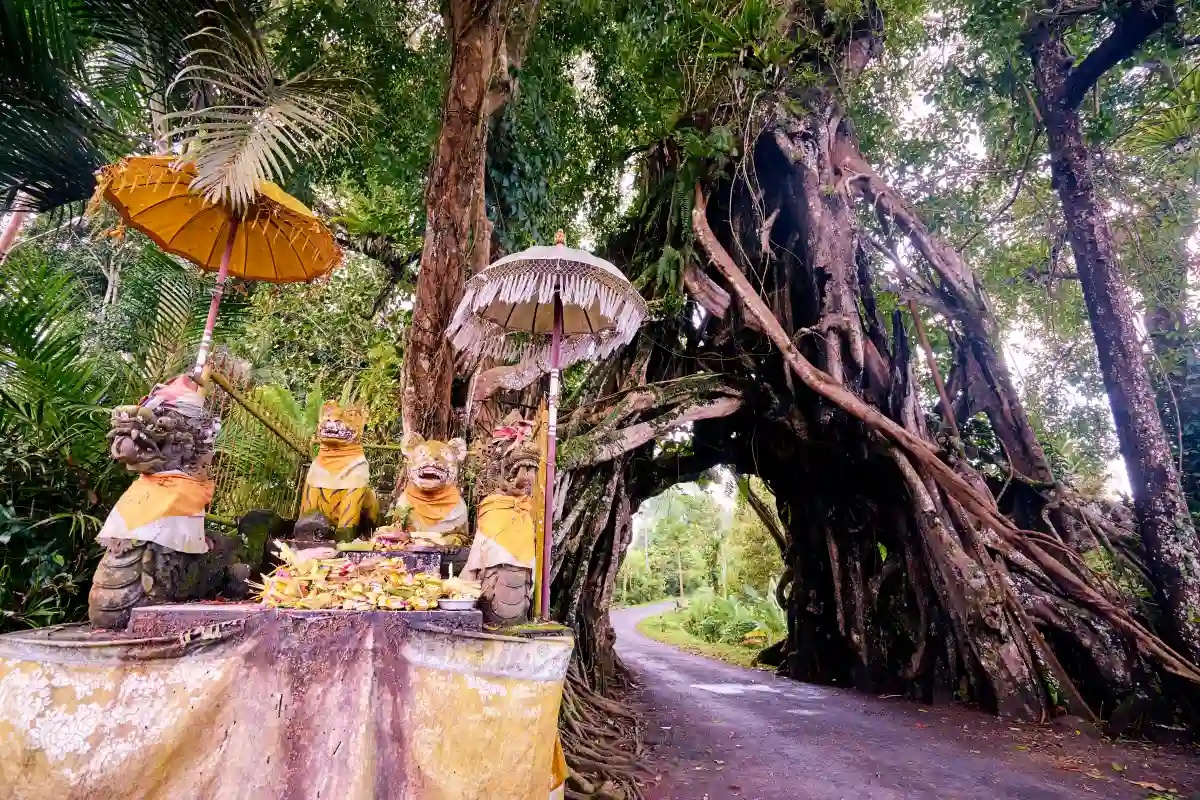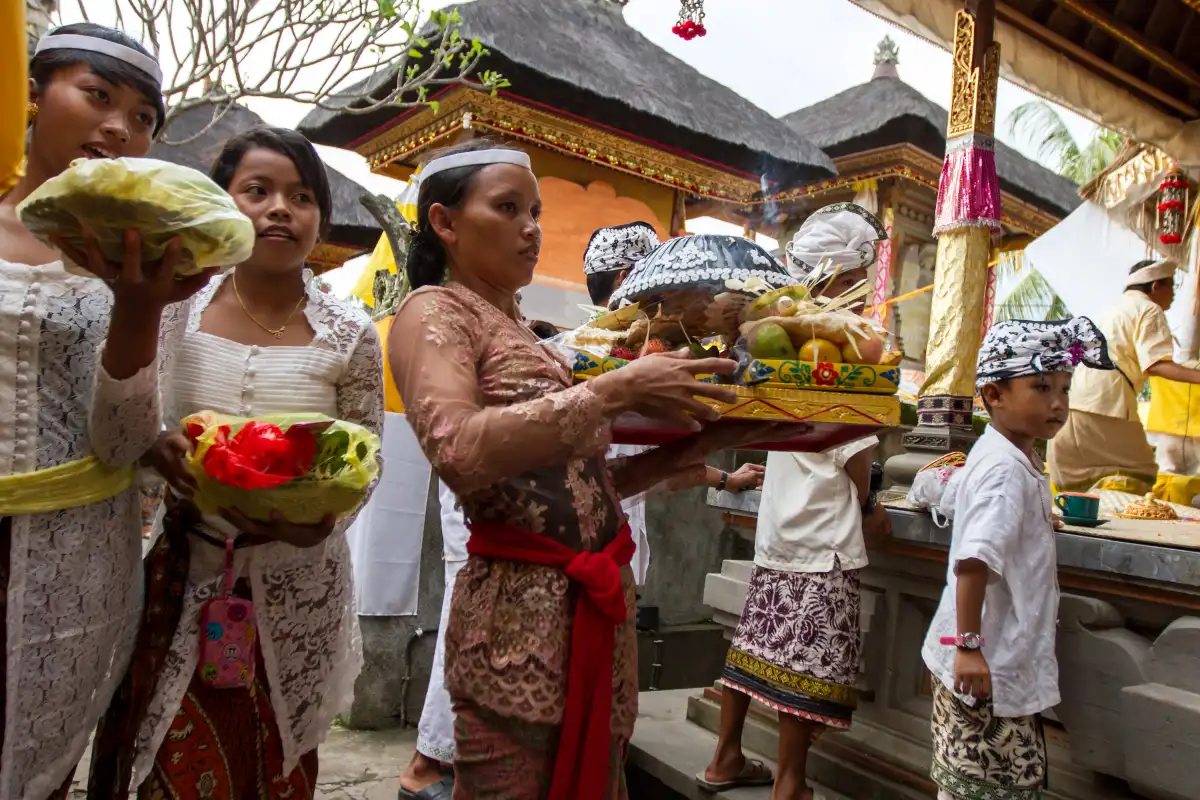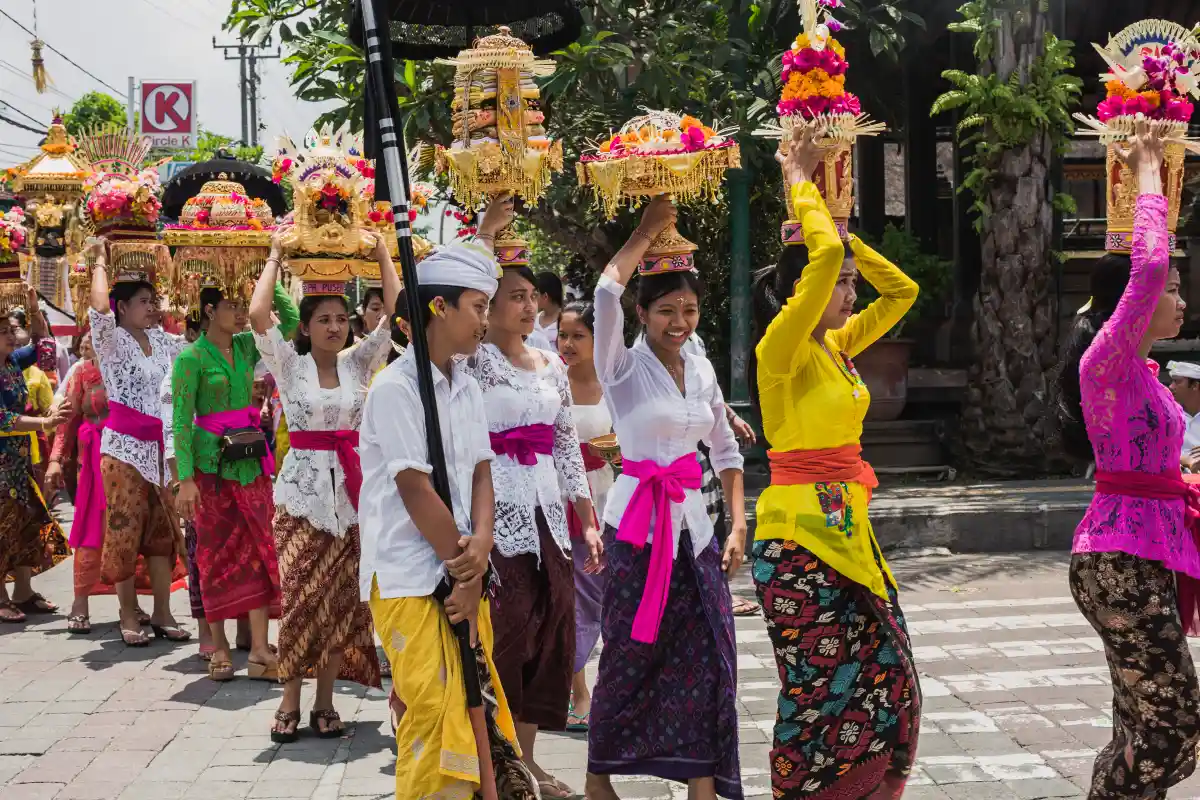
While Bali is globally recognized for its coastal landscapes, its true identity is rooted in centuries of cultural evolution, spiritual philosophy, and community-based living. For universities designing custom faculty-led study abroad programs or institutions planning a group student trip, Bali offers an exceptional environment for global citizenship education. Cultural immersion here is not about observing the past from a distance; it is about engaging with living history. Through ceremonies, traditional governance, agriculture, and daily community interactions, students and travelers can witness how ancient systems continue to shape modern life.
Bali’s History as a Living Cultural System
Bali’s cultural identity has been shaped by layers of influence, from early Austronesian settlements to the arrival of Hindu-Buddhist traditions, and later interactions through trade and regional kingdoms. Instead of replacing earlier systems, these influences blended into a uniquely Balinese worldview.
What makes Bali distinct is that history is not frozen in museums. It continues to live through:
- Ritual practices that follow ancient calendars
- Traditional governance systems at village level
- Architecture that reflects cosmology and balance
- Artistic traditions passed through generations
Understanding Bali means understanding how the past continuously informs the present.
Read also: What Is a Balinese Banjar? The Community System Behind Daily Life in Bali
Key Cultural Foundations You’ll Encounter in Bali
1. Spiritual and Philosophical Worldview
Balinese culture is guided by a philosophy that emphasizes balance between humans, nature, and the spiritual world. This worldview shapes everything from daily rituals to community planning and environmental care.
2. Subak: A Cultural Landscape of Cooperation
The Subak irrigation system is more than agriculture, it is a UNESCO-recognized cultural model of shared water management. It reflects how communities collaborate to maintain harmony between land, water, and social structure.
3. Rituals and Community Life
Ceremonies are a central part of Balinese life, not occasional events. They mark cycles of time, strengthen community bonds, and connect generations through shared practice and responsibility.
4. Performing Arts as Cultural Memory
Dance, music, and visual arts in Bali are not separate from daily life. They function as storytelling systems that preserve history, values, and identity through movement and performance.
Read also: Upanayana Ceremony Explained: A Hindu Rite of Learning and Cultural Continuity
Learning Bali Through Immersive Experience
Understanding Bali’s history becomes more meaningful when it is experienced directly. Guided cultural immersion allows learners to see how historical systems are still active today, not just explained, but lived.
Through visits to temples, village spaces, workshops, and cultural discussions, participants gain insight into how Bali’s heritage continues to evolve while staying rooted in tradition.
Read also: Beyond the Classroom: Designing Experiential Educational Travel Programs in Bali
Why Cultural Immersion Matters Today
In a rapidly globalizing world, Bali offers a rare example of cultural continuity. Its traditions are not preserved in isolation, they are practiced, adapted, and shared within everyday life.
- Engaging with this context helps learners:
- Understand how culture shapes community decision making
- See how traditions adapt without losing identity
- Develop respect for local knowledge systems
- Build deeper cultural awareness beyond tourism
Learn Bali Through Immersive Cultural Programs
To truly engage with Bali’s living heritage, guided cultural immersion requires deep local expertise. At Bali Institute, we serve as your strategic educational collaborators, moving past standard tourism to custom-design experiential learning abroad. We tailor every itinerary to your specific learning objectives, whether you require a Teen Exploration program that safely introduces younger learners to cultural history, a rigorous University Experience that bridges academic theory with anthropological fieldwork, a reflective Adult Learning Journey for lifelong learners, or Customized CSR Group Tours for corporate teams focused on sustainable social impact. Engage with Bali’s history as a living, evolving ecosystem, and let us design a journey that fosters genuine cultural intelligence.