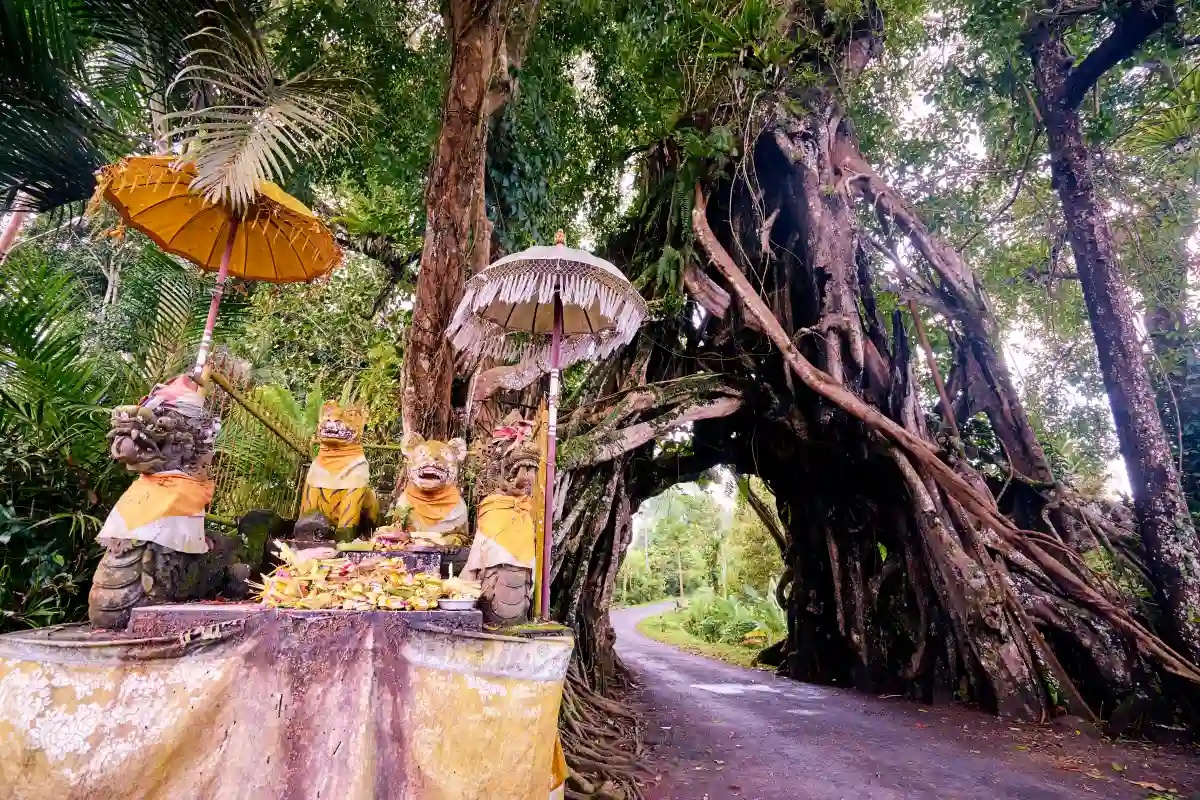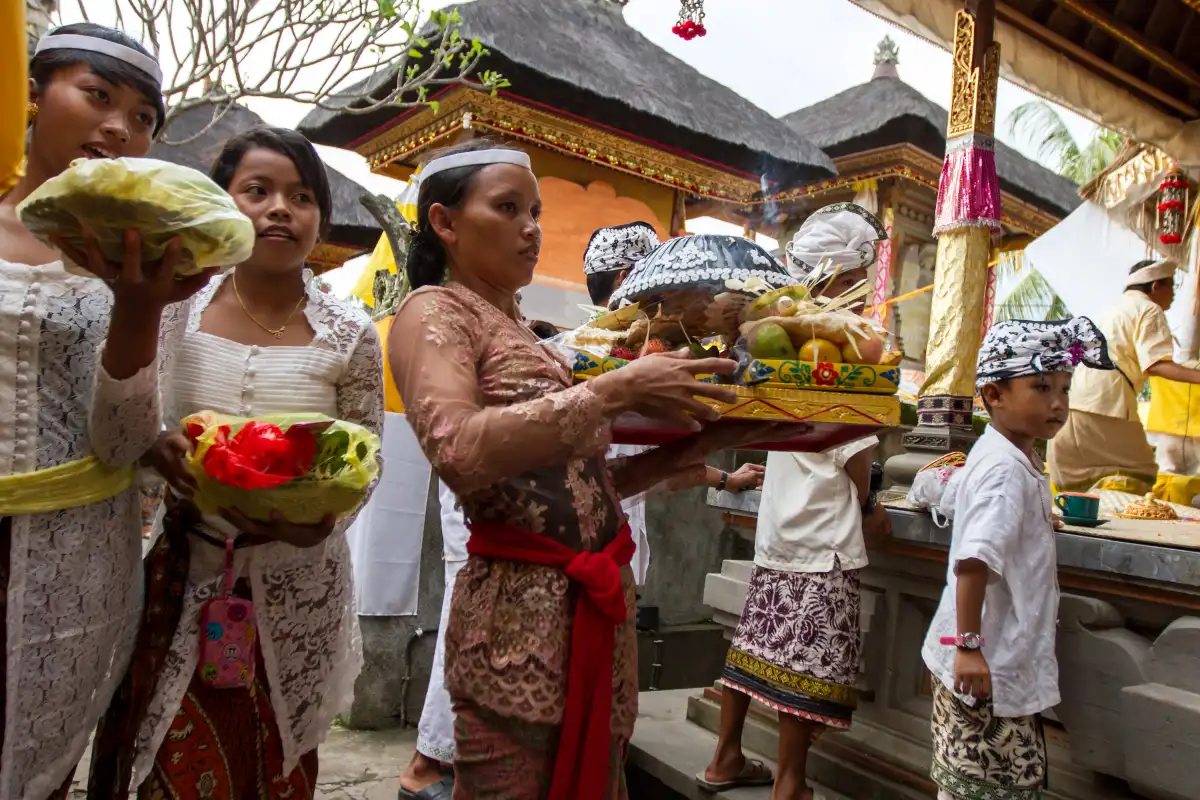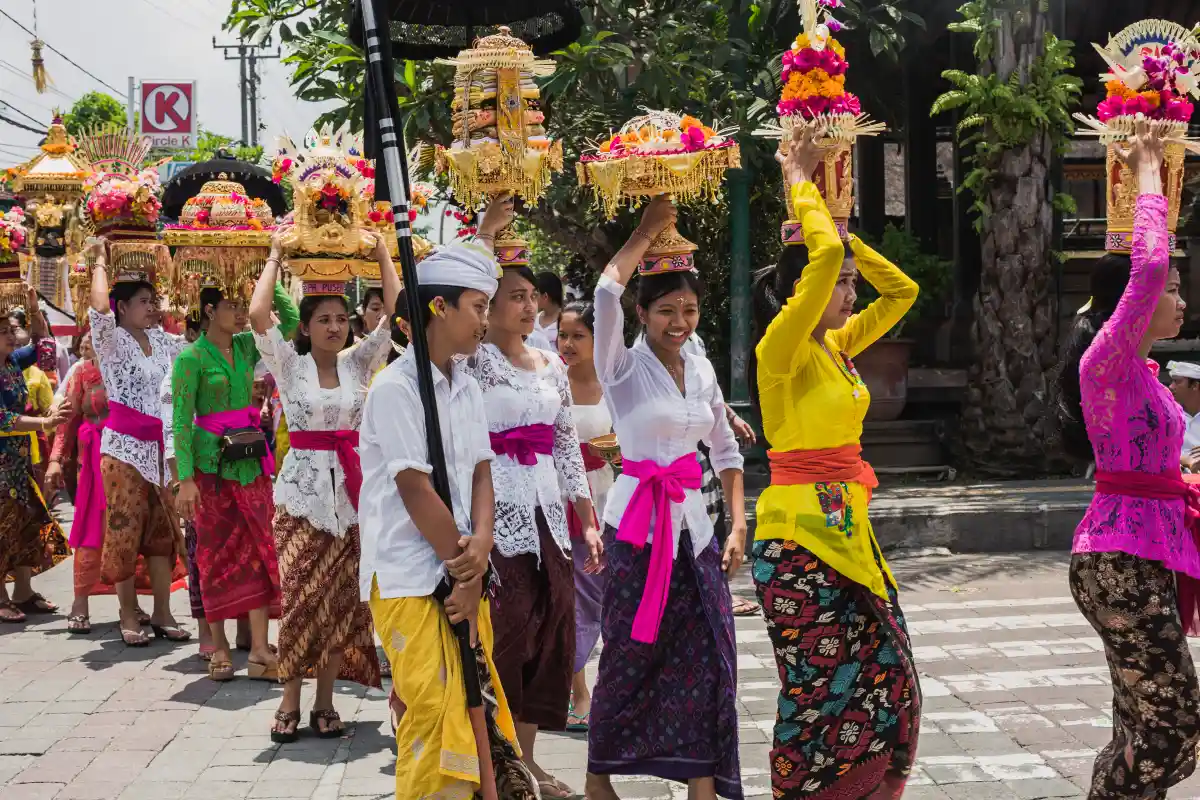
A faculty-led study abroad program should offer students far more than a simple change of scenery; it should transform the destination into a dynamic, living classroom. When academic objectives are intentionally paired with community engagement, Bali provides an unparalleled environment for experiential learning that transcends traditional lectures and textbooks.
Whether your curriculum focuses on sustainable tourism, cultural anthropology, environmental conservation, public health, or social entrepreneurship, studying abroad in Bali directly bridges academic theory with real-world application.
The most impactful programs start with one foundational question: What transformative outcomes should students experience, understand, and be able to apply by the end of their journey?
Read also: Experiential Education in Bali: Sustainable Learning Through Culture, Nature, and Community
What Makes a Faculty Led Study Abroad Program Different?

A faculty led study abroad program is a structured academic experience where faculty guide students through learning activities in another country. Unlike a standard educational tour, the program is built around specific course objectives and learning outcomes.
Faculty can connect classroom concepts with field visits, discussions, community engagement, site based research, and guided reflection. Students might examine sustainable tourism through conversations with local practitioners, explore cultural heritage through community experiences, or study environmental issues directly within Bali’s ecosystems. This approach makes the destination part of the curriculum rather than simply the setting for it.
Read also: Beyond the Classroom: Designing Experiential Educational Travel Programs in Bali
Why Bali Works as a Living Classroom
Bali offers a wide range of academic environments within a relatively accessible destination. Students can move between rural communities, coastal areas, cultural sites, agricultural landscapes, creative industries, and tourism hubs while exploring different aspects of the island. This diversity creates opportunities for experiential learning in Bali across many disciplines.
Read also: Why Bali Is an Excellent Study Destination for Student Groups
Depending on the course, students may explore:
- Sustainability and environmental studies through conservation, agriculture, waste management, and sustainable tourism initiatives.
- Anthropology and cultural studies through Balinese Hindu traditions, community structures, ceremonies, and cultural heritage.
- Public health through community based health initiatives and local approaches to wellbeing.
- Arts and design through traditional crafts, architecture, textiles, and contemporary creative practices.
- Business and social enterprise through local businesses, community enterprises, and tourism initiatives.
- Intercultural communication through meaningful interactions with local communities and organizations.
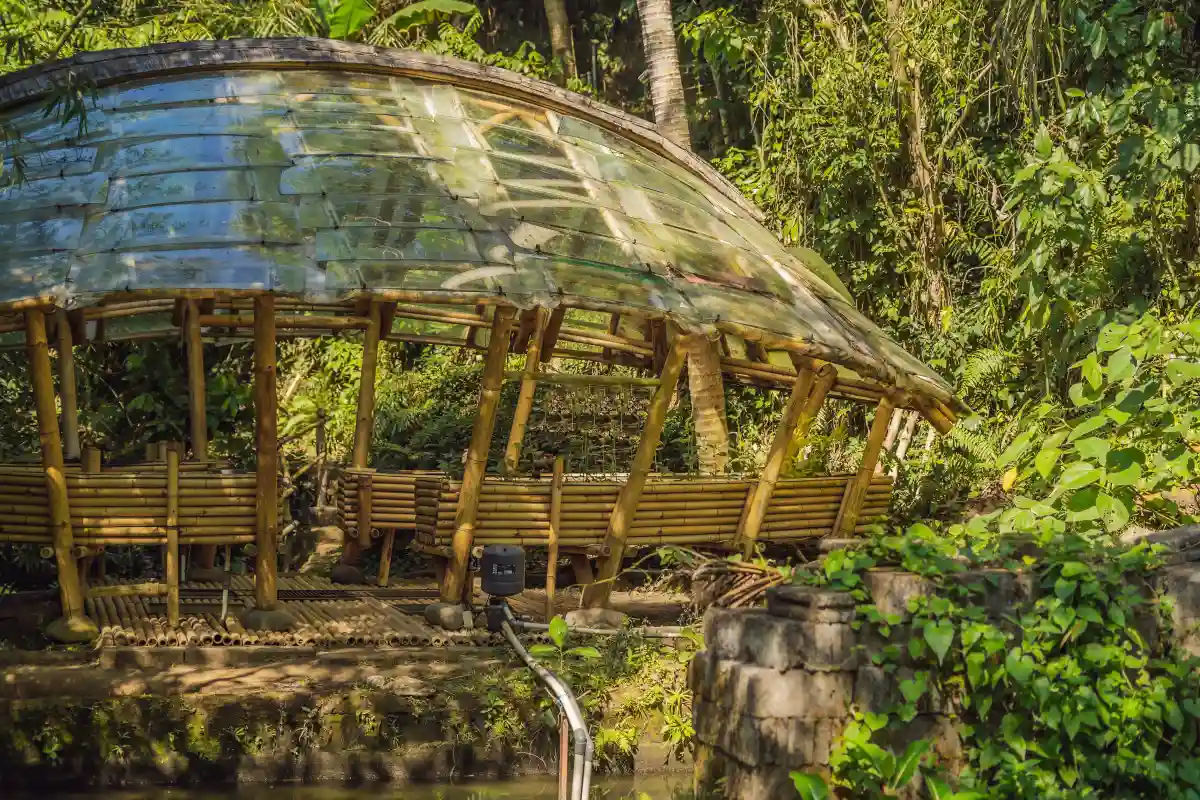
The value comes from connecting these experiences back to academic concepts and encouraging students to ask questions about what they observe.
Designing a Faculty Led Program Around Learning Goals
A strong faculty led travel program should start with academic objectives rather than an itinerary. Before selecting activities, faculty and program partners can identify what students need to learn and how that learning will be assessed. The itinerary can then be designed around those goals. Several principles can help shape the experience.
Define Clear Learning Objectives
Students should know what they are expected to understand or explore before arriving in Bali. Learning objectives might focus on sustainability, cultural heritage, community development, global health, or another academic theme.
Build Local Partnerships
Meaningful experiential learning depends on relationships with local communities, organizations, practitioners, and educators. Local partners can provide perspectives and knowledge that students cannot gain through observation alone.
Create Ethical Engagement
Community engagement should be approached with respect and reciprocity. Students should understand appropriate behavior, cultural context, and the difference between learning with a community and treating a community as a case study.
Read also: Regenerative Tourism in Bali: Simple Ways to Participate
Plan for Safety and Wellbeing
International academic travel requires thoughtful planning around transportation, accommodation, health considerations, emergency procedures, communication, and local conditions. Clear preparation allows students and faculty to focus more fully on the learning experience.
Include Reflection
Experiential learning becomes more meaningful when students have opportunities to process what they experience. Journals, group discussions, reflection assignments, presentations, and faculty led debriefs can help students connect field experiences with academic theory.
Connect the Experience Back to Campus

The learning should continue after students return home. Final projects, presentations, research papers, or classroom discussions can help students apply what they learned in Bali to broader academic and professional contexts.
Sample Study Abroad Themes in Bali
One of the strengths of custom study abroad programs is the ability to shape field experiences around a course’s academic focus. In Bali, the same destination can support very different areas of study depending on what students are there to explore.
Read also: Exploring Bali Cultural Heritage: A Journey Through History and Living Traditions
Sustainable Tourism
Explore how tourism influences local communities, cultural heritage, livelihoods, and the environment, with a focus on responsible and sustainable tourism practices.
Balinese Hindu Culture
Examine how religion shapes everyday life through temple architecture, ceremonies, community traditions, and Balinese concepts of space and spirituality.
Community Health
Connect public health concepts with local perspectives on health, wellbeing, community support, and access to health services.
Traditional Arts and Cultural Heritage
Learn directly from local artisans about woodcarving, textiles, painting, dance, and other traditions while exploring how cultural knowledge is preserved and passed between generations.
Conservation and Environmental Studies
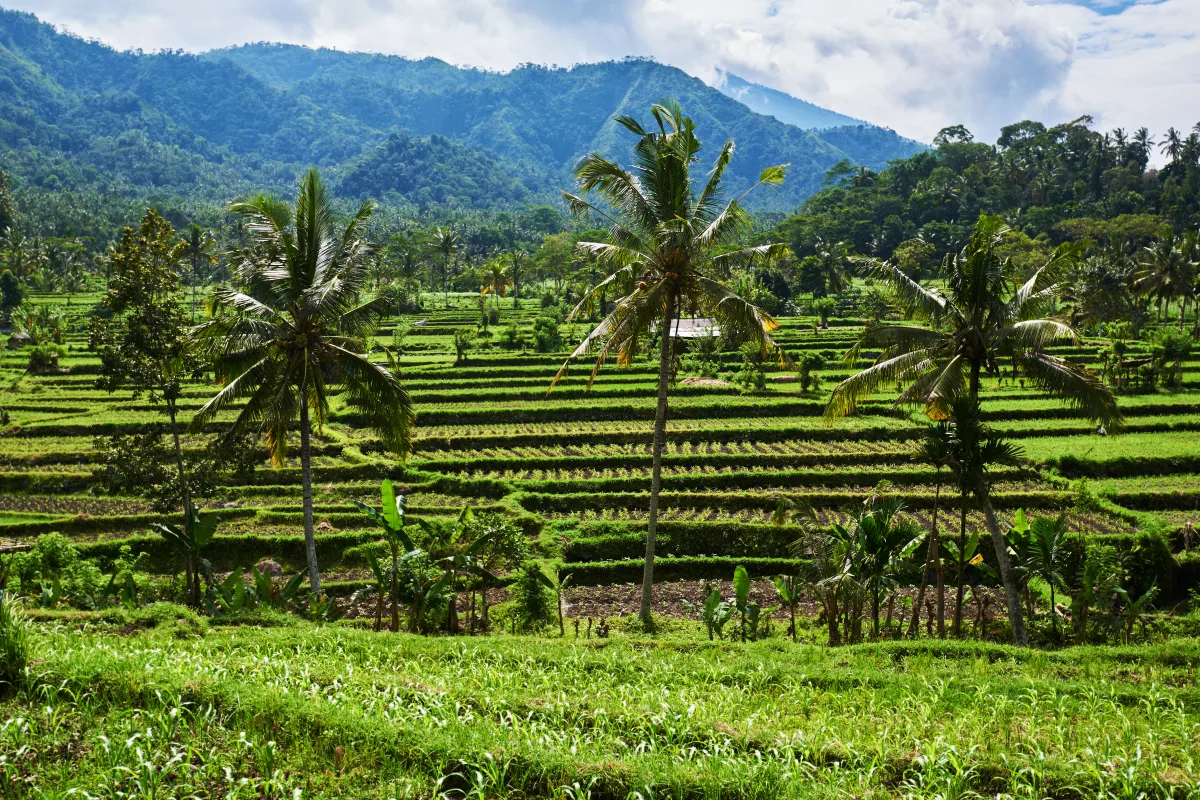
Study Bali’s natural environments through topics such as biodiversity, conservation, agriculture, marine ecosystems, waste management, and sustainable resource use.
Social Enterprise and Community Development
Explore how local businesses, social enterprises, and community organizations address social and environmental challenges while creating economic opportunities.
Intercultural Communication
Use everyday interactions and community experiences to examine cultural values, communication styles, language, and the assumptions that shape cross cultural relationships.
What Students Can Learn Beyond the Classroom
The strongest university study abroad programs in Bali are not measured only by the number of places students visit. Their value comes from what students take away from those experiences.
Through field based learning, students can develop:
- A broader global perspective by engaging with communities and ideas outside their familiar environment.
- Cultural humility by learning to listen, observe, and approach different cultural contexts with openness.
- Systems thinking by seeing how environmental, social, economic, and cultural issues influence one another.
- Sustainability awareness by examining real challenges and local responses in context.
- Applied learning skills by connecting academic theory with observations, conversations, and field experiences.
- Greater confidence and adaptability through navigating unfamiliar environments and working across cultural differences.
Read also: Regenerative Travel in Bali: Meaningful Excursions That Give Back to the Island
These are skills that can continue to shape how students approach their studies, careers, and communities long after the program ends.
Designing Your Faculty Led Study Abroad Program with Bali Institute
At Bali Institute, we partner with universities and faculty to design custom educational programs that seamlessly integrate your academic goals with meaningful, field-based learning. Rather than offering rigid, off-the-shelf itineraries, we collaborate directly with educators to build bespoke experiences centered on specific course objectives and student needs.
Bali offers a rich, complex environment for cross-disciplinary study, spanning cultural heritage, regenerative agriculture, community development, and social impact. Through our deep-rooted local partnerships, students engage in authentic, community-based learning, interacting directly with the leaders and environments tied to their syllabus.
Our University Experience programs are fully tailored to support faculty-led initiatives, incorporating academic field visits, expert guest lectures, cultural immersion, and guided reflection. We adapt the journey to fit your curriculum, never forcing your course into a predetermined mold. The result is a transformative study abroad experience where Bali itself becomes the teacher, ensuring students return home with broadened global perspectives, deeper academic comprehension, and real-world skills that propel their future careers.