A rice paddy field in Bali is easy to recognize. Green terraces, narrow irrigation channels, farmers working among the crops, and coconut trees rising above the landscape have become familiar images of the island. Yet the landscape tells only part of the story.
Bali’s rice fields are working agricultural spaces shaped by water management, farming knowledge, local communities, and generations of rice cultivation. The rice growing in those fields can also tell a more specific story. Traditional varieties such as Padi Bali, injin black rice, and barak red rice are connected to local food traditions, farming practices, and agricultural biodiversity.
Looking beyond the scenery reveals a more complex side of Bali. Rice is not simply a crop or an ingredient. It sits at the intersection of agriculture, culture, food, and community life.
Bali’s Rice Paddy Fields Are More Than a Landscape
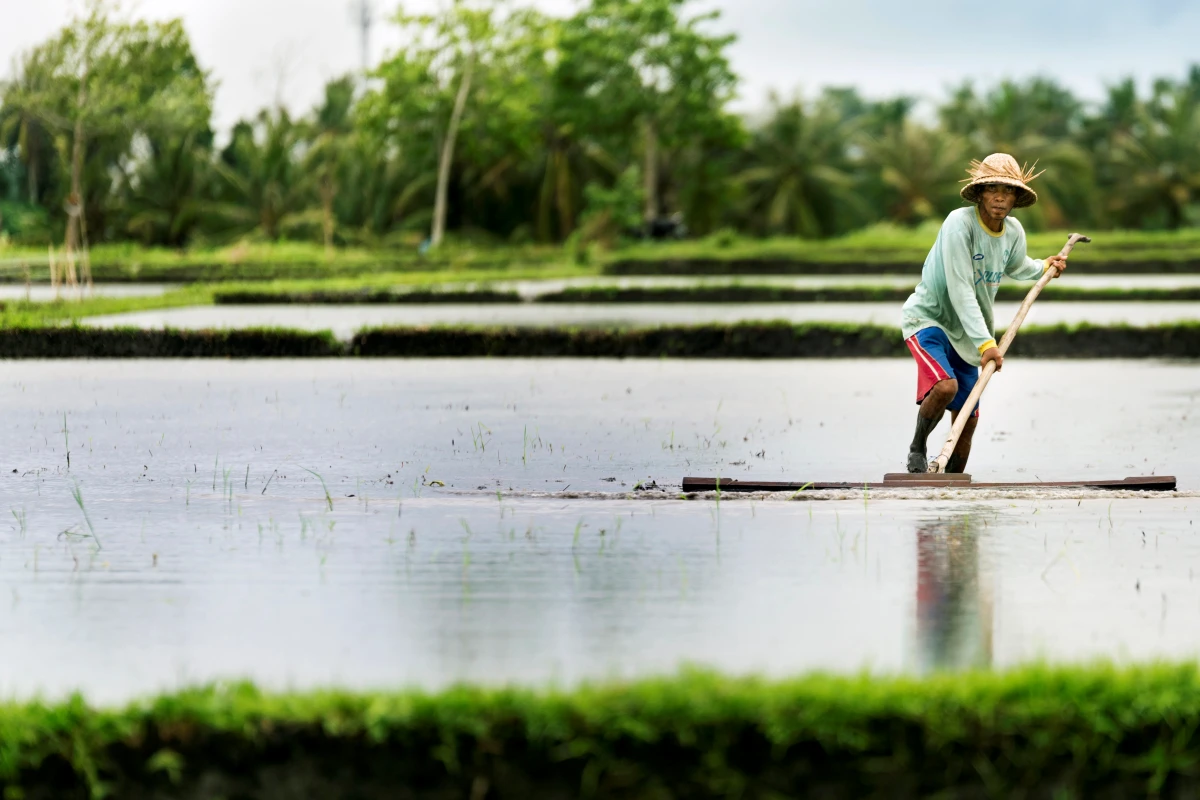
The familiar image of a Bali rice paddy field can make it easy to overlook what happens there. Rice farming requires careful coordination. Farmers need to consider water availability, planting schedules, labor, soil conditions, seeds, pests, and the timing of the harvest. In many parts of Bali, these activities are connected through the subak irrigation system.
Subak brings farmers together to manage irrigation and coordinate agricultural activities. The system also has connections to Balinese religious and social practices, making rice cultivation part of a wider cultural landscape.
UNESCO’s recognition of the Cultural Landscape of Bali describes the subak system as an important example of a traditional irrigation and agricultural management system shaped by the Balinese philosophy of Tri Hita Karana. This context changes the way a rice field can be understood. A field is not simply a scenic backdrop. It is part of a system involving land, water, farmers, communities, and traditions.
Read also: The Subak System
What Is Padi Bali?
Padi Bali refers to traditional or local rice varieties that have been cultivated in Bali over generations. It is not the name of a single variety. Instead, the term covers a diverse group of local rice with different colors, textures, growing cycles, and culinary uses.
Traditional Rice Varieties in Bali
Traditional Balinese rice includes white, red, black, and glutinous varieties. Each has its own characteristics, from the time it takes to mature to how the grain looks, tastes, and is used in local food.
One notable difference between traditional and modern rice is the growing period. Some Padi Bali varieties take considerably longer to mature than newer varieties developed for shorter production cycles. That longer cycle can affect how farmers plan their planting, manage labor and water, and use their land throughout the year.
Modern varieties can offer practical advantages such as faster harvests and higher yields. Traditional varieties, meanwhile, may continue to be valued for their distinctive qualities, culinary uses, and connections to local farming traditions.
The story of Padi Bali is therefore not simply about preserving an old type of rice. It is about understanding the different varieties that have shaped Bali’s food culture and farming heritage, as well as the practical choices farmers make about what to grow today.
Traditional Balinese Rice Varieties
Traditional rice varieties offer a closer look at Bali’s farming and food heritage. Two well-known examples are injin black rice and barak red rice.
Injin Black Rice
Injin is a traditional Balinese black rice known for its dark color and distinctive texture. It is commonly used to make bubuh injin, a sweet black rice porridge served with coconut milk and palm sugar. Its culinary use shows how different rice varieties have developed specific roles in traditional Balinese food.
Barak Red Rice
Barak Cenana is a local red rice variety associated with Tabanan, including the Jatiluwih area. It is known for its red grain and longer growing period compared with many modern rice varieties. Like injin, barak is part of Bali’s wider rice diversity, connecting local farming practices with food traditions and cultural heritage.
Read also: Bali Tropical Fruits
Why Traditional Rice Varieties Matter
Traditional rice varieties are valuable because they help preserve agricultural biodiversity and the farming knowledge connected to Bali’s food heritage.
Agricultural Biodiversity
Growing different rice varieties helps maintain genetic diversity. Local varieties may also carry characteristics that are useful for adapting rice to different environments and changing farming conditions.
Preserving Traditional Farming Knowledge
Each rice variety comes with knowledge about planting, water management, harvesting, and seed selection. Continued cultivation helps keep this knowledge alive and pass it between generations.
The value of traditional rice, therefore, extends beyond the grain itself. It can also preserve farming practices, food traditions, and cultural knowledge connected to Bali’s agricultural heritage.
Read also: Tri Hita Karana
Why Do Farmers Choose Traditional or Modern Rice?
Traditional rice is not always the most practical option for farmers. Agricultural decisions involve real economic considerations. A variety that takes several months to mature may be less attractive when a shorter-growing variety can produce a harvest sooner.
Growing Time and Yield
Growing time and expected yield can influence what farmers plant. Modern varieties have often been developed to provide shorter production cycles, higher yields, or other characteristics that can make cultivation more efficient.
Labor and Water
Labor availability and access to water also matter. Different varieties can require different approaches to cultivation, while longer growing periods can affect how farmers plan their agricultural calendar.
Market Demand
Farmers also need to consider whether there is a market for what they produce. Traditional varieties can have distinctive characteristics that appeal to particular consumers, restaurants, or local food producers. However, demand can vary depending on price, availability, taste, and consumer preferences.
Research into rice preferences in Bali has found that characteristics such as aroma, taste, texture, and appearance can influence how consumers perceive different varieties. The relationship between traditional and modern rice is therefore more complicated than choosing one over the other. Farmers are balancing productivity, income, food preferences, environmental conditions, and cultural value.
From Bali’s Rice Fields to the Kitchen
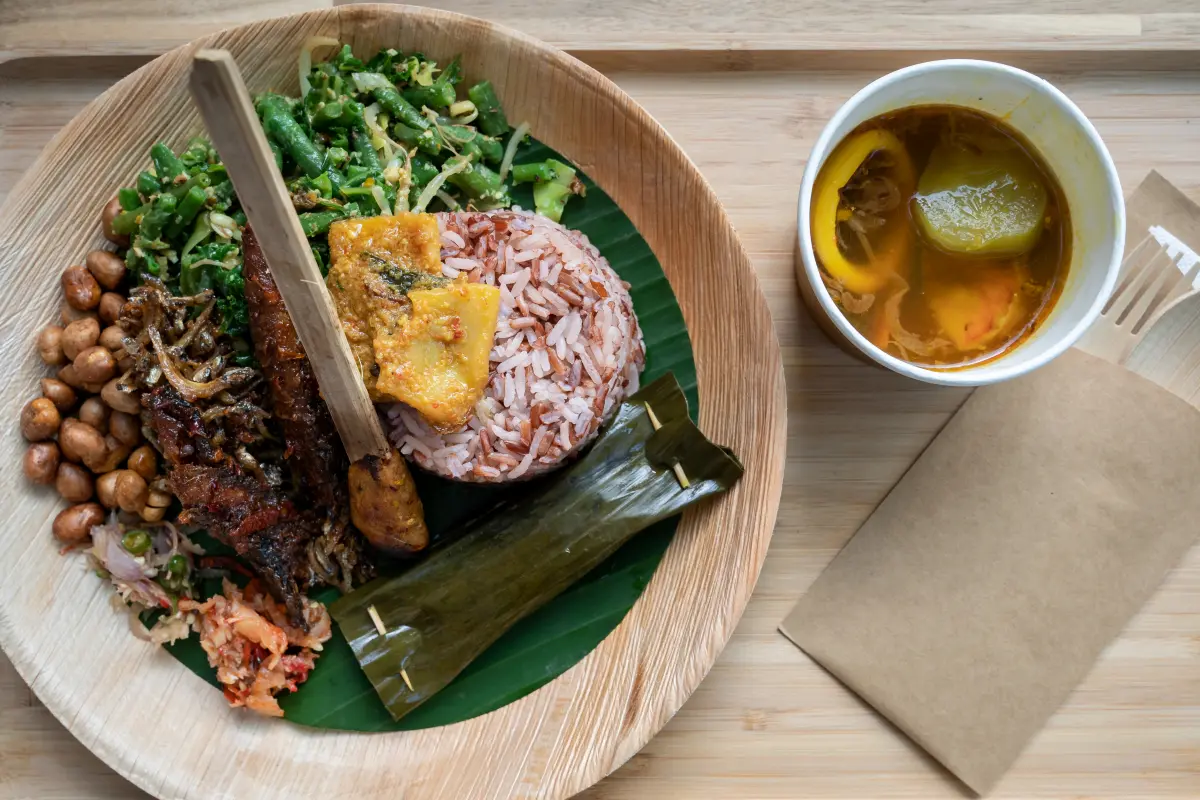
Rice becomes part of Bali’s cultural story again once it reaches the kitchen. Different varieties can have different culinary roles. White rice is widely used as a staple, red rice can be served as part of everyday meals, and black rice such as injin is used in traditional sweet dishes.
Rice and Balinese Culinary Heritage
This connection between Padi Bali and traditional Balinese food shows why agricultural heritage and culinary heritage are closely linked. The variety of rice can affect texture, aroma, cooking characteristics, and the type of dish it is suited for. A traditional dish can therefore preserve part of the story of the crop behind it.
Read also: Bali Local Foods
Tracing Rice From Field to Plate
The journey can be viewed as a simple chain:
seed → field → harvest → processing → kitchen → plate
Each stage involves people and knowledge. Following that journey can reveal how farmers, irrigation systems, markets, cooks, and consumers are connected through one of Bali’s most important crops.
Rice Paddy Fields as Experiential Learning Spaces
A visit to a Bali rice paddy field can become much more than a scenic activity. The landscape provides a practical setting to explore agriculture, biodiversity, food systems, and cultural heritage.
Start With the Rice
Identify what is actually growing in the field. Ask whether it is a traditional local variety or a modern variety.
Talk to Farmers
Conversations with farmers can reveal why a particular variety was selected. Growing time, expected yield, labor, water availability, seed access, and market demand may all be part of the decision.
Follow the Water
Learning about irrigation provides another perspective on rice cultivation. Students can explore how water reaches individual fields and how farmers coordinate access through the subak system.
Follow the Harvest
The learning does not need to stop at the field. Exploring how rice is harvested, dried, processed, stored, and distributed can reveal the wider food system.
Connect the Grain With Food
Tasting different rice varieties can provide another layer of observation. Differences in color, texture, aroma, and culinary use can help connect agricultural diversity with food culture.
Read also: Experiential Education in Bali
Questions to Ask During a Rice Field Visit
A field visit becomes more useful when observation is paired with questions. Here are some sample questions that you could ask during a rice field visit.
Agriculture
- What rice variety is growing here?
- How long does it take to mature?
- What conditions does it require?
- Farmers and Livelihoods
- Why was this variety chosen?
- How much labor does it require?
- What makes one variety more economically attractive than another?
Culture
- Does this rice have a connection to local ceremonies or traditions?
- How has farming knowledge been passed between generations?
Food
- How is this variety usually cooked?
- Which traditional dishes use it?
- Do consumers have different preferences for different types of rice?
Change
- Are traditional varieties becoming less common?
- How are modern farming practices changing rice cultivation?
- What role does tourism play in the future of agricultural land?
These questions turn a familiar landscape into a living classroom.
How to Experience Bali’s Rice Heritage Responsibly
Bali’s rice fields are part of an agricultural system that supports both local communities and food traditions. A responsible visit means enjoying the landscape without leaving a negative impact on the fields or the people who work there.
Stay on Appropriate Paths
Stick to designated paths and avoid walking through planted areas, irrigation channels, or freshly cultivated fields. Crops can be easily damaged, even when the field looks accessible.
Take Your Trash With You
Do not leave plastic bottles, food packaging, cigarette butts, or other waste in or around the rice fields. Bring reusable items when possible and use available bins. Keeping the area clean also helps protect the irrigation system and surrounding farmland.
Ask Before Photographing People
If farmers or local residents are working nearby, ask before taking their photographs. The same applies to photographing private homes or activities taking place around the fields.
Learn From the People Who Farm There
A local guide or farmer can explain how rice is cultivated, how water is managed, and why different rice varieties are grown. Listening to local knowledge gives more context to what you see in the field.
Support the Local Food System
Connect the experience back to Bali’s food heritage by trying dishes made with local rice or purchasing agricultural products from local producers. This helps show that the value of a rice field extends from the farm to the kitchen.
Read also: Regenerative Tourism in Bali
Seeing Bali’s Rice Fields Differently
A rice paddy field in Bali may look simple from a distance, but a closer look reveals an interconnected story. Padi Bali and traditional varieties such as injin and barak connect the landscape with agricultural biodiversity, farming knowledge, food traditions, and changing economic realities. Modern varieties form another part of the story, reflecting farmers’ need to balance growing time, yield, labor, markets, and consumer demand.
The next time a rice field catches your attention, look beyond the terraces. Ask what is growing there, how it is cultivated, where the water comes from, and what eventually happens to the harvest. Tracing rice from field to plate can turn a familiar Bali landscape into an opportunity to learn about agriculture, culture, food, and the communities that continue to sustain them.
For those who want to explore these connections more deeply, Bali Institute brings field-based learning into its University Experiences and Adult Learning Journeys. These programs create opportunities to experience Bali as a living classroom, connecting landscapes such as rice fields with broader questions about sustainability, cultural heritage, local knowledge, and community life.