Balinese textiles are much more than colorful souvenirs; they are woven records of the island’s cultural identity, ceremonial life, and artisan heritage. Across Bali, traditional fabrics dictate temple dress codes, anchor religious ceremonies, and connect families to their ancestral roots.
Among the most significant of these is Endek, a traditional Balinese ikat fabric renowned for its intricate motifs and complex hand-weaving techniques. For conscious travelers and students, exploring traditional Balinese textiles offers a profound window into the artisan communities behind the loom. It reveals not only the meticulous skill required for every thread but also why preserving this sustainable, intergenerational craftsmanship is vital to Bali’s future.
What Are Balinese Textiles?
Balinese textiles include a variety of traditionally woven fabrics, each with its own techniques, patterns, and cultural uses. Some are closely associated with particular communities or ceremonies, while others have become part of contemporary Balinese clothing and design.
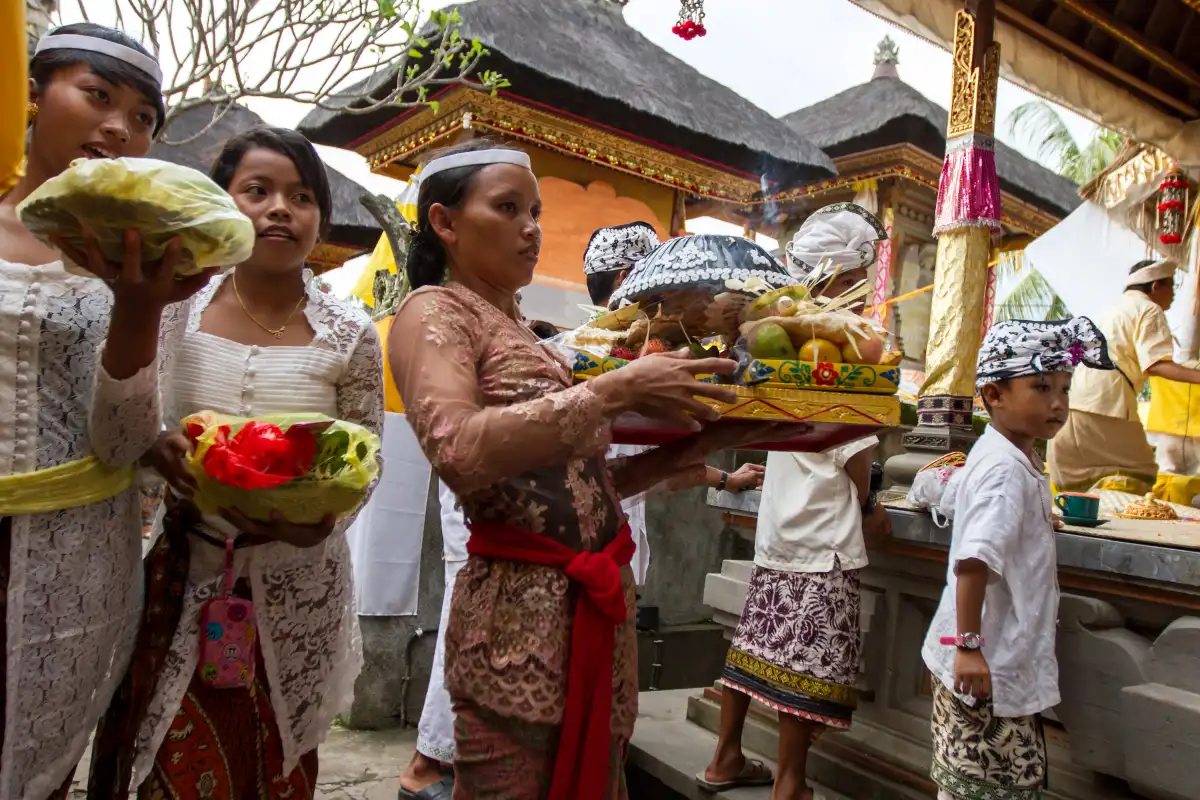
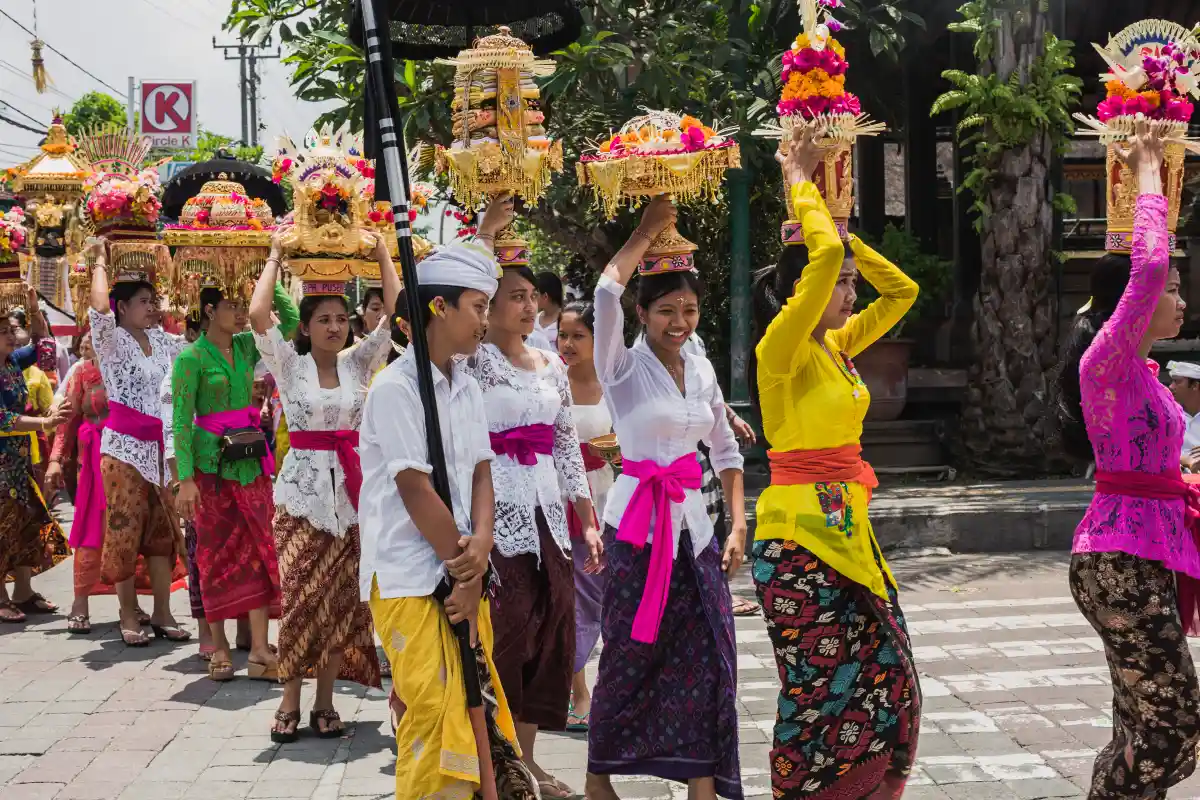
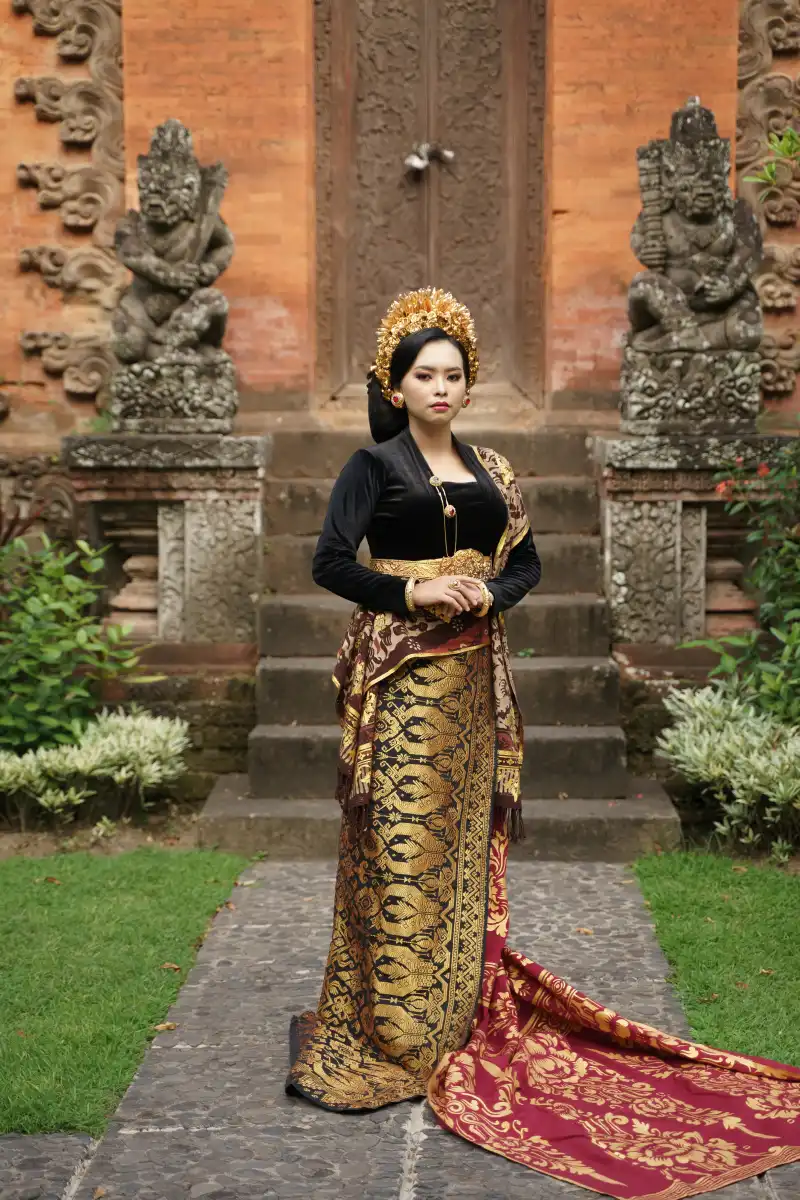
Textiles can be worn during temple ceremonies, religious celebrations, family events, and other important occasions. The way a fabric is worn can also depend on the context, making traditional cloth part of both personal and communal life.
For many artisans, weaving is also a livelihood and a skill passed down within families. The value of a traditional textile therefore extends beyond its appearance. It reflects the time, knowledge, and cultural practices involved in making it.
Read also: A Guide to Traditional Balinese Clothing: Meaning, Styles, and When to Wear Them
Endek Weaving: A Traditional Balinese Ikat
Endek is one of Bali’s best known traditional textiles. It is a form of ikat weaving, where threads are patterned through a process that involves tying and dyeing sections of yarn before they are woven into cloth.
The process requires careful planning. Threads are prepared and tied according to the intended pattern, then dyed before being arranged on the loom. As the threads are woven together, the pattern gradually appears in the finished fabric. This process requires precision and experience. Small differences in how the threads are tied, dyed, or positioned can affect the final pattern.
Endek designs can vary between producers and regions, and contemporary weavers have also introduced new colors and patterns while continuing to use traditional techniques. This combination of continuity and adaptation has helped Endek weaving remain relevant in modern Bali.
Read also: Sidemen Bali: A Slow Travel Guide to Village Life, Rice Fields, and Meaningful Learning
Balinese Textiles as Cultural Knowledge
A piece of traditional Balinese fabric can tell a story about more than its technique. Textiles may be connected to religious ceremonies, social identity, family traditions, and important stages of life. Certain fabrics and patterns may carry particular meanings or be associated with specific cultural contexts.
The knowledge required to create these textiles is also part of Bali’s cultural heritage. Weaving involves understanding materials, patterns, dyeing, loom techniques, and the patience required to produce handmade cloth. Much of this knowledge is learned through practice. Younger generations can learn by working alongside experienced family members or artisans, allowing techniques to continue beyond a single generation.
Read also: Balinese Batik: Sustainable Craft, Ethical Shopping, and What to Look For
Why Handmade Balinese Fabric Matters
Handwoven textiles take time. Unlike mass produced fabric, traditional weaving involves skilled labor at multiple stages of production, from preparing the yarn to creating patterns and operating the loom.
Understanding this process changes how a finished textile is viewed. A piece of Balinese fabric represents not only the final design but also the knowledge, labor, and time invested by the artisan. Supporting traditional textile production can therefore contribute to the continuation of artisan skills and provide livelihoods for communities that maintain these practices.
How to Buy Balinese Textiles Responsibly
Buying traditional fabric can be part of a meaningful cultural experience when you take the time to understand what you’re purchasing.
When shopping for Balinese textiles, consider:
- Buy from artisans or reputable local producers who can explain where and how the fabric was made.
- Ask about the technique, such as whether the textile is handwoven, machine made, or produced using a combination of methods.
- Learn about the origin of the fabric and the community or artisan behind it.
- Avoid aggressive bargaining, particularly when purchasing handmade work.
- Consider quality over quantity and choose pieces you will use and appreciate for years.
- Care for the textile properly to extend its life and reduce unnecessary consumption.
Read also: 9 Tips for Sustainable Products Shopping in Bali
Responsible textile shopping is not about finding the cheapest fabric. It is about understanding the work behind it and making informed choices that respect artisan knowledge.
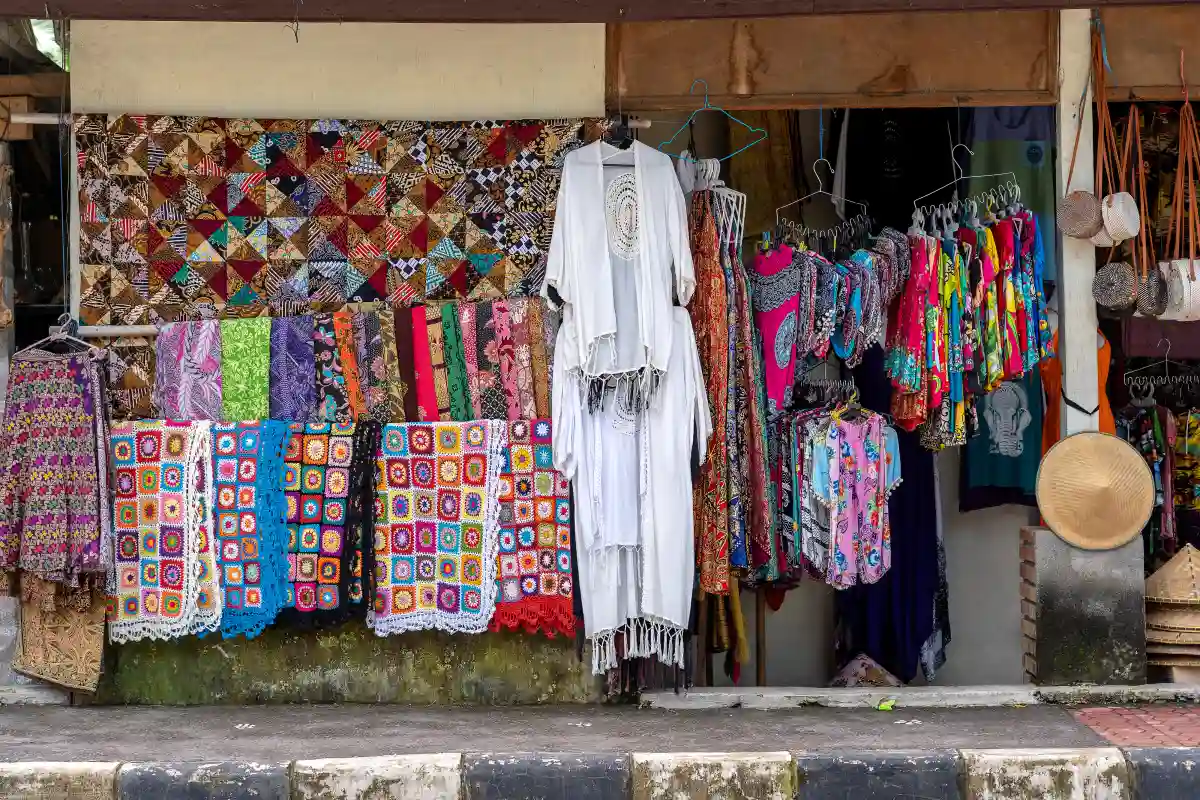
What Can We Learn from Balinese Textiles?
Exploring traditional Balinese weaving reveals connections between creativity, cultural identity, ceremony, and local livelihoods. Textiles show how knowledge can be passed between generations while still adapting to contemporary life. They also demonstrate how traditional crafts can provide economic opportunities while keeping cultural practices visible and relevant.
For anyone interested in sustainable craft and slow fashion in Bali, traditional textiles offer an important perspective. Sustainability can also mean valuing skilled human work, caring for what we already own, and supporting craft traditions that take time to produce.
Experience Bali’s Textile Heritage with Bali Institute
Traditional textiles offer a tangible, hands-on pathway to understanding Bali’s cultural heritage and artisan knowledge. At Bali Institute, we design immersive experiential learning programs that connect international groups directly with the local weaving communities keeping these ancient crafts alive.
Exploring textiles like Endek opens up critical conversations about cultural identity, ethical fashion, and sustainable village livelihoods. Our participants witness firsthand how intergenerational weaving knowledge is preserved and how local artisans adapt their heritage craft to thrive in a modern economy.
Whether you are planning a Teen Exploration introducing high school students to global arts, a faculty-led University Experience examining anthropology and sustainable design, an Adult Learning Journey focused on deep cultural immersion, or a Customized CSR Group Tour centered on responsible craft and community engagement, we tailor our itineraries to your specific educational goals. Connecting directly with local artisans allows participants to see exactly how traditional textiles weave together knowledge, identity, and sustainable livelihoods in Bali.