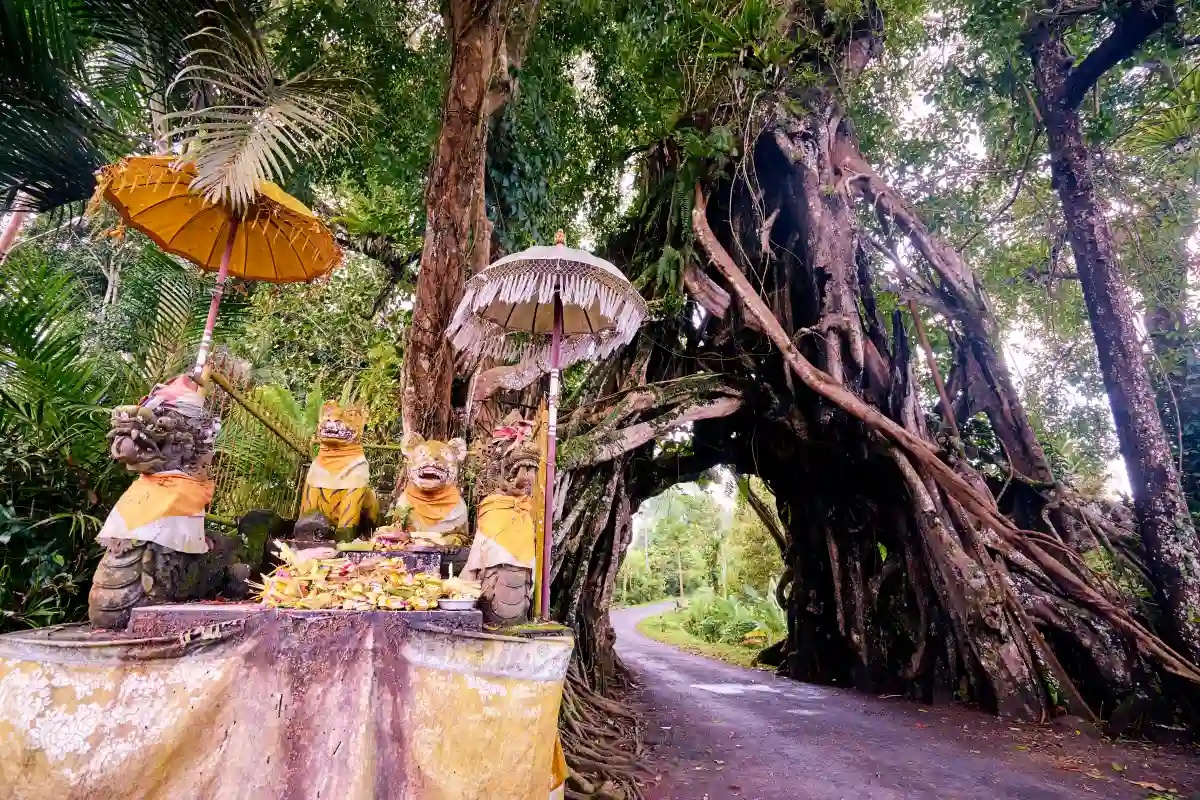
Bali is often celebrated for its temples, rice terraces, and vibrant cultural traditions, but the island’s heritage extends beyond its landscapes and architecture. It is also reflected in the native animals that have lived alongside Balinese communities for generations. Among them is the Kintamani dog, Bali’s only internationally recognized dog breed and an important part of the island’s cultural identity.
Originating in the cool highlands of Kintamani, this mountain dog has adapted to Bali’s volcanic environment over centuries. Today, it represents more than a unique breed. It reflects the close relationship between local communities, nature, and the animals that have long played a role in daily life.
As interest in ethical tourism and Bali wildlife volunteering continues to grow, learning about the Kintamani dog offers visitors an opportunity to better understand responsible animal welfare, conservation, and community-based travel.
Meet the Kintamani Dog
The Kintamani dog is Bali’s native dog breed, originating from the cool highlands around Mount Batur in Bangli Regency. Having lived alongside local communities for centuries, the breed has naturally adapted to the region’s mountain climate and rugged landscape.
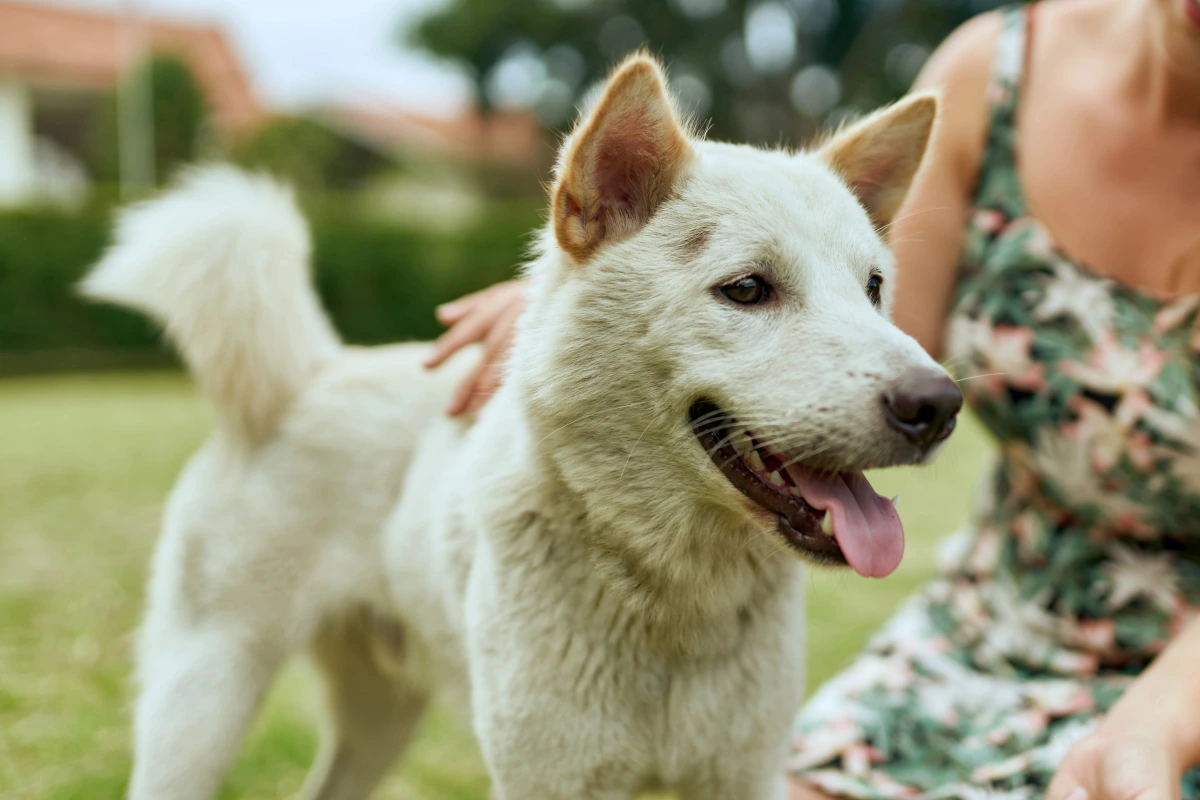
Known for their thick double coat, fox-like face, upright ears, curled tail, and agile build, Kintamani dogs are both distinctive and well suited to life in the highlands. They are intelligent, alert, and loyal, making them trusted companions and natural guardians of village homes.
In 2019, the Federation Cynologique Internationale (FCI) officially recognized the Kintamani dog as Indonesia’s first internationally recognized native breed. This milestone brought global attention to one of Bali’s living heritage animals and highlighted the importance of protecting its unique genetic identity.
Read also: Bali Animals and Where to See Bali’s Unique Wildlife
More Than a Companion: A Guardian of Village Life
For generations, Kintamani dogs have lived alongside Balinese families, serving as loyal companions and guardians of homes, farms, and villages.
In many mountain communities, these dogs naturally patrol village boundaries and alert residents to unfamiliar visitors or wildlife. Their alert nature and strong territorial instincts have made them trusted protectors, particularly in rural areas where close relationships between people and animals remain an important part of everyday life.
Beyond their practical role, dogs also hold cultural meaning within Balinese society. In Balinese Hindu philosophy, animals are regarded as part of the balance between humans, nature, and the spiritual world. Caring for them reflects the values of respect, harmony, and shared responsibility that continue to shape many village communities today.
The Kintamani dog therefore represents more than a native breed. It is part of Bali’s living cultural heritage.
Challenges Facing the Kintamani Dog
Despite international recognition, the future of the Kintamani dog still depends on ongoing conservation and responsible breeding efforts.
Genetic Dilution
One of the greatest challenges is crossbreeding with imported dog breeds. As more non-native dogs have been introduced to Bali, maintaining the distinct genetic characteristics of the Kintamani dog has become increasingly difficult. Responsible breeding programs work to preserve the breed’s unique traits while maintaining healthy genetic diversity.
Changing Communities and Lifestyles
As Bali continues to develop, lifestyles in many communities have changed. Urbanisation, changing housing patterns, and shifting economic priorities have altered the traditional relationship between families and village dogs.
While many communities continue to care for local dogs, these changes can make long-term breed preservation more challenging.
Animal Welfare Challenges
Like many destinations around the world, Bali continues to address broader animal welfare issues, including abandoned dogs, access to veterinary care, vaccination programs, and public education about responsible pet ownership.
Supporting ethical organisations that focus on education, sterilisation, vaccination, and community engagement contributes to healthier dog populations while respecting local communities.
Read also: Bali Sea Turtle Conservation: How You Can Help Protect Marine Life
How to Interact Responsibly with Bali Dogs
Whether you’re exploring Kintamani’s mountain villages or other parts of Bali, you’re likely to come across local dogs. Many are familiar with people, but they are also part of the local community and should be treated with respect. A thoughtful approach helps protect both the animals and the traditions of the villages they call home.
When you encounter Bali dogs, keep these simple guidelines in mind:
- Observe before interacting. Allow the dogs to approach you rather than trying to pet or handle them. Some are friendly, while others are naturally protective of their territory.
- Avoid feeding local dogs. Unless advised by local caretakers or animal welfare organisations, feeding dogs can disrupt their routines and the way they are cared for within the community.
- Respect their natural behaviour. If you see puppies, avoid separating them from their mother or encouraging them to follow you. Keeping a respectful distance helps minimise stress for the animals.
- Be a considerate visitor. Watch quietly, avoid sudden movements, and remember that these dogs are an important part of village life, not tourist attractions.
By interacting responsibly, visitors can help support animal welfare while respecting the communities where Bali’s native dogs have lived for generations.
Supporting Ethical Conservation in Kintamani
Travellers interested in regenerative Kintamani travel can contribute positively by supporting initiatives that prioritise both animal welfare and local communities such as Bali Animal Wellfare Association and Bali Pet Crusaders.
Ethical conservation efforts often focus on:
- Community education about responsible pet ownership.
- Vaccination and sterilisation programs.
- Responsible breeding practices that preserve the Kintamani breed.
- Veterinary outreach in rural villages.
- Partnerships between local communities and animal welfare organisations.
Some organisations also offer educational visits and volunteering opportunities that allow travellers to learn about Bali’s native animals while contributing to long-term conservation goals. Choosing programmes that work alongside local communities helps ensure tourism creates lasting positive impact rather than short-term disruption.
Read also: Bali Animal Conservation Guide: Sanctuaries, Wildlife Projects, and Ethical Tourism
Discovering the Different Side of Bali
Kintamani dog reminds us that some of Bali’s most meaningful lessons are found in its everyday landscapes and communities. Understanding the island’s native wildlife offers another way to appreciate the connections between culture, nature, and conservation.
Bali’s story extends far beyond its famous temples and beaches. At Bali Institute, we design custom experiential learning programs that introduce participants to the island’s biodiversity, cultural heritage, and community initiatives through meaningful local experiences. Whether exploring native wildlife like the Kintamani dog, learning from conservation practitioners, or engaging with community based sustainability projects, every program is tailored to your learning objectives. From Teen Exploration and University Experience programs to Adult Learning Journeys and Customized CSR Group Programs, we help create educational experiences that foster curiosity, cultural understanding, and responsible travel.