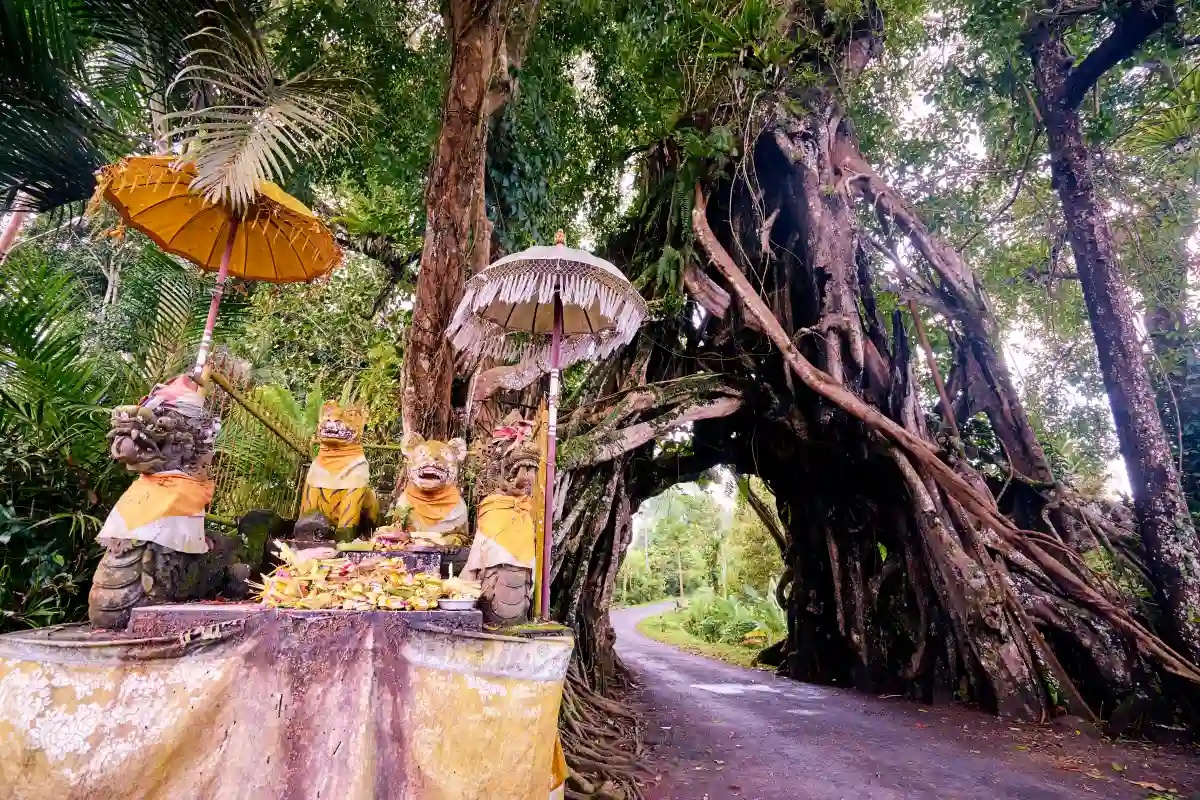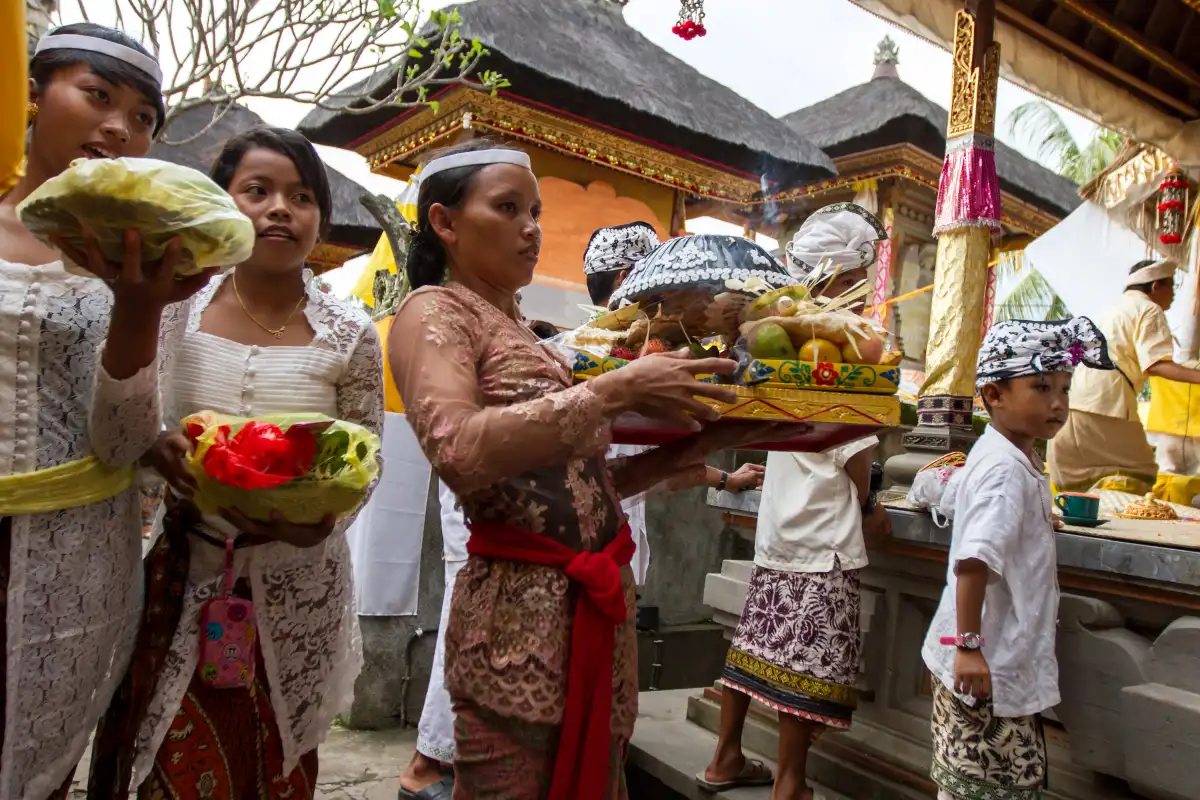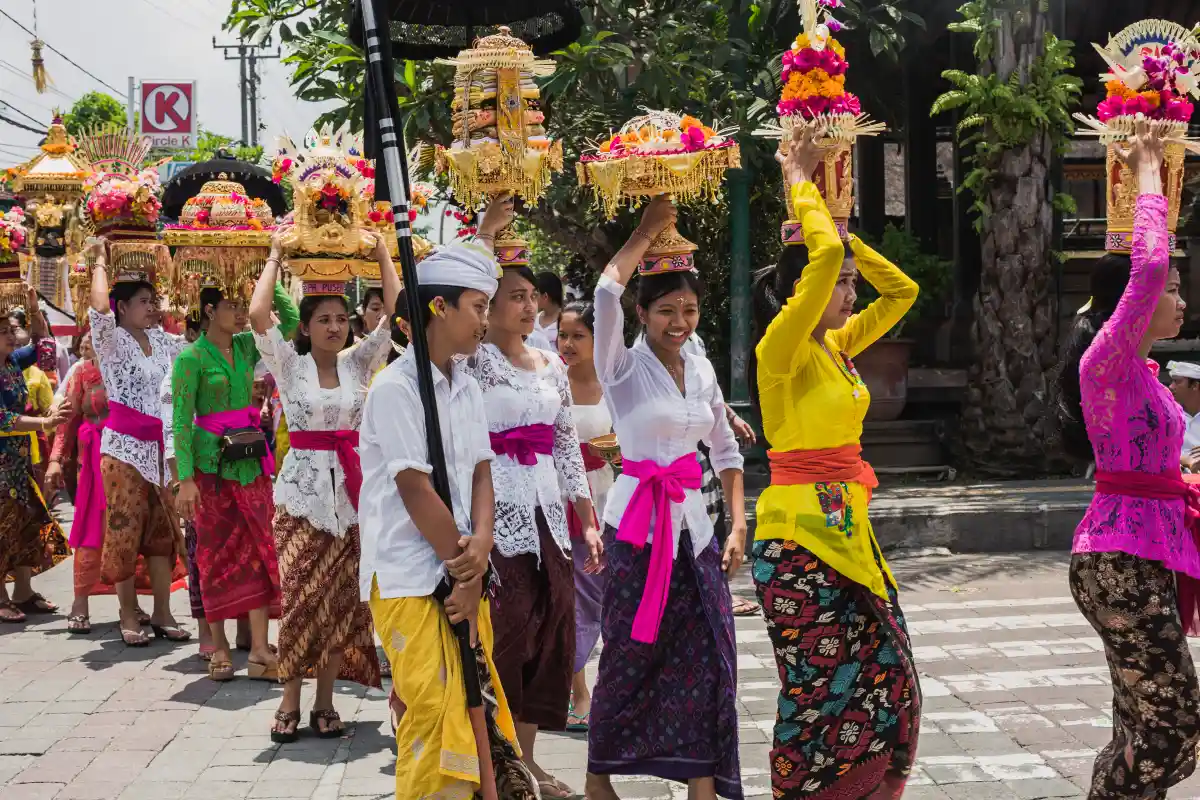
Among Bali’s intricate ceremonial cycles, Saraswati Day holds profound significance as a dedicated celebration of knowledge, wisdom, and the arts. Honoring Dewi Saraswati, the Hindu goddess of learning and literature, this sacred day occurs every 210 days on the Balinese Pawukon calendar. More than a religious observance, this celebration embodies the core tenets of global citizenship education. It teaches that true wisdom is measured not merely by academic achievement, but by how one applies knowledge to uplift society, maintain ethical balance, and preserve cultural continuity.
For academic cohorts engaging in experiential learning abroad, Saraswati Day offers an invaluable, real-world lesson on how the Balinese community reveres intellectual growth and seamlessly integrates it with spiritual and social duty. For institutions designing custom faculty-led study abroad programs or group student trips, Saraswati Day provides a remarkable cultural lens through which to explore indigenous educational philosophies. During this time, sacred lontar manuscripts, books, and modern educational tools are blessed with offerings, reflecting the deeply held belief that knowledge is both a divine gift and a lifelong responsibility.
What Is Saraswati Day?
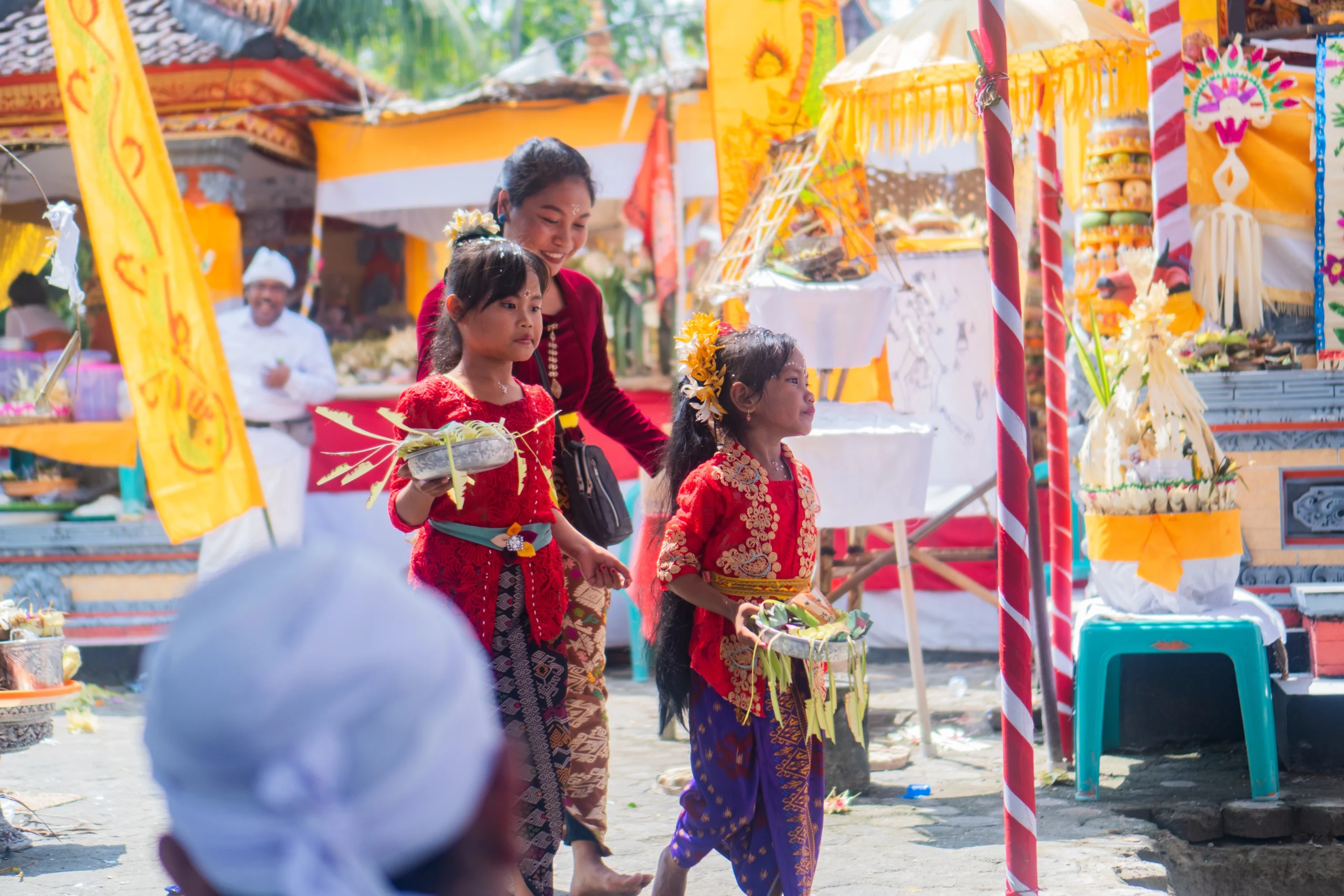
Saraswati Day is a holy day dedicated to Dewi Saraswati, the goddess of knowledge, wisdom, speech, literature, and the arts. Unlike celebrations that focus on historical events, Saraswati Day is an occasion to reflect on the importance of learning itself. Schools, temples, libraries, homes, and educational institutions across Bali prepare offerings and prayers as expressions of gratitude for the knowledge that enables people to grow, create, and contribute to society.
Books, lontar manuscripts, writing tools, and sacred texts are treated with particular respect during the ceremony because they are viewed as vessels of knowledge rather than ordinary objects. This perspective reflects an important principle within Balinese philosophy: knowledge should be pursued with humility and used for the benefit of others.
Learning Beyond the Classroom
One reason Saraswati Day remains relevant today is that it celebrates learning in its broadest sense. Knowledge is found not only in schools and universities but also in traditional craftsmanship, oral histories, farming practices, performing arts, and community customs that have shaped Bali for centuries.
Many of these traditions continue to be preserved through families, artisans, religious leaders, and village communities, demonstrating that education happens in everyday life as much as it does in formal institutions.
This broader understanding of learning is one reason Saraswati Day resonates with educators and educational travellers alike. It highlights the importance of preserving knowledge systems that connect people to culture, identity, and place.
Read more: The Religious Importance of Mount Agung in Balinese Hindu Tradition
A Living Cultural Calendar
Saraswati Day is celebrated every 210 days according to Bali’s Pawukon calendar, a traditional calendar that determines the timing of many Balinese religious ceremonies.
Upcoming observances include:
- Saturday, 31 October 2026
- Saturday, 29 May 2027
- Saturday, 25 December 2027
The ceremony is followed by Banyu Pinaruh, a purification day during which many Balinese visit the sea or holy springs. The ritual symbolises cleansing the mind so that knowledge can be received with greater clarity and wisdom.
Other ceremonies in the same cycle, including Soma Ribek, Sabuh Mas, and Pagerwesi, continue the philosophical journey by connecting knowledge with prosperity, resilience, and spiritual protection.
Experiencing Saraswati Day as a Respectful Visitor
If you’re visiting Bali during Saraswati Day, you may notice temples, schools, and even libraries decorated with offerings as communities gather to honour knowledge and learning. While these ceremonies can be fascinating to witness, they are first and foremost sacred moments for Balinese Hindus rather than public performances.
One of the best ways to experience Saraswati Day in Bali is to observe with curiosity and respect. Take time to learn the meaning behind the offerings, prayers, and rituals instead of simply photographing them. Understanding why books, lontar manuscripts, and learning materials are honoured offers a deeper appreciation of Balinese culture and the values that continue to shape everyday life on the island.
Practising good Bali ceremony etiquette is equally important. Dress modestly when visiting temples or community spaces, ask permission before photographing people or ceremonies, and never touch offerings, sacred objects, or books that have been prepared for worship. These simple gestures demonstrate respect for local traditions and reflect the principles of responsible cultural tourism.
By approaching Saraswati Day as a learning experience rather than a sightseeing opportunity, visitors gain more than memorable photographs, they leave with a greater understanding of the cultural values and knowledge systems that have helped preserve Bali’s rich heritage for generations.
Why Saraswati Day Remains Relevant in Modern Bali
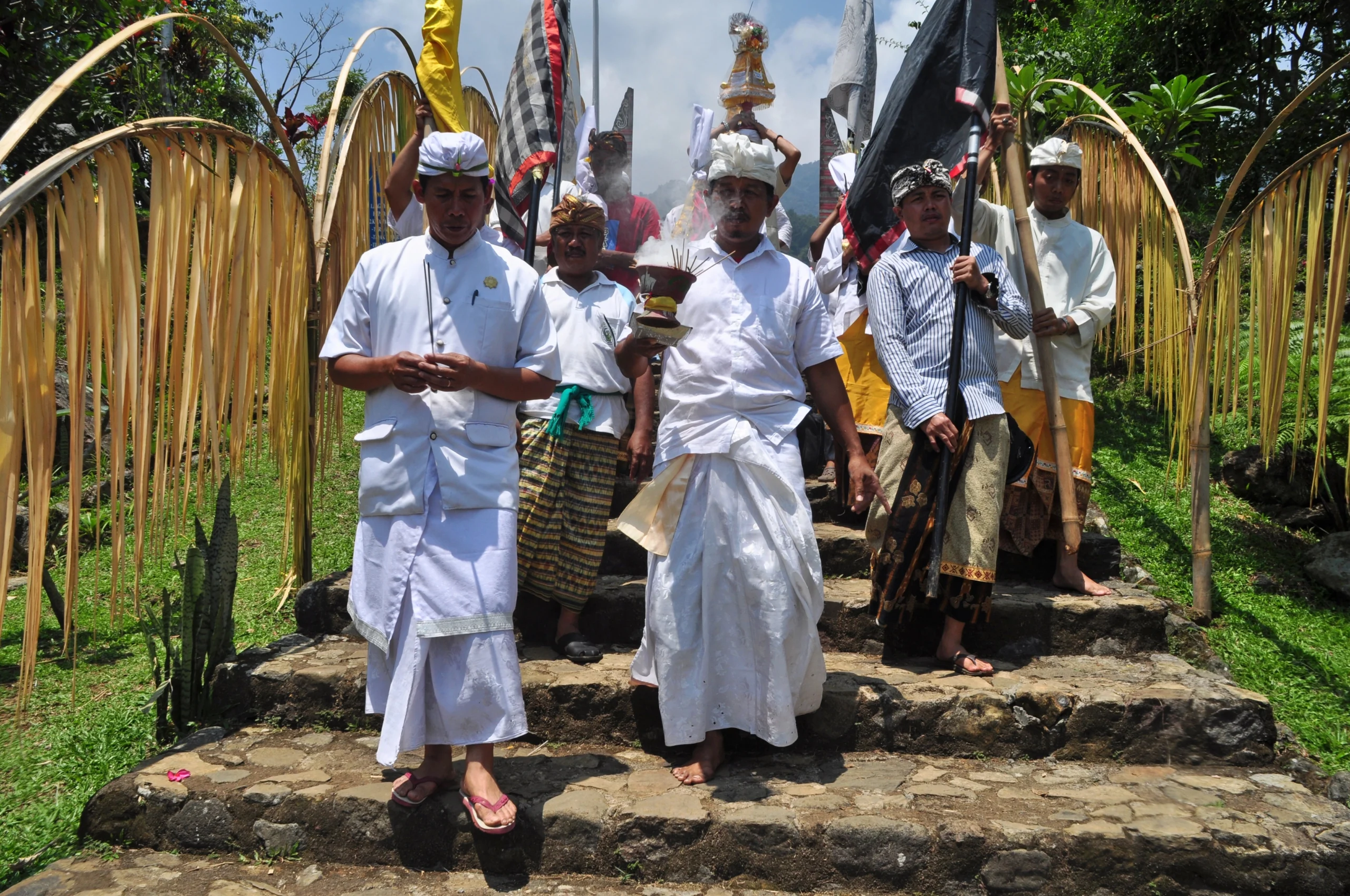
Saraswati Day in Bali continues to hold importance because it represents more than a religious ceremony. It reflects the Balinese belief that knowledge should be respected, shared, and used responsibly. These values remain deeply connected to learning in Balinese society, where education is seen not only as personal development but also as a way to strengthen communities and preserve cultural identity.
As Bali changes through modernisation and global influences, Saraswati Day highlights the importance of protecting the knowledge systems that have shaped the island for generations. Traditional arts, lontar manuscripts, language, rituals, and local customs are preserved because they are actively passed down through families, teachers, artisans, and community leaders.
For Balinese culture, preserving knowledge means preserving the stories, values, and practices that define the island. This is why Saraswati Day remains an important part of cultural preservation in Bali, it honours not only what has been learned from the past but also the responsibility of future generations to continue that knowledge.
Experiencing Saraswati Day offers a deeper understanding of Balinese traditions and philosophy beyond what can be seen on the surface. It encourages travellers to view culture as something living and evolving, making it an important lesson for those interested in responsible cultural tourism in Bali.
Frequently Asked Questions
What is Saraswati Day in Bali?
Saraswati Day is a Balinese Hindu holy day dedicated to Dewi Saraswati, the goddess of knowledge, wisdom, literature, speech, and the arts.
When is Saraswati Day celebrated?
It follows the Pawukon calendar, occurring every 210 days. In 2026, it falls on 4 April and 31 October. In 2027, it is celebrated on 29 May and 25 December.
Why are books and manuscripts honoured during Saraswati Day?
Books, lontar manuscripts, and sacred texts symbolise knowledge and cultural memory. They are honoured to express gratitude for learning and wisdom.
What happens after Saraswati Day?
The following day is Banyu Pinaruh, a purification ceremony symbolising the cleansing of the mind before receiving knowledge with clarity and wisdom.
Can visitors observe Saraswati Day?
Yes. Visitors are welcome to observe respectfully, provided they follow local customs, dress appropriately, avoid disrupting ceremonies, and seek permission before taking photographs.
Discover Bali’s Living Traditions with Bali Institute
Meaningful educational travel begins with understanding the values that shape a destination, not simply visiting its landmarks. Bali Institute designs immersive learning experiences that help participants engage with Bali’s cultural traditions, local knowledge, and community life through authentic, place-based learning.
Through our Teen Exploration, University Experience, Adult Learning Journey, and Customised CSR Group Programmes, participants explore topics ranging from Balinese philosophy and religious traditions to sustainability, cultural preservation, and community resilience. Guided by local educators, cultural practitioners, and community partners, each programme connects academic learning with firsthand experiences that encourage curiosity, critical thinking, and intercultural understanding.
Whether learning about the Pawukon calendar, observing ceremonies with appropriate guidance, or engaging in conversations with local communities, participants gain a deeper appreciation of how Bali’s knowledge systems continue to shape life on the island today.