When we talk about Bali, we often picture beaches, temples, and vibrant ceremonies. Yet behind those beautiful visuals lies a deeper philosophy that connects spirituality, nature, and community. One of the clearest examples is the Melasti Ceremony. This sacred ritual is not only a preparation for Nyepi, the Balinese Day of Silence, but also a powerful reminder of why water must be respected and protected. By understanding Melasti, we gain insight into Balinese values and learn how cultural traditions can guide more sustainable travel.
Read also: Bali Untamed, Nyepi 2026
What Melasti is and when it happens
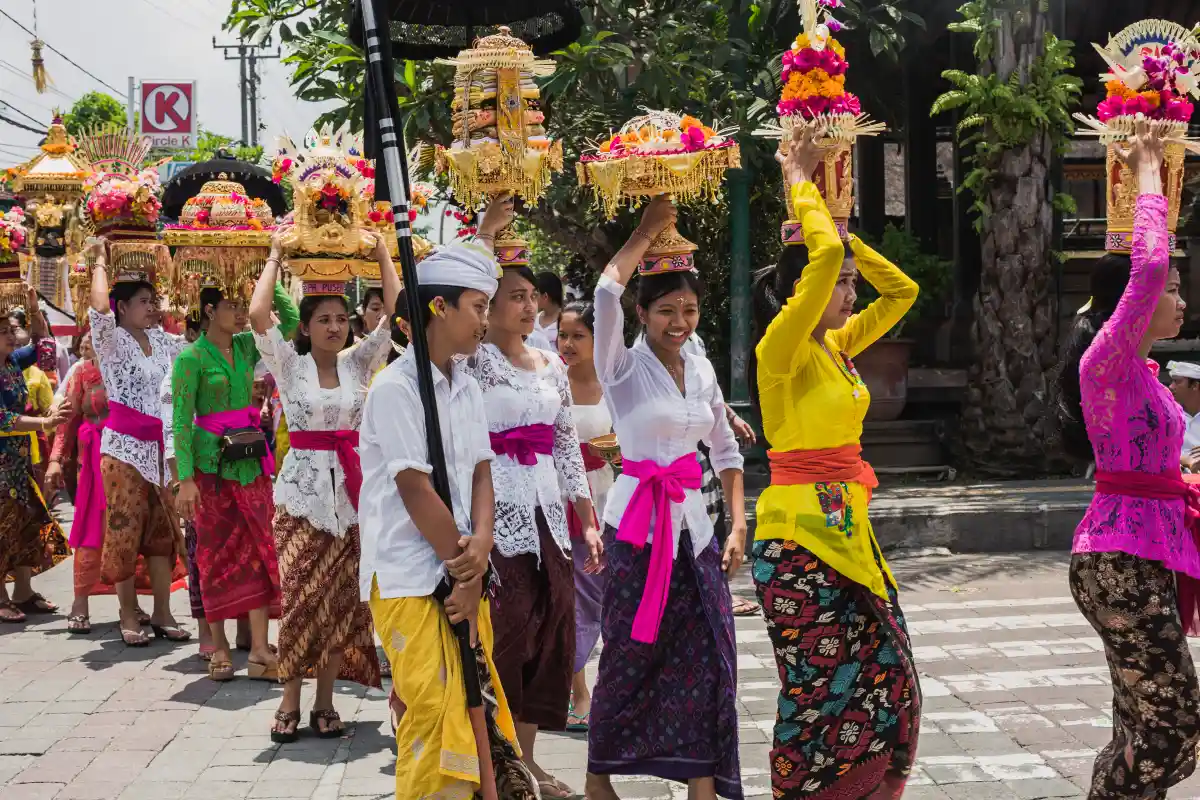
Melasti is a purification ritual held several days before Nyepi. During this time, Balinese Hindu communities gather and walk in procession from their temples to a water source. Most often this takes place at the sea, but in some regions it may happen at lakes, rivers, or sacred springs.
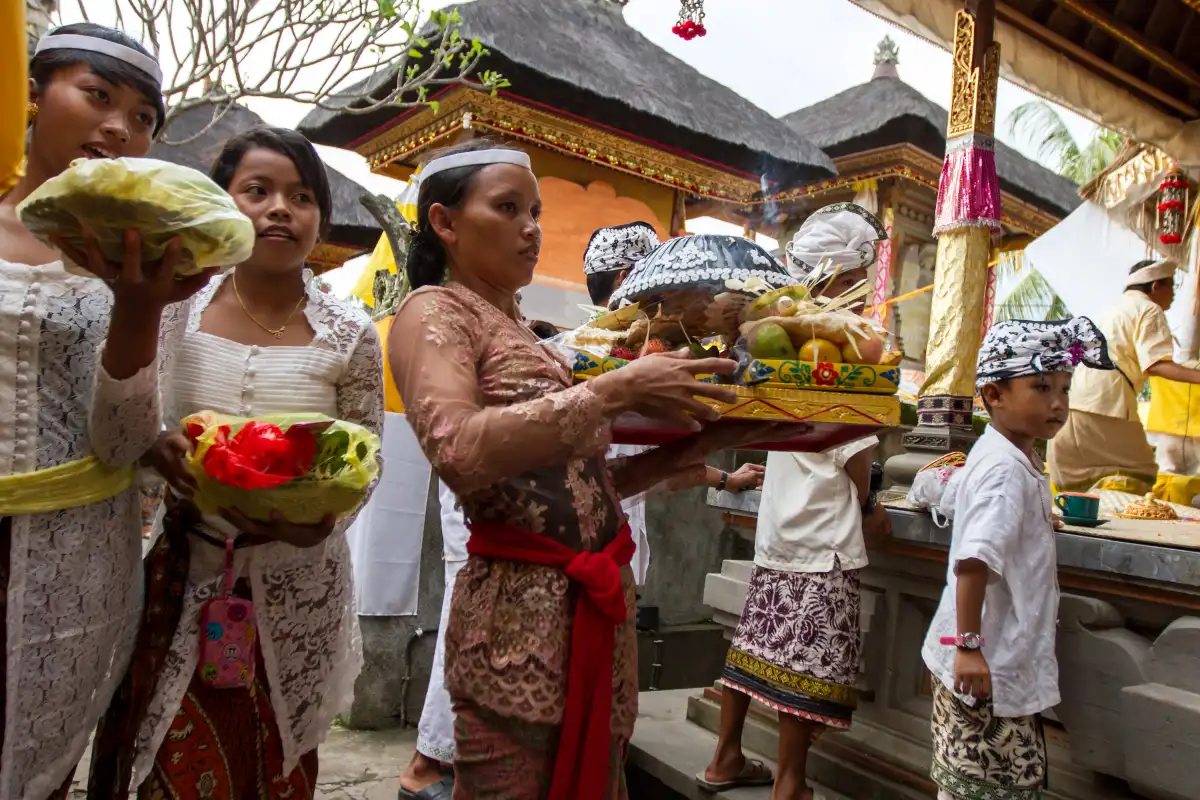
The purpose of Melasti is to cleanse both the physical and spiritual realms. Sacred objects from temples are carried to the water so negative elements can be washed away. For visitors, Melasti often appears as a graceful procession filled with traditional attire, offerings, and prayers. However, it is important to remember that this is first and foremost a religious ceremony, not a performance.
Why water matters in Melasti
Water holds a central place in Balinese Hindu belief. It is seen as the source of life and a medium for purification. In Melasti, water represents renewal, balance, and harmony between humans, nature, and the divine.
Through this ritual, communities symbolically cleanse themselves before entering Nyepi, a day dedicated to silence and reflection. The act of returning to the sea or other water sources reinforces the idea that humans depend on nature and must treat it with care. From this perspective, Melasti is not only about spiritual cleansing but also about reaffirming respect for the natural world.
read also: Tirta Gangga Water Palace: A Sustainable Visitor Guide to Bali’s Water Heritage
Melasti through a sustainability lens
When we look at Melasti through a sustainability lens, its relevance becomes even clearer. The ceremony highlights the sacredness of water and the responsibility to keep it clean.
In many villages today, there is a growing awareness around plastic free offerings, proper waste management, and protecting shorelines and rivers. These efforts aim to ensure that ceremonies do not harm the very environment they honor. By keeping beaches clean, avoiding single use plastics, and respecting natural spaces, the spirit of Melasti is preserved for future generations.
For travelers, this offers an important lesson. Observing Melasti responsibly means aligning our behavior with the values behind the ritual. Sustainability is not an extra concept added later, but something already embedded in the tradition.
How to observe Melasti respectfully as a visitor
We believe that cultural experiences are most meaningful when approached with respect. If you happen to be in Bali during Melasti, there are several simple guidelines to follow.
Maintain a respectful distance and avoid walking into the procession. Dress modestly, covering shoulders and knees, especially near temples and ceremonial areas. Avoid using flash photography, as it can disrupt prayers. Do not block pathways or stand in front of sacred objects. Most importantly, always follow instructions from local authorities or community members.
By observing quietly and thoughtfully, visitors can witness the beauty of Melasti without interfering with its sacred purpose.
Common mistakes to avoid
Despite good intentions, some actions can unintentionally cause offense or harm. Using drones without permission is one of the most common mistakes, as it disrupts the ceremony and invades sacred space. Stepping on offerings placed on the ground is another serious issue, as these items are part of prayer and devotion.
Crowding sacred objects for photos or selfies can also interfere with the flow of the ritual. Remember that Melasti is not a tourist attraction but a living religious practice. Awareness and patience go a long way.
Read also: Things to Keep in Mind : 10 Important Do’s and Dont’s in Bali
Frequently asked questions about Melasti
Is Melasti part of Nyepi
Melasti is not Nyepi itself, but it is an essential preparation ritual that takes place several days before Nyepi. It helps cleanse the spiritual environment before the Day of Silence begins.
Can tourists watch Melasti respectfully
Yes, tourists can observe Melasti as long as they follow local guidelines, dress appropriately, keep a respectful distance, and avoid disrupting the ceremony in any way.
Learning Melasti through meaningful travel with Bali Institute
At Bali Institute, we believe that cultural understanding and sustainability should go hand in hand. As a premiere travel agent, we design customized group tours that allow visitors to experience Bali beyond the surface, with a strong focus on environmental responsibility and community empowerment. Whether it’s Teen Exploration programs for students seeking adventure and learning, University Experience programs that bring academic study into real-world contexts, Adult Learning Journey programs for communities looking to immerse in a cultural infused itinerary, or CSR-focused excursions for companies looking to make an ESG-aligned impact, Bali Institute offer a deeper, more educational way to explore Bali while supporting local communities and conservation efforts. By traveling with purpose, we can appreciate rituals like Melasti while helping protect the sacred water and communities that give Bali its soul.