Bali offers countless opportunities to encounter temples, traditional crafts, village life, markets, dance, architecture, food, and religious traditions.
But not every cultural experience works in the same way.
Some experiences are built around genuine exchange and community participation. Others may present culture primarily as something for visitors to photograph or consume.
For travelers, university groups, and educational program planners, choosing ethical cultural tours in Bali therefore requires looking beyond an itinerary’s list of attractions.
The more important questions are: Who controls the experience? Who benefits from it? What are visitors being taught? And have local communities agreed to what is being shared?
What Makes a Cultural Tour Ethical?
Ethical cultural tourism starts with recognizing that communities own their traditions and knowledge.
A good experience should create opportunities for learning without assuming visitors are entitled to access every place, ceremony, or practice.
Three principles are particularly useful.
1. Community Direction
Local hosts should have meaningful control over what they share.
This includes deciding:
- which spaces visitors can enter;
- which traditions can be explained or demonstrated;
- whether photography is permitted;
- how many visitors are appropriate; and
- when an activity should or should not take place.
An experience becomes more responsible when communities are partners rather than simply part of the scenery.
This principle is central to community-based tourism in Bali, where local participation and decision-making are fundamental to how tourism is planned and managed.
2. Fair Compensation
Cultural knowledge has value.
Artisans demonstrating a craft, local guides interpreting a village, farmers explaining agricultural practices, and cultural leaders sharing knowledge are contributing professional expertise and time.
Ethical tours should recognize that contribution through appropriate compensation rather than expecting people to provide cultural access simply because tourists are interested.
3. Cultural Context
Good cultural tours explain meaning rather than simply presenting something visually impressive.
A temple becomes more meaningful when visitors understand how sacred space is organized. A carving becomes more interesting when its symbolism and production process are explained. A market becomes a window into food systems when visitors learn about producers, ingredients, and local livelihoods.
Context turns sightseeing into education.
Cultural Experiences Worth Learning From
The strongest experiences often involve direct learning rather than passive observation.
Artisan and Craft Workshops
A workshop with local craftspeople can introduce visitors to materials, techniques, symbolism, and the economic realities of maintaining traditional skills.
For example, learning about Mas Village’s woodcarving tradition reveals connections between craftsmanship, spirituality, family knowledge, entrepreneurship, and changing markets.
The goal should not simply be to leave with an object. It should be to understand the people and knowledge behind it.
Village and Market Learning
Local markets, farms, and villages can help students examine food systems, livelihoods, community structures, and social change.
However, these experiences should be entered with permission and appropriate local guidance.
Responsible observation means remembering that everyday life is not automatically a performance for travelers.
Temple and Architecture Visits
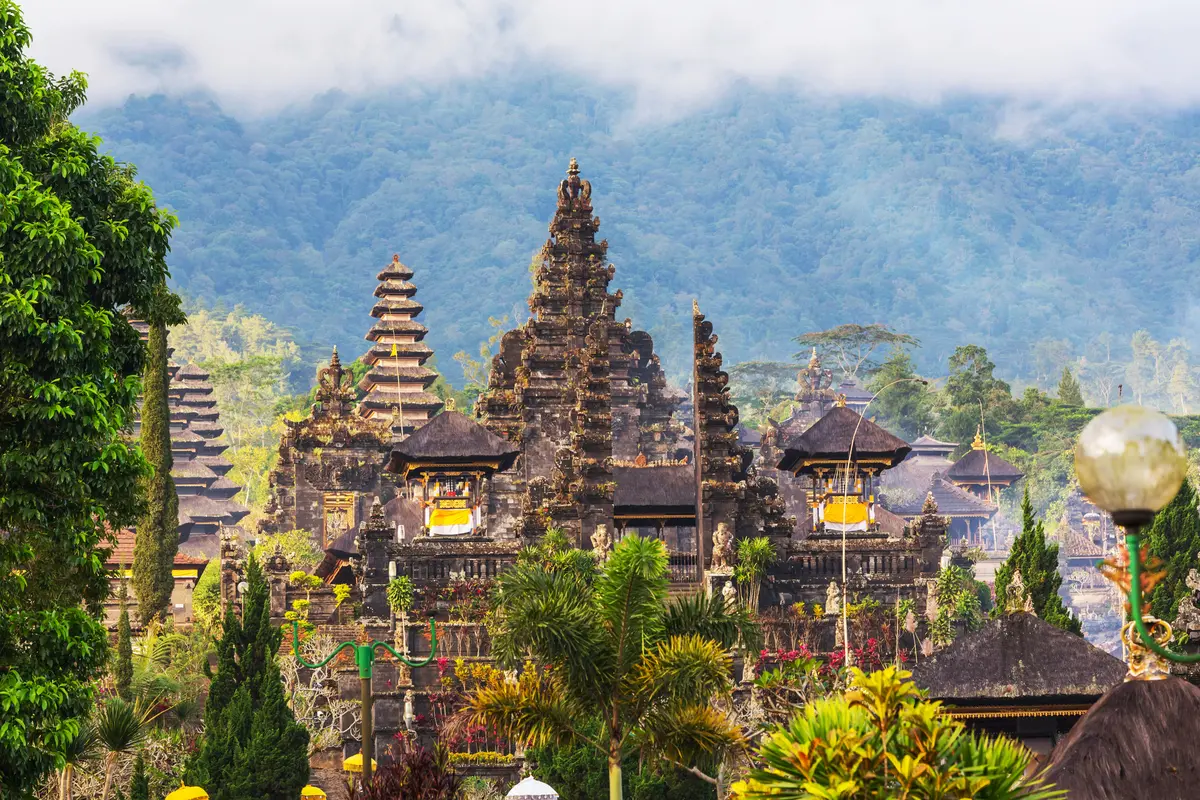
Temples can provide remarkable opportunities to study religion, architecture, history, and cultural landscapes.
Qualified interpretation is especially important because architectural elements often have meanings visitors cannot understand by appearance alone.
Bali Institute’s guide to the meaning behind Balinese temple architecture provides useful background on sacred spatial organization and respectful temple visits.
Questions to Ask Before Booking a Cultural Tour
Before choosing an activity, travelers or educational planners can ask:
- Who leads the experience?
Are local guides, artisans, or community members directly involved? - Who receives the financial benefit?
Look for clear local participation rather than vague claims about “supporting communities.” - Does the community approve the activity?
Cultural access should be based on invitation and consent. - How large is the group?
Smaller groups can reduce disruption and create better opportunities for discussion. - Are cultural guidelines explained beforehand?
Look for information about dress, photography, sacred spaces, and appropriate behavior. - How is impact described?
Specific partnerships and practices are more informative than broad terms such as “authentic,” “ethical,” or “regenerative.”
These questions can also help educational institutions avoid superficial forms of cultural engagement or voluntourism.
Experience Ethical Cultural Exchange with Bali Institute
True cultural exchange is an invitation, not an entitlement. At Bali Institute, we serve as your strategic educational designers, ensuring that every program respects local boundaries while facilitating genuine global citizenship education.
We move beyond off-the-shelf tourism to custom-build experiential learning abroad where local voices remain central and communities are honored. Whether we are co-creating a Teen Exploration program for responsible youth discovery, a Faculty-led University Experience operating as a custom study abroad program, a reflective Adult Learning Journey, or Customized CSR Group Tours for organizations seeking ethical community engagement, we tailor the entire itinerary to your specific learning objectives.
Plan your next group student trip or organizational retreat with us, and engage in cultural exchange on reciprocal terms that truly respect the people who make the experience possible.