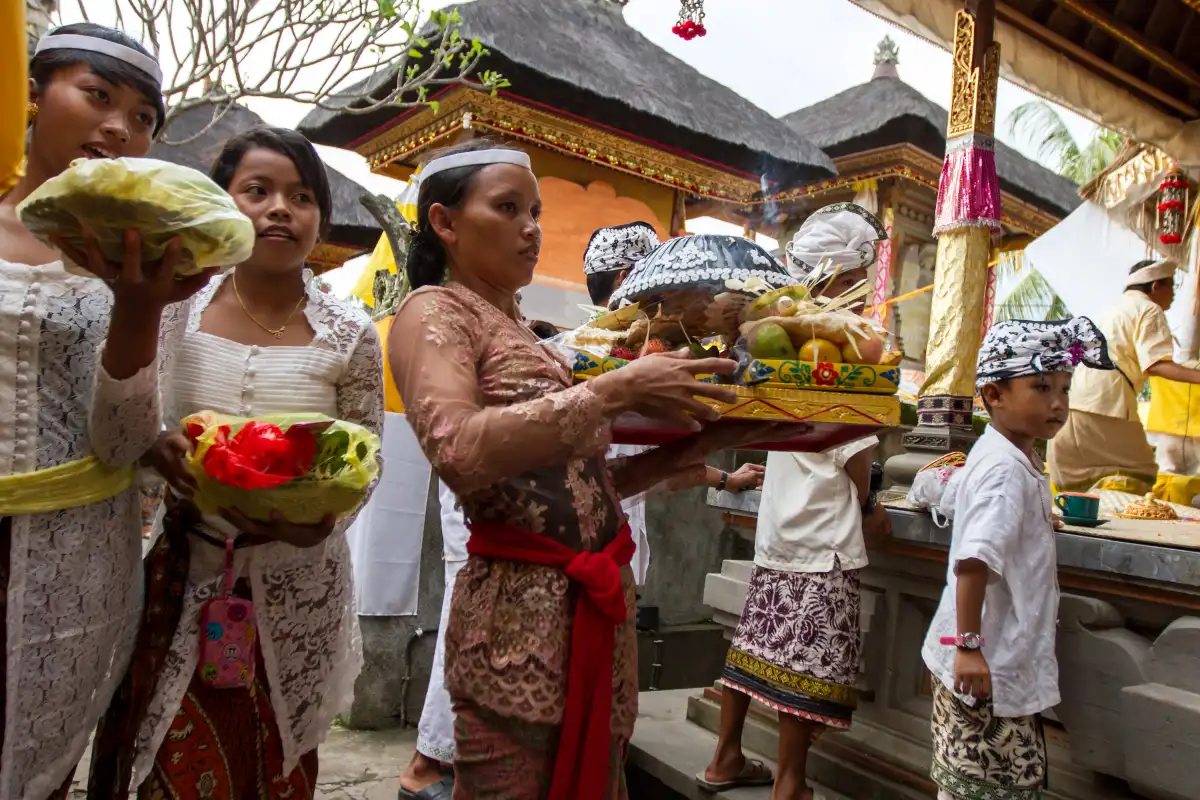
When we talk about food in Bali, we are not just talking about taste. We are talking about land, people, seasons, and values. Over the past decade, farm to table Bali restaurants have grown from a niche concept into a meaningful movement that reflects how the island balances tourism, culture, and sustainability.
For travelers, dining farm to table is more than a trend to follow. It is a way to participate responsibly in Bali’s food ecosystem, to support local farmers, and to appreciate cuisine without turning culture into a commodity. In this article, we explore how farm to table works in Bali and how we can dine more consciously while visiting the island.
Read also: Discover Bali’s Sustainable Cooking Classes: Learn to Cook with Local, Eco-Friendly Ingredients
What Is Farm to Table in Bali and Why It Matters
Farm to table dining refers to restaurants that source ingredients as directly as possible from farmers, fishers, and producers, often within the same region. In Bali, this concept takes on deeper meaning because agriculture is closely tied to spiritual life, community cooperation, and traditional land stewardship.
Rather than relying heavily on imported goods, many Bali restaurants choose local vegetables, fruits, rice, herbs, seafood, and spices. This approach shortens supply chains, reduces environmental impact, and ensures that money circulates within local communities.
For us as diners, farm to table matters because it helps preserve food knowledge and agricultural practices that might otherwise be overshadowed by mass tourism.
Sustainable Practices in Bali’s Farm to Table Restaurants
Farm to table restaurants in Bali apply sustainability in practical and visible ways. These efforts go beyond marketing language and show up in daily operations.
Local Sourcing and Supporting Farmers
At the heart of farm to table dining is a commitment to local sourcing. Many restaurants work directly with small scale farmers and cooperatives across Bali. This partnership provides farmers with fair prices and stable demand while giving chefs access to fresher and more diverse ingredients.
When we eat at these restaurants, we actively support livelihoods rooted in the land rather than global supply chains.
Organic Farming and Permaculture Gardens
Some Bali restaurants go a step further by growing their own produce. Through organic farming and permaculture gardens, they cultivate vegetables, herbs, and fruits on site or nearby.
These systems focus on soil health, biodiversity, and natural cycles. They also allow restaurants to reduce waste and control quality from seed to plate.
Seasonal Menus and Indigenous Ingredients
Farm to table chefs in Bali design menus around what is available, not what is trendy. As a result, menus change with the seasons and highlight indigenous ingredients that might be unfamiliar to visitors.
This seasonal approach respects nature’s rhythm and keeps traditional flavors alive. It also invites us to be more open minded as diners, discovering Bali through taste rather than expectation.
Zero Waste and Eco Friendly Operations
Many farm to table restaurants integrate zero waste principles into their kitchens. Food scraps are composted, reusable containers replace single use plastics, and energy efficient practices are prioritized.
These efforts may seem small, but together they significantly reduce the environmental footprint of dining out.
Read also: Bali Tea Plantations: Best Locations, Tours, and What to Expect
Examples of Bali Farm to Table Restaurants
Here are several well known examples that reflect different expressions of the farm to table philosophy in Bali.
- Syrco Base, Ubud
A fine dining concept focused on traceability, local sourcing, and culinary innovation. - Locavore NXT, Ubud
A forward thinking restaurant that celebrates Indonesian ingredients through modern techniques and deep collaboration with local producers. - Moksa Plant based Restaurant and Permaculture Garden, Ubud
A restaurant with its own garden that emphasizes plant based cuisine, permaculture, and holistic sustainability. - Mana Kitchen, Ubud
Known for its farm driven menu and relaxed atmosphere that connects food with landscape. - Ijen, Seminyak
A modern dining space that highlights local ingredients while maintaining refined culinary standards.
How to Dine Responsibly in Bali for Conscious Travelers
Dining responsibly is not complicated. It simply requires intention and awareness.
- Prioritize local farm to table eateries
Choose restaurants that clearly communicate where their ingredients come from. - Eat seasonal and be open to local flavors
Trust the menu and try dishes built around what is available now. - Minimize plastic and bring reusables
Carry your own water bottle or reusable bag when possible. - Respect food and avoid waste
Order thoughtfully and appreciate the effort behind each ingredient. - Engage with the community
Ask respectful questions and show interest in local food stories. - Give feedback and spread the word
Support responsible restaurants by sharing positive experiences.
Frequently Asked Questions About Farm to Table Dining in Bali
– What does farm to table mean in Bali?
It means ingredients are sourced directly from local farmers and producers, often within Bali, with an emphasis on freshness, seasonality, and sustainability.
– How do Bali restaurants practice sustainability through farm to table?
They reduce imports, support local agriculture, use seasonal menus, manage waste responsibly, and often grow their own produce.
– How can we dine responsibly as tourists in Bali?
By choosing local restaurants, respecting food culture, minimizing waste, and engaging with dining experiences thoughtfully.
Experiencing Sustainable Food Culture with Bali Institute
At Bali Institute, we believe food is one of the most powerful entry points to understanding culture responsibly. As a premiere travel agent specializing in customized group tours, we design experiences that connect travelers with Bali’s sustainability practices, from eco conscious dining to community based agriculture. Whether it’s Teen Exploration programs for students seeking adventure and learning, University Experience programs that bring academic study into real-world contexts, Adult Learning Journey programs for communities looking to immerse in a cultural infused itinerary, or CSR-focused excursions for companies looking to make an ESG-aligned impact, Bali Institute offer a deeper, more educational way to explore Bali while supporting local communities and conservation efforts. Through thoughtful travel, we help ensure that Bali’s farm to table movement remains authentic, respected, and beneficial for generations to come.