Nestled in the island’s central highlands, the Bali Botanical Garden (Kebun Raya Bali) is much more than a peaceful escape into nature. It is one of Indonesia’s premier living laboratories for tropical ecosystems.
Its extensive plant collections and active conservation efforts provide an unparalleled educational setting to study the island’s incredible biodiversity. For educational groups and conscious travelers, the garden bridges the gap between environmental science and cultural heritage.
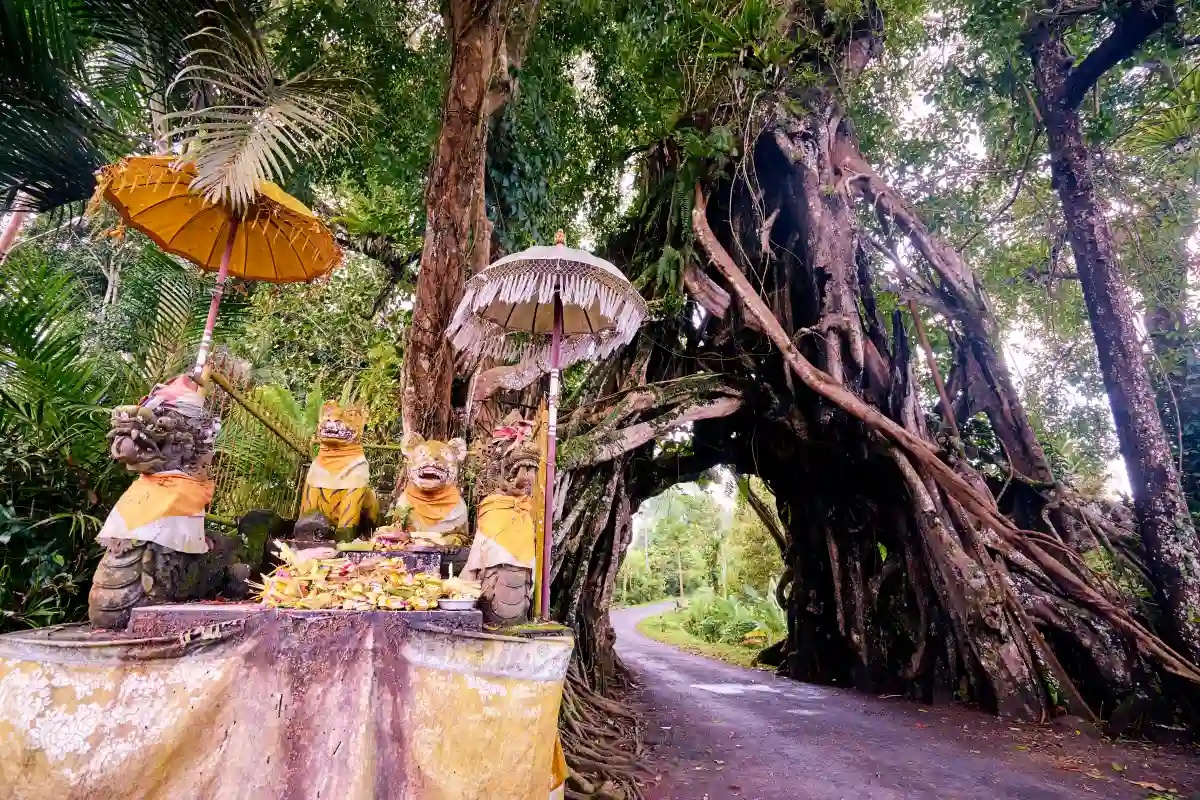
By exploring its diverse collections, from rare native species to medicinal herbs and sacred ceremonial floral, students transform a walk through the forest into a profound lesson in ethnobotany, discovering exactly how the Balinese people have cultivated, utilized, and protected their natural environment for centuries.
Read also: Experiential Education in Bali: Sustainable Learning Through Culture, Nature, and Community
Bali Botanical Garden as a Living Plant Collection
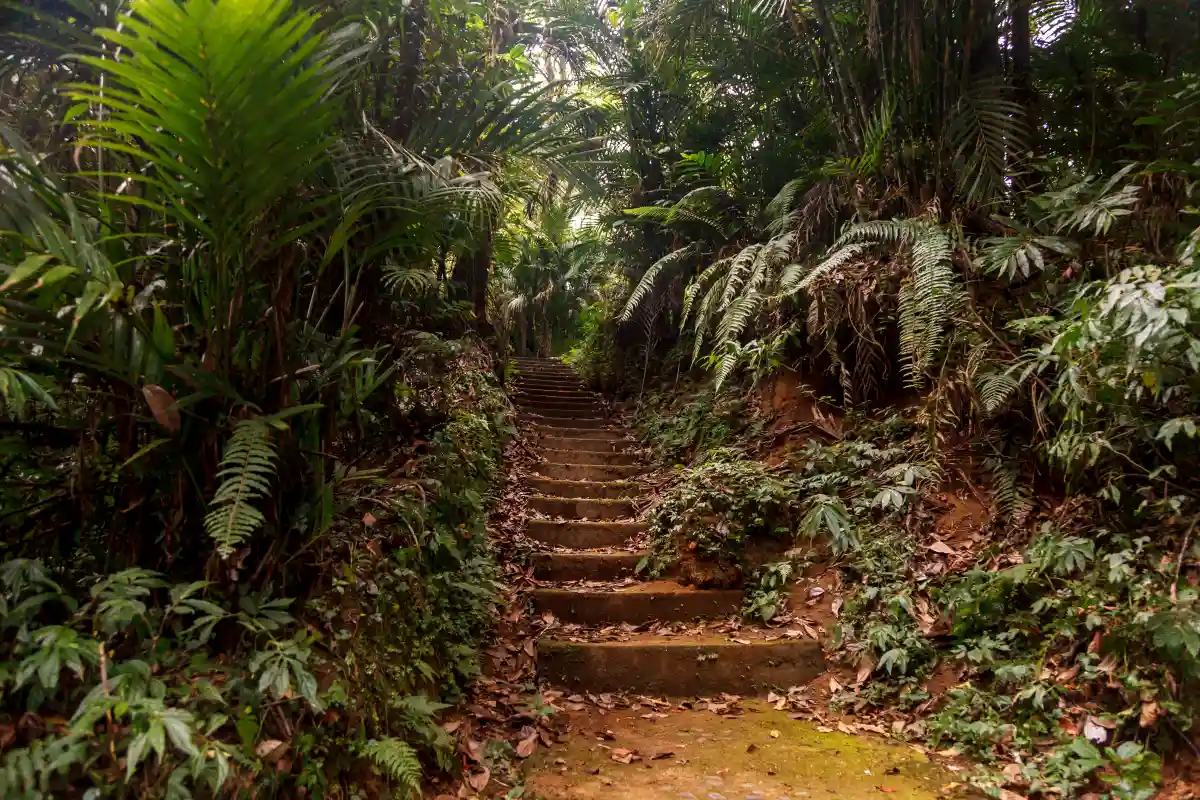
The Bali Botanical Garden is part of Indonesia’s network of botanical gardens and serves several purposes, including plant conservation, research, education, and recreation. Its location in the highlands provides a different environment from Bali’s coastal and lowland areas.
Walking through the garden allows visitors to observe how different plants grow in a cooler tropical setting while learning about the importance of preserving plant diversity. Rather than viewing plants only as individual species, the garden encourages a broader understanding of how plants contribute to ecosystems and human life.
Read also: Regenerative Tourism in Bali: Simple Ways to Participate
Biodiversity and Plant Conservation in Bali
Bali is home to a wide variety of plant species, and botanical gardens play an important role in conserving and documenting plant diversity. The garden includes collections that can introduce visitors to orchids, ferns, medicinal plants, aquatic plants, ceremonial plants, and other tropical species.
Seeing different plants together can help students understand the diversity of plant forms, habitats, and adaptations. Plant conservation is also about protecting knowledge. When a plant has cultural, medicinal, or ecological importance, losing the species can also mean losing knowledge about how communities have traditionally used and understood it.
Read also: Bali’s Tropical Fruits: Exotic Taste of the Island
Ethnobotany and Balinese Culture
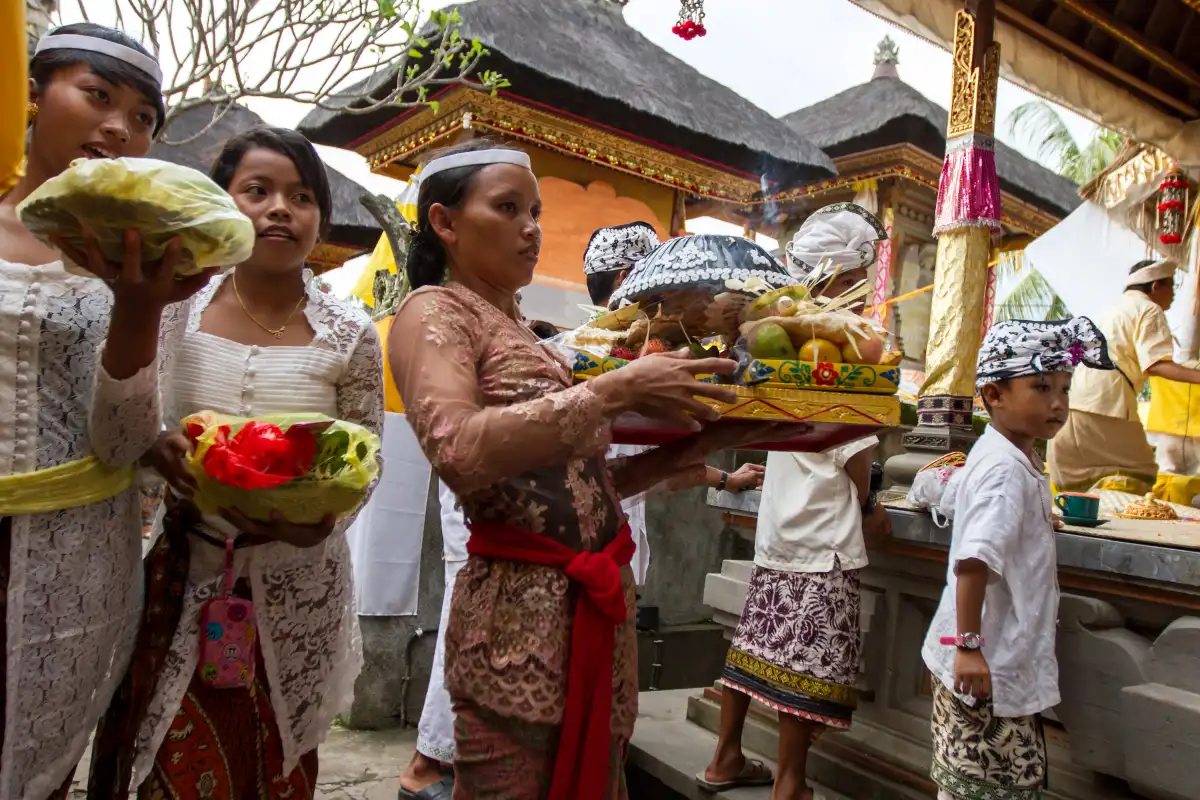
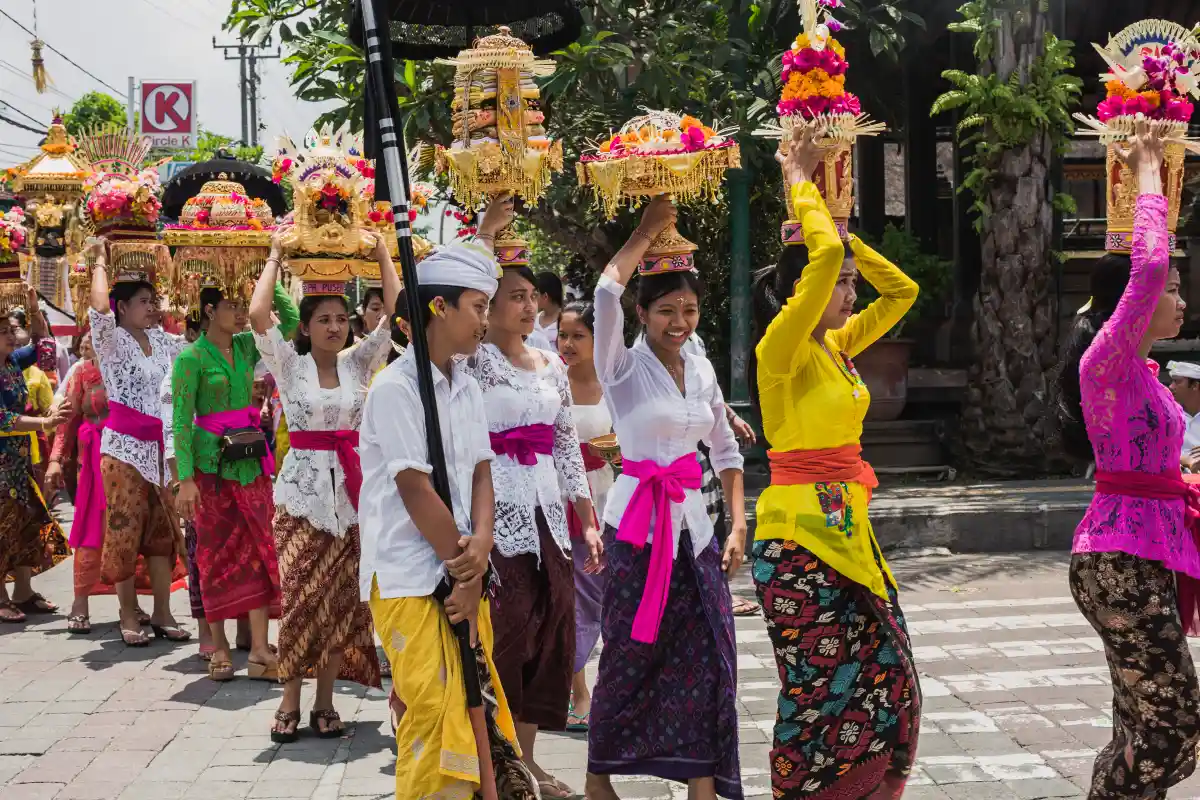
Ethnobotany in Bali explores the relationship between plants and people. Plants have long been part of Balinese daily life, from food and traditional medicine to ceremonies, offerings, agriculture, and religious practices.
Read also: Studying Balinese Healing: Ancient Wisdom and Herbal Medicine
Some plants are valued for their practical uses, while others have cultural or spiritual significance. Learning about these relationships can reveal how knowledge about plants is developed and passed between generations.
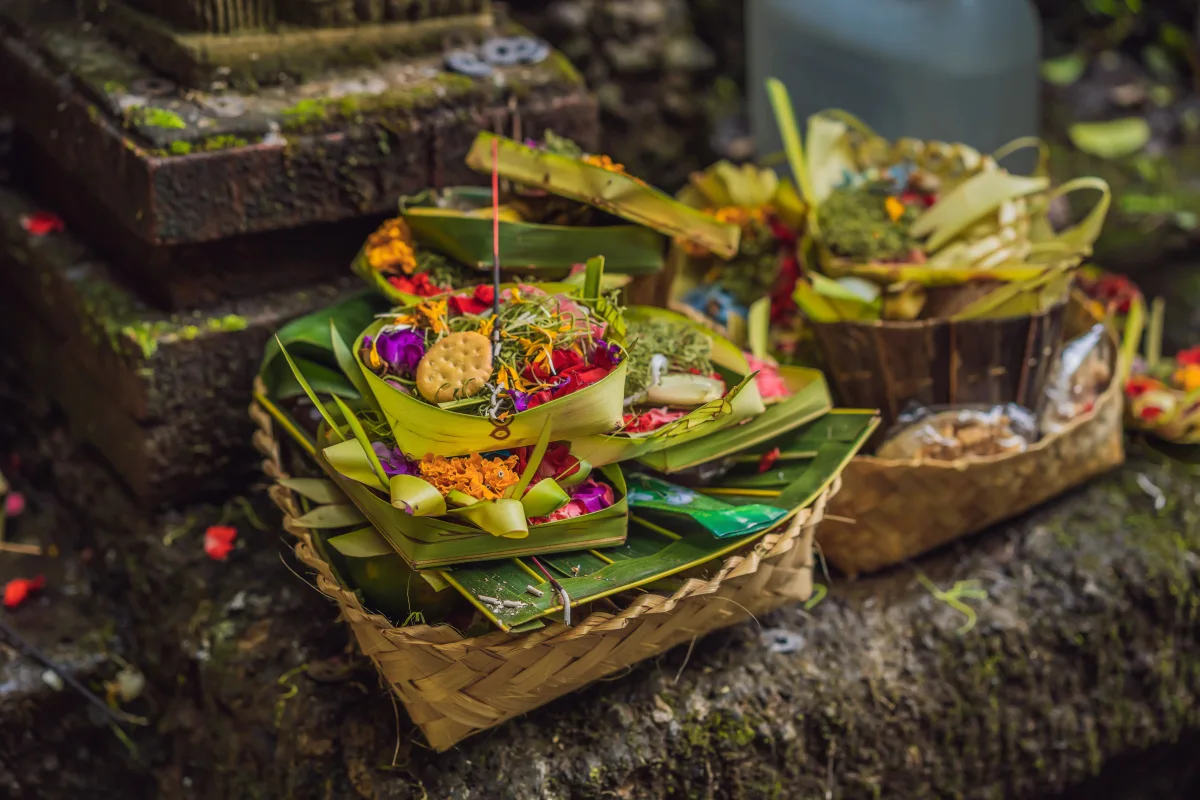
This makes a botanical garden a useful starting point for exploring questions such as: Why is a particular plant important to a community? How is it traditionally used? Where does the knowledge come from? And what happens when traditional plant knowledge is no longer passed on?
Educational Activities at Bali Botanical Garden
A visit to Kebun Raya Bali can be adapted to different ages and academic interests. Instead of only walking through the collections, groups can use the garden as a field learning environment.
Possible activities include:
- Guided plant walks focused on biodiversity, conservation, or ethnobotany.
- Plant observation worksheets where students record species characteristics, habitats, and uses.
- Biodiversity activities comparing plant diversity across different areas of the garden.
- Ethnobotany discussions exploring how plants are connected to food, medicine, ceremonies, and local traditions.
- Climate and ecosystem learning focused on how environmental conditions influence plant growth.
- Reflection activities asking students to consider how human communities depend on plant diversity.
These activities can help connect concepts learned in the classroom with direct observation in the field.
What Students Can Learn from Bali Botanical Garden
A visit to Bali Botanical Garden can help students see biodiversity as something connected to everyday life, not just a concept studied in textbooks. Plants are closely linked to food, medicine, agriculture, culture, and the ecosystems that support communities.
Observing different plant species and learning about their uses can introduce students to plant conservation, ecological relationships, ethnobotany, and traditional knowledge. It can also encourage them to consider how scientific research and local knowledge can work together to protect biodiversity.
For students studying biology, environmental science, agriculture, anthropology, or sustainability, the garden offers a practical setting to explore an important question: How do plants shape the environments, cultures, and communities that depend on them?
Read also: Regenerative Travel in Bali: Meaningful Excursions That Give Back to the Island
Visiting Bali Botanical Garden Responsibly
As a conservation and educational site, the garden should be treated with the same care as any protected natural environment.
Visitors should:
- Stay on designated paths and follow garden guidelines.
- Never pick, remove, or damage plants.
- Avoid leaving rubbish behind.
- Keep noise levels appropriate for the environment.
- Do not disturb wildlife or plant collections.
- Follow instructions from garden staff and guides.
Responsible behavior helps protect the collections and ensures that the garden can continue serving as a place for plant conservation and environmental education.
Learn About Bali’s Biodiversity with Bali Institute
The Bali Botanical Garden serves as the perfect open-air classroom for exploring tropical biodiversity and ethnobotany. At Bali Institute, we transform this expansive sanctuary into a site for meaningful field-based learning, connecting international participants directly with Bali’s natural environment, local wisdom, and community-led conservation efforts.
A curated visit to Kebun Raya Bali acts as a powerful catalyst for cross-disciplinary studies in botany, environmental science, and cultural anthropology. Participants go beyond simply observing tropical plant collections; they investigate how specific flora support local ecosystems, sustain village livelihoods, and remain deeply intertwined with sacred Balinese rituals.
Whether you are designing a Teen Exploration program to introduce high school students to environmental heritage, a faculty-led University Experience focused on field botany and sustainable conservation, an Adult Learning Journey centered on Bali’s natural landscapes, or a Customized CSR Group Tour dedicated to corporate environmental responsibility, we tailor our itineraries to your exact academic goals. Through Bali Institute’s educational lens, participants gain a profound understanding of why plant diversity is critical to both the ecological and cultural survival of Bali.