Welcome to Semarapura, the heart of Klungkung Regency in Bali, where history, heritage, and sustainability intertwine beautifully. As eco-conscious travelers and experiential students, we have the opportunity to explore the stunning Klungkung Palace and the Kerta Gosa Pavilion. This remarkable site offers a profound look into the island’s royal heritage and traditional legal systems.
In this guide, we explore the historical significance of the palace grounds, the ancient artwork that adorns its ceilings, and how to visit this cultural destination respectfully.
Read also: A Sustainable Guide to Gianyar, Bali: Exploring Cultural Heritage Sites
What Klungkung Palace / Kerta Gosa Is
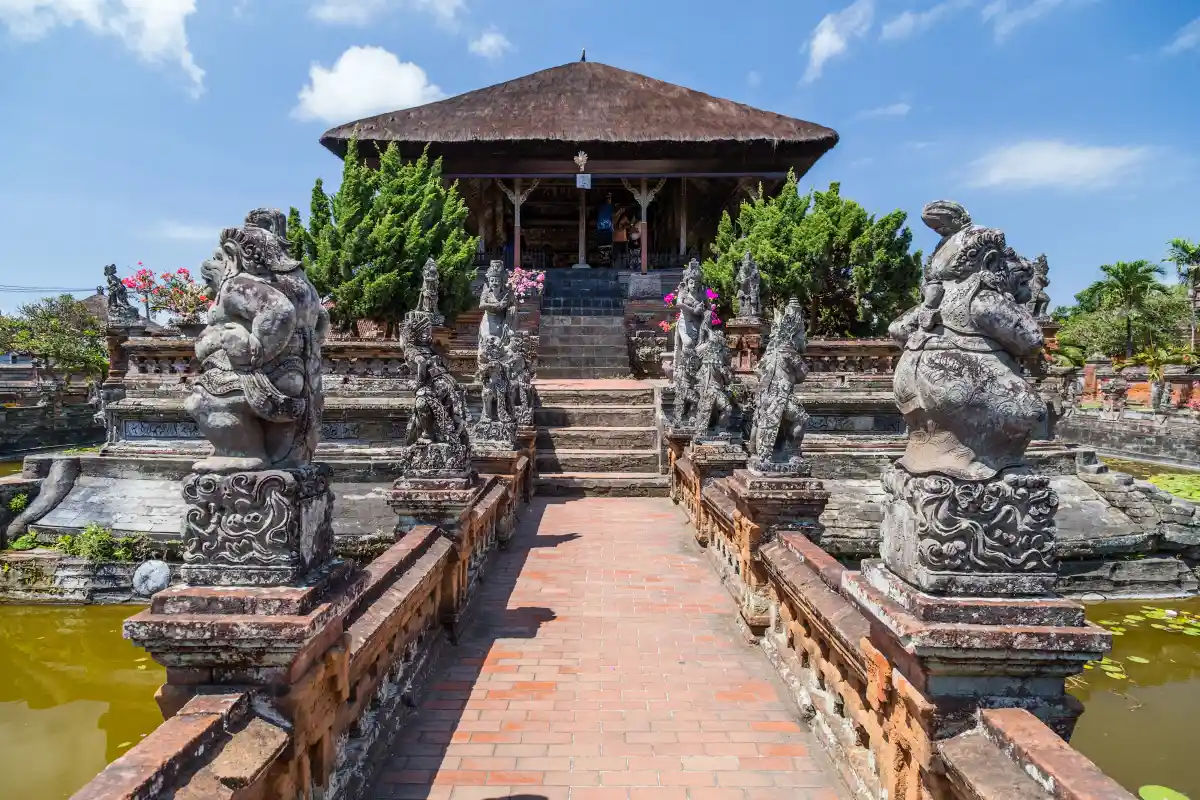
Klungkung Palace, also known as Puri Klungkung, served as the royal residence of the Klungkung Kingdom, which was the last to fall under Dutch control in the early 20th century. This historical site is not just an architectural marvel; it’s a testament to Bali’s rich heritage and the cultural significance of the Klungkung Kingdom. Within the palace grounds lies the Kerta Gosa Pavilion, a historic court and judicial hall that played a crucial role in the administration of justice within the kingdom.
As we step into this magnificent complex, we can sense the echoes of the past, where the wisdom and traditions of the Balinese people were upheld through the legal system. The Kerta Gosa Pavilion is particularly famous for its intricate ceiling paintings, which depict moral lessons and the consequences of one’s actions.
What Makes Kerta Gosa Unique
The Pavilion and Its Paintings
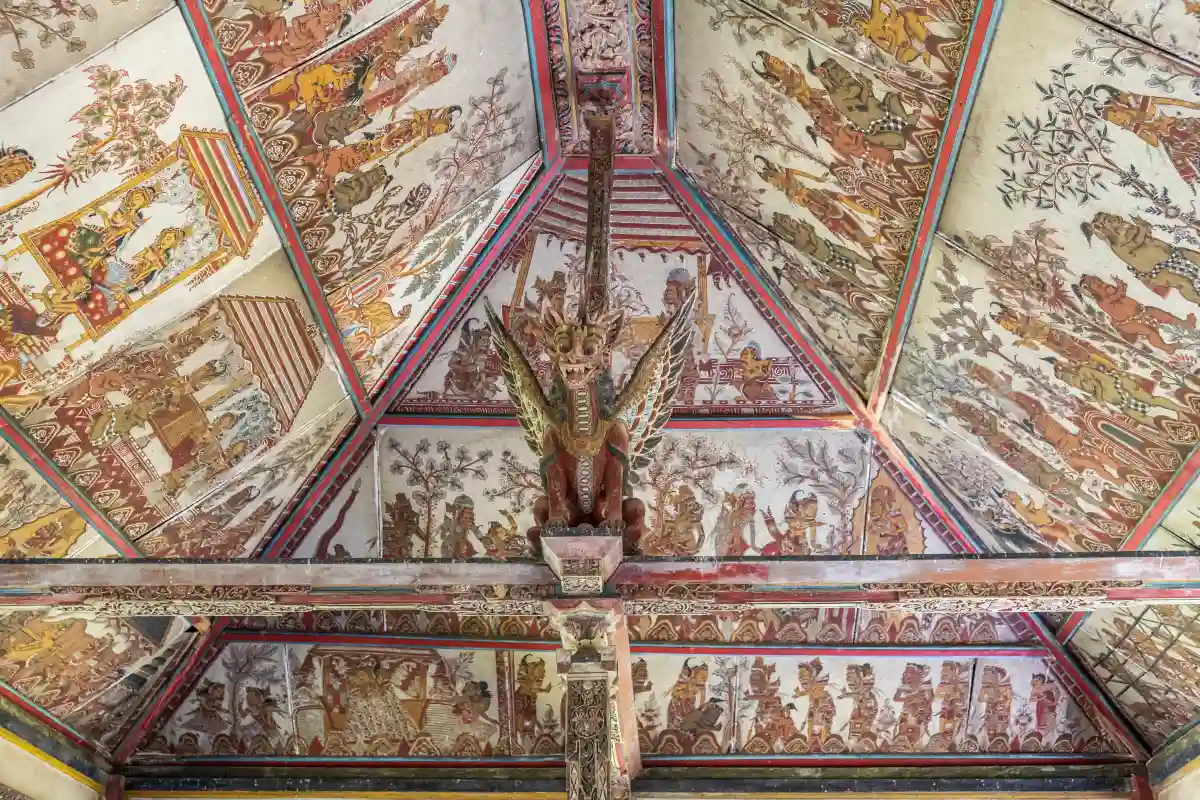
What sets Kerta Gosa apart are its stunning ceiling murals. These vibrant paintings showcase narratives that reflect the Balinese concepts of karma and ethics. Each stroke tells a story, conveying moral lessons that encourage us to reflect on our actions and their consequences. As we gaze up at the intricately painted ceilings, we are reminded of the age-old Balinese belief in “Hukum Karma,” or the law of karma, which teaches us that every action has a reaction.
The e-museum aspect of Kerta Gosa enhances our experience, providing context and deeper understanding of the narratives depicted in the artworks. It’s a wonderful opportunity for us to draw connections between art and life, and appreciate the cultural significance of these paintings in promoting moral education.
Sustainability Lens: How to Protect Heritage Sites
As we embark on our journey to explore these heritage sites, it’s essential to adopt sustainable practices that respect and protect them.
Conservation Behavior
To preserve the integrity of Klungkung Palace and Kerta Gosa, we must practice conservation behavior. This means refraining from touching surfaces, leaning against structures, or crossing barriers. By respecting these boundaries, we ensure that future generations can enjoy the same historical beauty we are experiencing today.
Photo Ethics
While we may be eager to capture memories, we must also be mindful of photo ethics. Avoid using flash photography where prohibited, maintain a respectful distance, and never block walkways. By doing so, we allow others to enjoy the site without disruption and contribute to a serene atmosphere.
Read also: Mindful Tourism in Bali: A Guide for Eco-Conscious Travelers
Low-Waste Visit
Our commitment to sustainability extends to our consumption habits as well. Bringing refillable water bottles and avoiding single-use snacks or packaging can significantly reduce waste during our visit. This small act contributes to the preservation of the natural beauty surrounding heritage sites.
Support Living Heritage
One of the best ways we can contribute to the sustainability of Semarapura is by supporting local cultural industries. Hiring local guides not only enriches our experience with authentic insights but also empowers the community economically. Additionally, we can support traditional art forms, such as Kamasan painting, by purchasing ethically sourced artworks. This ensures that the artisans receive fair compensation for their craft and helps keep these traditions alive.
Practical Planning
Timing
To truly enjoy the serenity of Klungkung Palace and Kerta Gosa, we should plan our visit during off-peak hours. Early mornings or late afternoons are ideal times to avoid crowds and fully immerse ourselves in the experience.
What to Wear
Dress modestly and comfortably, respecting the cultural norms of the area. Lightweight clothing that covers our shoulders and knees is advisable, allowing us to move freely while remaining respectful of local customs.
Etiquette
When visiting Kerta Gosa and other cultural sites, it’s important to maintain a respectful demeanor. Speaking softly, refraining from loud conversations, and showing appreciation for the local culture will enhance our experience and honor the heritage we are there to witness.
Nearby Stops in Semarapura
While in Semarapura, don’t miss the chance to explore other local attractions. Consider visiting the Pasar Endek Klungkung for a taste of local flavors and handicrafts, or take a stroll through the scenic gardens near the palace. Each corner of Semarapura holds stories waiting to be uncovered.
Read also: Tips for Travelling in Bali: Your Complete Guide for an Unforgettable Adventure
FAQs
What was Kerta Gosa used for historically?
Kerta Gosa served as a court and judicial hall in the Klungkung Kingdom, where legal matters were deliberated and justice was administered.
What do the ceiling paintings in Kerta Gosa represent?
The ceiling paintings depict narratives focused on karma, ethics, and moral lessons, encapsulating the Balinese belief in the consequences of one’s actions.
How can tourists help protect Balinese heritage sites?
Tourists can help by practicing conservation behaviors, adhering to photo ethics, reducing waste, and supporting local communities through ethical purchasing and hiring practices.
Learn Together with Bali Institute
As we explore the cultural riches of Semarapura, let us also consider how we can deepen our engagement with the community and the environment. The Bali Institute offers customized group tours that focus on sustainability-based experiences. Whether you’re a student looking for a summer program, a university group seeking educational opportunities, or a corporate team wanting a meaningful outing, the Bali Institute provides thoughtfully designed itineraries that empower communities while preserving the beauty of Bali, our offerings include:
- Teen Exploration: An exciting adventure for students eager to learn and have fun.
- University Experience: Perfect for college students and faculty looking to expand learning beyond the classroom.
- Adult Learning Journey: Immerse yourself in a culturally infused itinerary.
- Customized CSR Group Tour Program: Ideal for companies wanting to focus on sustainability and community impact during their outings.
Let’s embark on this journey of sustainability together as we appreciate the beauty of Bali and its heritage.