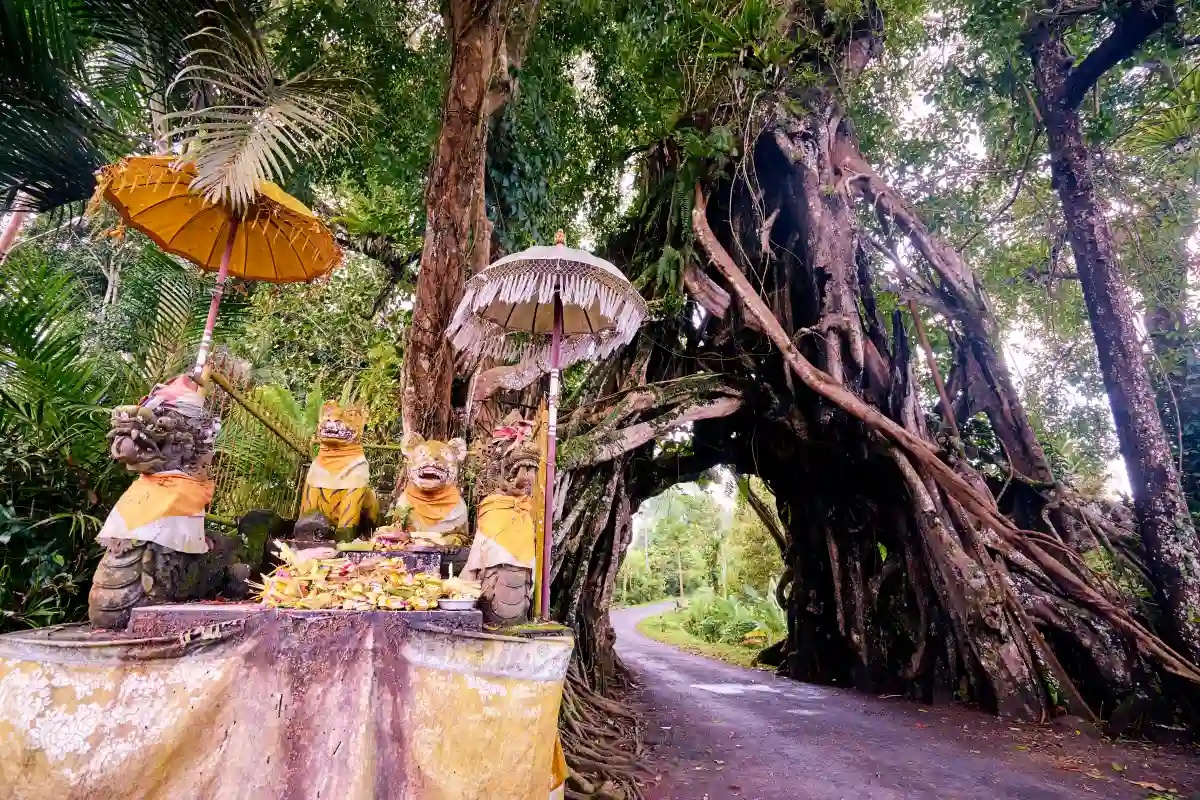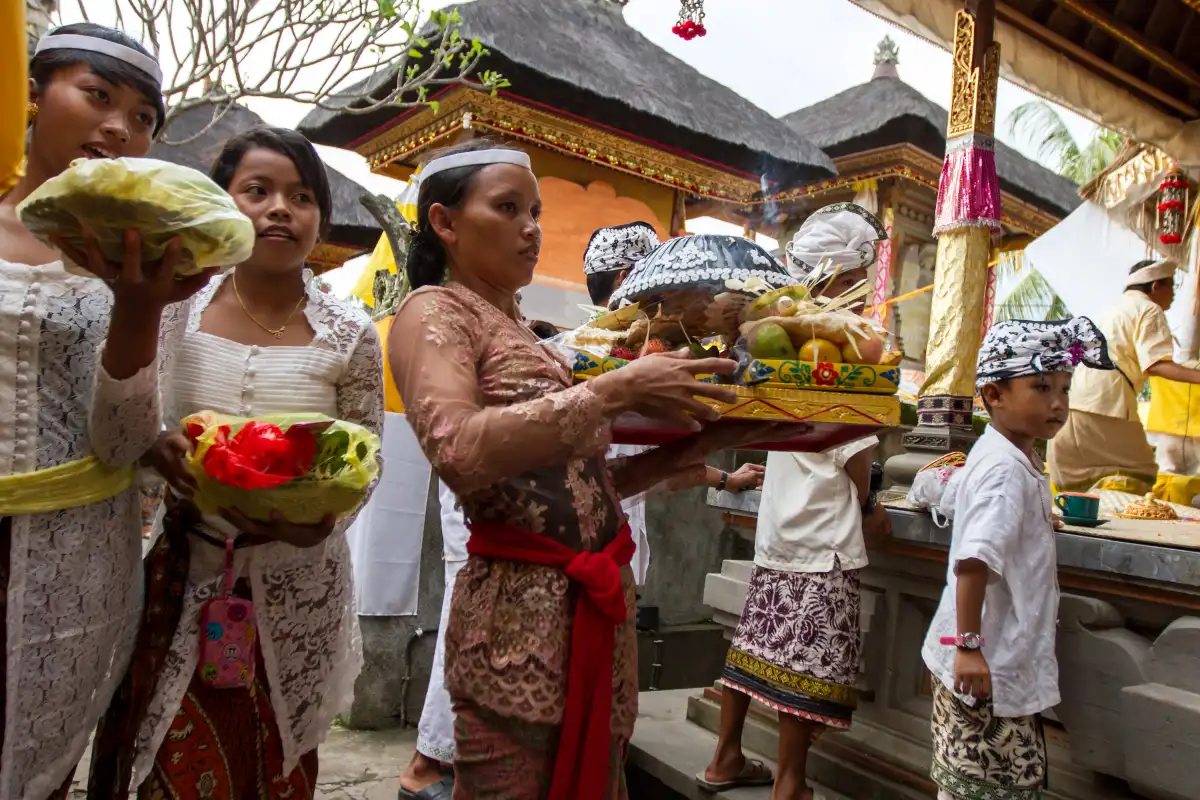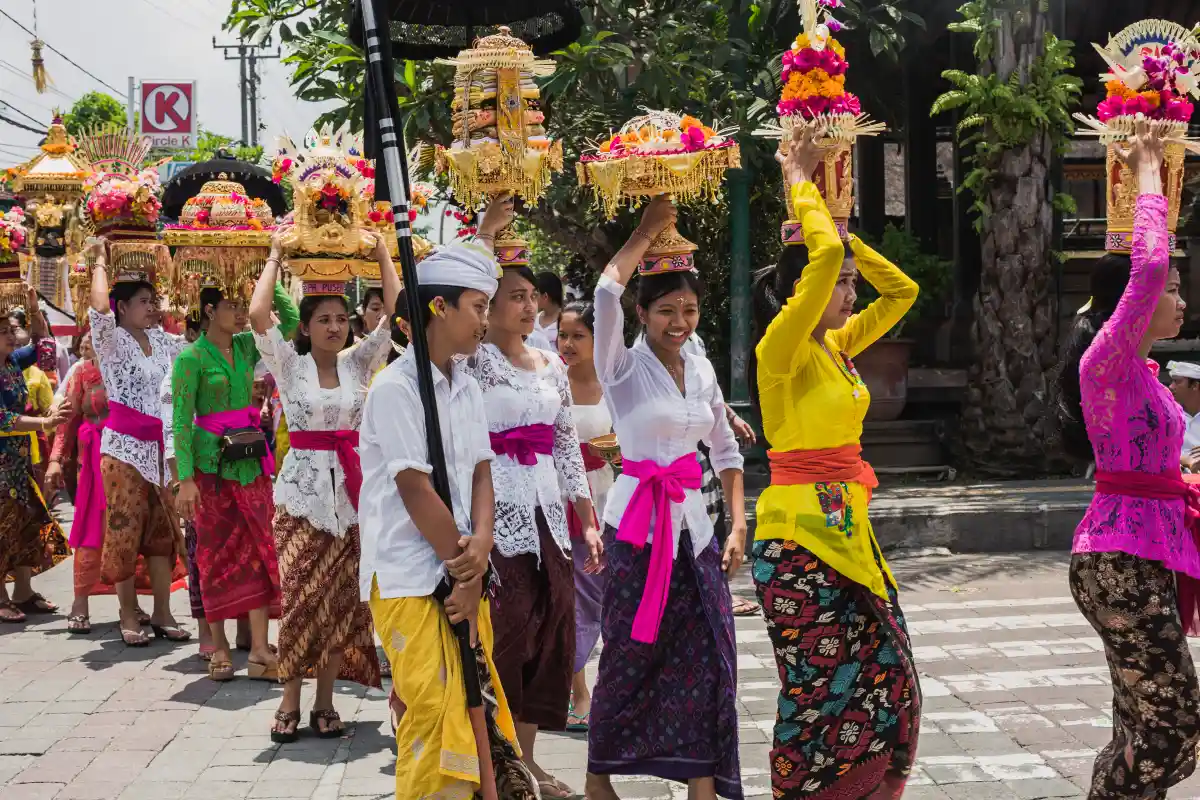
Nestled in the lush green landscape of Tampaksiring, Bali, Tirta Empul is more than just a beautiful temple; it’s a spiritual sanctuary revered by locals and visitors alike. As eco-conscious travelers and experiential learners, we can engage with its sacred waters in a respectful and sustainable way. This guide will navigate the spiritual significance of Tirta Empul, helping us understand the importance of its holy springs while ensuring we leave a positive impact on this sacred site.
What Tirta Empul Is and Why the Springs Are Sacred
Tirta Empul Temple dates back to 962 AD and is one of Bali’s most significant Hindu temples. The name “Tirta Empul” translates to “Holy Water Spring,” which hints at the temple’s primary allure, the natural springs believed to hold cleansing and healing properties. Locals believe that the water from these springs is a gift from the god Indra, used for purification rituals and blessings. When we immerse ourselves in these waters, we tap into centuries of cultural heritage, spiritual practices, and local beliefs.
The springs are sacred not only due to their historical significance but also because they symbolize life-giving water, an essential element in Balinese Hinduism. The act of purification, known as melukat, allows devotees to cleanse both body and spirit, restoring balance and harmony in their lives. As we participate in this experience, it is vital to be mindful of the spiritual energy surrounding us and approach it with respect and humility.
Read also: A Sustainable Guide to Ulun Danu Beratan Temple: Embracing Bali’s Water Culture
Spiritual Meaning of “Tirta” (Holy Water) in Balinese Hindu Life
Water holds profound spiritual significance in Balinese Hindu culture, serving as a symbol of purification, balance, and blessing. In our lives, we often seek ways to cleanse ourselves from negativity, confusion, or distress, and the Balinese believe that engaging with tirta can facilitate this transformation.
During our visit, we can reflect on the symbolism of water as a source of life and renewal. It represents the cycle of birth, death, and rebirth; an essential aspect of the human experience. By participating in the melukat ceremony, we embrace the opportunity to invite clarity and peace into our lives, making it a meaningful experience beyond mere tourism.
Melukat and Respectful Participation
What Visitors Should Do
As we embark on this spiritual journey, it’s essential to approach the experience with humility and respect. Here are some guidelines to ensure our participation is appropriate:
- Ask for Permission: Before entering the sacred waters, consider asking a local priest or guide for permission. This small gesture demonstrates our respect for the local customs and traditions.
- Dress Modestly: Wearing appropriate attire is crucial. Sarongs are often provided at the entrance, and it’s respectful to wear one while participating in the rituals.
- Observe the Rituals: Take time to observe the local worshippers and their practices. This can enhance our understanding of the significance behind the rituals.
What Visitors Should Not Do
To maintain the sanctity of Tirta Empul, we must also be aware of behaviors that could detract from the experience:
- Avoid Disrupting Worship: This is a sacred space for many. Let’s refrain from loud conversations or disruptive behavior that could distract worshippers.
- Don’t Turn It Into Content: While we may want to capture memories, we should be mindful of not treating the experience as a mere photo opportunity. Let’s focus on the moment rather than the content.
Read also: Mindful Tourism in Bali: A Guide for Eco-Conscious Travelers
Sustainability Lens: Protecting Sacred Water
As eco-conscious travelers, we bear the responsibility to ensure that our presence does not harm the sacred waters. Here are some ways we can contribute to sustainability during our visit:
Keep Springs Clean
- No Soaps or Chemicals: Using soaps, shampoos, or any chemical products is strictly prohibited. These substances can pollute the holy springs, so let’s commit to keeping the waters pure.
- Follow Pool Rules: Each pool has specific guidelines; let’s respect them to maintain the sanctity of the site.
Reduce Plastic Waste
- Refillable Water Bottles: Instead of purchasing bottled water, let’s bring our refillable bottles. Many places offer clean drinking water, allowing us to minimize plastic waste.
- Minimal Packaging Offerings: When buying local snacks or souvenirs, opt for items with little to no packaging to further reduce our impact.
Respect Carrying Capacity
- Visit Early: To avoid the crowds and fully appreciate the experience, let’s plan our visit early in the day. This not only enhances our experience but also helps manage the site’s carrying capacity.
Ethical Spending That Supports Local Preservation
When we visit Tirta Empul, we have the opportunity to support local communities. Entrance fees contribute to the temple’s upkeep, and hiring local guides ensures that we engage with the site authentically. Additionally, purchasing from community vendors helps sustain their livelihoods while preserving their cultural heritage.
Local Guides and Community Vendors
Opting for local guides not only enriches our understanding of the spiritual significance of the springs but also empowers the community. Consider buying souvenirs or snacks from local vendors, ensuring that our tourism dollars directly benefit those who call Bali home.
Explore More with Bali Institute
For those eager to delve deeper into Bali’s cultural and environmental richness, Bali Institute offers a range of tailored programs that prioritize sustainability and experiential learning. Whether you’re part of a student group or an adult community, our offerings include:
- Teen Exploration: An exciting adventure for students eager to learn and have fun.
- University Experience: Perfect for college students and faculty looking to expand learning beyond the classroom.
- Adult Learning Journey: Immerse yourself in a culturally infused itinerary.
- Customized CSR Group Tour Program: Ideal for companies wanting to focus on sustainability and community impact during their outings.
Together, we can experience the beauty of Bali while honoring its spiritual heritage and contributing to its preservation. Let’s embrace the opportunity to connect, learn, and grow in this enchanting land.