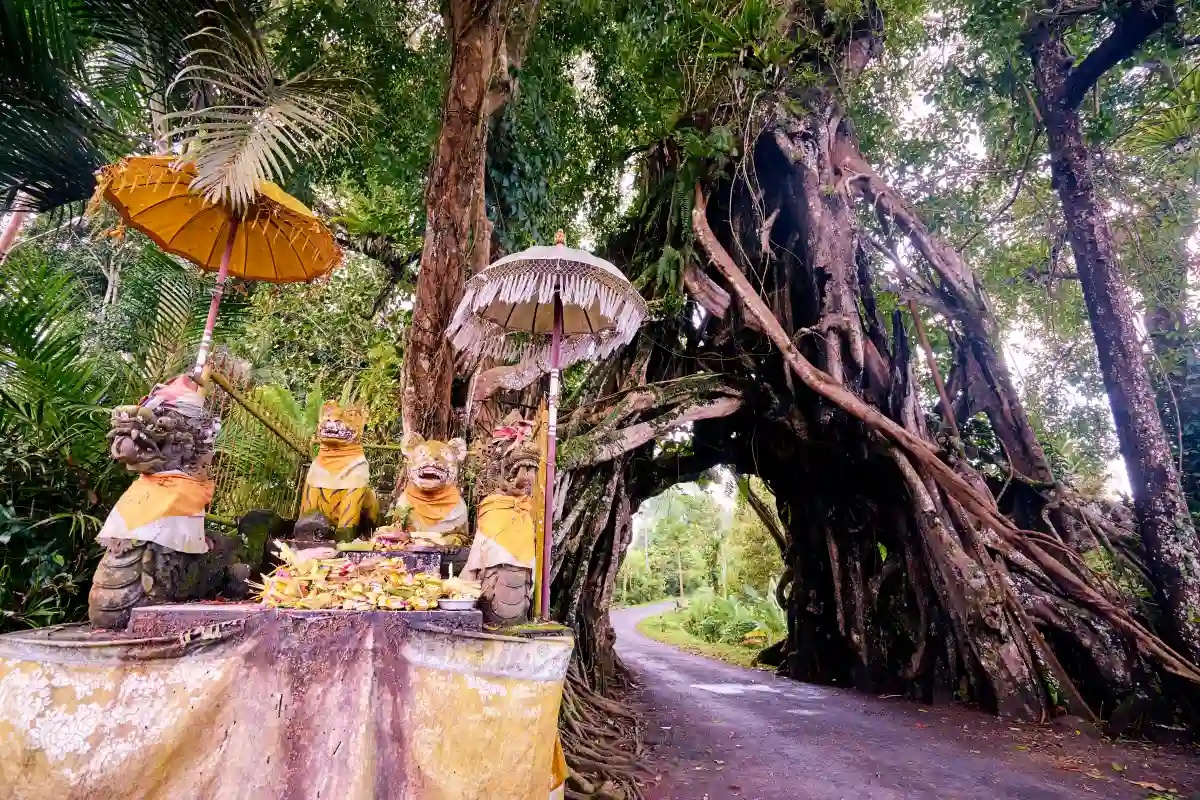
Perched on a dramatic limestone cliff overlooking the Indian Ocean, Bali Temple Uluwatu, or Pura Luhur Uluwatu, is one of the island’s most important spiritual landmarks. While many visitors come for the breathtaking sunset views and the famous Uluwatu Kecak Dance, the temple has long been a place of worship, reflection, and cultural significance for the Balinese people.
As one of Bali’s six key directional temples, Uluwatu continues to play an important role in protecting the island’s spiritual balance. Understanding its history, traditions, and cultural etiquette allows visitors to experience more than just its spectacular setting. It also encourages a more respectful approach to visiting one of the island’s most sacred places.
The History and Spiritual Significance of Uluwatu Temple
The Uluwatu Temple history dates back to at least the 11th century and is closely associated with the revered Hindu sage Empu Kuturan, who helped establish many of Bali’s important temples. Later, the priest Dang Hyang Nirartha is believed to have spent his final days meditating at Uluwatu before reaching moksha, or spiritual liberation, adding to the temple’s sacred status.
Its name reflects its unique location. Ulu means “land’s end” or “headland,” while watu means “rock,” referring to the towering limestone cliffs where the temple stands.
More than a scenic viewpoint, Uluwatu is one of Bali’s six Sad Kahyangan temples, a network of sacred temples believed to protect the island from negative forces. Positioned on Bali’s southwestern coast, it serves as a spiritual guardian overlooking the ocean and plays an important role in maintaining harmony between people, nature, and the spiritual world.
Read also: A Sustainable Guide to Ulun Danu Beratan Temple: Embracing Bali’s Water Culture
Uluwatu Temple: Guardian of the Southwest
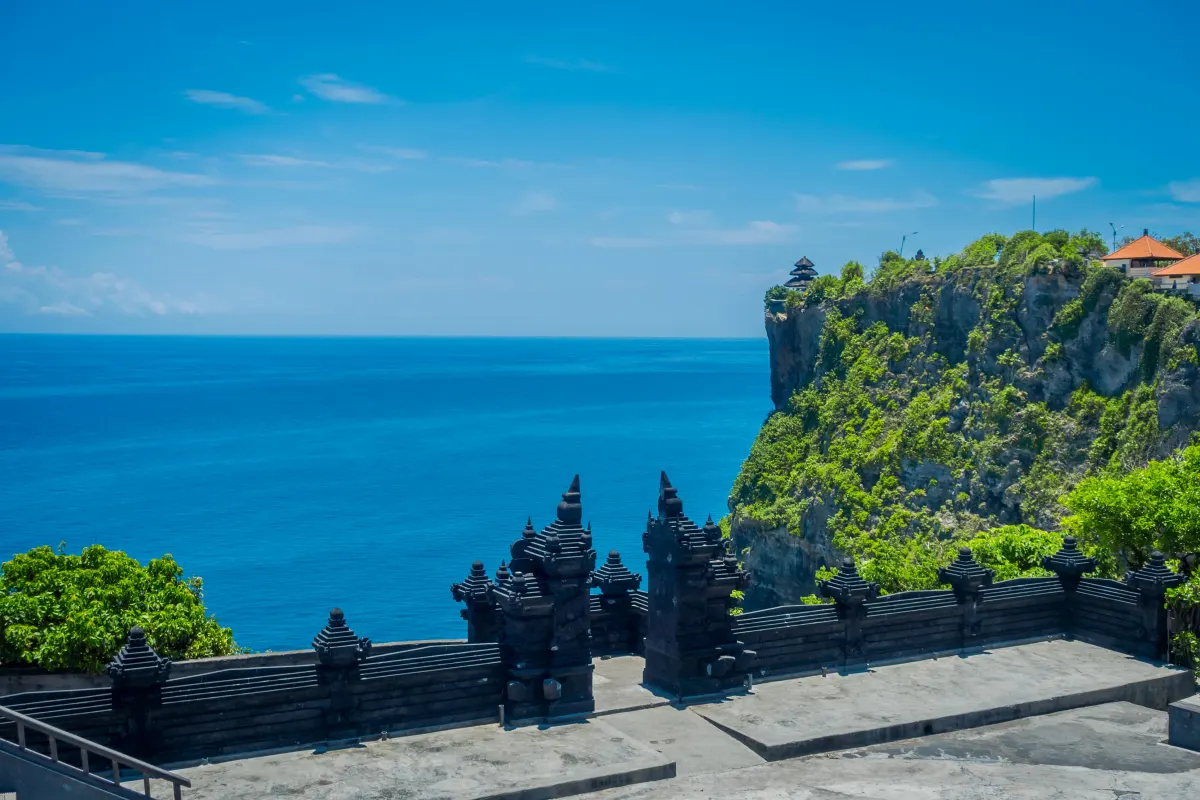
In Balinese Hindu belief, the sea represents both life and immense spiritual power. While it provides nourishment and connection, it is also associated with unseen forces that must be respected.
The Uluwatu sea temple significance lies in its role as the guardian of Bali’s southwestern direction. Together with the island’s other directional temples, Pura Luhur Uluwatu forms part of a sacred network believed to protect Bali from harmful influences and maintain spiritual balance across the island.
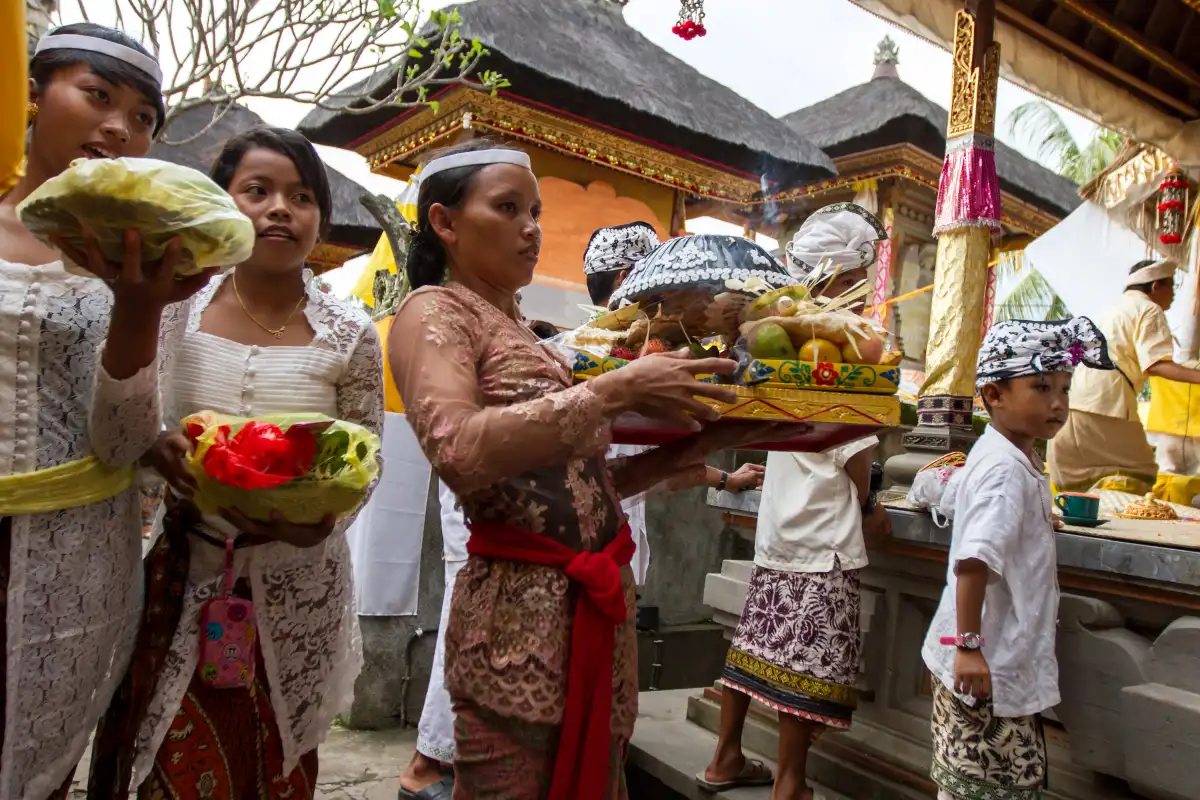
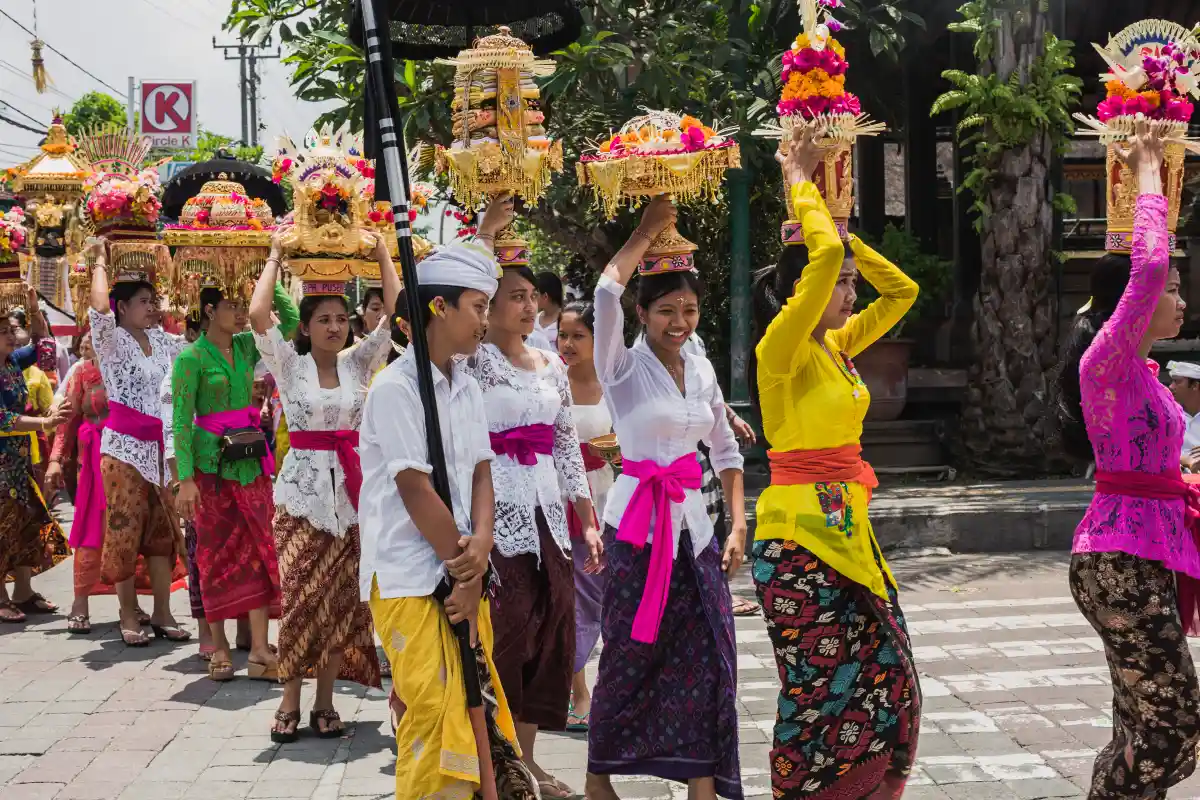
This belief continues to shape religious life today. Ceremonies are held regularly throughout the year, and local communities gather at the temple to offer prayers and express gratitude. For visitors, witnessing these traditions provides an opportunity to better understand that Uluwatu remains an active place of worship rather than simply a historical attraction.
The Sacred Macaques of Uluwatu
One of Uluwatu’s most well-known residents is its population of long-tailed macaques. These monkeys have lived around the temple for generations and are often regarded by local communities as guardians of the sacred site.
Their presence has become an important part of the temple’s identity, but they are also wild animals whose behaviour should be respected. Visitors can help protect both themselves and the macaques by following a few simple guidelines:
- Keep sunglasses, hats, phones, and loose belongings securely stored.
- Avoid feeding the monkeys, as human food can affect their natural diet and behaviour.
- Do not attempt to touch, chase, or pose for photos with them.
- If a monkey takes an item, remain calm and seek assistance from temple staff rather than trying to retrieve it yourself.
Respecting the macaques as wild animals supports both visitor safety and ongoing wildlife management efforts at the temple.
Read also: Exploring Ubud’s Sacred Monkey Forest: A Journey of Nature, Culture, and Curiosity
Experiencing the Uluwatu Kecak Dance
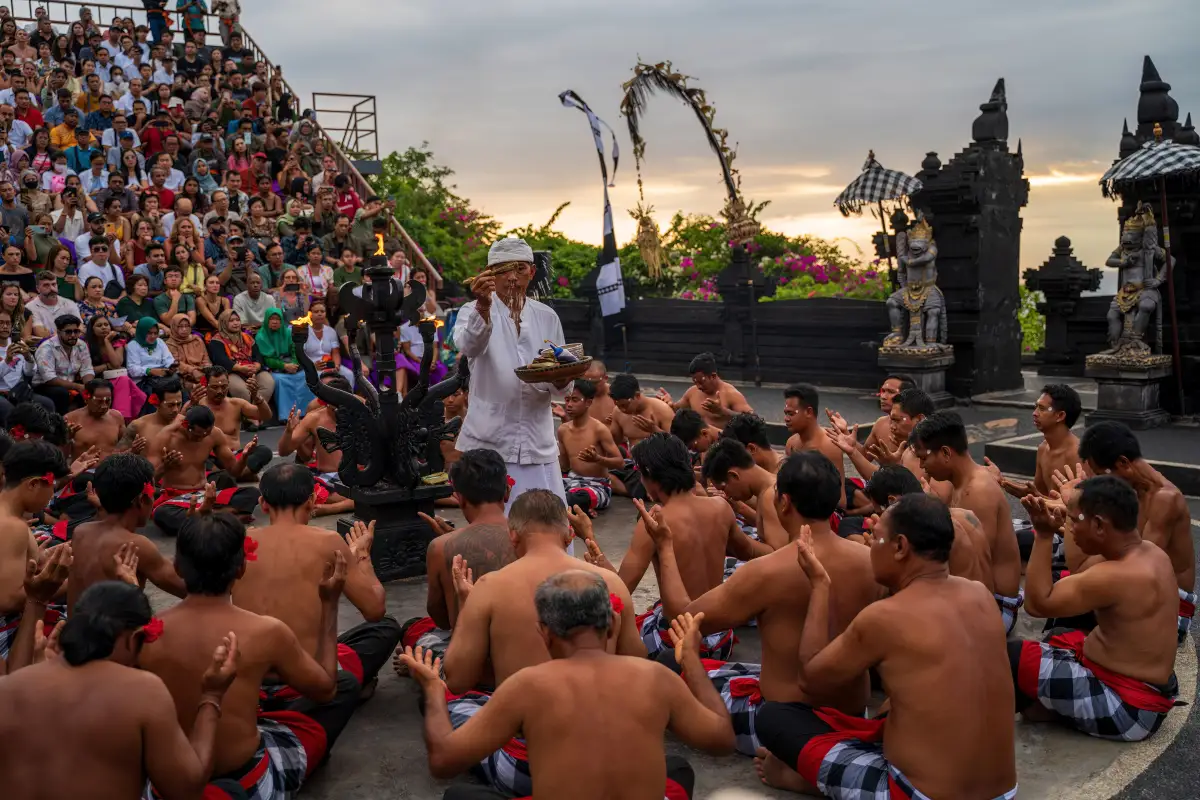
As the sun begins to set, the temple becomes the backdrop for one of Bali’s most iconic cultural performances, the Uluwatu Kecak Dance.
Unlike many traditional dances accompanied by gamelan music, Kecak is performed using rhythmic vocal chanting by dozens of male performers. The performance tells episodes from the Ramayana, combining storytelling, movement, and dramatic fire sequences against the backdrop of the Indian Ocean.
For many visitors, the performance offers an introduction to Balinese performing arts. Taking time to learn the story beforehand can make the experience even more meaningful while supporting local artists who continue to preserve this cultural tradition.
Read also: What Is Kecak Dance? History, Meaning, and Best Places to Watch It in Bali
Visiting Uluwatu More Responsibly
As one of Bali’s most popular attractions, Uluwatu experiences significant visitor numbers, particularly during sunset. Choosing to visit responsibly helps reduce pressure on local infrastructure while creating a more enjoyable experience.
Book Your Tickets Before You Arrive
Purchasing entrance tickets online through official or community-supported booking platforms can reduce queues at the entrance and help minimise traffic congestion during peak hours. Planning ahead also allows visitors to choose less crowded time slots when available.
Consider Carpooling
The roads leading to Uluwatu are relatively narrow and become congested during the late afternoon, especially before sunset and the Kecak Dance performance. Travelling with others, joining organised transport, or sharing vehicles can help reduce traffic while lowering transport-related emissions across the Bukit Peninsula.
Visit Earlier in the Day
While sunset is the most popular time to visit, arriving earlier offers a quieter atmosphere and more opportunities to appreciate the temple’s architecture and surroundings before larger crowds arrive.It also allows visitors to spend more time exploring the site without feeling rushed.
Read also: Guide to Uluwatu Temple: Tickets, Sunset Tips, Dress Code, and Safety
Appreciating Uluwatu Beyond the View
The dramatic cliffs and ocean views have made Uluwatu one of Bali’s most photographed destinations, but its true significance lies in its role as a living temple where history, spirituality, and community traditions continue to come together. Taking time to understand these connections transforms a visit into a richer cultural experience and offers a deeper appreciation of Bali’s cultural heritage.
For those looking to explore these stories beyond a single visit, Bali Institute designs experiential learning programs that connect participants with the island’s history, communities, and cultural landscapes. Whether through a Teen Exploration program, a University Experience, an Adult Learning Journey, or a Customized CSR Group Program, each experience is thoughtfully designed around your learning objectives. By combining cultural immersion with meaningful local engagement, participants gain a deeper understanding of Bali while travelling with greater awareness and respect.