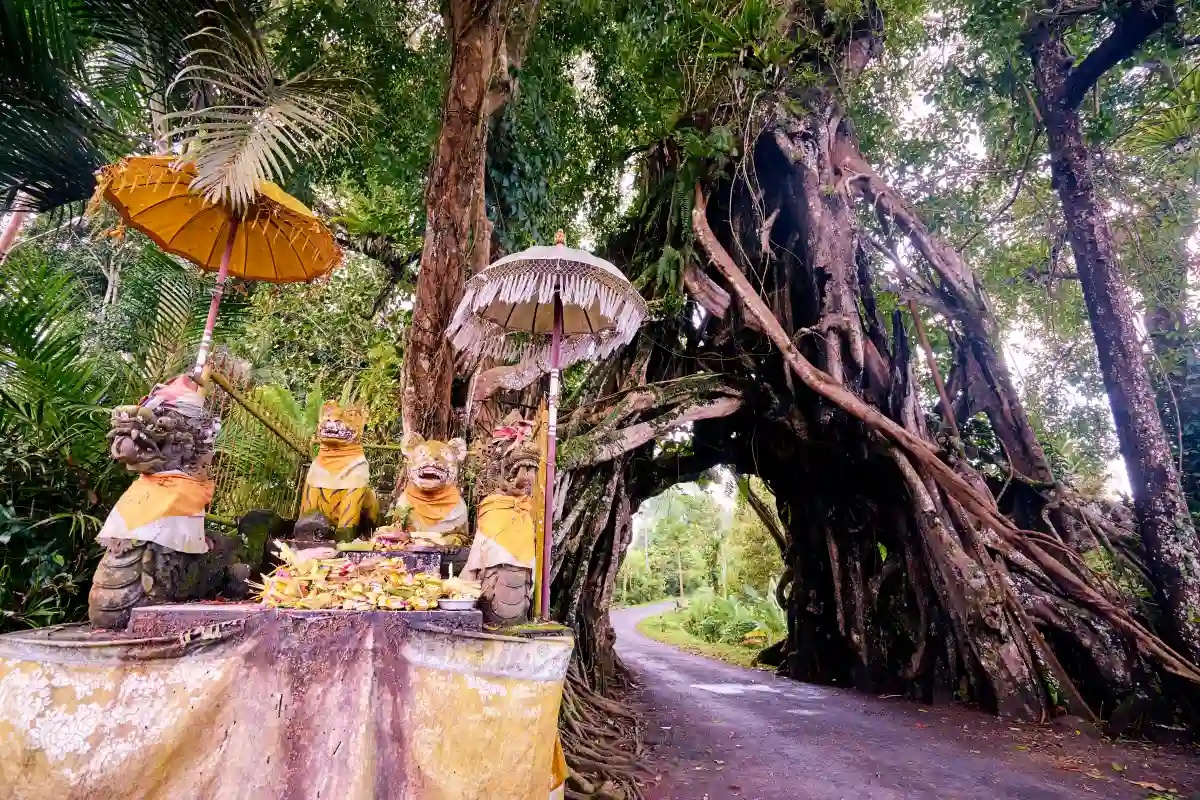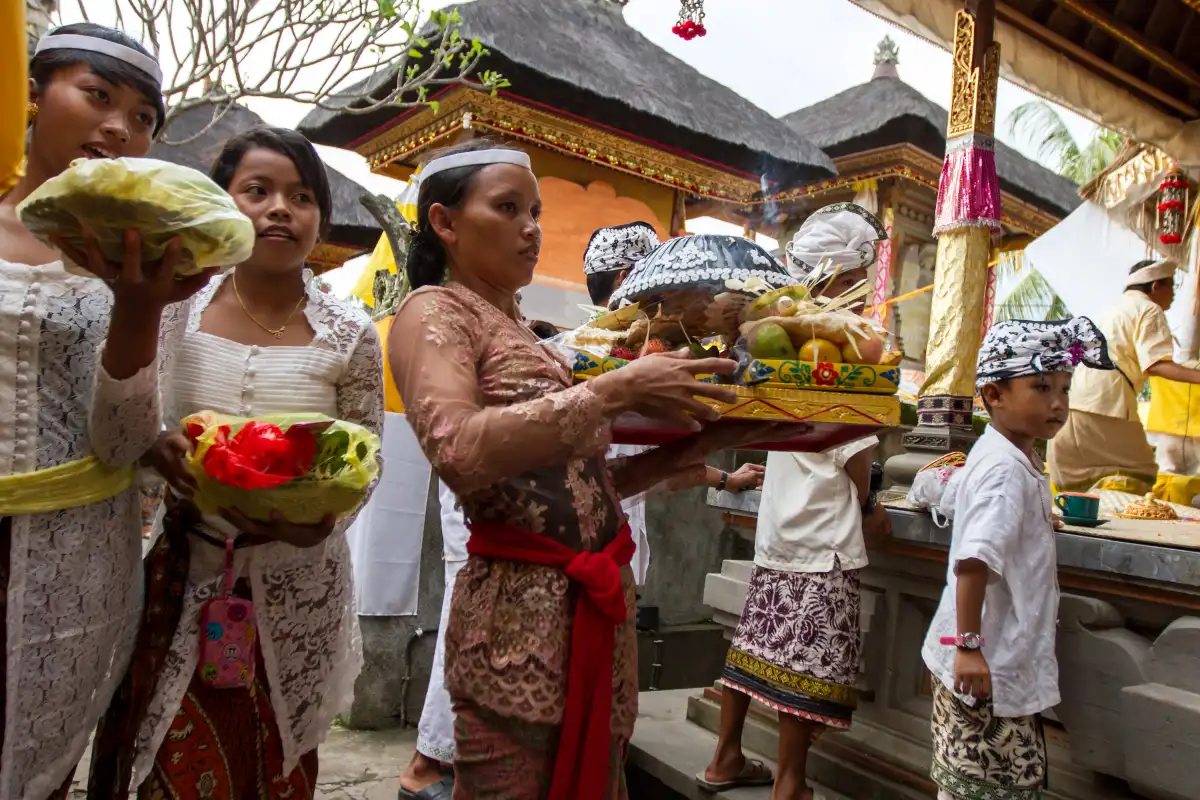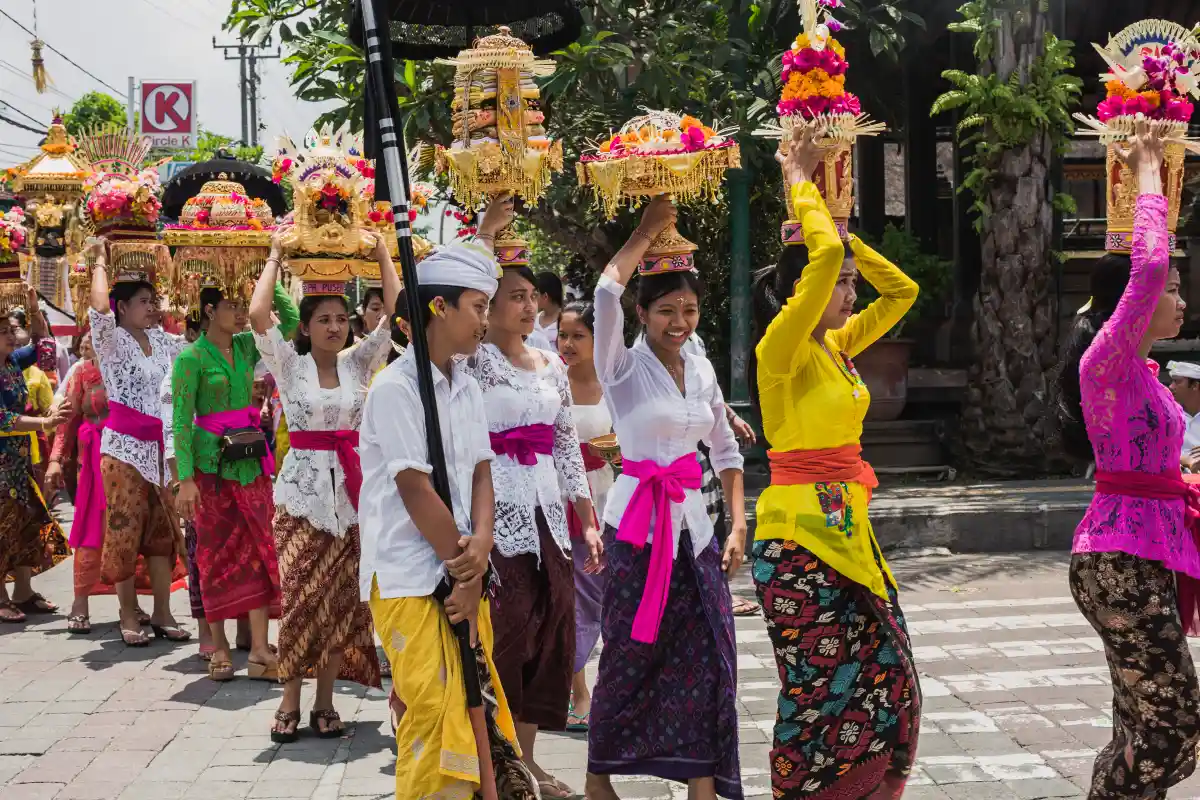
Bali is often described as the Island of the Gods, and for good reason. Every corner of the island seems to whisper ancient prayers and radiate divine energy. For us, exploring Bali’s spiritual landscape isn’t just about visiting temples; it’s about understanding how deeply intertwined faith, art, and everyday life truly are. The Balinese gods are not distant figures, they live in the daily rhythm of the people, in the sound of gamelan, and in the scent of morning incense.
Overview of Balinese Hinduism
Balinese Hinduism, known locally as Agama Hindu Dharma, is a unique blend of ancient Hindu teachings, indigenous animistic traditions, and Buddhist philosophy. While it shares roots with Indian Hinduism, Balinese Hinduism has evolved to reflect the island’s own spiritual character, one that emphasizes harmony among humans (pawongan), nature (palemahan), and the divine (parahyangan).
This triadic balance is expressed through every ritual and offering, making spirituality not just a belief system, but a way of life. For Balinese people, religion is not confined to temples; it flows through homes, rice fields, and streets.
Read also : Balinese Hinduism – The Heart of Bali’s Spiritual Soul
The Trimurti and Local Deities
At the heart of Balinese belief lies the Trimurti, the three primary manifestations of the divine:
- Brahma, the Creator

symbolizing the beginning of all life. - Vishnu, the Preserver
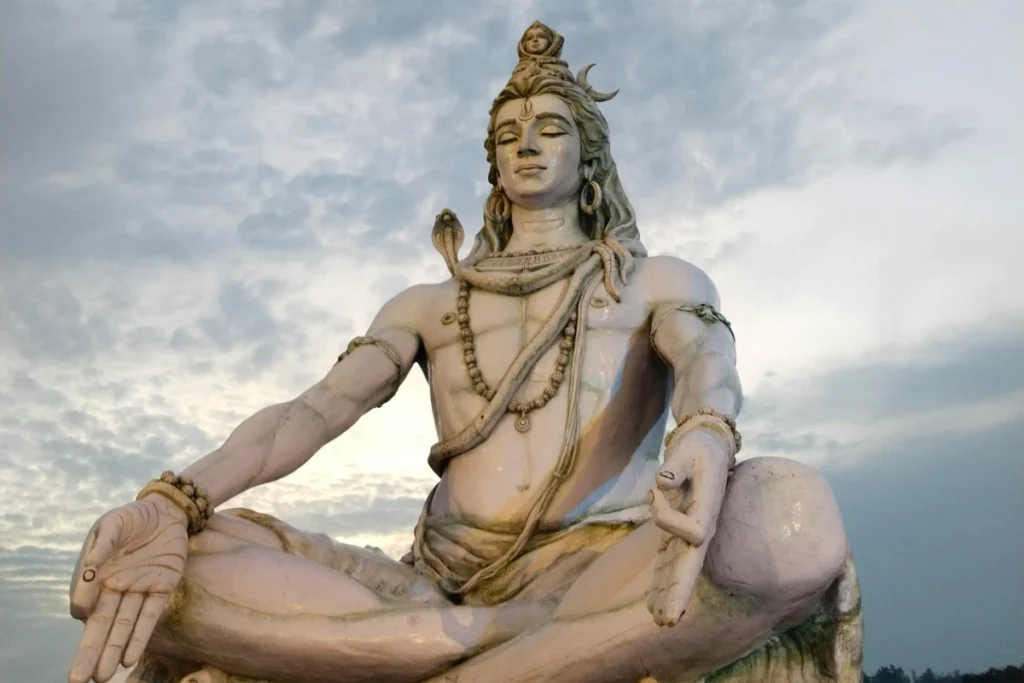
who maintains balance and harmony. - Shiva, the Destroyer or Transformer
Who brings renewal and change.


Yet, Balinese spirituality also embraces a pantheon of local gods and ancestral spirits, many unique to Bali. Deities like Dewi Sri, the goddess of rice and fertility, are deeply revered by farmers, while Barong represents protection and positive energy, often depicted in traditional dances battling Rangda, the embodiment of chaos.
This blend of universal and local deities creates a living, breathing system of faith, one that connects the cosmic with the personal.
Daily Offerings and Rituals
If you’ve ever wandered through a Balinese village early in the morning, you’ve likely noticed small, square offerings made of palm leaves, filled with flowers, rice, and incense. These are called canang sari, and they’re placed everywhere, from household shrines to sidewalks.
We’ve come to understand that these offerings aren’t just acts of devotion, they’re a conversation with the gods, an expression of gratitude, and a way to maintain harmony between the seen (sekala) and unseen (niskala) worlds.
Balinese rituals, both grand and simple, mark the rhythm of daily life. From full moon ceremonies (Purnama) to temple anniversaries (odalan), these sacred acts remind us of the continuous cycle of creation and balance.
Read also : Bali Offerings : Canang Sari, Significance & Meanings
Major Temples Dedicated to Each God
Bali’s temples (pura) are architectural expressions of devotion, each built to honor specific gods and cosmic principles. Here are a few of the most significant:
- Pura Besakih: Known as the “Mother Temple,” Besakih sits on the slopes of Mount Agung and is dedicated to Shiva, representing the ultimate divine power.
- Pura Ulun Danu Beratan: Floating on the tranquil waters of Lake Beratan, this temple honors Dewi Danu, goddess of lakes and rivers.
- Pura Tanah Lot: One of Bali’s most iconic sea temples, dedicated to Dewa Baruna, the god of the ocean.
- Pura Luhur Uluwatu: Perched on dramatic cliffs, this temple venerates Rudra, a manifestation of Shiva, protector of the island’s southwestern direction.
Each temple not only embodies devotion but also reflects Bali’s deep respect for natural elements, mountains, lakes, and seas are all seen as sacred abodes of the divine.
Respectful Ways to Learn More
For travelers drawn to the island’s spirituality, understanding Balinese gods is best done with reverence and curiosity. We always encourage visitors to:
- Dress modestly and wear a sarong when entering temples.
- Observe, not interrupt, ongoing ceremonies.
- Learn from local guides or temple priests who can explain symbolism and rituals.
- Participate respectfully in cultural activities like melukat (purification rituals) or traditional dance performances that depict divine myths.
Engaging with Balinese spirituality is less about witnessing and more about feeling, the essence of divinity is best understood through humility and connection.
A Deeper Connection with Bali’s Spirit
What makes Bali truly extraordinary is how spirituality breathes through everything: art, agriculture, architecture, and hospitality. The Balinese gods are not confined to mythology; they live in the pulse of daily life, in the colors of the morning sky, and in the smiles of those who make offerings each dawn.
For us, exploring this divine landscape is a journey inward, one that invites mindfulness, gratitude, and balance.
Discover Bali’s Spiritual Side with Bali Institute
At Bali Institute, we curate transformative group journeys that allow travelers to experience Bali’s living spirituality firsthand. As a premiere travel organization, we design sustainability-based group tours focusing on nature preservation, eco-conscious activities, and community empowerment.
Our Teen Exploration programs offer students a dynamic way to learn and grow through fun, culturally immersive experiences. For college students and faculty, our University Experience programs combine travel and education, bringing learning outside the classroom and even offering academic credit opportunities. We also create Customized CSR Group Tours for companies seeking meaningful team outings centered on sustainability and ESG-based impact.
Through every journey, we invite you to connect deeply with Bali, its gods, its people, and with yourself.