Located in the heart of Ubud, a town on the Indonesian island of Bali that’s synonymous with magic, art, and spirituality, lies the illustrious Ubud Palace, or Puri Saren Agung. For many visitors, this quintessential Balinese royal palace is at the top of their must-see list—not just for its striking architecture, but for its profound cultural significance and historical richness.
History and Cultural Significance of Ubud Palace

The story of Ubud Palace is deeply intertwined with the history of the royal family of Ubud. It was constructed in the early 19th century during the reign of Tjokorda Putu Kandel (1800-1823) and has remained a symbol of Ubud’s vibrant heritage ever since. The palace serves as a splendid monument to Bali’s unique blend of Hindu and indigenous traditions.
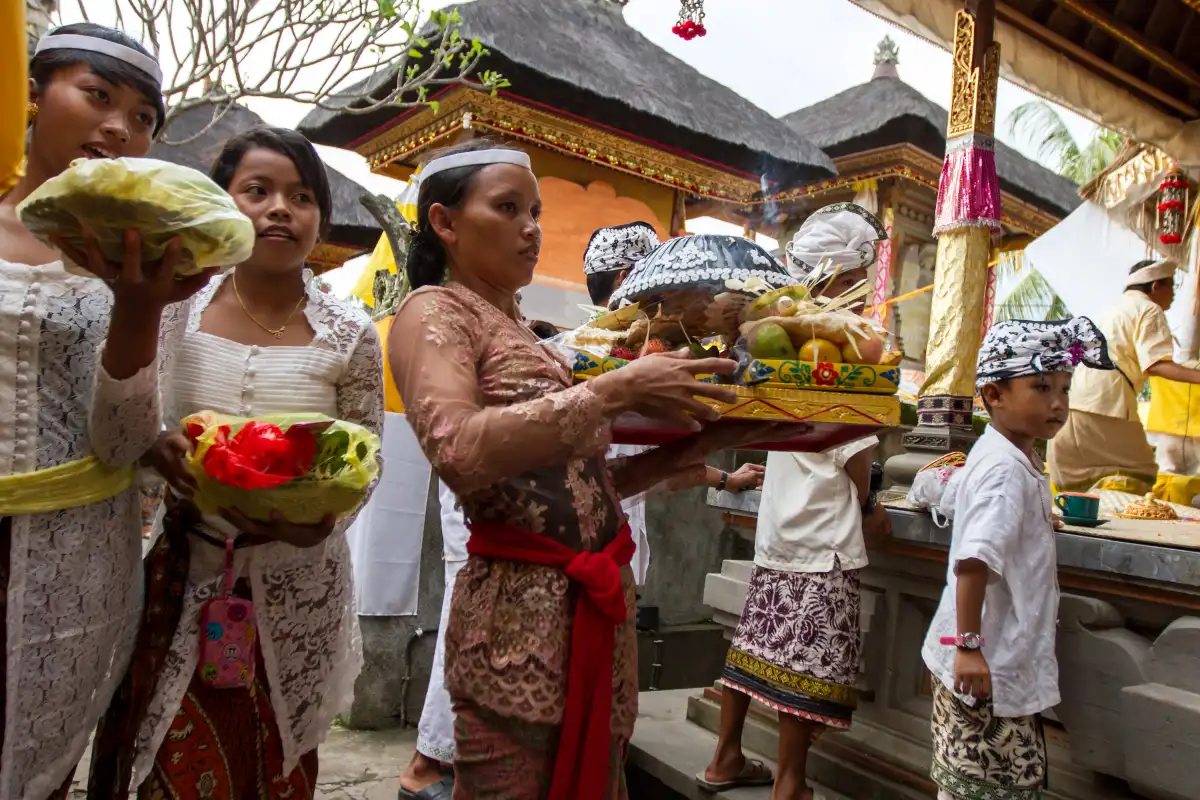
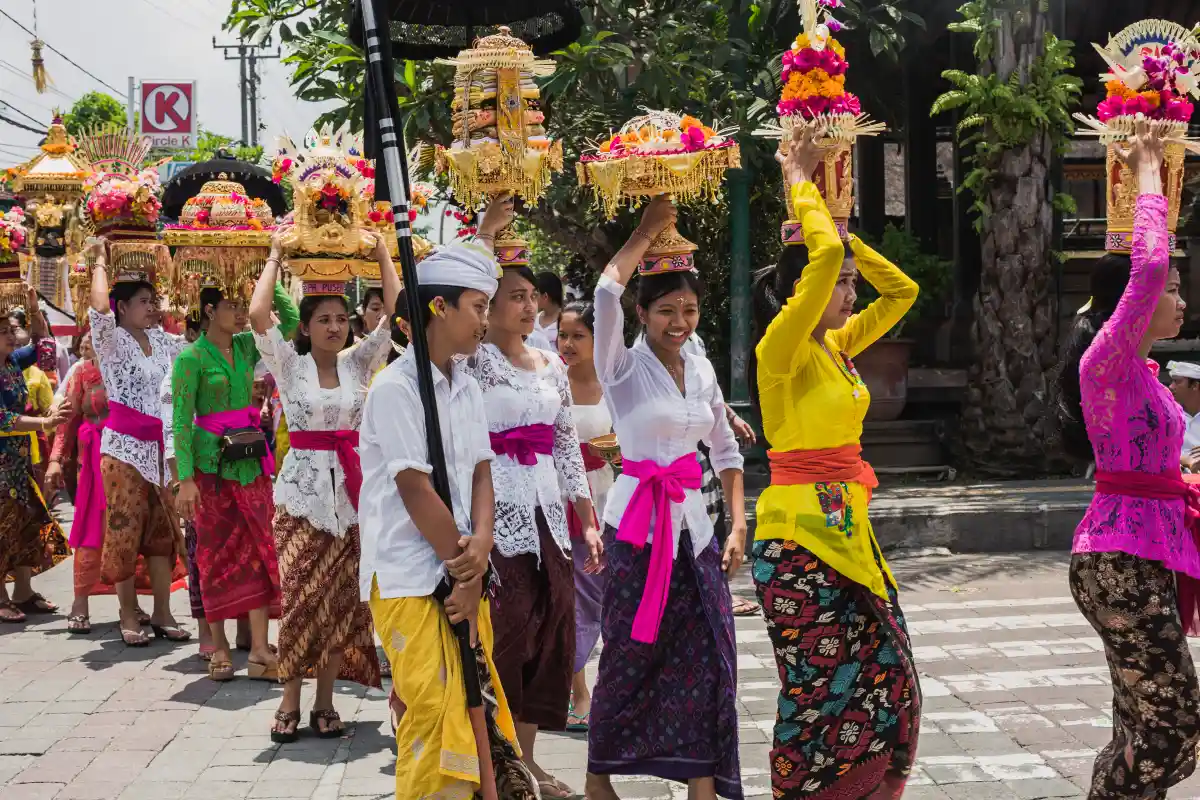
Unlike many historical sites, Ubud Palace stands out as it continues to be a living part of the community. The Royal family still resides within its ornate walls, and the site’s open areas are often abuzz with cultural activities. It serves as a venue for Balinese ceremonial gatherings, traditional music, and dance performances, offering visitors a window into Bali’s dynamic cultural landscape.
Getting There: Where is Bali Ubud Palace?

Strategically located in the heart of Ubud, the palace is easily accessible. It is situated at the intersection of Jalan Raya Ubud and Jalan Suweta, making it a convenient stop for anyone exploring Ubud’s bustling streets.
If you’re traveling from Ngurah Rai International Airport, it’s about a 90-minute drive. Taxis and scooters are popular modes of transport. However, if you’re already in Ubud, the palace is best reached by a leisurely stroll, allowing you to soak in the vibrant atmosphere of the town’s surroundings.
Getting to Ubud Palace Using Bali Public Bus – Trans Metro Dewata

Alternatively, you can use the Trans Metro Dewata, an integrated bus transportation system operating in Bali as part of a program by the Ministry of Transportation of the Republic of Indonesia. The bus operates daily from 4:30 a.m. to 10:00 p.m. WITA.
To get to Ubud from Ngurah Rai Airport using Trans Metro Dewata, take corridor 2 to Ubung Terminal, then transit to corridor 4 for the final destination of Ubud – Monkey Forest. You can also download the Trans Metro Dewata app to find nearby Trans Metro Dewata buses, route information, and the nearest shelter/stop.
Read also : Things to Keep in Mind : 10 Important Do’s and Dont’s in Bali
Entrance Fee, Opening Hours & Ubud Palace Dance Schedule

One of the delights of visiting Ubud Palace is that there is no entrance fee. You can wander the beautifully kept gardens and courtyards at your leisure, but remember to check the opening hours to avoid disappointment; the palace typically welcomes visitors from 9 AM to 6 PM daily.
But the true magic of the palace comes alive in the evenings with its traditional Balinese dance performances, each one a vivid display of cultural storytelling expressed through intricate gestures and mesmerizing movements. Here’s a taste of the weekly schedule, each commencing at 7:30 PM for a ticket price of IDR 100K:
- Sunday : Legong Mahabarata
- Monday : Legong Dance
- Tuesday : Ramayana Ballet
- Wednesday : Legong & Barong
- Thursday : Legong Trance
- Friday : Barong
- Saturday : Legong Dance
Dress Code at Ubud Palace: What to Wear?
Though there isn’t a strict dress code for visiting the Ubud Palace or attending the dance performances, it’s advisable to wear modest clothing out of respect for the cultural setting. A sarong and a sash, which can be rented at the entrance, are often encouraged, especially when participating in or observing ceremonial activities within the palace grounds.
Best Activities Near Ubud Palace
Ubud is a treasure trove of experiences waiting to unfold just beyond the palace gates. After a palace visit, consider exploring these activities:
- Ubud Traditional Art Market: Just across the road from the palace, this vibrant market is a perfect spot to pick up unique souvenirs, handcrafted goods, and traditional Balinese art.
- Ubud Monkey Forest: For a whimsical adventure, head to this sprawling sanctuary where curious monkeys roam free among ancient temples.
- Campuhan Ridge Walk: A picturesque trail that offers breathtaking views of Ubud’s lush landscapes—a perfect escape for nature lovers.
- Saraswati Temple: A serene temple marked by its beautiful lotus pond, presenting a tranquil spot for reflection and exploration, just a short walk from the palace.
In essence, the allure of Ubud Palace lies not only in its historical grandeur but in its ongoing role as a vibrant hub of Balinese culture. As you wander its enchanting halls and experience the artistry of a Balinese dance, you become part of a living tradition—one that speaks to the heart and soul of Bali itself. Whether you’re drawn by history, art, or the simple beauty of cultural exchange, Ubud Palace doesn’t disappoint.
Read also : 8 Places to See Traditional Dance in Bali : Journey of Art
Discover Bali in a New Light: Customize Your Group Tour with Bali Institute
For those yearning to visit Bali not just as tourists, but as engaged and conscious travelers, Bali Institute offers an unparalleled gateway. As a premier travel agent, we specialize in curating bespoke group tours that dive into the heart of Bali’s rich culture and breathtaking nature through sustainability-focused experiences. Imagine participating in eco-conscious activities that didn’t just preserve nature but empowered local communities as well. Our tours are thoughtfully designed for those who wish to connect with Bali on a deeper level, ensuring that your journey uplifts both the island and its people.
Whether it’s students eager to extend their classroom learning into the vibrant milieu of Bali’s real-world ecosystems, adults aiming to uncover the lesser-known treasures of the island, or corporations seeking meaningful CSR excursions aligned with their ESG objectives, our tailored programs meet each unique desire with authenticity and purpose. By choosing Bali Institute, you’re not just visiting Bali—you’re participating in its future, discovering its hidden gems, and making impactful memories every step of the way.