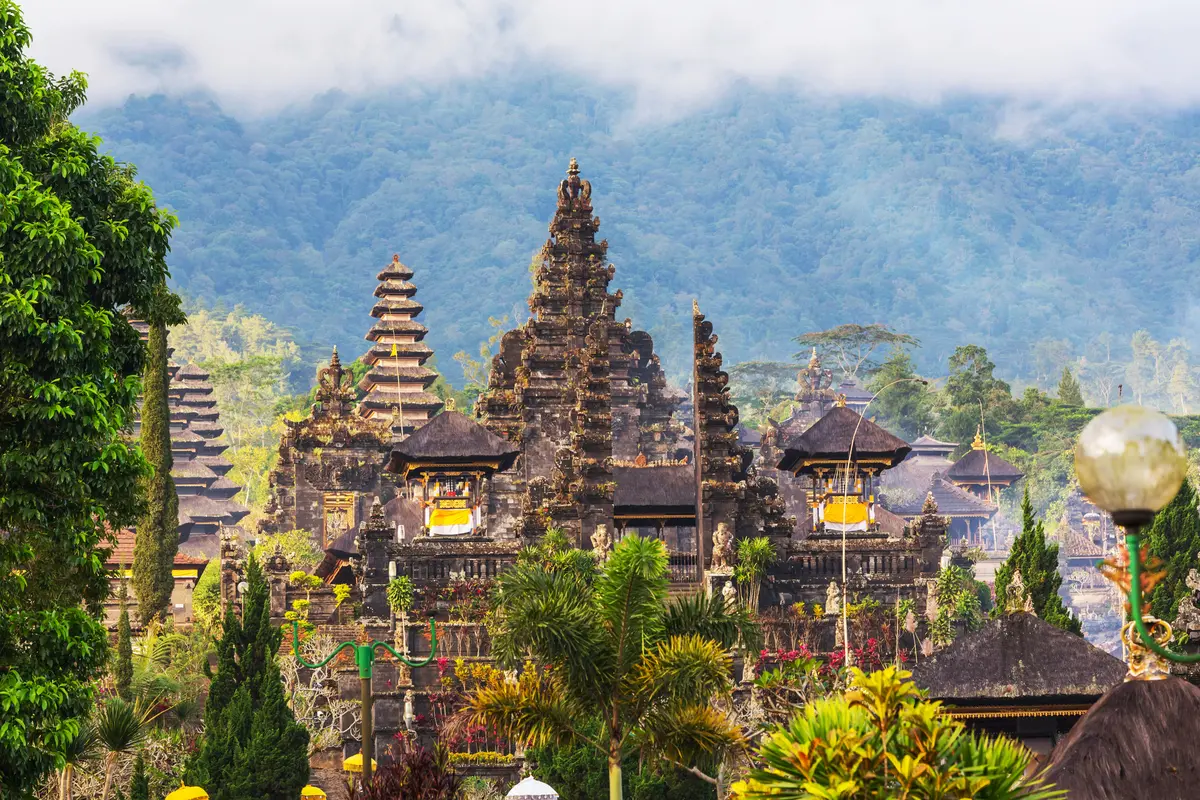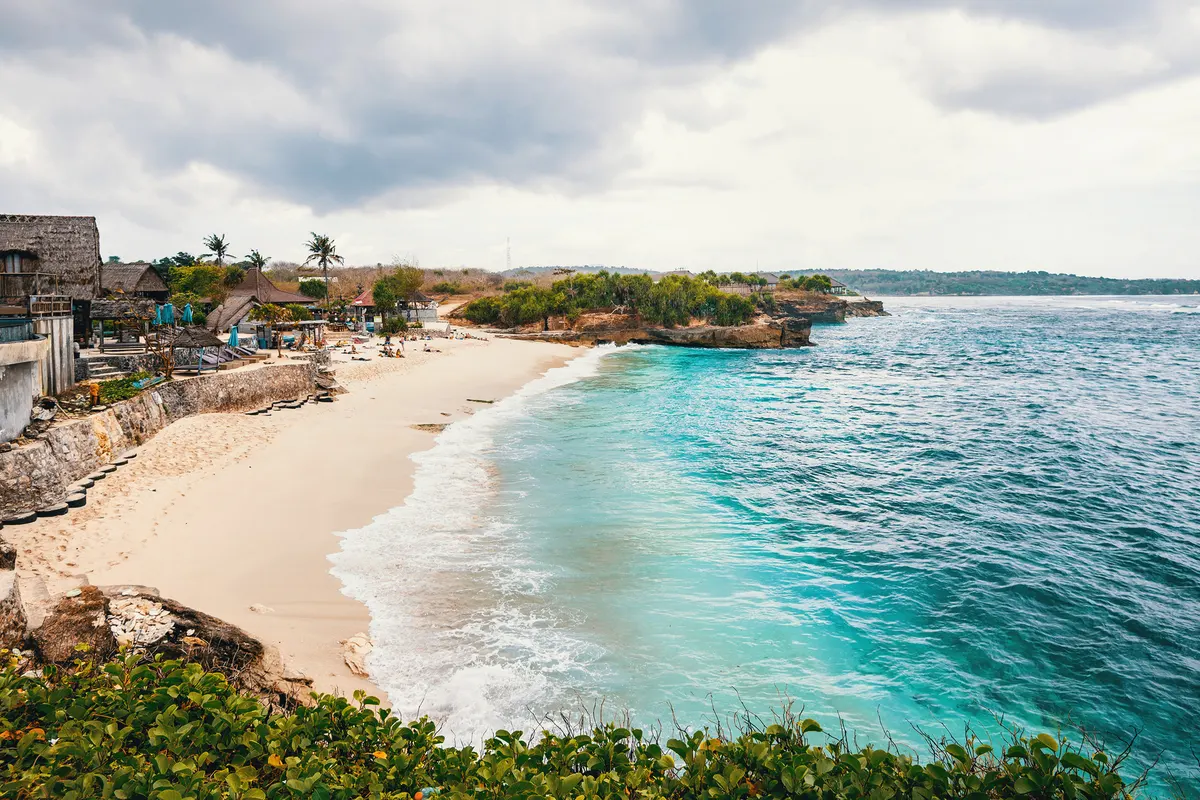
High above Bali’s bustling coastal hubs, the highland region of Kintamani offers a profoundly different perspective on island life. While many visitors recognize the area merely for its spectacular viewpoints of Mount Batur and Lake Batur, this active volcanic landscape is much more than a scenic stop. Located in the Bangli Regency, it is home to traditional communities where agriculture, religious traditions, and environmental stewardship are deeply intertwined.
This unique setting serves as an exceptional living classroom for experiential learning abroad. For institutions designing custom faculty-led study abroad programs or organizing group student trips, the wider Kintamani district provides a rare opportunity to study human geography and ecological resilience firsthand. It allows students to step away from mass tourism and observe a community living in rhythm with nature.
Engaging directly with this landscape fosters both authentic culture and adventure experiences, allowing participants to deeply understand the delicate balance between nature, development, and traditional Balinese life.
Understanding Kintamani’s Highland Landscape
Kintamani is often described as a single destination, but the name can refer to both a particular village and the wider highland district in Bangli Regency.
The district encompasses numerous settlements, agricultural areas, and volcanic landscapes surrounding Mount Batur.
One of its most important natural features is the Batur UNESCO Global Geopark, recognized for its distinctive geology, biodiversity, and cultural heritage. The geopark includes 15 villages within the Kintamani district, where agriculture and tourism are important livelihoods.
Mount Batur and Lake Batur
Mount Batur is an active volcano surrounded by a remarkable caldera landscape. Nearby Lake Batur occupies part of the volcanic basin and plays an important role in the surrounding environment.
These natural features provide a valuable setting for learning about volcanic processes, geological change, and the relationships between landscapes and human settlements.
Rather than viewing the mountain simply as a photography destination, visitors can consider how its presence influences local agriculture, settlement patterns, environmental awareness, and community resilience.
Exploring Culture and Daily Life in Kintamani
Life in Kintamani reflects the relationship between people and the highland environment.
Local communities maintain agricultural livelihoods, participate in religious traditions, and increasingly engage with tourism-related activities.
Understanding these relationships helps visitors see Kintamani as a living cultural landscape rather than simply a place to admire mountain views.
1. Discover Highland Agriculture
Kintamani’s highland climate supports agricultural products such as oranges, coffee, and vegetables.
Farming is an important part of the local economy, while agricultural products also contribute to the region’s identity.
Through appropriately arranged farm visits, students can learn about:
- How climate and volcanic landscapes influence farming conditions.
- Traditional and contemporary agricultural practices.
- Seasonal production and the challenges farmers face.
- How agricultural products reach consumers and tourism businesses.
These experiences also encourage questions about rural livelihoods, market demand, and the long-term sustainability of highland agriculture.
2. Understand Sacred Landscapes and Local Traditions
Nature and spirituality are closely connected in Balinese Hindu culture.
Mountains and water sources hold important religious meanings, while temples and ceremonies help sustain community traditions.
Lake Batur is particularly significant within Bali’s broader cultural and spiritual landscape.
Visitors interested in this connection can explore Bali Institute’s article on the importance of mountains in Hindu Bali.
When encountering religious spaces, travelers should remember that ceremonies and temples serve local communities first. Participation or observation should always follow permission and local guidance.
3. Explore Geology and Environmental Conservation
The Batur UNESCO Global Geopark provides opportunities to connect geological history with environmental education.
Through guided visits and discussions, students can explore how volcanic activity has shaped the region over time.
Important learning themes include:
- Volcanic landscapes: Understanding calderas, eruptions, and geological formations.
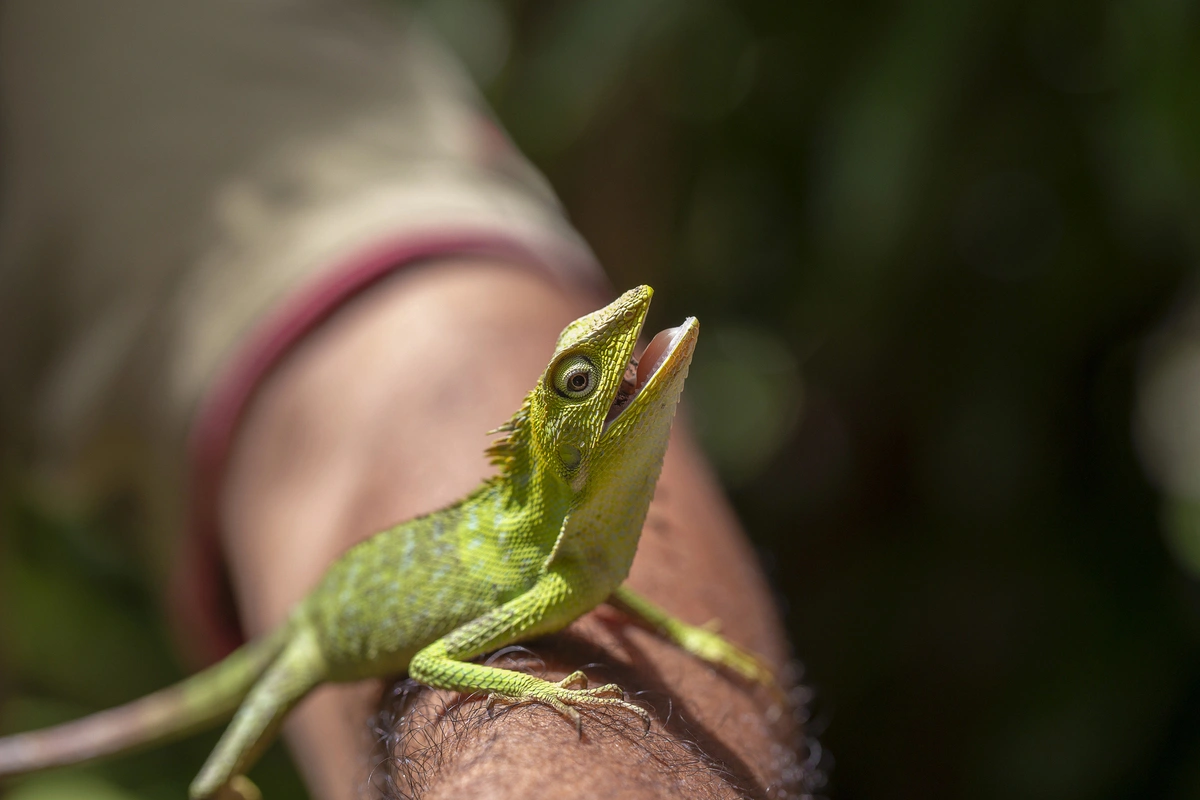
- Biodiversity: Examining how habitats develop within volcanic environments.
- Water resources: Considering the environmental importance of Lake Batur.
- Community resilience: Learning why disaster awareness matters in areas surrounding active volcanoes.
These subjects make Kintamani particularly valuable for students studying geography, environmental science, and sustainable development.
Responsible Travel Tips for Visiting Kintamani
Exploring Kintamani responsibly means recognizing that the region is home to working farms and active village communities.
A thoughtful visit should prioritize learning rather than rushing between viewpoints.
Consider the following practices:
- Choose locally guided experiences. Local guides can explain community traditions, agricultural practices, and environmental conditions.
- Respect village boundaries. Avoid entering private homes, farms, or ceremonial areas without permission.
- Ask before taking photographs. Respect people’s privacy, particularly during religious activities.
- Reduce environmental impact. Carry reusable bottles and avoid leaving waste near farming areas or Lake Batur.
- Plan for changing conditions. Highland temperatures can be cooler, and weather may change throughout the day.
Educational groups may benefit from focusing on a few nearby learning sites rather than attempting to cover the entire region in one visit.
What Visitors Can Learn from Kintamani
Kintamani demonstrates how geology, agriculture, culture, and community life continuously influence one another.
A volcanic landscape shapes the conditions for farming. Agricultural livelihoods support families and local economies. Water resources influence both environmental management and cultural traditions.
For students, these relationships offer an opportunity to practice systems thinking and understand how communities adapt to their surroundings.
Bali Institute’s University Experience programs and Teen Exploration programs connect educational objectives with cultural engagement and environmental learning across Bali.
For educators interested in highland ecology, community livelihoods, or geology, Kintamani provides a compelling example of how place-based learning can bring classroom concepts into real-world context.
More than a mountain viewpoint, Kintamani invites visitors to understand the communities, landscapes, and traditions that continue to shape life in Bali’s highlands.